Introducing Yourself Confidently in English (Preliminary Level)
 Nivedita Dar22 May, 2026
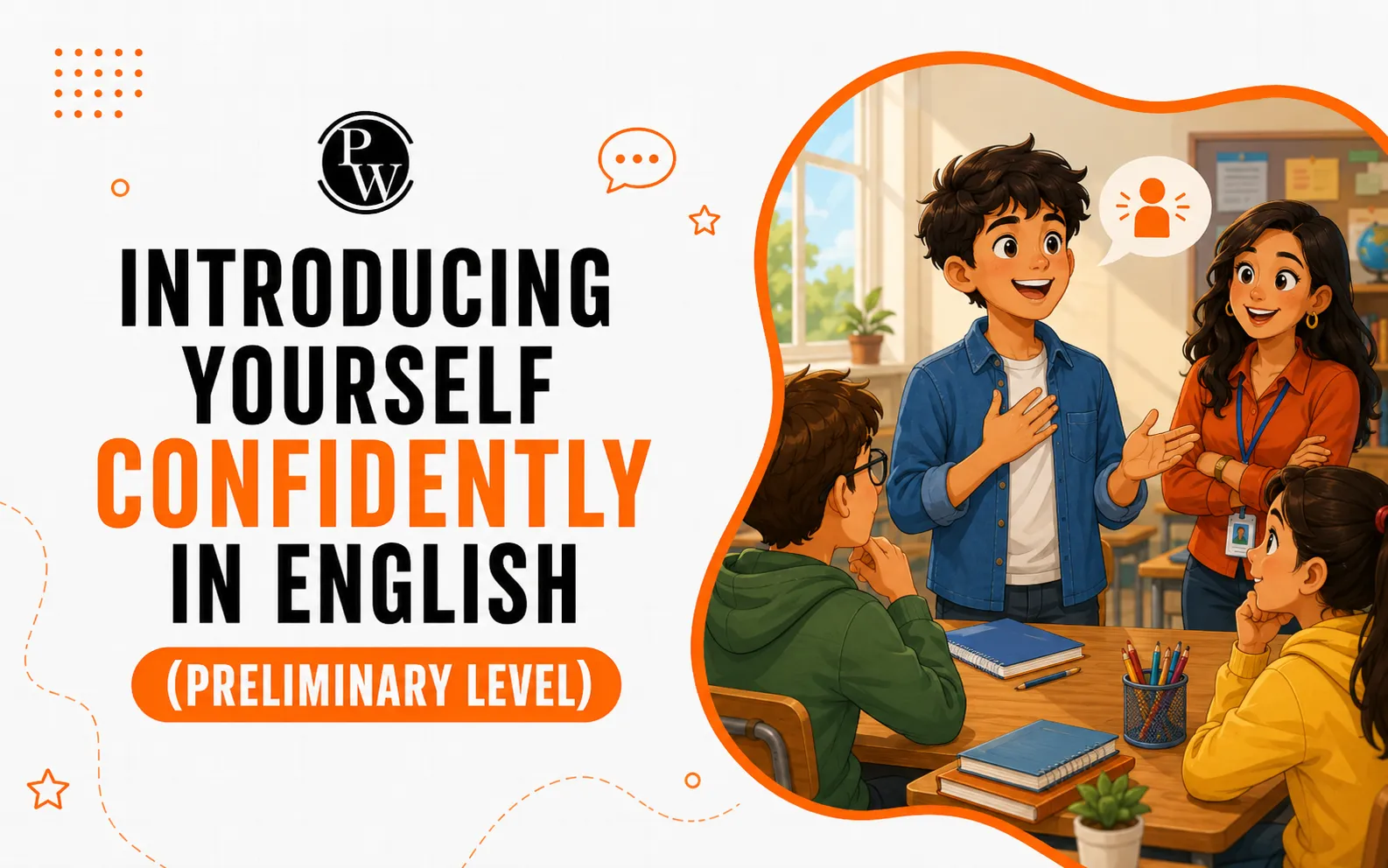
You might know all your grammar rules perfectly, score top marks on written spelling tests, and read thick storybooks without hitting a single snag. Yet, the moment someone turns to you and asks a basic question, your mind goes completely blank, your throat tightens, and the words simply refuse to come out. The most effective solution to this widespread problem is to break down your speech into tiny, manageable building blocks while shifting your focus from perfect grammar to everyday functional communication. Learning the art of introducing yourself is the ultimate foundation for all future language success, turning complex encounters into smooth, natural conversations.
Importance of Introducing Yourself
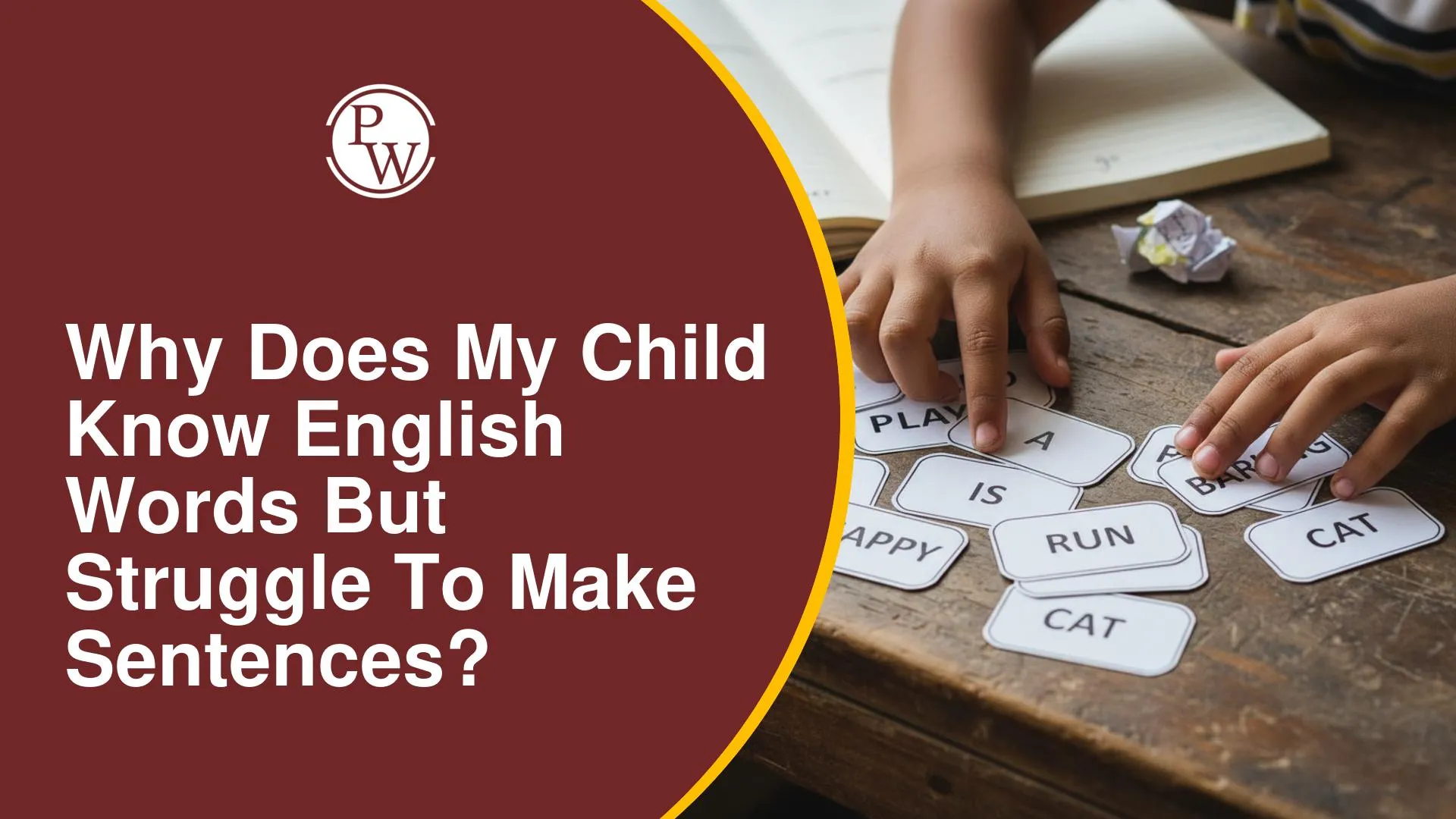
Many young learners face a common hurdle when learning a new language. They can read short stories perfectly and write essays with correct grammar, but they freeze when someone asks them a simple question.
It is very common for a child to feel nervous when speaking up in a social setting. The main reason for this silence is the fear of making mistakes or translating words in their head before speaking.
At an English learning preliminary level, the main goal is not flawless grammar. Instead, the focus is entirely on functional communication. Can you share your name? Can you describe your favourite hobby? Can you talk about your family?
Building speaking confidence practice early on helps children overcome performance anxiety. This article breaks down exactly how to share your personal details smoothly, helping young minds build real fluency without any stress.
How to Introduce Yourself?
To share your details with a new friend, you do not need long, complex words. You just need a few reliable sentence structures. Breaking your greeting down into small pieces makes the process very easy to understand. Let us look at the four core parts of a basic personal description.
-
The Greeting: Always begin with a warm smile and a simple opening. You can say "Hello!", "Good morning", or "Hi everyone!".
-
Name and Age: Share your name clearly so people know who you are. Use simple patterns like "My name is Sam" or "I am Sara, and I am thirteen years old."
-
Where You Live: Let people know where you come from. You can say "I live in London" or "I am from Manchester."
-
Your Hobbies: Talk about what you love to do after school. This is excellent for communication practice because it opens the door for a longer chat. You can say "I like playing football" or "My favourite hobby is reading stories."
Benefits of Group Speaking Activities
When children enter the age bracket of 12 to 14 years, they are ready to transition into structured group environments. Learning in small groups with peers of the same age group offers distinct advantages that individual study cannot match.
Healthy Peer Learning
Seeing other children speak up encourages hesitant learners to try as well. It creates a friendly environment where everyone is learning together. Children realise that everyone makes minor grammar mistakes, which significantly reduces performance anxiety.
Live Guided Feedback
While practicing at home is wonderful, having dedicated mentors ensures that children develop correct habits. Mentors can guide them on pronunciation, rhythm, and tone. Instead of stopping a child mid-sentence, a guide lets them finish their thought and then gently models the correct version. This supportive feedback keeps the flow of natural speech alive.
Read More - Build Vocabulary without Memorizing (Level Preliminary)
Weekly Practice Guide for Introducing Yourself
Consistent, short bursts of practice are far more effective than long study sessions. Spending ten to fifteen minutes each day builds the muscle memory needed for fluent speech.
The table below provides a structured seven-day plan designed to help young learners build strong self introduction English habits step by step.
|
Day |
Practice Theme |
Example Sentence to Say Aloud |
Skill Focus |
|
Monday |
Saying Hello & Name |
"Hello! My name is Maya and I am twelve years old." |
Warm greetings and clear pronunciation. |
|
Tuesday |
Sharing Location |
"I live in a beautiful town with my family." |
Using adjectives to describe places. |
|
Wednesday |
Talking About Family |
"I have an elder brother and we love to play games." |
Using connecting words like 'and'. |
|
Thursday |
Describing Hobbies |
"My favourite hobby is painting colourful pictures." |
Expressing personal interests. |
|
Friday |
Sharing School Life |
"I enjoy studying science because it is interesting." |
Using 'because' to state reasons. |
|
Saturday |
The Complete Package |
Combine all the sentences above into one short speech. |
Building continuous speech and stamina. |
|
Sunday |
Mirror Challenge |
Speak about your day for two minutes without stopping. |
Overcoming hesitation and building confidence. |
Read More - Confidence Test: Can your Child Speak English? (Level Preliminary)
Tips for Introducing Yourself Every Day
Moving from basic words to complete sentences requires active participation. Young learners need to change their approach from passive listening to active speaking.
Here are four simple strategies children can use at home to learn beginner level speaking topics and feel comfortable using their voices.
Use Mirror Speaking
Encourage your child to look into a mirror and speak for two minutes every day. They can look at themselves and say their greeting out loud. This simple action helps them get used to the sound of their own voice speaking English and builds natural expressions.
Try the Why Method
When sharing a personal preference, always add a reason. If you say "I love apples," follow it up by explaining why. For example, "I love apples because they are sweet and crunchy." This method teaches kids how to expand their thoughts and improves their basic conversation skills.
Focus on Connecting Words
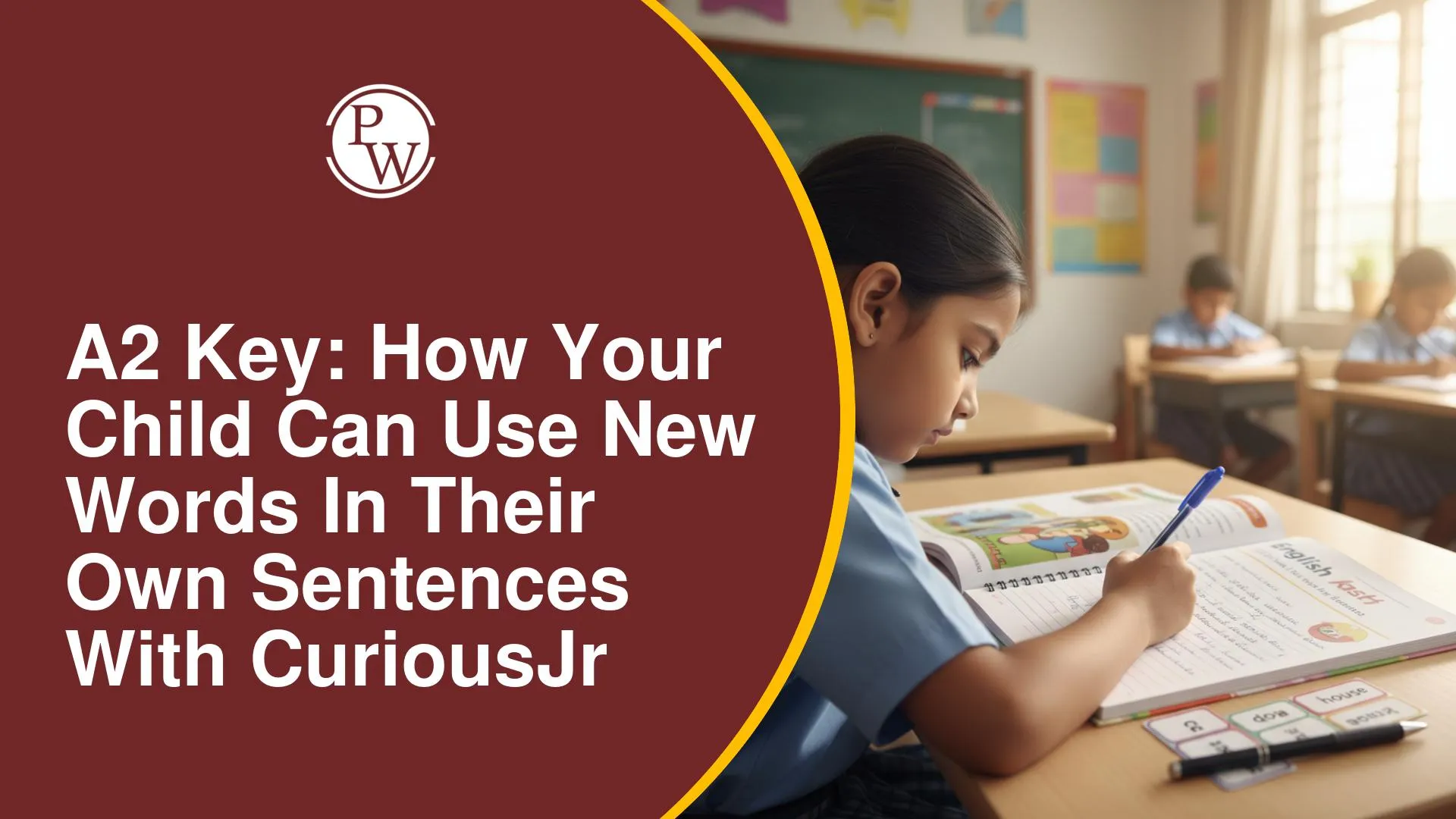
Young students often know big nouns but struggle with small connecting words like "and," "but," or "because." Practising short sentences that link two ideas together helps speech flow smoothly. Instead of saying "I have a dog. His name is Max," combine them into "I have a dog and his name is Max."
How CuriousJr Helps in Introducing Yourself?
Developing real, lifelong fluency requires the right blend of structure, engagement, and consistent practice. This is exactly CuriousJr online English learning classes designed for young minds make a profound difference.
By transforming language acquisition from a dry, text-heavy school subject into an interactive, visual journey, children stay deeply motivated over the long term.
Through carefully mapped out paths designed specifically for the English learning preliminary level, students move seamlessly from single words to full, expressive sentences.
The focus always remains on functional, real-world communication, ensuring that every young learner can step out into the world and use their voice with absolute certainty and pride.