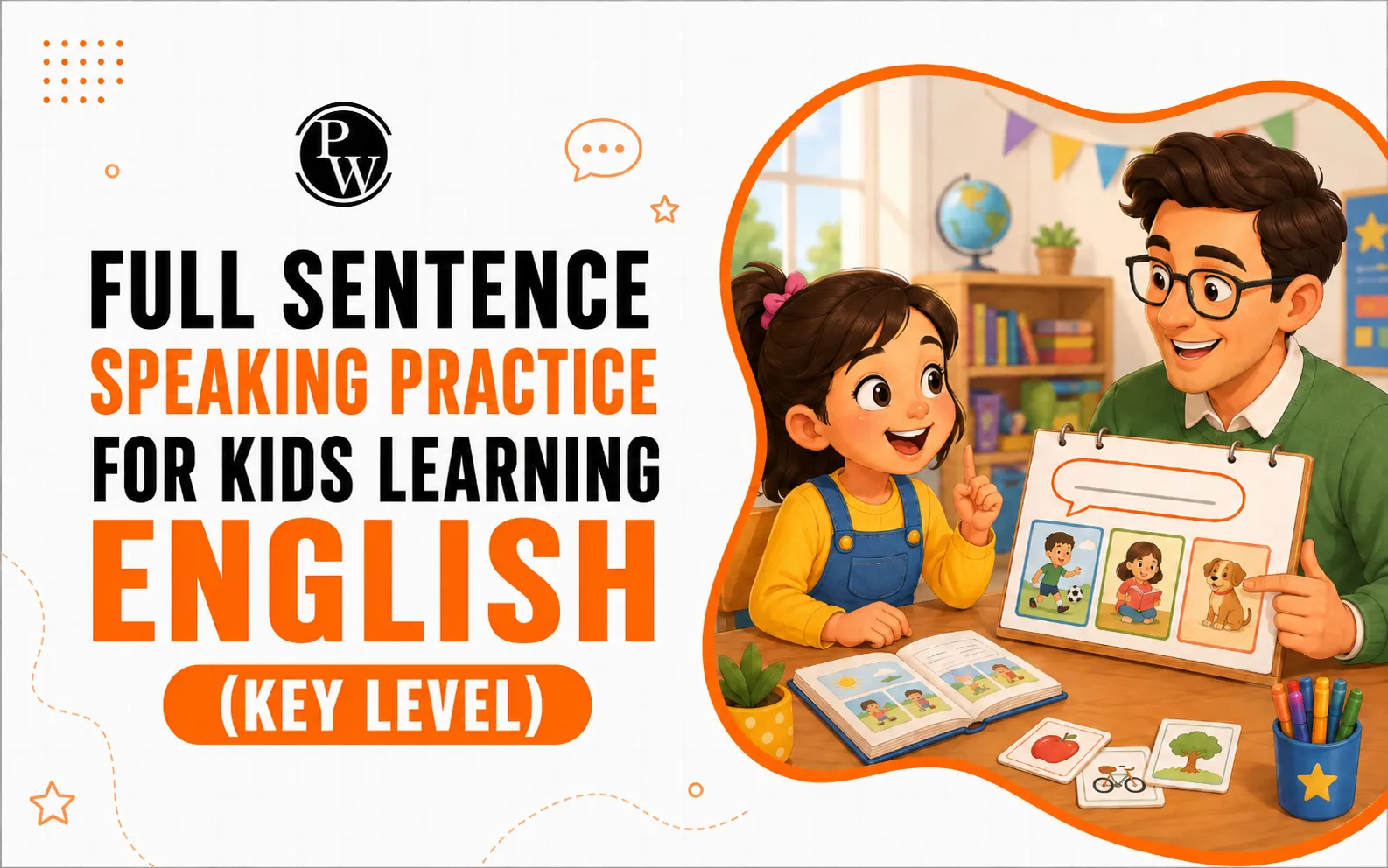
Full Sentence Speaking Practice for Kids Learning English (Key Level)
 Nikita Aggarwal21 May, 2026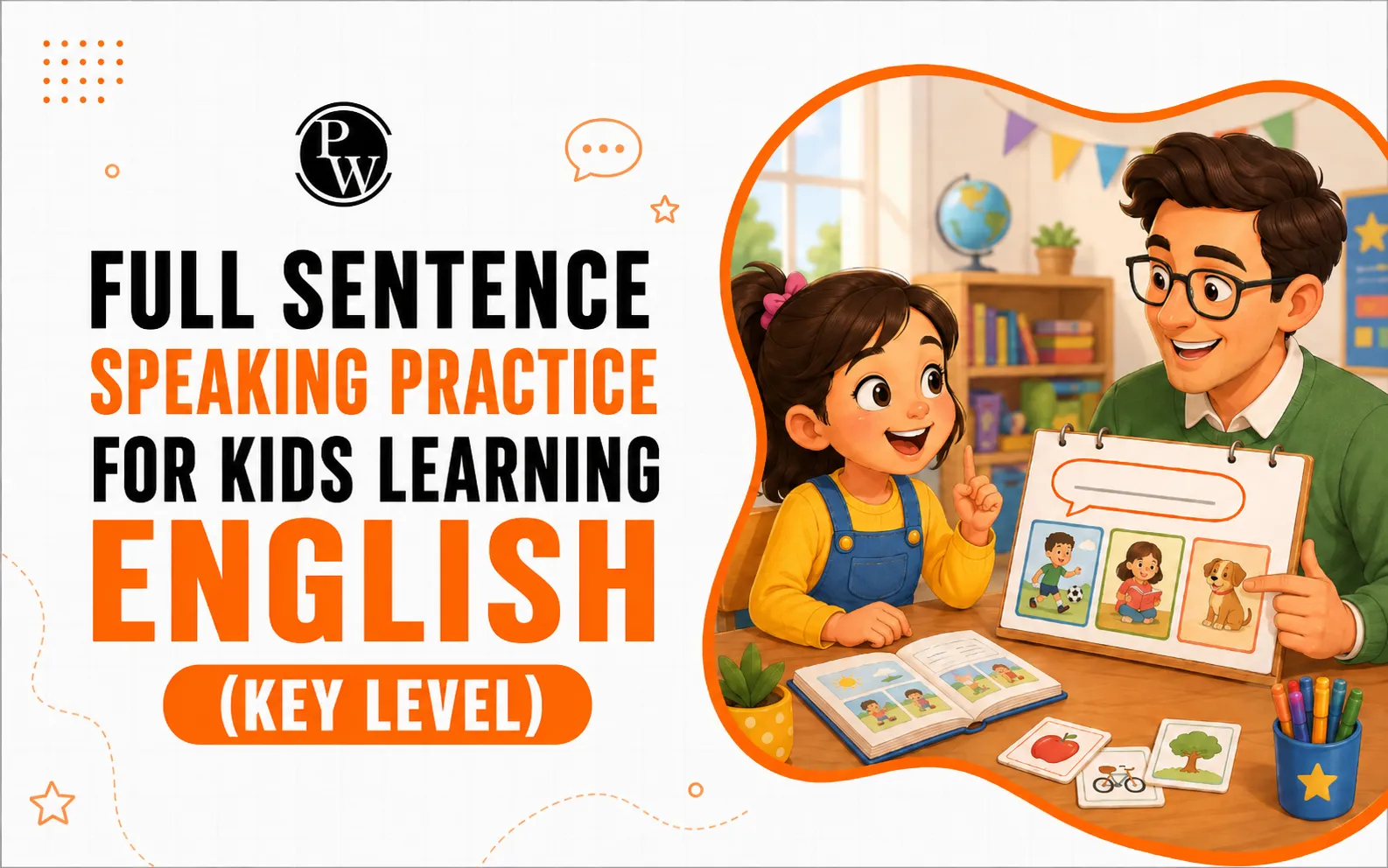
Importance Of Sentence Speaking Practice
Moving past short, one-word answers is a massive milestone for any young student. At this specific English learning key level, children need to do much more than just name objects or repeat simple greetings.
They must learn to connect thoughts logically to handle real-life situations.
-
Better Performance at School: Children who speak in complete sentences find it much easier to write clear essays, stories, and school notes later on.
-
Easier Everyday Conversations: Using full sentences helps children join in on conversations with friends, understand what their teachers need, and follow daily instructions without getting confused.
-
Natural Language Habits: Regular practice trains the brain to group words together automatically. This stops the awkward pausing where a child tries to translate words in their head.
When children engage in regular kids conversation practice, they learn that language is a tool to share their feelings, describe their hobbies, and explain their choices to the world around them.
Sentence Speaking Practice Framework
The absolute best way to help young kids speak in full sentences is to give them a simple, repeatable structure. Young learners need a reliable pattern to lean on when they are trying to organize their words out loud. Building strong grammar speaking skills through regular practice helps children form correct sentences more confidently and communicate their thoughts more clearly in everyday conversations.
1. The Substitution Table Tool
A substitution table is a fantastic tool for structured speaking English practice. It lets children see how a single sentence pattern can change completely just by swapping a few words around. This builds immense confidence because the main framework stays exactly the same.
|
Start of the Sentence |
Action / Verb Choice |
Detail / Object Choice |
The Full Finished Sentence |
|
I love to... |
play |
football in the garden. |
I love to play football in the garden. |
|
I love to... |
read |
funny comic books at night. |
I love to read funny comic books at night. |
|
He wants to... |
eat |
a large slice of chocolate cake. |
He wants to eat a large slice of chocolate cake. |
|
We decided to... |
visit |
the local toy shop on Saturday. |
We decided to visit the toy shop on Saturday. |
2. The "Step-by-Step Extension" Method
You can encourage your child to expand on short answers by slowly adding specific details like a place, a time, or a reason. Guide them through this step-by-step process by asking very simple follow-up questions:
-
The Short Start: "I played a game."
-
Add a Place (Where?): "I played a game in the school park."
-
Add a Friend (With whom?): "I played a game in the school park with my best friend."
-
Add a Time (When?): "I played a game in the school park with my best friend yesterday afternoon."
Read More - Build Vocabulary without Memorizing (Level Key)
Interactive Sentence Speaking Practice for Everyday Life
Turning language practice into a silly, interactive game keeps children from feeling bored or stressed. Short, daily activities make learning look like playtime while building permanent speaking habits.
The Tense Shifting Drill
At the A2 Key level, learning how to change sentences based on time is a core requirement. Give your child a simple, basic sentence about today, and challenge them to change it for yesterday and tomorrow. This forms the foundation of great sentence speaking drills at home.
-
Happening Now (Present): "I eat a delicious yellow banana."
-
Happened Before (Past): "I ate a delicious yellow banana this morning."
-
Happening Later (Future): "I will eat a delicious yellow banana after school."
The "Happy / Unhappy" Story Game
This lively game keeps kids thinking quickly. You and your child take turns building a story, sentence by sentence, changing between good news and bad news. The only rule is that every single turn must be a fully completed sentence.
-
Parent: "Happily, we found a huge box of toys in the attic today."
-
Child: "Unhappily, the key to open the toy box was completely missing."
-
Parent: "Happily, a friendly little puppy found the key under the rug."
-
Child: "Unhappily, the puppy ran out into the garden with the key in its mouth."
Read More - Daily 5 Sentence Practice for English Fluency (Level Key)
Weekly Plan for Sentence Speaking Practice
Consistency is the absolute secret to helping kids build lasting language habits. Here is a simple, clear weekly routine that parents can follow easily at home to encourage full sentence habits.
|
Day of the Week |
What Activity to Do |
The Main Speaking Goal |
|
Monday |
The Daily Story Recap |
Say three full sentences about the most exciting part of the school day. |
|
Tuesday |
Time Shifting Game |
Practice changing simple actions from the past to the future for ten minutes. |
|
Wednesday |
CuriousJr Live Lesson |
Take part in live discussions, vocabulary games, and group talks with online peers. |
|
Thursday |
The Connector Challenge |
Combine two separate thoughts into one sentence using words like because or but. |
|
Friday |
The Photo Challenge |
Look at a family picture and use four detailed sentences to describe exactly what is happening. |
How CuriousJr Helps with Sentence Speaking Practice?
While practicing with family at home is helpful, a structured online course provides the professional guidance needed to truly master. CuriousJr English learning online classes offers a specialized language program built specifically for children aged 10 to 12.
1. Small Group Live Classrooms
CuriousJr keeps its online classes very small, with only 4 to 5 learners per class. This small setup means your child never gets ignored or left behind. Every single student gets plenty of time to talk out loud, read stories, ask questions, and receive friendly corrections without feeling shy.
2. The Clever Two-Teacher Model
Every single live session uses an innovative two-teacher system to give your child maximum support:
-
The Main Educator: One qualified teacher runs the live lesson, explains the grammar rules, and leads the interactive speaking games.
-
The Learning Mentor: A second teacher focuses entirely on answering individual doubts, tracking how much your child speaks, and giving instant help.