Understanding Grammar but Unable to Speak Naturally? (Preliminary Level)
 Nikita Aggarwal25 May, 2026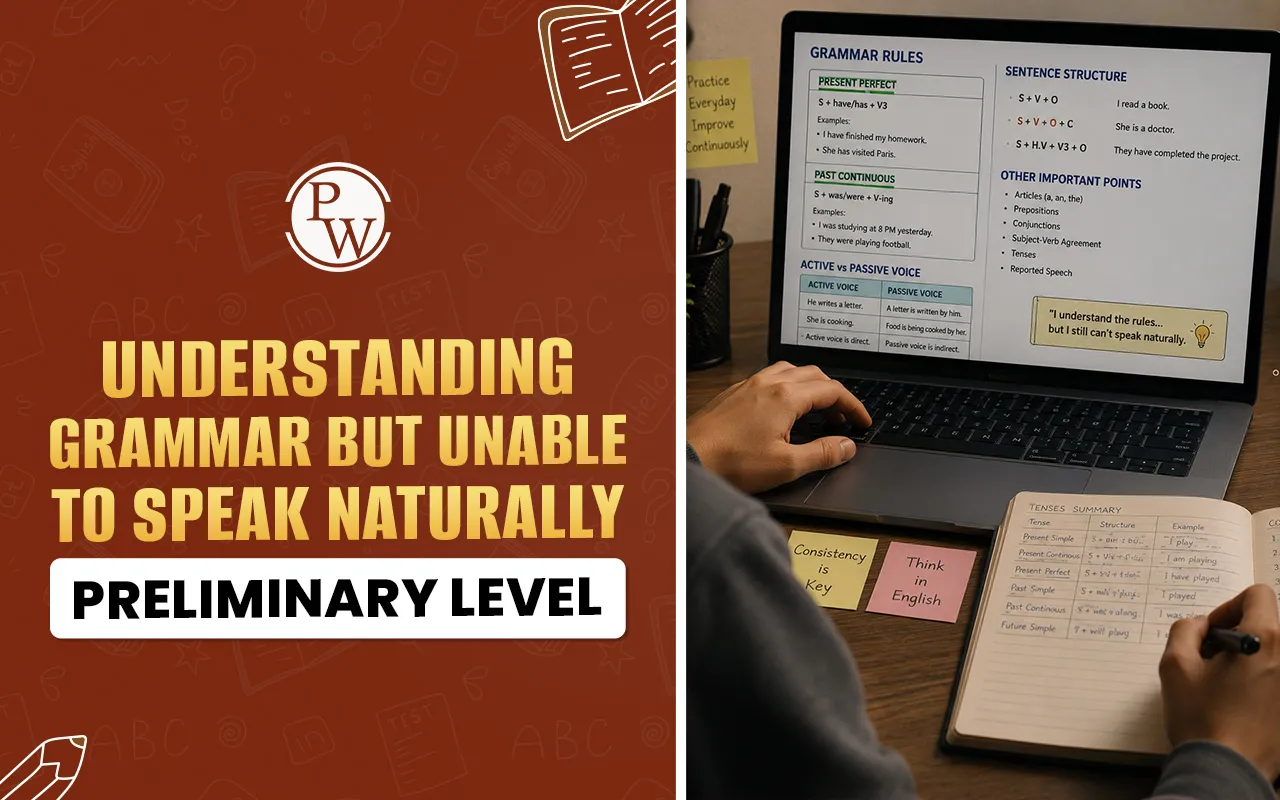
Why Kids English Learning Online Improves Communication Skills
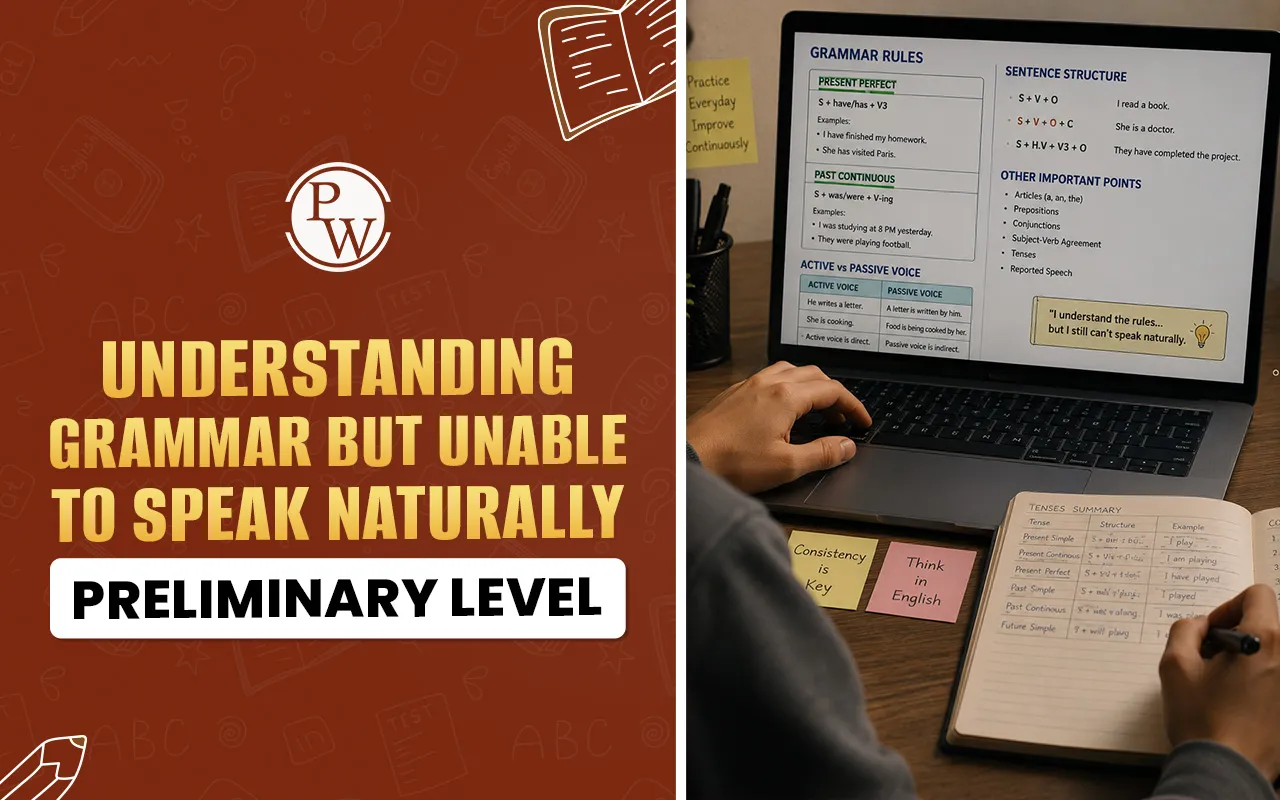
The biggest reason children struggle to speak is that they are "translating" in their heads. They think of a sentence in their native language, apply a grammar rule, and then try to say it. This process is too slow for natural conversation and often creates a grammar speaking gap where children understand rules but cannot use them naturally while speaking. Effective online platforms change this by encouraging kids to think directly in English through visual aids and interactive tasks.
When children engage with learning online, they are exposed to native-like speech patterns. Instead of just learning that "he" takes "is," they hear and use the phrase in context. This helps children become more comfortable using English naturally, making the transition from knowing grammar to speaking it much smoother.
How Kids English Learning Online Solves Speaking Problems
The fear of making a mistake is a massive barrier for students at the preliminary level. In a traditional classroom, a child might be embarrassed to speak up. Online environments often feel safer, allowing them to practice without the pressure of a large audience. This helps in overcoming the common English speaking problem kids experience when they are too focused on being "perfect."
-
Low-Stakes Environment: Practicing through digital games and 1:1 sessions reduces anxiety.
-
Instant Feedback: Learners get corrected immediately in a supportive way.
-
Consistent Exposure: Speaking for 15 minutes daily is better than one long weekly class.
-
Focus on Flow: Sessions prioritise being understood over perfect syntax.
Kids English Learning Online for Better Fluency
At the preliminary level, students are expected to handle simple, everyday communication. However, a fluency development issue often arises when the curriculum is too heavy on theory. If a child knows the "Past Simple" but has never told a story about their weekend, the knowledge remains "silent."
Bridging this involves moving from "passive" learning to "active" production. The table below shows the difference between traditional grammar focus and a speaking-led approach:
|
Feature |
Grammar-Heavy Approach |
Speaking-Led Approach |
|
Goal |
Passing written tests |
Holding a conversation |
|
Child's Role |
Listening and taking notes |
Participating and responding |
|
Error Handling |
Focus on every small mistake |
Focus on clarity and "getting the message across" |
|
Result |
High test scores, low confidence |
Functional use of the language |
Read More - English Fluency Activities That Improve Faster Responses (Preliminary Level)
Daily Practice Tips for Kids English Learning Online
Consistency is the secret to natural speech. You cannot learn to ride a bike by reading a manual; you have to pedal. Similarly, learning online provides the "pedalling" time needed to turn grammar rules into habits. Parents can support this by encouraging small bursts of English learning practice at home.
-
Narrate the Day: Ask your child to describe what they are doing while making a sandwich or packing their bag.
-
Voice Recording: Let them record a short message on a phone and listen back to it. This builds self-awareness.
-
Roleplay: Act out a shopkeeper and customer scenario to practice functional phrases.
-
Interactive Tools: Use apps that require the child to speak back to the screen to progress.
Common Challenges in Kids English Learning Online
The preliminary level is a transition phase. Students are moving from basic words to structured sentences. This is where the "plateau" often happens. They know enough to be frustrated but not enough to feel free. To move past this, the focus should shift toward "collocations"—words that naturally go together.
Instead of learning "heavy" and "rain" separately, they should learn them as "heavy rain." This reduces the mental load during speech. High-quality kids english learning online resources use these clusters to help kids sound more like native speakers.
Read More - Paragraph Speaking Practice for Preliminary Level Students
Choosing the Right Kids English Learning Online Platform
Choosing a platform requires looking for one that balances the Cambridge Preliminary standards with modern teaching techniques. It isn't just about screen time; it is about the quality of the interaction. A good program for English learning preliminary level should ensure the child spends at least 70% of the lesson time actually speaking rather than just clicking buttons.
When looking online, check if the syllabus aligns with international standards. This ensures that while the child is having fun and gaining confidence, they are also progressing steadily in English learning preliminary level skills required for their age group.
How CuriousJr Supports Kids English Learning Online
The curriculum is designed to transform "silent" grammar knowledge into active communication skills. Through engaging content and structured modules, CuriousJr online English classes help children navigate the complexities of the English language with ease. It turns the daunting task of speaking into an achievable, daily habit.
-
Aligned with Global Standards: Follows the Cambridge framework for proven results.
-
Student-Centric Design: Focuses on the interests and energy levels of younger learners.
-
Interactive Progress: Tracks how well a child is moving from simple sentences to complex ideas.
-
Holistic Growth: Balances reading, writing, listening, and—most importantly—speaking.