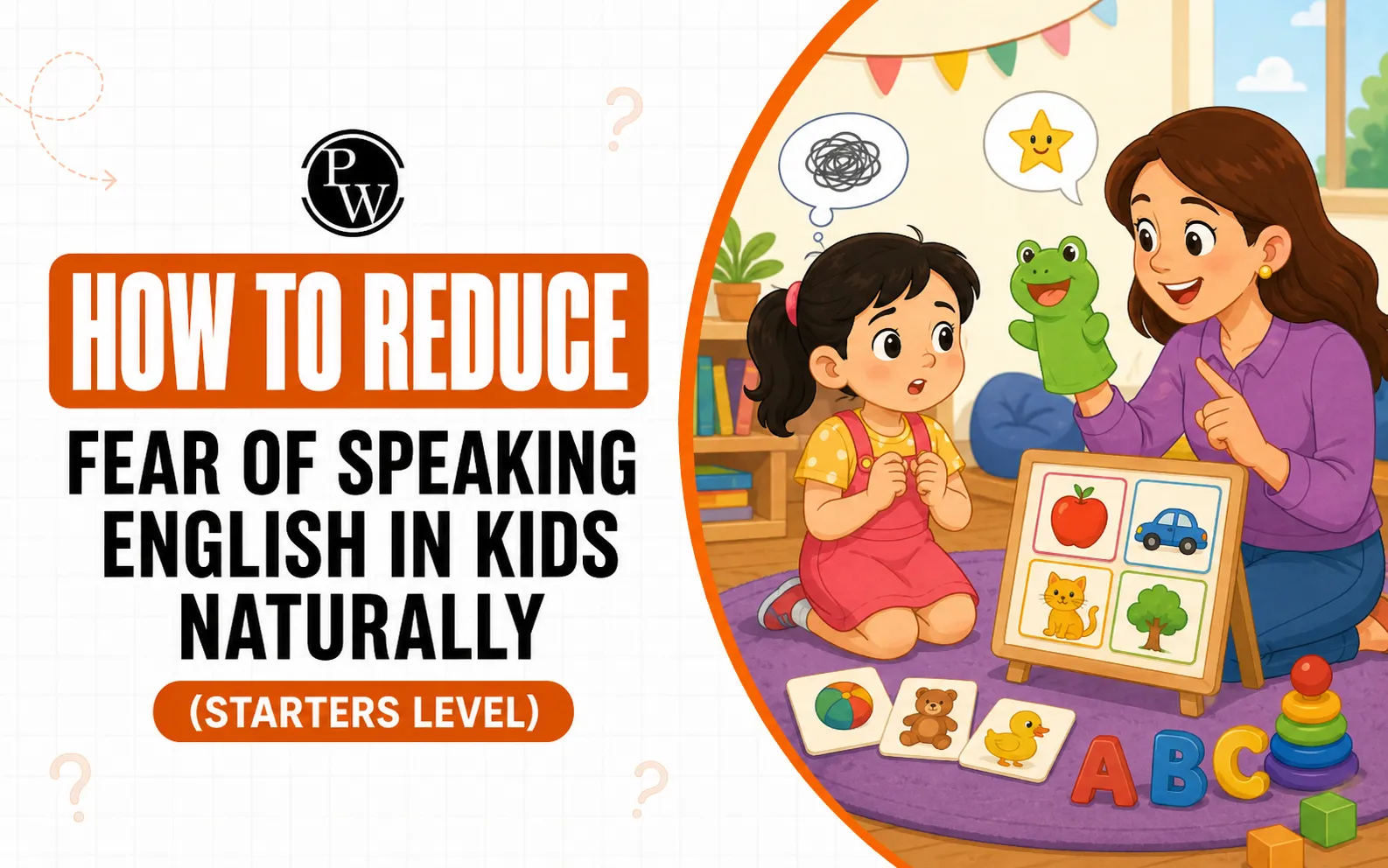
How to Reduce Fear of Speaking English in Kids Naturally (Starters Level)
 Nikita Aggarwal25 May, 2026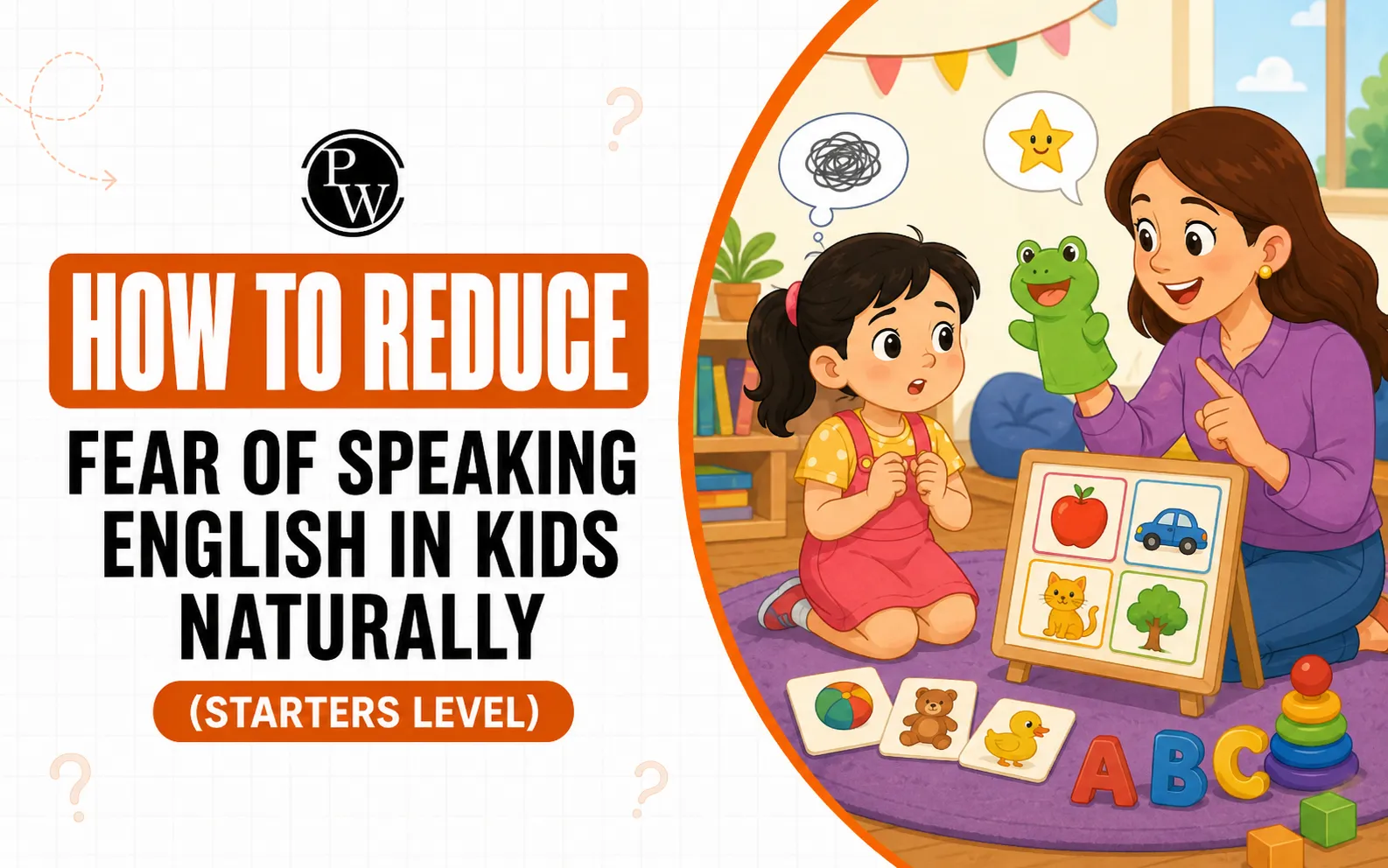
Why Kids Need to Reduce Fear of Speaking English
Before jumping into solutions, it is vital to understand why children feel hesitant. At the Starters Level, kids are often worried about getting a word wrong or being laughed at by peers. This performance anxiety can cause a mental block, making it hard for them to recall words they actually know.
When we focus on reducing fear of speaking English, we are essentially looking to lower the "Affective Filter." This is a psychological barrier that can affect learning when a child feels stressed or self-conscious. If the filter is high, the language doesn't "stick." If the filter is low, the child absorbs English naturally through their environment.
Play-based Activities to Reduce Fear of Speaking English
One of the most effective ways to build confidence is to stop "teaching" and start "playing." For kids at the Starters Level, games are the primary way they process the world. When a child is focused on winning a game or solving a puzzle, they forget to be nervous about their sentence structure.
-
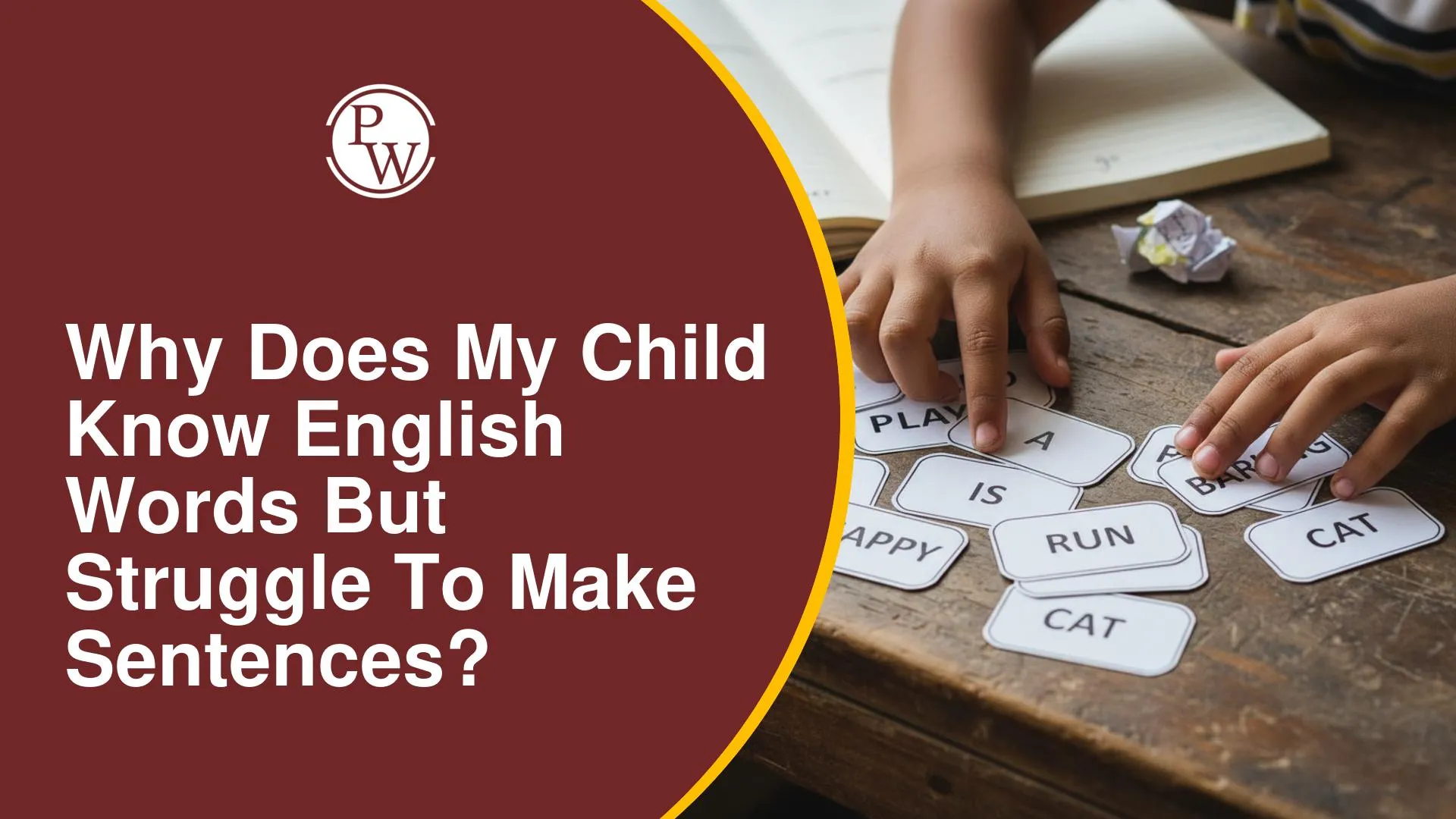
Picture Description Games: Use colourful cards to have the child name objects or describe what they see.
-
Roleplay Scenarios: Set up a "toy shop" or a "doctor’s clinic" at home. This provides a functional context for speaking.
-
Action Songs: Using music helps with rhythm and pronunciation without the pressure of a formal conversation.
By integrating these ideas, you turn a stressful task into an enjoyable daily habit.
How to Create an Environment to Reduce Fear of Speaking English?
A child’s home should be a "mistake-friendly" zone. If a child is constantly corrected on their grammar, their English speaking fear will likely increase. They will start to value silence over incorrect speech to avoid being "wrong."
To provide effective language anxiety help, parents should:
-
Model Mistakes: Occasionally "forget" a word yourself and show how you find it.
-
Focus on Meaning: If the child says "I goes to park," respond with "Oh, you went to the park? That’s lovely!" instead of stopping them to correct the verb tense.
-
Positive Reinforcement: High-five them for trying a new word, regardless of how it sounded.
Beginner Fluency Tips to Reduce Fear of Speaking English
Building fluency at the Starters Level is about frequency, not duration. Five minutes of happy chatting is better than an hour of forced drills. Here are some fluency tips to keep things light:
-
Use Visual Aids: Children at this level rely heavily on what they see. Use posters, flashcards, and real-life objects to prompt speech.
-
Narrate Daily Life: Talk about what you are doing while you do it. "I am peeling the orange. It is orange and round."
-
Puppet Interaction: Often, a child who is too shy to talk to an adult will happily talk to a hand puppet or a stuffed animal.
These methods act as a bridge, moving the child from silent observation to active participation.
Read More - English Listening Activities Using Short Stories (Starters Level)
Speaking Practice Ideas to Reduce Fear of Speaking English
Consistency is the key to helping kids deal with fear of speaking English. You do not need a formal classroom setting to practice. Every interaction is an opportunity for growth.
The "Show and Tell" Method
Every day, have your child choose one item in their room and tell you three things about it. For example, “It’s red. It's an automobile. It’s quick.” This develops the habit of making basic statements.
Listening and Mimicry
Utilise audio stories or short cartoons. Ask the child to repeat a witty phrase or a catchphrase of a character. This helps with the physical mechanics of speaking, without the burden of having to think of your own sentences.
Interactive Apps and Tools
Using tools specifically designed for the English learning starters level can make a huge difference. Programs that use gamified rewards keep children engaged and eager to unlock the next level of speech.
How to Overcome Fear of Speaking English
Anxiety is often physical. A child might get a tummy ache or go very quiet when they know they have to speak English. To reduce fear of English speaking, we must address these feelings directly.
-
Deep Breathing: Teach your child to take a big breath before they speak.
-
Visualisation: Have them imagine they are their favourite superhero who speaks English perfectly.
-
Wait Time: Give the child plenty of time to process what they want to say. Do not finish their sentences for them.
Patience is the most powerful tool in your arsenal. When children feel you are not in a rush, they feel less pressured to perform instantly.
Daily Habits to Reduce the Fear of Speaking English
To make English feel natural, it must be part of the furniture. It shouldn't be a "subject" that comes out only during homework time.
-
English Breakfast: Try to name everything on the breakfast table in English.
-
Label the House: Put stickers on the fridge, the door, and the bed. Seeing the words daily makes them less intimidating.
-
Bedtime Stories: Read English books together. Ask simple "Where is the...?" or "What colour is...?" questions.
When English is woven into the fabric of daily life, the "fear" element begins to evaporate. The child stops seeing it as a foreign entity and starts seeing it as a tool for communication.
Strategies for Teachers to Reduce Fear of Speaking English
If you are an educator, your role is to be a facilitator rather than a judge. To reduce fear of English speaking in a classroom:
-
Group Work: Kids often feel safer speaking in small groups than in front of the whole class.
-
Choral Response: Having the whole class repeat a word together takes the spotlight off individuals.
-
Positive Correction: Instead of saying "No, that's wrong," say "Good try! Let's try it this way."
A good classroom environment is the foundation for successful language learning. When students witness their friends make mistakes and are supported, they are more likely to take risks themselves.
Read More - Pronunciation Practice Activities for Starters Level Kids
Techniques to Reduce the Fear of Speaking English
Building a confident speaker takes time. It is a journey of small steps, not a sprint. By using these fluency tips and speaking activities, you can transform your child’s relationship with the English language.
-
Always prioritise communication over grammar.
-
Use games and music to lower stress levels.
-
Celebrate the effort, not just the result.
-
Keep practice sessions short and fun.
As the child grows more comfortable, you will notice their hesitation fading, replaced by a natural curiosity and a willingness to speak up.
How CuriousJr Helps Reduce Fear of Speaking English
CuriousJr is designed to enhance the confidence of Starters Level children in English via engaging, beginner-friendly activities. CuriousJr online English learning class is about establishing a comfortable learning environment for youngsters to practise speaking without the strain of perfect grammar or formal classroom stress.
Through animated lessons, storytelling exercises, and gamified speaking activities, children eventually get comfortable in utilising English for ordinary interactions. Visual learning tools, basic vocabulary activities and engaging audio content designed to assist young learners develop pronunciation and communication abilities naturally.
CuriousJr also promote regular practice via engaging quizzes, roleplay based assignments and interactive courses built around the Cambridge Starters architecture. This slow approach can assist children to eliminate uncertainty, gain confidence in speaking and enjoy learning English at their own speed.