Sight Word Reading Practice for Starters Level Learners
 Nikita Aggarwal25 May, 2026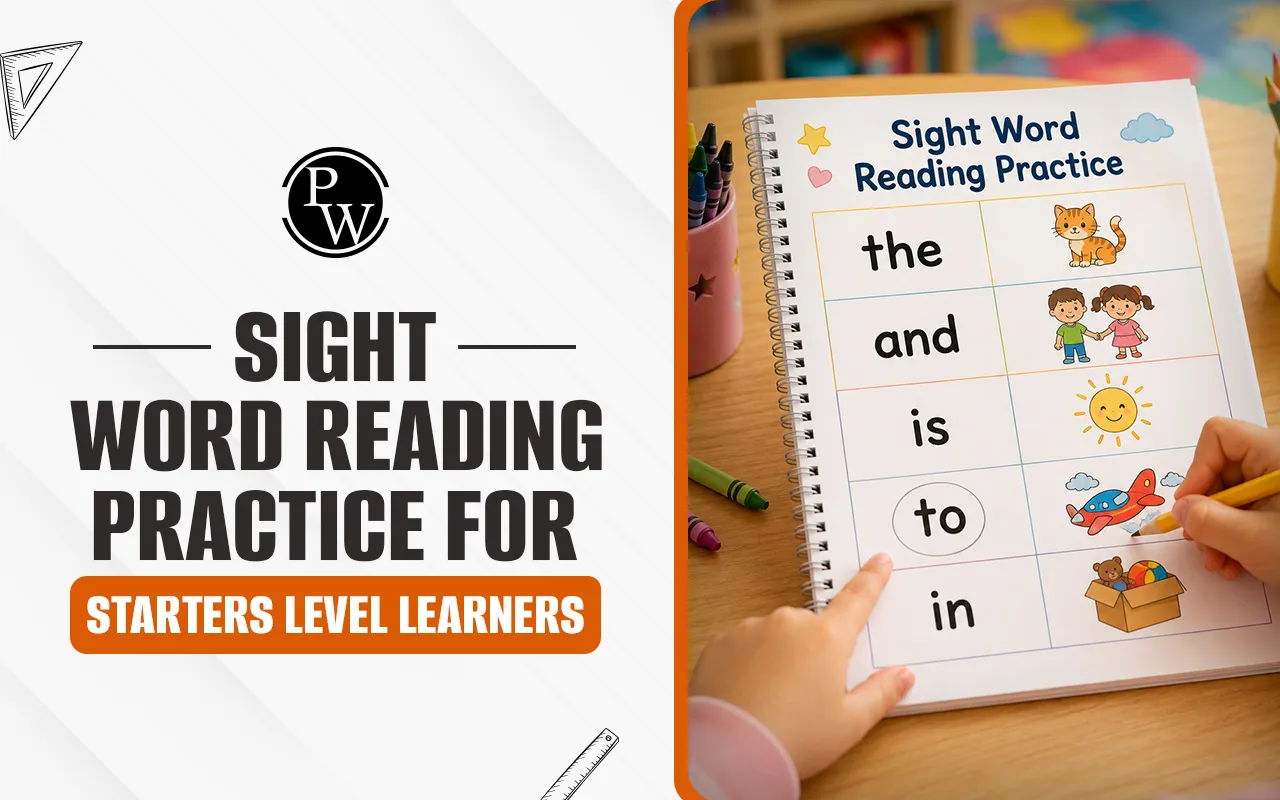
Importance of Sight Word Reading Practice
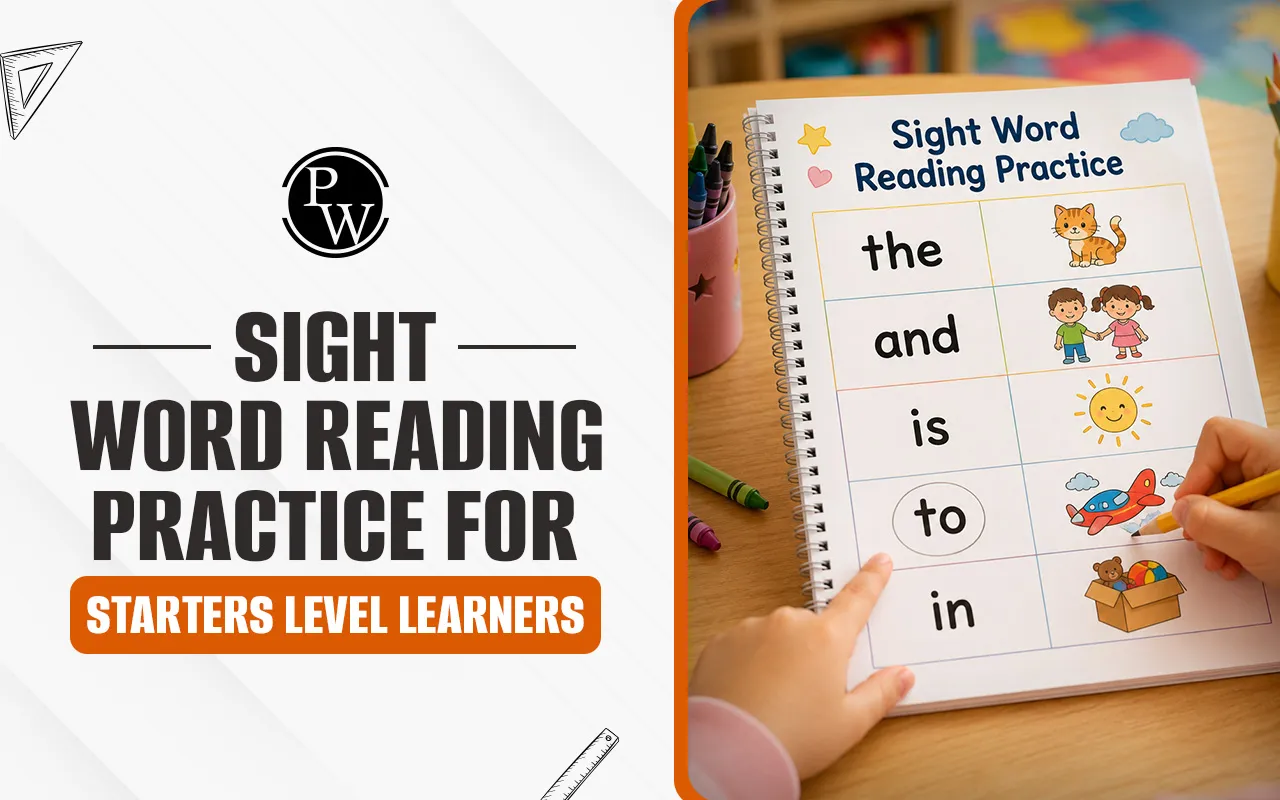
When children first start their literacy journey, they often rely on phonics to blend sounds together. However, many of the most common words in English do not follow standard phonetic rules. This is where sight word exercises become essential. It allows a student to build a bank of familiar words they can recognise quickly.
These words make up a huge percentage of the text found in children’s books. By learning them, students gain:
-
Increased Reading Speed: No more pausing to decode "the," "was," or "of."
-
Better Comprehension: When recognition is automatic, the brain can focus on the story's meaning.
-
Confidence: Seeing familiar words on a page makes a child feel like a "real" reader.
-
Fluency: It helps in developing a natural rhythm and expression while reading aloud.
Words for Sight Word Reading Practice
For those at the starters level, the focus should be on short, common words that appear in almost every sentence. The following table categorises some of the most important words to include in your sight word reading sessions.
|
Category |
High-Frequency Sight Words |
|
Basic Pronouns |
I, you, he, she, it, we, they |
|
Common Verbs |
am, is, are, was, were, go, see |
|
Connectors |
and, but, or, for, with |
|
Articles |
a, an, the |
|
Prepositions |
in, on, at, to, from |
Using these words as a foundation ensures that beginner reading practice remains manageable and doesn't overwhelm the learner with complex vocabulary too early.
Ways to Start Sight Word Reading Practice
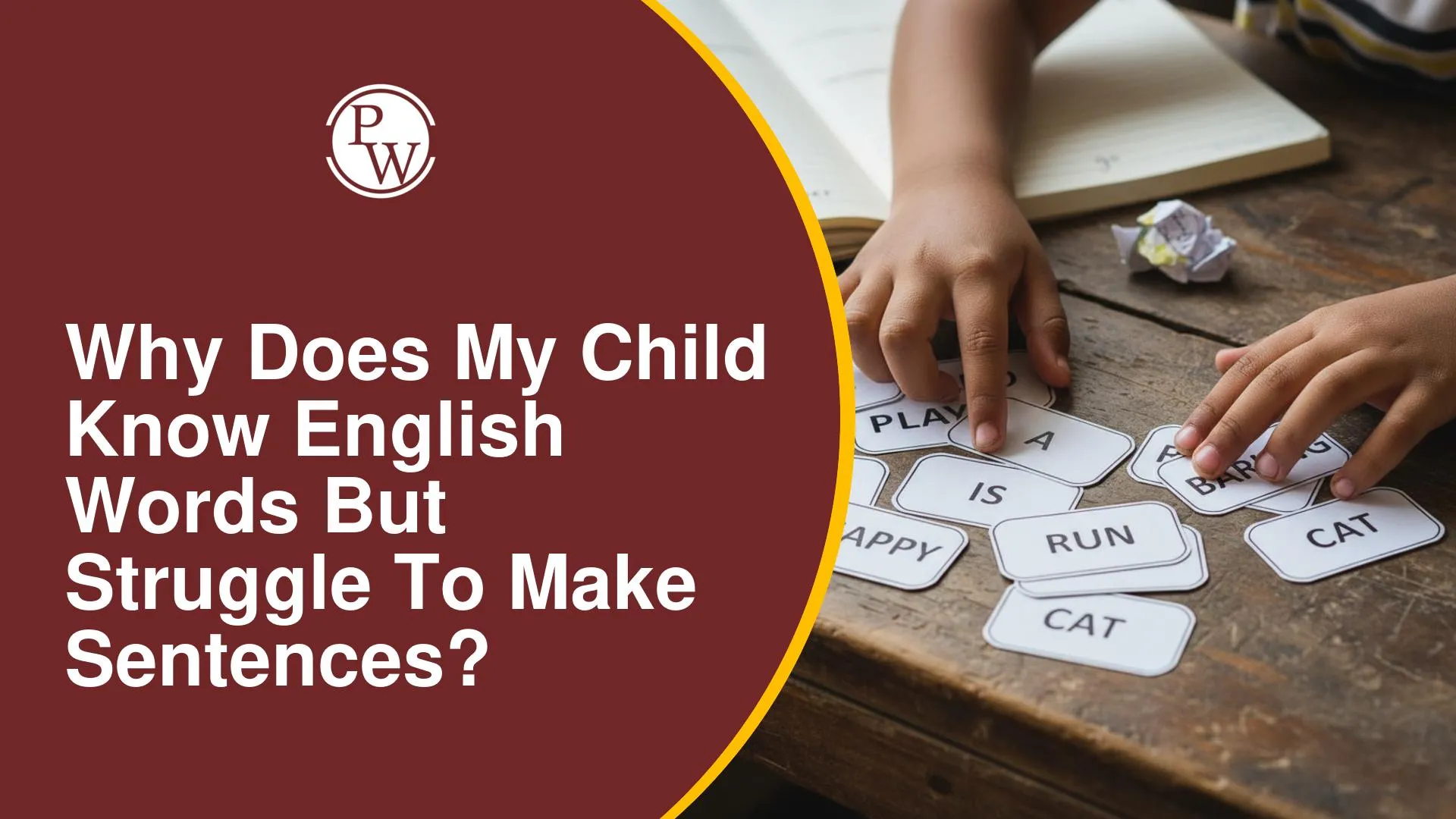
Sitting down with a list of words can be boring for a young child. To make the process effective, you need to turn recognition into a game. Engaging the senses helps the brain retain the shapes of the words more effectively.
Here are some interactive methods to enhance English word recognition:
-
Word Hunts: Hide word cards around the room and have the child "find and read" each one.
-
Sand Writing: Use a tray of sand or salt. Let the child trace the word with their finger while saying it aloud.
-
Flashcard Speed Rounds: See how many words they can recognise in 60 seconds to build speed.
-
Sight Word Bingo: Create a simple grid with sight words and call them out for the child to mark.
-
Build the Word: Use magnetic letters or clay to physically construct the word on a table.
These activities transform a standard lesson into a fun challenge, ensuring that early reading skills are developed through play rather than rote memorisation.
Read More - Confidence Test: Can Your Child Speak This? (Level Starters)
Interactive Sight Word Practice
Keeping a young learner engaged requires moving beyond simple flashcards. Interactive methods ensure that sight word reading exercise remains the highlight of their study routine rather than a chore. By involving physical movement and sensory play, children are more likely to move these words from their short-term memory into long-term recognition.
Here are a few effective strategies to make beginner reading practice more dynamic:
-
The "Parking Lot" Game: Draw a "parking lot" on a sheet of paper and write a sight word in each space. Ask the child to "drive" a toy car into the space labeled "the" or "and."
-
Sight Word Path: Tape word cards to the floor in a winding path. To move forward, the child must step on the card and read the word aloud. This links physical movement with English word recognition.
-
Flashlight Tag: Stick word cards to the wall and turn off the lights. Shine a flashlight on a word and have the child identify it as quickly as possible.
-
Word Building Blocks: Write individual letters on plastic building blocks. Challenge the student to stack the letters in the correct order to build a specific sight word.
These interactive sessions help build early reading skills by making the learning process tactile. When a child associates a word with a specific action or game, the neural pathways for English learning starters level become stronger and more resilient.
Read More - Daily 5 Sentence Practice for English Fluency (Level Starters)
Building Sentences with Sight Word Reading Practice
Once a child can recognise individual words, the next step is putting them into context. A word like "see" is much more meaningful when used in a sentence like "I see the cat." This transition is a vital part of sight word reading exercises because it teaches how words function together.
Try using simple sentence frames to help children practise. You can provide the sight words and let them fill in the noun:
-
I see a [dog/ball/car].
-
The [apple/cat/sun] is red.
-
He can [run/jump/play].
-
We go to the [park/shop/school].
Using repetitive sentence structures helps reinforce the sight words while giving the child a sense of accomplishment as they finish a full sentence independently.
Tracking Progress in Sight Word Reading Practice
It is helpful to keep a record of which words the learner has mastered. This prevents them from getting bored with words they already know and ensures you are introducing new ones at the right pace. A simple "Word Wall" or a sticker chart can be highly motivating.
When evaluating progress in English learning starters level, look for these signs:
-
The child recognises the word instantly (within 3 seconds).
-
They can identify the word in different fonts or handwriting.
-
They can find the word within a storybook, not just on a flashcard.
-
They can use the word correctly in a spoken sentence.
Consistency is more important than quantity. Spending 10 minutes every day on sight word reading exercises is far more effective than a single one-hour session once a week.
Tools for Sight Word Reading Practice
In the modern classroom or home environment, digital tools can provide a structured way to reinforce these skills. Interactive platforms offer visual and auditory cues that are perfect for children who are just starting to explore the English language.
CuriousJr provides a dedicated pathway for young learners to build these foundational literacy skills through the Starters level curriculum. By integrating word games and guided reading, it ensures that children remain engaged while they develop the consistent recognition skills needed for faster reading.
How CuriousJr Helps with Sight Word Reading Practice
The Starters level at CuriousJr online kids English class is specifically designed to align with international standards, ensuring that children gain a globally recognised foundation in English. Through structured lessons that include sight words practice, the platform helps students progress from basic letter sounds to reading full sentences with ease. This curriculum supports parents and teachers by providing a clear roadmap for progress, making the transition to primary school English much smoother for every young learner.