Why Vocabulary at the A1 Movers Level Goes Beyond School Textbook Words
 Nikita Aggarwal16 Jun, 2026
How to Improve English Vocabulary Beyond Class 3 and 4 Textbooks
Many parents notice that their children achieve excellent marks in school English exams but struggle to speak or understand the language in real-world scenarios. Standard school curricula in primary education generally focus on rote memorisation and local exam patterns. This creates a significant gap between academic scores and actual communication skills.
In a typical classroom, the Class 3 4 English vocabulary taught is largely limited to the chapters of the stories and repetitive exercises. This limited focus doesn’t prepare young learners for unexpected conversations or global standards of proficiency. To build real confidence, children need exposure beyond the pages of their prescribed school books.
Benefits of Learning Cambridge A1 Movers Vocabulary
Expanding a child's word bank using international benchmarks transforms how they perceive communication. Relying solely on local school systems can restrict a child’s linguistic growth during their most critical formative years.
The table below highlights the differences between traditional school vocabulary models and a global framework.
|
Feature |
Standard School English |
Cambridge A1 Movers Framework |
|
Primary Focus |
Memorising text answers and passing local exams |
Practical communication and functional usage |
|
Word Variety |
Limited to textbook chapters and fixed exercises |
Diverse, thematic, and everyday language |
|
Skill Assessment |
Reading and writing through direct questions |
Listening, speaking, reading, and writing |
|
Contextual Depth |
Low; words are rarely used in diverse contexts |
High; words apply to real-life situations |
Transitioning to a broader language framework ensures that children do not just memorise words but actually learn how to deploy them in daily interactions.
How Cambridge Movers Vocabulary Helps Children Communicate Better
When children learn Cambridge Movers vocabulary, they study language sorted by practical, real-world themes. Instead of isolated word lists, they engage with categories like health, home, sports, and the natural world.
Thematic structure allows a child to deal with different topics of conversation. So for example they learn specific action words and descriptive adjectives rather than just knowing basic verbs like eat or run. This elaborate style enables them to communicate precise thoughts, feelings and observations explicitly.
Everyday Themes in the Cambridge English Word List
The global standard uses specific categories to make language learning relatable and usable for young minds.
-
Human Body and Health: Words that help children describe how they feel, physical activities, and wellness.
-
The World Around Us: Vocabulary covering weather, ecosystems, animals, and urban environments.
-
Time and Space: Terms that help kids explain schedules, directions, locations, and daily routines.
By mastering the official Cambridge English word list, young learners acquire a practical vocabulary that applies to life outside the classroom.
Read More - Daily 5 Sentence Practice for English Fluency (Level Movers)
Understanding A1 Level English Vocabulary Standards
International benchmarks define language skills based on what a child can actually do with the words they know. True proficiency means a student can use their knowledge spontaneously in writing and speech.
An effective English vocabulary A1 level curriculum requires learners to recognise sounds, follow spoken instructions, and describe pictures in their own words. School textbooks often skip these interactive elements, focusing instead on fill-in-the-blank questions and direct spelling tests.
Key Competencies Developed Through Global Benchmarks
-
Listening Comprehension: Recognising spoken words in various accents and contexts.
-
Visual Literacy: Describing scenes, actions, and objects using appropriate adjectives.
-
Interactive Speaking: Answering unexpected questions naturally without rehearsing specific text answers.
Ways to Build Your Child's English Vocabulary Beyond School
Parents can help their children by providing a range of reading materials, interactive games and language routines in the home. School homework alone is rarely enough to develop global fluency.
To successfully extend vocabulary beyond school English, learners must encounter words through multiple channels. This means combining reading, listening, and speaking exercises into an integrated daily routine.
Practical Strategies for Home Learning
-
Thematic Conversations: Pick a daily theme, such as "At the Market", and use specific descriptive words during dinner.
-
Picture Description Games: Ask your child to look at an unfamiliar illustration and describe what is happening using new verbs.
-
Contextual Reading: Choose global storybooks that use diverse terminology rather than simplified local readers.
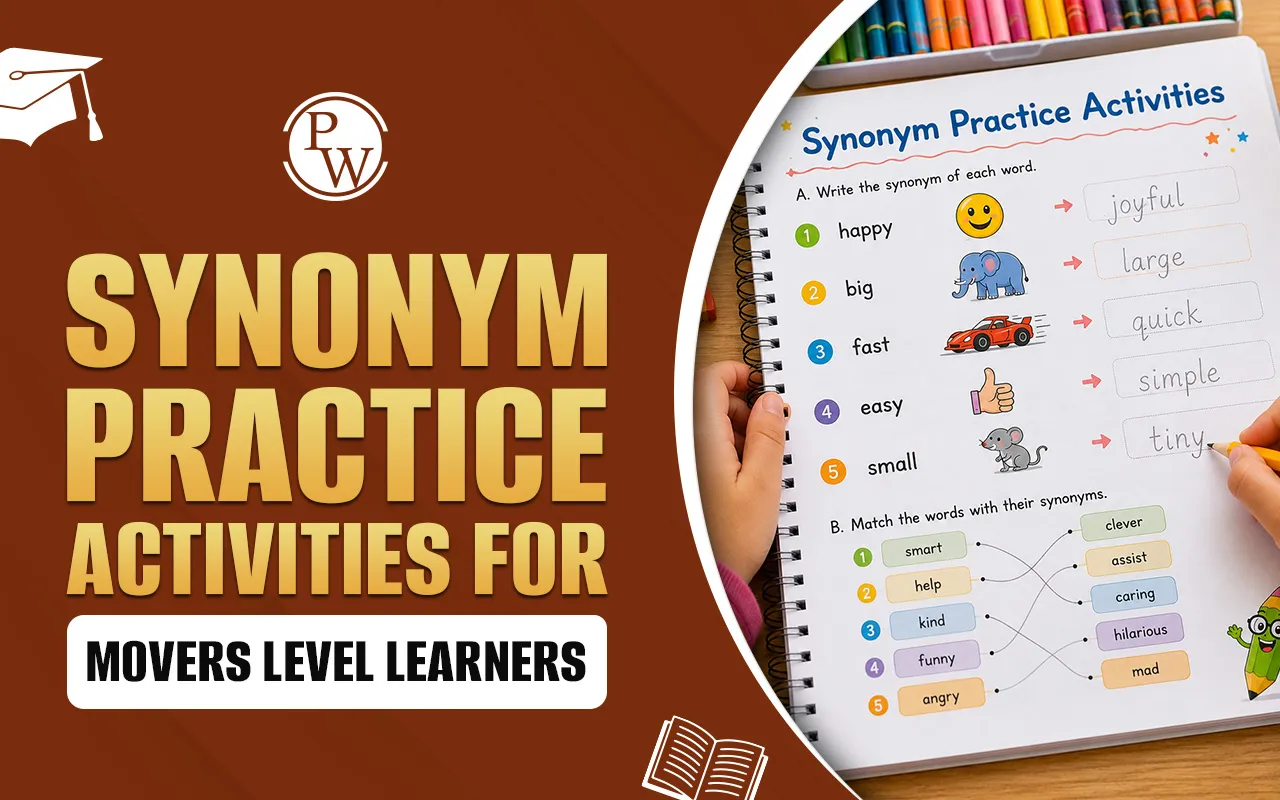
Read More - Synonym Practice Activities for Movers Level Learners
Best Online English Vocabulary Classes for Children
Structured guidance makes a huge difference in how quickly and accurately a child learns new language skills. Independent study can sometimes leave holes in pronunciation and usage.
An online english vocabulary class offered intentionally provides the systematic progression busy parents are unable to always provide at home. These digital spaces combine interactive media, peer discussions and expert mentoring to make the learning of language natural and engaging.
Language learning is much more interactive and children learn things much quicker. They become active users of the language, rather than passive listeners, easily preparing them for international standards.
Enhance Cambridge A1 Movers Vocabulary with CuriousJr
Building a deep understanding of English requires a curriculum designed specifically for young minds. Standard school systems often miss the interactive tools needed to make global vocabulary stick.
CuriousJr English Learning Movers Platform bridges this gap by aligning interactive, child-friendly modules with international standards. Through gamified lessons and immersive themes, the platform helps children learn vocabulary Cambridge A1 Movers beyond textbook limitations, ensuring they develop genuine communication skills for the future.




Why Vocabulary at the A1 Movers Level Goes Beyond School Textbook Words FAQs
How does the Cambridge A1 Movers vocabulary differ from standard Class 3 school books?
Why should primary school students learn words outside their school syllabus?
What is the best way to test if my child knows English at an A1 level?
Can online classes help my child learn real-world English vocabulary effectively?

Get Free Counselling Today
and Clear up all your Doubts
 Live & recorded classes available at easeDashboard for progress trackingLakhs of practice questions