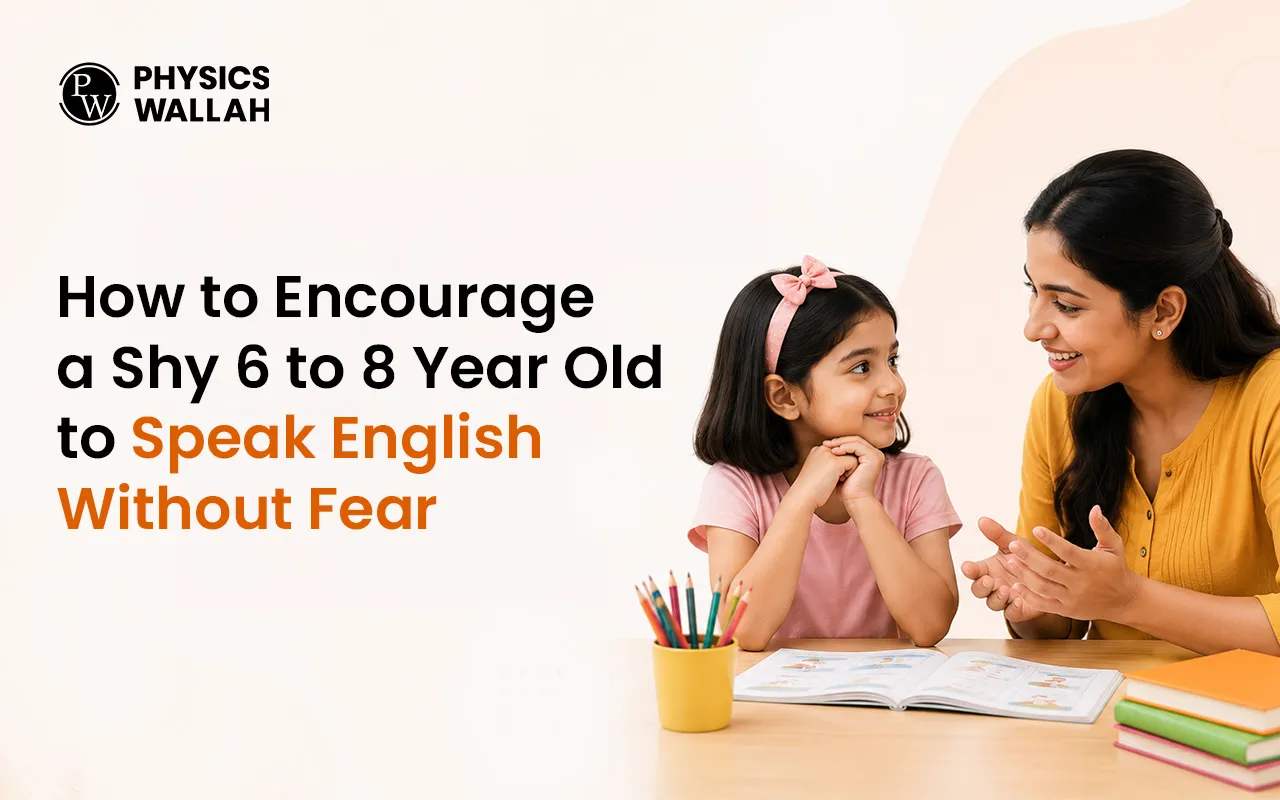
How to Encourage a Shy 6 to 8 Year Old to Speak English Without Fear
 Nikita Aggarwal16 Jun, 2026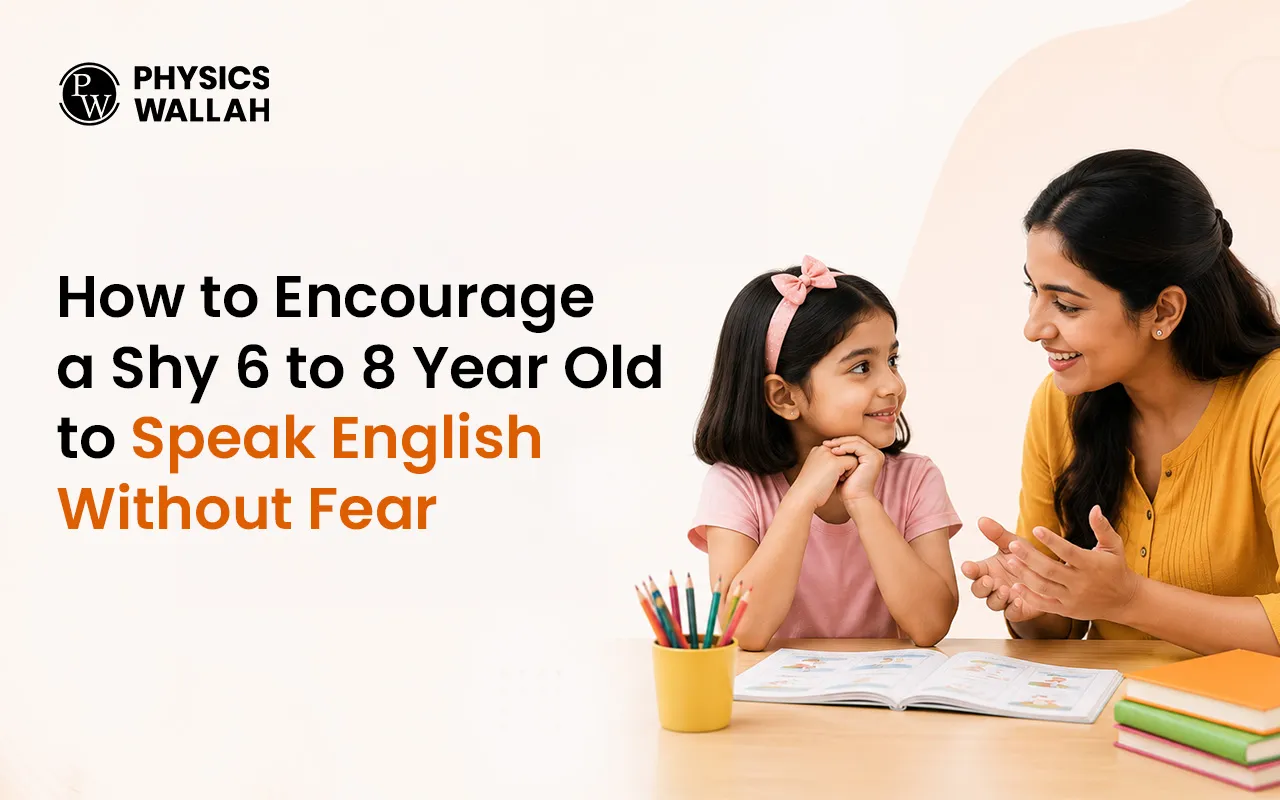
Why is it Hard to Encourage Shy Child to Speak English?
Young children often experience a silent period when learning a second language. During this phase, they absorb vocabulary and sentence structures without actively producing them. For English speaking 6 to 8 year olds, this stage can last several months, which is a completely healthy part of bilingual development.
Forcing a quiet learner to talk before they’re ready usually doesn’t work; it causes them to withdraw more. Knowing the reasons behind their silence will enable parents to develop a more supportive structure at home.
Common Barriers to English Communication
-
Fear of Criticism: Children worry about mispronouncing words or being corrected too harshly.
-
Performance Anxiety: Being put on the spot by adults creates emotional pressure that blocks speech.
-
Lack of Peer Practice: Regular school environments sometimes focus more on reading and writing than low-pressure speaking.
Practical Ways to Encourage Shy Child to Speak English at Home
Creating a comfortable environment at home is the most effective way to lower a child's affective filter. When the pressure to perform is removed, language naturally begins to flow.
The following table offers everyday shifts parents can make to turn stressful corrections into encouraging chats.
|
Traditional Approach (High Pressure) |
Encouraging Approach (Low Pressure) |
|
Asking direct questions like "Say this in English." |
Using parallel talk to describe what you are doing. |
|
Correcting pronunciation mistakes immediately. |
Repeating the sentence correctly without pointing out the error. |
|
Testing vocabulary with flashcards constantly. |
Playing interactive games where English is part of the fun. |
Use Daily Routines for Casual Practice
You can easily incorporate language into everyday tasks without making it feel like a lesson. For instance, while cooking dinner, you can describe the ingredients out loud. Ask your child to pass the "red tomato" or the "big spoon" to build their vocabulary contextually.
Another great way to do low-stress conversations is through bedtime stories. Don't ask comprehension questions, encourage your child to point to visuals or guess what comes next in simple sentences.
Read More - What to Expect From a Pre A1 Cambridge English Class for Beginners
Games That Encourage Shy Child to Speak English
Play is the native language of young children. When kids are deeply engaged in a game, their self-consciousness disappears, allowing them to use new words freely.
The following list details simple, engaging activities that require minimal setup but offer high language rewards for shy kids English speaking confidence.
-
The Guessing Bag: Place familiar household items inside an opaque bag. Have your child reach in, feel an object, and use simple adjectives like "smooth," "rough," "big," or "small" to describe it before pulling it out.
-
Puppet Roleplay: Quiet children often find it much easier to speak through a persona. Use hand puppets or stuffed animals to ask simple questions. Your child can answer using the puppet's voice, which removes the personal pressure of speaking.
-
Simon Says with a Twist: Take turns being the leader. This encourages your child to use imperative verbs and action words in a structured, predictable format.
How to Improve English Speaking Confidence in Children
Confidence is built through repeated positive experiences. To support English for introverted children, parents should celebrate communication efforts rather than perfection. If your child manages to say "I want apple," praise their successful communication instead of halting the moment to correct the missing article.
Regularly exposing your child to predictable language situations also helps reduce anxiety. When they know exactly what to expect, they feel more secure in participating.
Tips for Structuring Positive Language Experiences
-
Establish Routine Phrases: Use the same English greetings and farewells every day to build a sense of predictability.
-
Provide Thinking Time: Wait at least ten seconds after asking a question before rephrasing it, giving your child time to process their response.
-
Model Mistakes: Intentionally make small mistakes in your own speech and laugh them off to show that errors are a normal part of learning.
Read More - Learn English Sounds and Words in a Fun Way (Level Starters)
Best Online English Classes for Shy Kids
Home practice is important, but support outside the home can speed the process. A quiet child can be easily drowned out by twenty yelling students in a regular classroom. Instead, a purpose-built digital environment provides a soothing, regulated atmosphere where a youngster can interact at their own pace.
When looking for an online English class for shy kids, prioritize platforms that focus on interactive, gamified learning. Small group sizes or one-on-one formats ensure your child receives gentle attention without feeling exposed or overwhelmed.
Key Features of Supportive Virtual Learning
-
Gamified Curriculum: Learning through puzzles and rewards keeps the focus on fun rather than assessment.
-
Patient Instructors: Teachers trained to work with introverted learners know how to use silence constructively and encourage gentle participation.
-
Visual Learning Tools: Using bright digital props and animations helps bridge the gap when a child lacks the words to express an idea.
How CuriousJr Helps Build English Confidence in Quiet Learners
Finding a program designed specifically for young, hesitant speakers can make all the difference in their language journey. Specialized systems understand that gentle guidance is far more effective than rigid testing for international frameworks.
CuriousJr Starters English Learning platform offers an ideal environment tailored for Cambridge Starters shy learners. By using interactive, story-based modules, the course allows children to engage with the language independently before speaking aloud. This blended approach builds a strong foundation of vocabulary and listening skills, ensuring that when your child is ready to speak, they do so with genuine confidence and minimal anxiety.




How to Encourage a Shy 6 to 8 Year Old to Speak English Without Fear FAQs
How long does the silent period last for a 7-year-old learning English?
Should I correct my child's grammar mistakes immediately when they speak?
Can watching English cartoons help an introverted child speak more?
What should I do if my child refuses to speak English at home?
How can I prepare my quiet child for speaking assessments at school?

Get Free Counselling Today
and Clear up all your Doubts
 Live & recorded classes available at easeDashboard for progress trackingLakhs of practice questions