
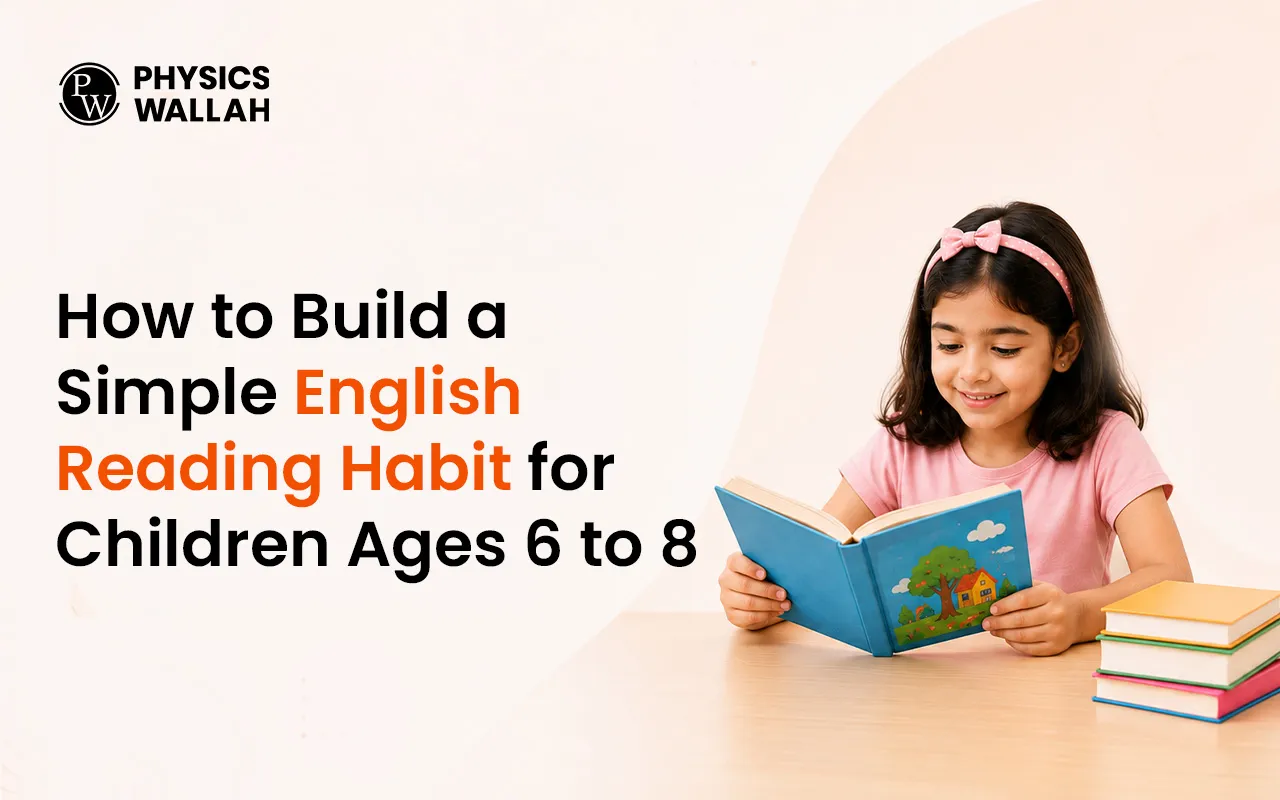
How to Build a Simple English Reading Habit for Children Ages 6 to 8
 Nikita Aggarwal16 Jun, 2026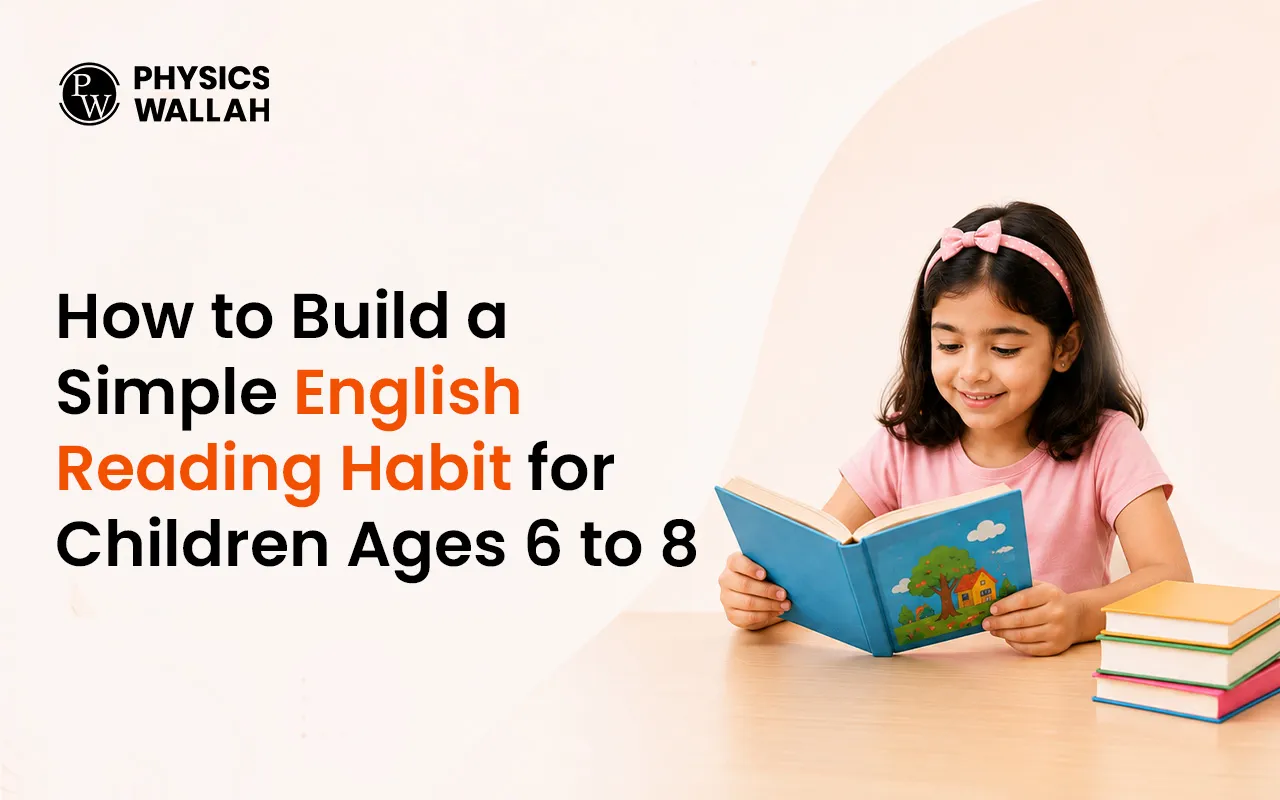
Why is English Reading Habit for Children 6 to 8 Important for Early Learning?
Developing strong literacy skills during the early years shapes a child's academic journey. Between the ages of 6 and 8, the brain is highly receptive to language patterns, making it the perfect window to establish a regular reading routine.
Boosting Vocabulary and Communication
Kids read every day and encounter new words in context and this helps them learn meaning more quickly than just memorising lists. This experience directly supports their speaking and writing.
Enhancing Cognitive Development
Reading regularly works the brain, increases focus and enhances critical thinking skills. Through the stories they read, children learn to follow storylines, to predict events and to understand cause-and-effect relationships.
How to Build a Reading Habit in Young Children
Creating a lifelong love for books does not happen overnight. It requires a supportive environment and a few structured yet fun strategies that fit seamlessly into your daily family life.
The table below outlines a simple weekly plan to introduce reading activities without overwhelming your child:
|
Day of the Week |
Recommended Activity |
Time Commitment |
|
Monday |
Read aloud together before bed |
15 minutes |
|
Tuesday |
Explore interactive phonics games |
10 minutes |
|
Wednesday |
Visit a local library or pick a new digital book |
20 minutes |
|
Thursday |
Practice high-frequency sight words |
10 minutes |
|
Friday |
Act out a short story scene |
15 minutes |
|
Saturday & Sunday |
Independent reading of a favourite book |
15 minutes |
Set a Consistent Daily Reading Time
Pick a specific slot every day, such as right after school or just before bedtime, to read together. Consistency helps children look forward to this time as a relaxing part of their normal schedule.
Create a Comfortable Reading Corner
Designate a quiet, cosy spot in the house filled with accessible books, comfortable cushions, and good lighting. Having a personal library space makes the activity feel special and inviting.
Lead by Example
Children mimic the adults around them. When they see you reading newspapers, novels, or magazines, they realize that literacy is a valuable and enjoyable part of adult life.
Read More - Learn English Sounds and Words in a Fun Way (Level Starters)
Best English Books for 6 to 8 Year Olds
Selecting the correct materials prevents young learners from feeling discouraged by text that is too complex. The right books balance challenge with entertainment to maintain high engagement.
Consider the following list of features when browsing for new titles for your home library:
-
Large and clear fonts: Text should be easy to track with a finger.
-
Vibrant illustrations: Pictures provide visual context clues that aid comprehension.
-
Repetitive sentence structures: Predictable phrasing helps build rhythm and confidence.
-
Engaging, relatable themes: Stories about animals, school, and friendships keep interest high.
Focus on Early Reading Habit for Kids
Start with picture books with brief sentences and high frequency sight words. When your child is ready, start introducing early chapter books. These books have short paragraphs and uncomplicated narratives. They are also trained on larger and larger amounts of text so they never become overwhelmed.
Align with Official Language Frameworks
Look for publications with worldwide standards for young learners. Since they are using basic vocabulary and simple sentence structures to build confidence step by step, Pre A1 English reading level material is perfect at this age.
Benefits of Reading Skills for Kids Online Programs
Digital tools can be an excellent supplement to traditional paper books if used correctly. Many modern platforms offer interactive elements that keep energetic children focused for longer periods.
Interactive Features That Support Learning
Online reading tools often include audio narration, which allows children to hear the correct pronunciation of words as they read along. This multi-sensory approach strengthens the connection between spoken and written language.
Gamified Progress Tracking
Many educational platforms turn literacy milestones into rewarding games. Earning badges or unlocking new story chapters keeps young learners motivated to read every day to see what happens next.
Read More - What to Expect From a Pre A1 Cambridge English Class for Beginners
Benefits of Cambridge Starters Reading Material for Young Learners
Using a structured curriculum ensures that your child learns all the necessary language building blocks in a logical sequence. Standardized materials take the guesswork out of selecting level-appropriate stories.
The structured path generally focuses on three main areas of language development:
-
Word Recognition: Identifying common nouns, verbs, and adjectives instantly.
-
Simple Sentence Construction: Understanding how subject-verb-object structures work.
-
Basic Comprehension: Answering straightforward questions about characters and events in the text.
Structured Progression for Young Learners
Aligning your child’s books with the Cambridge Starters reading criteria ensures they are practicing language skills that match global benchmarks. This framework focuses on practical vocabulary and simple sentence structures, making the learning curve smooth and manageable for early readers.
How CuriousJr Online Resources Support an English Reading Habit for Children 6 to 8
Finding the right balance between fun stories and structured learning can be challenging for busy parents. Interactive digital platforms offer a guided approach that keeps children excited about developing their literacy skills daily.
Through carefully designed paths, children can explore foundational language concepts through engaging, child-friendly content. If you want to give your child a structured start, you can learn more about CuriousJr Starters English learning Course to see how interactive lessons make early language acquisition natural and fun.




How to Build a Simple English Reading Habit for Children Ages 6 to 8 FAQs
How many minutes a day should a 7-year-old read?
What should I do if my child hates reading books?
Is it normal for an 8-year-old to make mistakes while reading aloud?
Should I stop reading aloud to my child once they can read alone?





Get Free Counselling Today
and Clear up all your Doubts
 Live & recorded classes available at easeDashboard for progress trackingLakhs of practice questions

