
What to Expect From a Pre A1 Cambridge English Class for Beginners
 Nikita Aggarwal16 Jun, 2026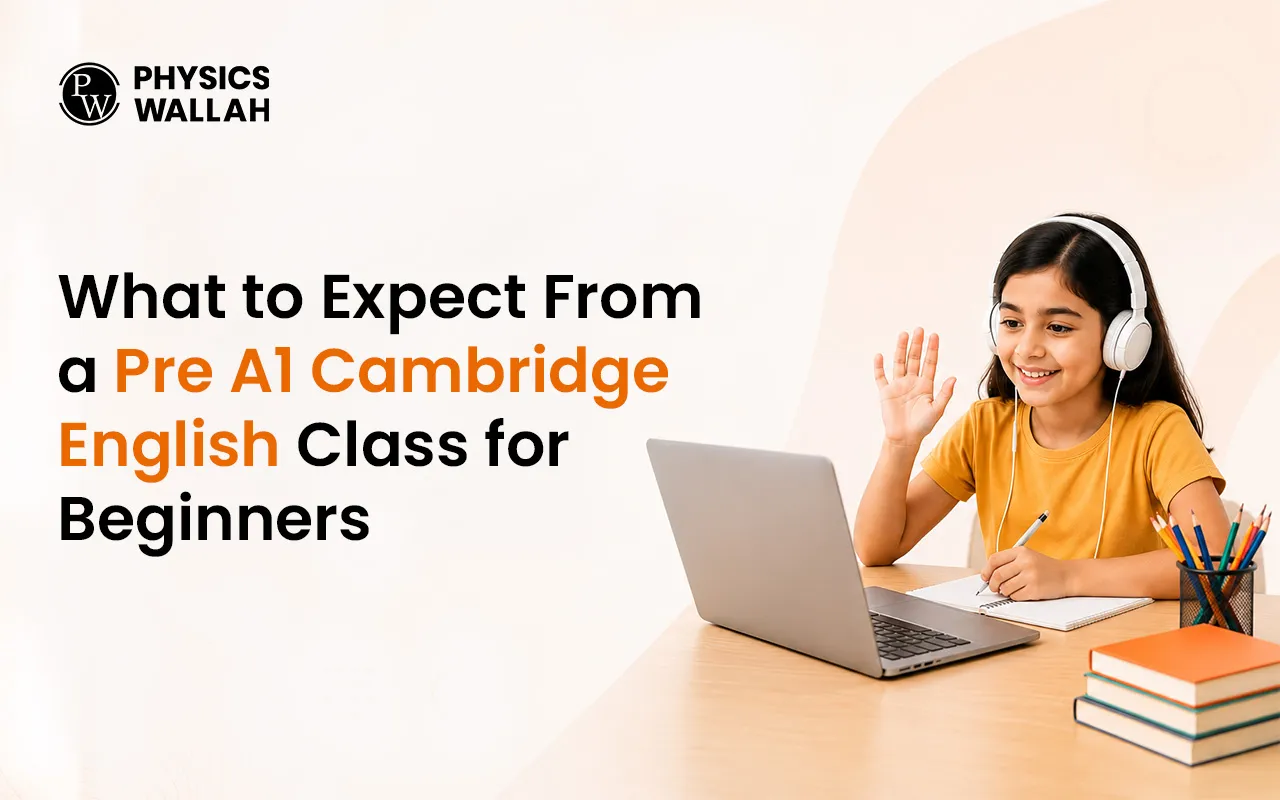
What is a Cambridge Pre A1 Starters English Class Beginners Course?
A Cambridge Pre A1 Starters English class beginners program is the very first step in the Cambridge English Qualifications pathway. This course is specifically designed for young children who are just starting to learn the language. It focuses on everyday English and uses practical, real-world topics to make the learning experience meaningful.
The lectures are arranged according to the cognitive growth of little children. Rather than memorising difficult grammar principles, youngsters learn through familiar topics such as animals, family, colours and toys. This keeps the youngest learners interested and thrilled about their development.
To give you an idea of how this foundation fits into the wider language journey, the following table outlines the early stages of young learner language development:
|
Level Name |
Common European Framework (CEFR) |
Core Focus Area |
Target Age Group (Approximate) |
|
Pre A1 Starters |
Below A1 |
Basic words, simple phrases, and listening |
6 to 7 years old |
|
A1 Movers |
A1 |
Short conversations and basic reading |
8 to 9 years old |
|
A2 Flyers |
A2 |
Complex sentences and detailed writing |
10 to 11 years old |
Why Choose Pre A1 English for Kids as a Starting Point?
Choosing Pre A1 English for kids ensures that your child begins their education with a globally recognised standard. At this early stage, the goal is not to pass intense examinations but to instil a love for learning. The curriculum uses vibrant illustrations and friendly characters to keep stress levels low.
Structured immersion is a huge advantage for early language acquisition. By focusing on the basic blocks, infants develop a natural accent and good listening comprehension from day one. This early exposure makes children comfortable hearing English from diverse people in varied circumstances.
In a good quality beginner English lesson for children, children develop certain skills that aid them in their academic and social life. The following list gives the fundamental benefits of this basic training:
-
Confidence Building: Children learn that making mistakes is a natural part of communication, which removes the fear of speaking.
-
Vocabulary Growth: Lessons introduce hundreds of essential everyday words through pictures and songs.
-
Phonics Mastery: Young learners understand the sounds that letters make, which directly helps their early reading abilities.
-
Social Interaction: Group activities allow children to practice speaking with peers, improving their social skills.
Read More - Speak English in Short Phrases (Level Starters)
What Happens Inside an Online English Pre A1 Classroom?
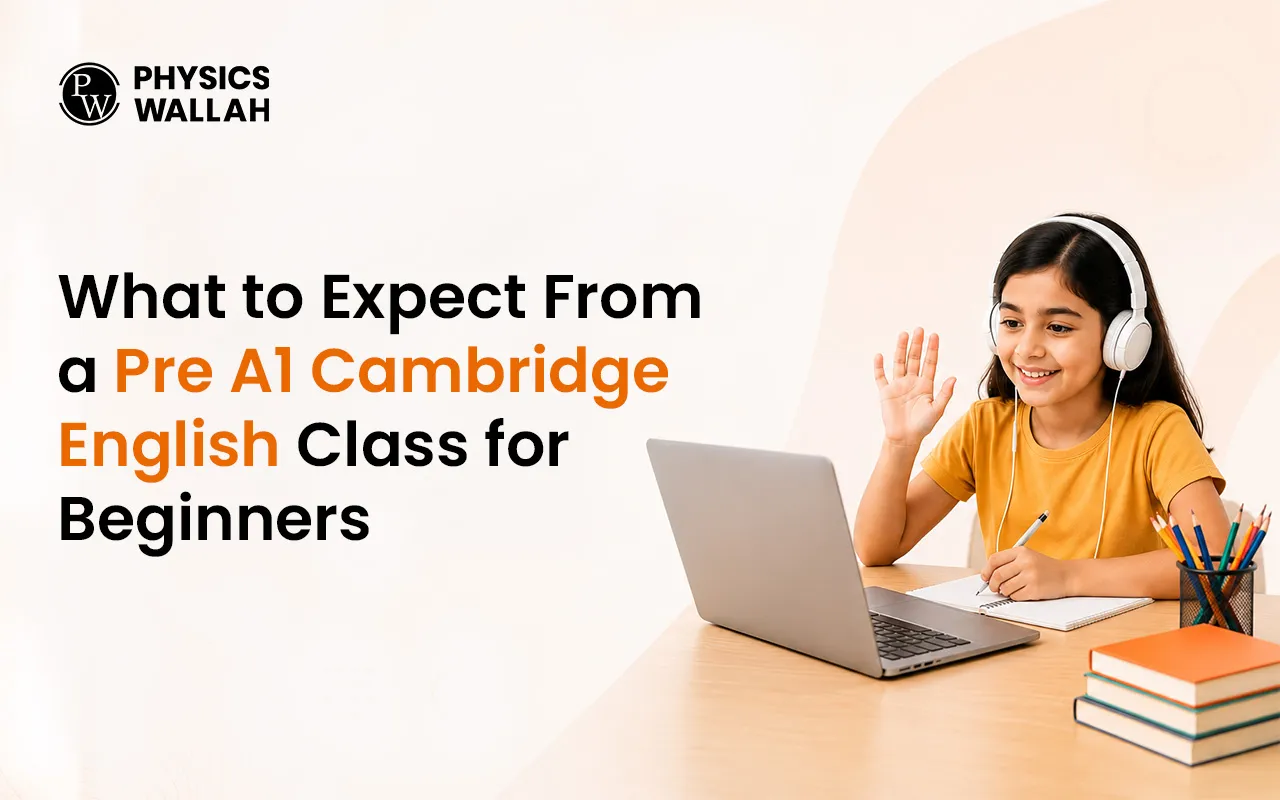
An online English Pre A1 classroom is lively, dynamic, and highly interactive. Unlike traditional lecture-style lessons, these sessions are broken down into short, energetic activities to match the attention spans of young students. Instructors use digital props, flashcards, and animations to keep everyone focused.
A typical session combines several language skills so that children are never bored. For example, a session might start with a joyful welcome song, then a quick picture matching game, and end with a simple speaking activity. Such variation maintains the vitality and helps to keep things moving.
To help parents understand how a standard session is structured, the breakdown below illustrates a typical forty-five-minute class routine:
-
Warm-Up (5 Minutes): A simple song or greeting routine to get children comfortable speaking in English.
-
Vocabulary Introduction (10 Minutes): Showing new words using colourful images, physical objects, or digital flashcards.
-
Interactive Practice (15 Minutes): Educational games, drawing tasks, or matching exercises to reinforce the new vocabulary.
-
Speaking and Listening (10 Minutes): Short question-and-answer pairs between the teacher and students.
-
Wrap-Up and Review (5 Minutes): A quick recap game and positive praise for everyone's efforts.
Skills Taught in a Cambridge English Lessons
A Cambridge Starters English lesson focuses on four fundamental pillars of communication, adjusted for early learners. Reading and writing are kept highly visual, ensuring children do not feel overwhelmed by text. Listening and speaking are prioritised to build immediate conversational confidence.
Students learn to identify objects around them, follow simple classroom instructions, and answer basic questions about themselves. The curriculum ensures that every child can progress at a comfortable pace while meeting international language benchmarks.
The following sections highlight exactly what children practice within each core language skill during their sessions:
Listening Skills
Children practice listening for specific information, such as names, colours, or numbers. They learn to follow simple verbal directions given by the teacher, like "pick up the red pencil" or "point to the cat."
Speaking Skills
Speaking tasks focus on producing simple, one-word answers or short phrases. Children practice introducing themselves, stating their age, and talking about their favourite items or animals during a interactive Cambridge Pre A1 Starters English class beginners session.
Reading and Writing Skills
Writing is limited to spelling simple words, copying letters, and ticking boxes next to correct answers. Reading involves matching words to the correct pictures and reading very short, basic sentences.
Read More - Build Strong Vocabulary Through Stories (Starters Level)
Benefits of English for 6 Year Olds Online Learning
Enrolling in English for 6 year olds online matches the natural window for language development. At this age, a child's brain is highly receptive to learning new languages without the self-consciousness that older students often feel. Online learning fits perfectly into this phase by providing a safe, familiar environment at home.
Digital tools allow for personalized learning paths that keep young minds engaged. Interactive quizzes, clickable rewards, and bright animations turn lessons into something children look forward to every week. This positive association with learning helps build long-term academic motivation.
Parents can support this developmental stage by setting up a reliable, quiet study space. The list below highlights the key elements needed to create a successful home learning environment:
-
A Dedicated Workspace: A quiet corner with a child-sized desk and a comfortable chair away from household distractions.
-
Reliable Technology: A computer or tablet with a working webcam, a clear microphone, and a stable internet connection.
-
Visual Aids: Keeping a few physical toys, coloured pencils, or a small whiteboard nearby for hands-on activities.
-
Encouragement: Offering praise after each session to reinforce their hard work and boost their confidence.
What to Look for in a Cambridge Starters Online Platform
Finding the right Cambridge Starters online provider requires looking for platforms that understand early childhood education. The best programs employ certified teachers who know how to manage young, energetic learners online. Small class sizes are also essential so that every child receives individual attention.
The curriculum should always align with official international standards while remaining flexible enough to adapt to your child's unique learning speed. A good platform provides clear progress updates so that parents know exactly how their child is advancing through the modules.
When parents look for a comprehensive platform that balances official standards with an engaging, child-friendly environment, CuriousJr provides an exceptional option. Through their specialized courses, young learners receive the perfect introduction to the English language in a warm, welcoming virtual space.
CuriousJr Cambridge Pre A1 Beginners Course
Enrolling your child in a tailored course on CuriousJr ensures they receive the highest quality introduction to the English language. CuriousJr Pre A1 Starters English learning course combines expert teaching methods with interactive, gamified content that keeps children excited about every single lesson. By focusing on real-world communication and positive reinforcement, students build the foundational skills necessary to excel in school and beyond.




What to Expect From a Pre A1 Cambridge English Class for Beginners FAQs
What age is best suited for a Cambridge Pre A1 Starters English class beginners course?
Do children need to know how to read before starting Pre A1 English for kids?
How long does a typical online English Pre A1 lesson last?
Can parents sit with their children during a Cambridge Starters online session?
What materials do we need for a beginner English class for children?




Get Free Counselling Today
and Clear up all your Doubts
 Live & recorded classes available at easeDashboard for progress trackingLakhs of practice questions

