Daily 5 Sentence Practice for English Fluency (Level Movers)
 Nikita Aggarwal14 May, 2026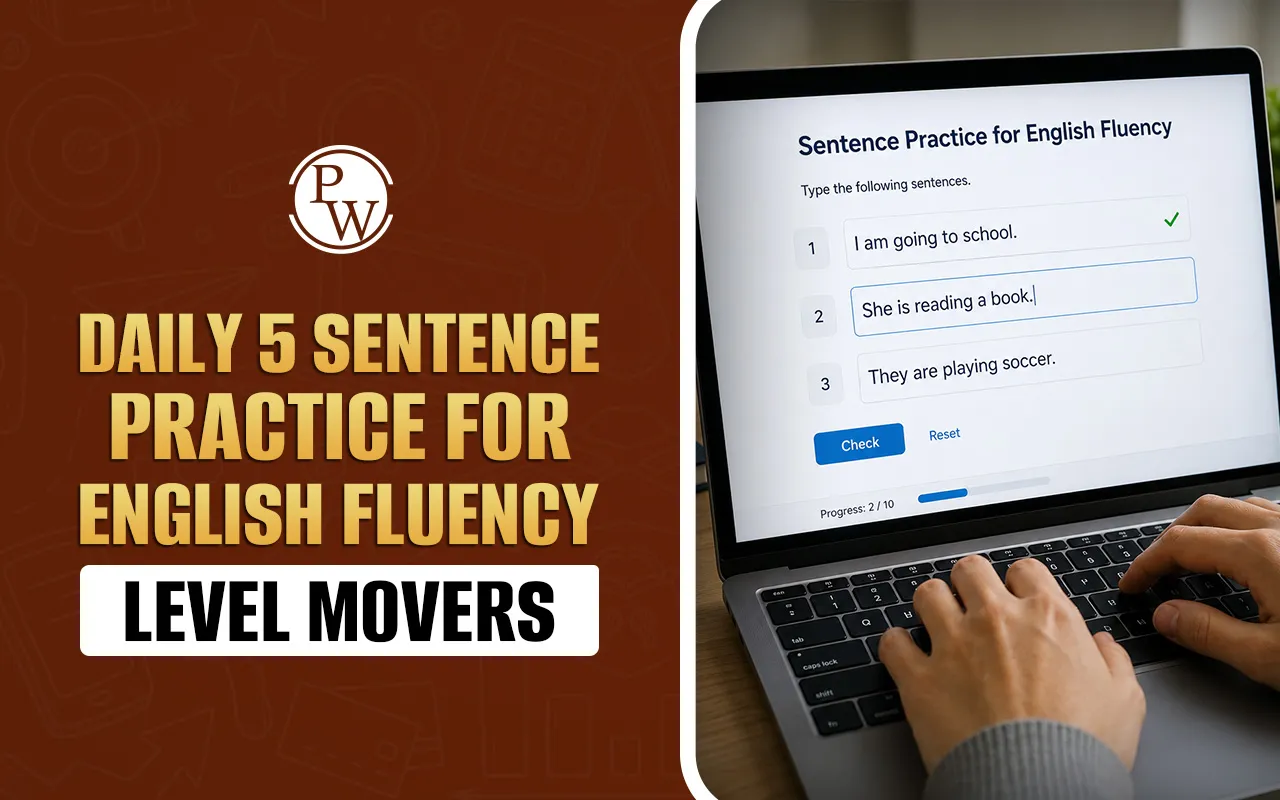
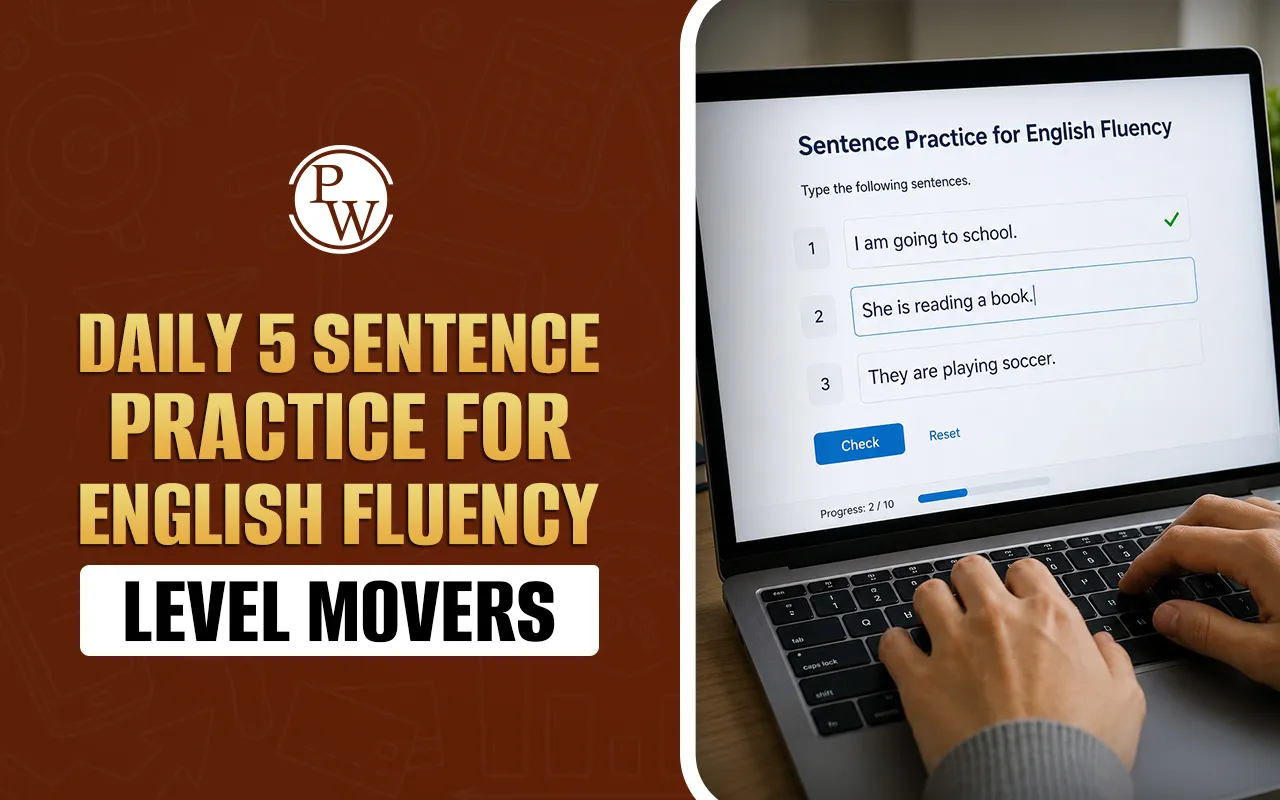
Teaching a child a new language is like planting a seed; it needs the correct atmosphere and constant watering to take root. Many parents find that their children know the rules of English grammar yet cannot speak fluently when placed on the spot. This disconnect between the “knowing” and the “doing” is frustrating. The secret to bridging this gap isn't found in thick textbooks but in short, manageable bursts of English speaking practice for kids. By focusing on just five sentences a day, we remove the pressure of perfection and replace it with the joy of progress. This article breaks down a "Level Movers" practice routine to help your child excel.
Importance of Daily English Speaking Practice for Kids
Consistency beats intensity every single time. When children engage in daily English practice, their brains begin to wire the language as a natural reflex rather than a school subject.
-
Muscle Memory: Speaking involves physical coordination. Repeating sounds daily trains the mouth and tongue.
-
Reduced Anxiety: Short sessions feel like a game, making children more likely to participate.
-
Contextual Learning: Using sentences related to their day makes the words stick.
Basic Tips for English Speaking Practice for Kids
Before jumping into the exercises, ensure the environment is set up for success. You don't need a classroom, but you do need a supportive atmosphere.
-
A "No-Judgment" Zone: Let them make mistakes. Correcting every tiny slip-up kills their flow.
-
Audio Tools: Use a phone to record their voice so they can hear their own progress.
-
Visual Aids: Use flashcards or real objects around the house to anchor the sentences.
-
Active Listening: As a parent or tutor, give them your full attention during their 5-minute slot.
Daily English Speaking Practice for Kids Worksheet
This section is designed as a template. You can rotate these themes throughout the week to keep the spoken English exercises kids perform fresh and engaging.
Monday: Morning Routine Speaking Practice
Focus on verbs and sequence.
-
"I wake up at seven o'clock every morning."
-
"I brush my teeth until they are sparkly white."
-
"My favorite breakfast is hot porridge with honey."
-
"I put on my blue school uniform quickly."
-
"I am ready to start my day with a smile."
Tuesday: Feelings and Emotions Practice
Helping with fluency practice children need to describe their internal world.
-
"I feel very excited about our science project today."
-
"Sometimes I feel tired after playing football."
-
"It makes me happy when we go to the park."
-
"I feel brave when I try new foods."
-
"Sharing my toys makes my friends feel good."
Wednesday: Describing Things Around Us
Using adjectives to build descriptive power.
-
"The tall green tree has many small leaves."
-
"My fluffy cat likes to sleep on the rug."
-
"The sun is shining brightly in the clear sky."
-
"I saw a big red bus driving down the road."
-
"This sour lemon makes my tongue tingle."
Read More - Build Vocabulary without Memorizing (Level Preliminary)
Thursday: English Question Practice for Kids
Communication is a two-way street. These spoken English exercises kids focus on inquiry.
-
"What time are we going to the library?"
-
"Can you please help me find my lost pencil?"
-
"Why do birds fly south during the winter?"
-
"Which fruit should I choose for my snack?"
-
"How do I spell the word 'beautiful' correctly?"
Friday: Future Tense English Speaking Practice
Using "will" and "going to" for future tense.
-
"I am going to visit my grandmother this weekend."
-
"Next week, we will learn how to bake cookies."
-
"I hope it rains so I can wear my boots."
-
"We are planning a fun party for Saturday."
-
"I will finish my homework before dinner time."
Read More - Daily 5 Sentence Practice for English Fluency (Level Starters)
Fun English Speaking Practice Activities for Kids
To make English speaking practice for kids more dynamic, try these three-minute "speed rounds."
|
Activity Name |
How to Play |
Benefit |
|
The Echo Game |
You say a sentence with a specific emotion (happy, sad, angry), and the child repeats it exactly. |
Improves intonation and emotional expression. |
|
Object Talk |
Pick any object in the room and have the child say three sentences about it instantly. |
Builds quick thinking and spontaneous speech. |
|
Story Chain |
Start a story with one sentence. The child adds the next. Go back and forth five times. |
Encourages logical flow and narrative skills. |
How to Improve English Fluency for Kids
Once your child is comfortable with the “Level Movers” stage, you can start expanding the sentences. Instead of saying I like apples, try to get them to say, I enjoy crisp red apples because they are sweet. This progressive layering is the quintessence of English practice.
Common Problems and How to Solve Them:
-
Mumbling: Have them speak to a “stuffed animal audience” at the rear of the room.
-
Pausing: Teach them filler sentences like "Let me think..." to allow their brain time to catch up.
-
Boredom: Change the topic to something they love, like Minecraft, space, or dinosaurs.
Practice English Speaking with CuriousJr
Developing strong communication skills requires the right mix of guidance, consistency, and engaging practice. CuriousJr helps children improve English speaking practice for kids through a structured Cambridge Movers-aligned learning experience designed specifically for young learners.
CuriousJr online English learning class offers a blend of interactive speaking, listening, reading and writing activities, allowing students to develop full language confidence and not only focus on memorisation. CuriousJr uses gamified courses, real-life conversation prompts, storytelling activities, quizzes and guided communication exercises to help children practicing English feel natural and fun.
Children also receive benefits from:
-
Interactive tasks for improving speech and sentence structure.
-
Listening-based practice to develop comprehension and response abilities.
-
See your fluency increase over time by recording your progress.
-
Confidence-building practice through real-world conversation scenarios.
-
Engaging worksheets and activity-based learning designed for the Cambridge Movers level.
With structured modules, expert-designed lessons, and a child-friendly approach, CuriousJr helps learners gradually become confident English speakers while making language learning fun, practical, and stress-free.