How Simple Conversations Build a Child's English at the Starters Level
 Nikita Aggarwal16 Jun, 2026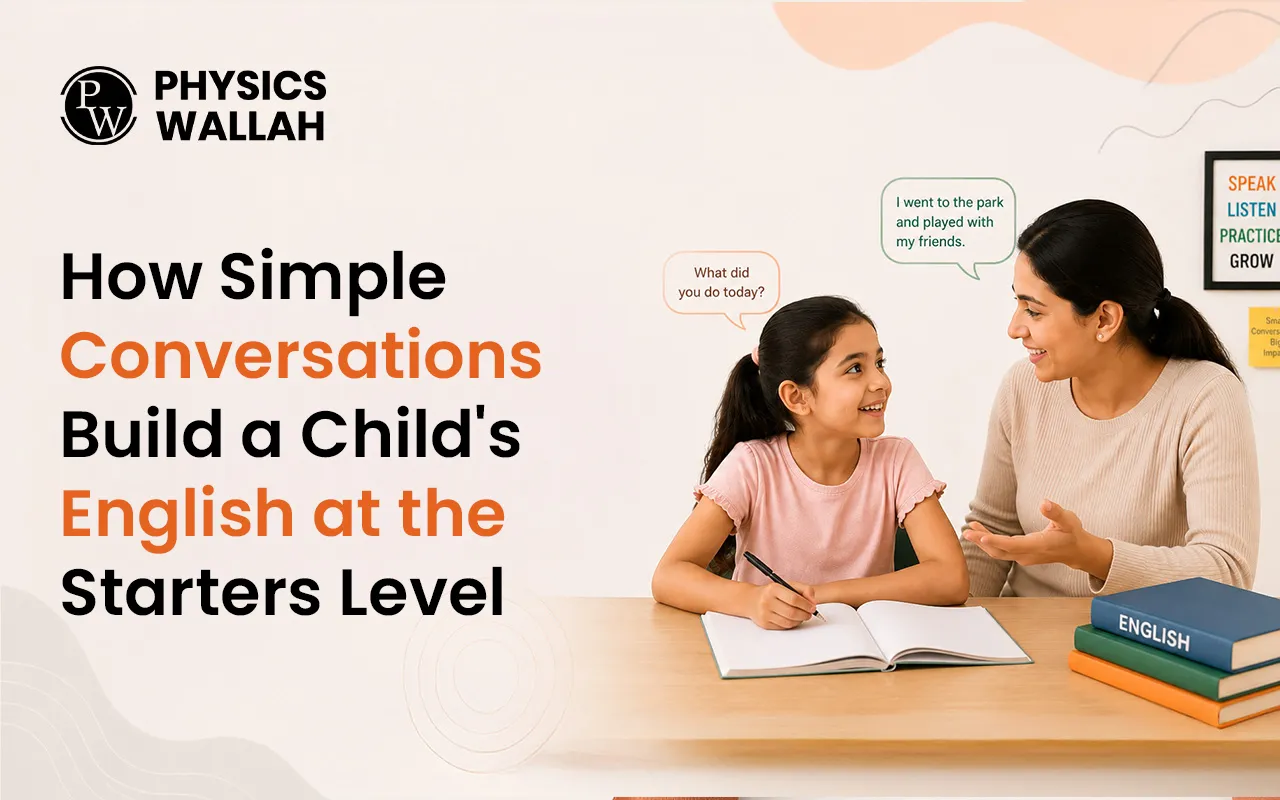
Why Simple English Conversations Cambridge Starters Level Matter?
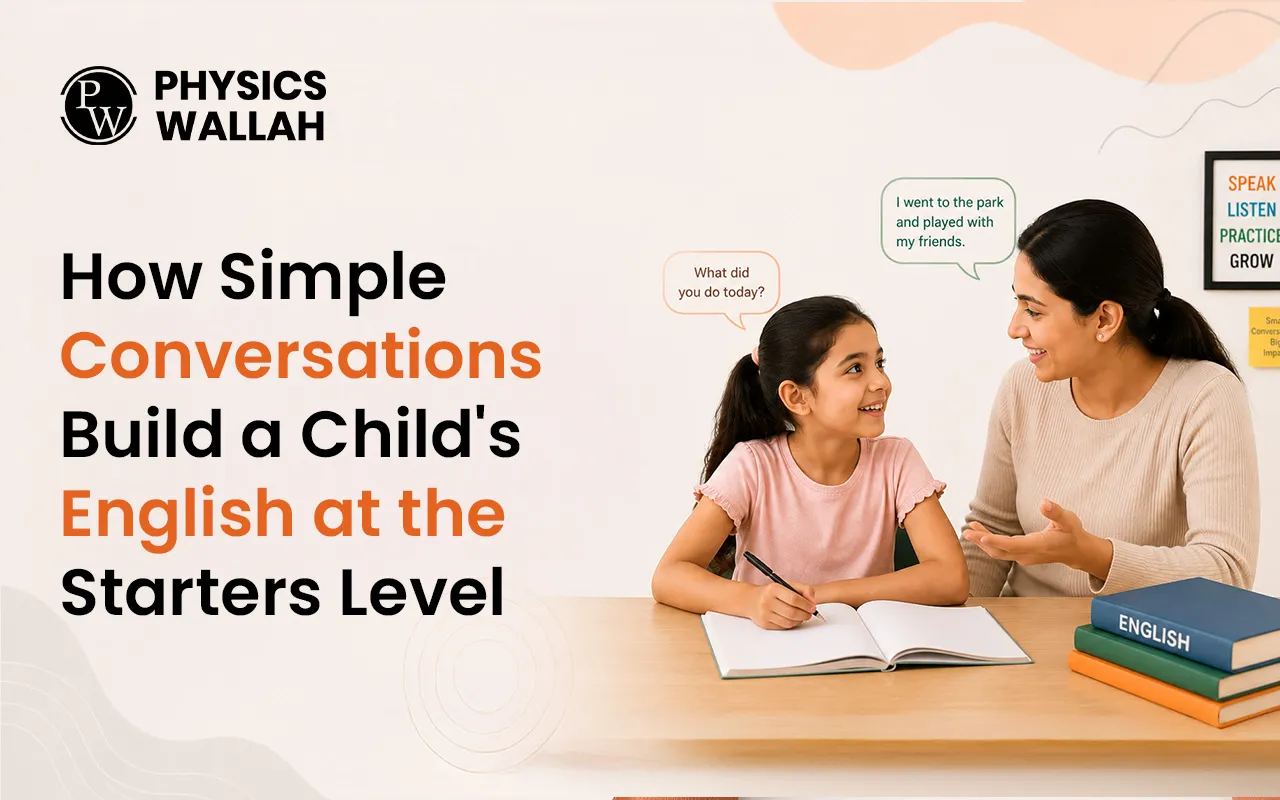
Early language acquisition is more a matter of auditory and verbal interaction than of formal grammar training. The sentence forms of fundamental discussions are inherent in the exposure youngsters get. It’s a natural way to learn, like how kids learnt their first language, and it makes them less afraid of making mistakes.
Frequent verbal interaction helps bridge the gap between understanding words and using them. Talking is a very active mental process for youngsters between 6 and 8 years of age and it improves memory retention and improves pronunciation.
Building Initial Confidence
Children who practice speaking early on develop higher self-esteem. When a child successfully communicates a thought in a second language, it provides an immediate psychological boost. This confidence encourages them to attempt more complex phrases over time.
Laying the Foundation for Global Standards
The Cambridge Young Learners English tests begin with the Starters framework. This tier focuses on real-world communication skills. Regular verbal practice ensures that the format of an international assessment feels familiar and stress-free rather than intimidating.
English Speaking Activities 6 to 8 Years Olds Enjoy
To keep young learners motivated, speaking practice must feel like play. Structured lessons can sometimes cause children to disengage, whereas interactive games keep their attention focused for longer periods.
Parents can use everyday household items as conversation starters. The goal is to encourage the child to use full sentences rather than one-word answers.
Interactive Word Games
-
The I-Spy Variation: Instead of just naming an object, ask the child to describe its colour, shape, or use.
-
Role-Play Scenarios: Act out a grocery shopping trip where the child has to ask for specific fruit items in English.
-
The Guessing Box: Place an object inside a bag and have the child ask questions to guess what it is.
Utilizing Visual Prompts
Picture books provide an excellent foundation for dialogue. Instead of simply reading the text, ask open-ended questions about what the characters are doing or what might happen next on the page.
Read More - Learn English Sounds and Words in a Fun Way (Level Starters)
Examples of Daily English Conversation for Children
Integrating language learning into daily routines ensures consistent practice without adding stress to a child's schedule. Consistency is far more beneficial than long, sporadic study sessions.
The table below outlines common daily scenarios and simple prompts parents can use to spark natural dialogue with their children.
|
Daily Scenario |
Parent Prompt |
Expected Child Response |
|
Breakfast Time |
"What would you like on your toast today?" |
"I want some jam, please." |
|
Getting Dressed |
"Which shoes do you want to wear?" |
"I want to wear my red shoes." |
|
After School |
"What was the best part of your day?" |
"We played a fun game at recess." |
|
Bedtime Routine |
"Can you find your favorite teddy bear?" |
"Yes, he is under the blanket." |
Cambridge Pre A1 Conversation Framework
The earliest stage of formal language evaluation assesses a child's ability to understand simple spoken instructions and give basic replies. It does not focus on complex grammatical structures.
At this level, children are expected to respond to basic personal questions, identify common objects, and follow simple verbal directions.
Core Vocabulary Themes
The framework revolves around topics that are highly relevant to a young child's daily life. This includes words related to family members, favorite pets, school supplies, body parts, and common clothes.
Expected Interaction Styles
-
Responding to "yes" or "no" questions with short verbal expansions.
-
Pointing to objects in a picture when requested by an adult.
-
Stating their age, name, and favorite hobbies clearly.
Online English Conversation for Kids
While face-to-face interaction at home is vital, digital tools can offer structured support that complements parental efforts. Multimedia elements keep modern learners visually engaged.
Structured digital platforms introduce children to diverse accents and interactive formats, preparing them for broader real-world interactions outside the home environment.
Benefits of Mixed Learning
Combining offline playtime with guided digital sessions creates a well-rounded learning experience. It prevents monotony and caters to different learning styles, whether visual, auditory, or kinesthetic.
Choosing the Right Digital Tools
Select platforms that focus on interactive storytelling and conversational feedback rather than passive video consumption. Look for tools designed specifically for early childhood education standards.
Read More - What to Expect From a Pre A1 Cambridge English Class for Beginners
What Children Learn at the Cambridge Starters Level
Tracking a child's progress helps identify areas that need more attention. At this foundational tier, progress is measured by comprehension and responsiveness rather than perfect grammar.
Parents should look for specific milestones as their child continues to practice their conversational skills regularly.
-
Vocabulary Recognition: The child easily names everyday items around the house without long pauses.
-
Following Commands: The child can successfully complete a two-step instruction given entirely in English.
-
Spontaneous Speech: The child initiates a simple phrase without being prompted by an adult first.
How to Overcome Shyness in English Conversation for Young Kids
It is completely natural for young children to feel hesitant when speaking a secondary language. Forcing a child to speak can often backfire, causing them to shut down completely.
Creating a supportive, mistake-friendly environment is the fastest way to help a child overcome language-related anxiety.
Positive Reinforcement Strategies
Always praise the effort rather than focusing solely on correct pronunciation. If a child makes a grammatical error, repeat the sentence correctly in your response rather than explicitly pointing out their mistake.
Making Language Physical
Incorporate gestures and facial expressions into your conversations. Visual cues help children understand the context of words they might not fully know yet, making the interaction less intimidating.
How CuriousJr Helps Kids Build English Conversation Skills
A structured approach makes a significant difference in how quickly a child picks up a language. Engaging interactive formats keep children motivated to learn every single day.
For parents seeking a comprehensive path, the CuriousJr platform offers dedicated modules tailored specifically for early learners. The curriculum focuses on interactive activities that make mastering simple English Cambridge Starters level an enjoyable and natural process for young minds.




How Simple Conversations Build a Child's English at the Starters Level FAQs
What age is ideal for starting Starters level English preparation?
How long should daily English conversation for children last?
Can English conversation for young kids improve their school performance?
What is the main focus of a Cambridge Pre A1 conversation assessment?

Get Free Counselling Today
and Clear up all your Doubts
 Live & recorded classes available at easeDashboard for progress trackingLakhs of practice questions