

Social Issue: Definition, Types, Examples and Solutions
 Shivam Singh26 Sept, 2026
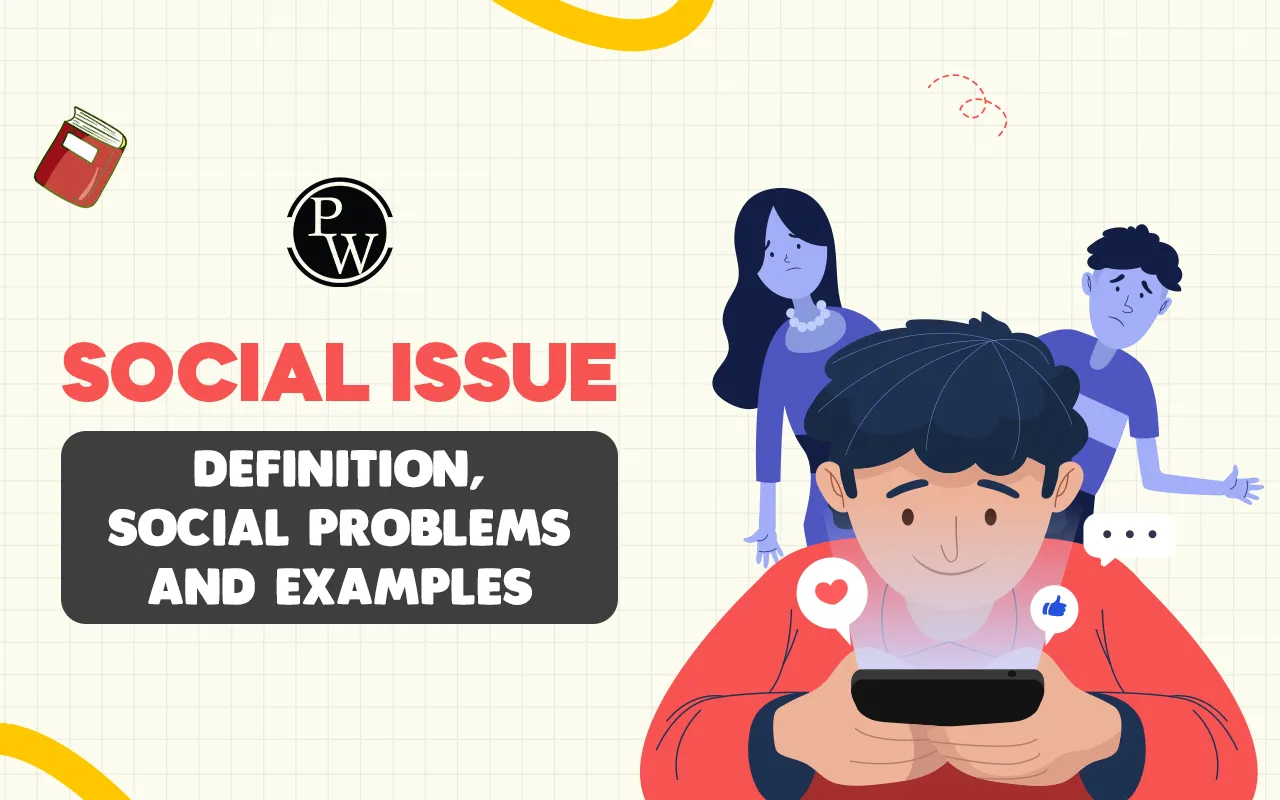
A social issue is a problem that affects many people in a society and makes it difficult for them to live safe, healthy, and fair lives. Poverty, unemployment, gender inequality, child labour, and lack of access to education are common examples of social issues.
Social issues affect individuals, families, communities, and entire countries. They often arise from unequal opportunities, limited resources, discrimination, or challenges in society. Understanding social issues helps students learn about the world, develop empathy, and recognise ways to make a positive difference.
In this article, we will explore the meaning and definition of social issues, their types, 10 common social problems examples, their causes, and possible solutions.
What Is a Social Issue?
A social issue is a condition or problem that affects a significant number of people in a community or society and requires collective attention or action.
For example, when children cannot attend school because their families cannot afford education, it becomes a social issue because it affects their opportunities and the development of the community.
Social issues are different from personal problems because their effects extend beyond one individual. They can influence families, schools, neighbourhoods, and society as a whole. Children can learn about such topics through age-appropriate educational resources on Curious Jr.
Examples of social issues include:
- Poverty and homelessness
- Unemployment and unequal opportunities
- Gender inequality and discrimination
- Child labour and lack of education
- Pollution and water scarcity
Social issues may differ from one country or community to another, depending on its economic conditions, culture, resources, and social structure.
Read More: Globe and Map
Social Issue Definition and Meaning
Social issue definition: A social issue is a problem that affects the well-being of people in a society, creates difficulties or inequalities, and requires attention from individuals, communities, or institutions.
In simple words, the meaning of social issues refers to problems that affect people's lives and the way society functions.
For example, unemployment is a social issue because it affects people's income, family life, access to basic needs, and the economy.
Similarly, gender inequality is a social issue when people do not receive equal opportunities or fair treatment because of their gender.
What Is the Difference Between a Social Issue and a Social Problem?
The terms social issue and social problem are closely related and are often used interchangeably. Both describe conditions that negatively affect people or society.
|
Social issue |
Social problem |
|
A concern that affects people or society and requires attention. |
A harmful social condition that creates difficulties for individuals or communities. |
|
May involve public discussion, awareness, or disagreement about how to address it. |
Usually refers to a condition recognised as causing harm or requiring a solution. |
|
Example: Equal access to education. |
Example: Children being unable to attend school because of poverty. |
In everyday usage, both terms can describe issues such as poverty, discrimination, unemployment, and lack of access to education.
Types of Social Issues
Social issues can be classified into different types based on the area of life they affect.
|
Type of social issue |
Meaning |
Examples |
|
Economic issues |
Problems related to money, income, and employment. |
Poverty, unemployment, wealth inequality. |
|
Educational issues |
Problems that limit access to learning. |
School dropout, lack of schools, child labour. |
|
Gender and equality issues |
Unfair treatment or unequal opportunities. |
Gender inequality, racism, discrimination. |
|
Health and well-being issues |
Problems affecting physical or mental well-being. |
Mental health challenges, limited healthcare access. |
|
Environmental issues |
Problems affecting the environment and people. |
Air pollution, water scarcity, deforestation. |
|
Safety and human rights issues |
Conditions that threaten people's safety or rights. |
Child abuse, domestic violence, human trafficking. |
These categories can overlap. For example, poverty can limit access to education, affect health, and increase the risk of homelessness.
Why Are Social Issues Important to Learn About?
Learning about social issues helps students understand the challenges faced by people in their communities and around the world.
It also helps them become more aware of their responsibilities and the importance of treating others fairly.
1. Develop Empathy
Understanding social issues helps students recognise the difficulties other people face. It encourages kindness, respect, and compassion.
2. Build Social Awareness
Learning about poverty, discrimination, and environmental problems helps students understand how society works and why certain challenges affect different communities.
3. Encourage Responsible Citizenship
Students learn that everyone has a role in creating a fair, safe, and supportive society.
4. Inspire Positive Action
Awareness can encourage students to participate in community activities, support classmates, reduce waste, and speak up against unfair treatment.
Understanding social issues is an important step towards becoming an informed and responsible citizen.
10 Common Social Issues Examples
Social issues affect people in different ways. The following are 10 common social problems examples that students should understand.
1. Poverty
Poverty is a condition in which people do not have enough resources to meet their basic needs, such as food, clothing, housing, education, and healthcare.
It is a major social issue because it can limit people's opportunities and make it difficult for families to maintain a healthy and secure life.
Causes of poverty include:
-
Lack of employment opportunities.
-
Low wages and unequal access to resources.
-
Limited access to education and healthcare.
-
Economic difficulties and unexpected emergencies.
Example: A family may struggle to send their children to school because they cannot afford books, uniforms, or transportation.
Reducing poverty requires access to education, employment, essential services, and opportunities for people to improve their living conditions.
Read More: Fundamental Rights of India
2. Homelessness
Homelessness refers to a situation in which a person does not have a safe, stable, or adequate place to live.
People may experience homelessness because of unemployment, unaffordable housing, family difficulties, or other circumstances that make it difficult to maintain a home.
Homelessness can affect a person's health, safety, education, and ability to find employment.
Example: A family that loses its home because it cannot afford rent may have to stay in temporary accommodation or with other people.
Affordable housing, community support, and access to employment and essential services can help address homelessness.
3. Social Inequality
Social inequality occurs when people have unequal access to resources, opportunities, rights, or fair treatment.
It can be based on income, gender, disability, race, religion, or other social circumstances.
Two common forms of social inequality are:
Gender inequality: When people do not receive equal rights, opportunities, or treatment because of their gender. For example, girls may face barriers to education or employment.
Wealth inequality: When income and wealth are distributed unevenly, giving some people greater access to education, healthcare, housing, and other resources than others.
Social inequality can limit people's ability to participate fully in society and improve their living conditions.
Read More: Types of Natural Disaster
4. Violence and Bullying
Violence involves actions that cause physical or psychological harm to another person. It can occur in homes, schools, workplaces, public places, and online spaces.
Common forms include:
-
Domestic violence: Harmful behaviour or abuse within a family or household.
-
Bullying: Repeated behaviour intended to hurt, intimidate, or exclude another person.
-
Gender-based violence: Violence directed at someone because of their gender.
-
Community violence: Violence that occurs in neighbourhoods or public settings.
Violence can cause physical injuries, fear, emotional distress, and insecurity.
Example: A student who is repeatedly threatened or humiliated by classmates may experience bullying, which can affect their confidence and ability to learn.
Education, awareness, safe reporting systems, and support for affected people can help prevent violence.
5. Mental Health Challenges
Mental health refers to a person's emotional, psychological, and social well-being. It affects how people think, feel, interact with others, and manage everyday challenges.
Mental health challenges, including anxiety, depression, and prolonged stress, can affect people of different ages.
They can become a social issue when stigma, discrimination, limited access to support, or a lack of awareness prevents people from receiving help.
For example, a student experiencing anxiety may find it difficult to participate in class or complete schoolwork without appropriate support.
Mental health awareness, supportive environments, and access to qualified professionals can help people seek assistance without fear of judgment.
Read More: Essay on Unemployment
6. Child Abuse and Child Labour
Child abuse refers to the physical, emotional, or sexual harm of a child, as well as neglect that puts a child's well-being at risk.
Common forms include:
-
Physical abuse, such as hitting or causing injury.
-
Emotional abuse, such as repeated humiliation or threats.
-
Sexual abuse or exploitation.
-
Neglect, such as failing to provide essential care and protection.
Child labour is another serious social issue. It refers to work that harms children's health, safety, education, or development.
Example: When a child is forced to work long hours instead of attending school, it can affect their education, health, and future opportunities.
Protecting children requires awareness, access to education, effective child protection systems, and support for families.
7. Refugee Crisis and Displacement
A refugee is a person who has been forced to leave their country because of persecution, conflict, violence, or other circumstances covered by refugee protection.
More broadly, displacement occurs when people are forced to leave their homes because of conflict, violence, disasters, or other serious threats.
Displaced people may face difficulties such as:
-
Finding safe housing and clean drinking water.
-
Accessing healthcare and education.
-
Finding employment and earning an income.
-
Dealing with discrimination and separation from family members.
Example: Children displaced by conflict may have to leave their schools and live in temporary shelters while their families seek safety.
Access to protection, education, healthcare, and safe housing is important for supporting displaced communities.
8. Water Scarcity
Water scarcity occurs when there is not enough available water to meet the needs of people, agriculture, and other activities.
It is a social issue because access to safe water is essential for drinking, cooking, hygiene, sanitation, and health.
Common causes include drought, pollution, overuse of groundwater, and inadequate water management.
Example: In a village experiencing water scarcity, families may have to travel long distances to collect water for daily use.
Water scarcity can lead to health risks, affect farming, and make everyday life more difficult.
Water conservation, rainwater harvesting, pollution prevention, and improved water infrastructure can help address this issue.
9. Unemployment
Unemployment occurs when people who are able and willing to work cannot find suitable employment.
It is a social issue because employment provides income and helps people meet their basic needs.
Unemployment can result from limited job opportunities, changes in industries, economic difficulties, or a mismatch between people's skills and available jobs.
Its effects may include:
-
Financial difficulties for individuals and families.
-
Reduced access to essential goods and services.
-
Stress and uncertainty about the future.
-
Greater economic challenges for communities.
Example: When a person loses their job and cannot find another one, their family may struggle to pay for housing, education, and daily expenses.
Education, skill development, employment opportunities, and support for job seekers can help address unemployment.
10. Environmental Problems
Environmental problems are changes or conditions that damage the natural environment and affect people's health, safety, and quality of life.
They are social issues because their effects extend beyond nature and can influence communities, livelihoods, and access to essential resources.
Common environmental problems include:
|
Environmental issue |
Meaning and social impact |
|
Air pollution |
Harmful substances in the air can affect people's health, especially in polluted areas. |
|
Deforestation |
Cutting down forests can affect wildlife, ecosystems, and the livelihoods of communities. |
|
Climate change |
Long-term changes in climate can contribute to heatwaves, floods, and other risks. |
|
Water pollution |
Contaminated water can affect drinking water, sanitation, and public health. |
Example: Air pollution can make it difficult for children and older people to breathe comfortably and may increase health risks.
Reducing pollution, conserving resources, protecting forests, and promoting sustainable practices can help protect communities and the environment.
Other Social Issues Examples
Apart from the 10 common social issues discussed above, several other problems affect communities around the world.
|
Social issue |
Meaning |
|
Racism |
Unfair treatment based on a person's race or racial background. |
|
Child marriage |
Marriage involving a person below the age of 18. |
|
Drug addiction |
Substance use problems that can affect health, relationships, and daily life. |
|
Disability discrimination |
Unfair treatment or barriers faced by people with disabilities. |
|
Lack of access to education |
When people cannot access suitable learning opportunities. |
|
Limited healthcare access |
When people cannot obtain the healthcare services they need. |
|
Human trafficking |
Exploitation of people through force, fraud, or coercion, or other means defined by law. |
|
Food insecurity |
Uncertain or inadequate access to sufficient, safe, and nutritious food. |
|
Discrimination |
Unfair treatment based on personal or social characteristics. |
|
Domestic violence |
Abuse or harmful behaviour within a family or household. |
These examples show that social issues can affect different areas of life, including education, safety, health, employment, and human rights.
Causes of Social Problems
Social problems often have several causes that are connected to one another. Understanding these causes helps people identify possible solutions.
The common causes of social problems include:
-
Poverty and economic inequality: Limited income and unequal access to resources can make it difficult for people to meet their basic needs.
-
Lack of education: Limited access to education can reduce employment opportunities and awareness of rights and responsibilities.
-
Discrimination: Unfair treatment based on gender, disability, race, or other characteristics can prevent people from accessing opportunities.
-
Limited resources and services: A lack of housing, healthcare, clean water, and other essential services can affect communities.
-
Environmental and economic changes: Disasters, pollution, economic difficulties, and changes in employment can create new challenges for people.
Many social problems are interconnected. For example, poverty may prevent children from attending school, while limited education can make it harder for them to find employment later.
Can Social Issues Be Solved?
Yes, many social issues can be reduced or addressed through cooperation, awareness, effective policies, and community participation. However, complex social problems often require long-term efforts rather than a single solution.
Different groups can contribute in different ways.
|
Who can help? |
How they can contribute |
|
Governments |
Develop and implement laws, improve public services, and support people facing social difficulties. |
|
Communities |
Support families, raise awareness, and organise activities to address local problems. |
|
Schools |
Teach students about equality, safety, environmental protection, and social responsibility. |
|
Individuals |
Treat others fairly, avoid discrimination, conserve resources, and support people in need. |
|
Students |
Participate in awareness activities, help classmates, and report bullying or unsafe situations to trusted adults. |
How Can Students Help Solve Social Issues?
Students can contribute to positive change through small, practical actions.
-
Treat everyone with kindness and respect, regardless of their background.
-
Avoid bullying and support classmates who are being treated unfairly.
-
Save water, reduce waste, and keep the surroundings clean.
-
Participate in school activities that promote education, equality, and environmental awareness.
-
Learn about social problems and discuss them respectfully with teachers, parents, and classmates.
Students do not have to solve every social problem on their own. Learning, raising awareness, and seeking help from trusted adults are meaningful ways to contribute.
Understanding social issues is the first step towards building a society where people have fair opportunities, access to essential resources, and the freedom to live with dignity.





Social Issues FAQs
1. What is a social issue in simple words?
2. What are 10 examples of social issues?
3. What are the main types of social issues?
4. What are the main causes of social problems?










Get Free Counselling Today
and Clear up all your Doubts
 Live & recorded classes available at easeDashboard for progress trackingLakhs of practice questions

