20 Types of Figures of Speech: Definitions and Examples
 Jasdeep Singh30 May, 2026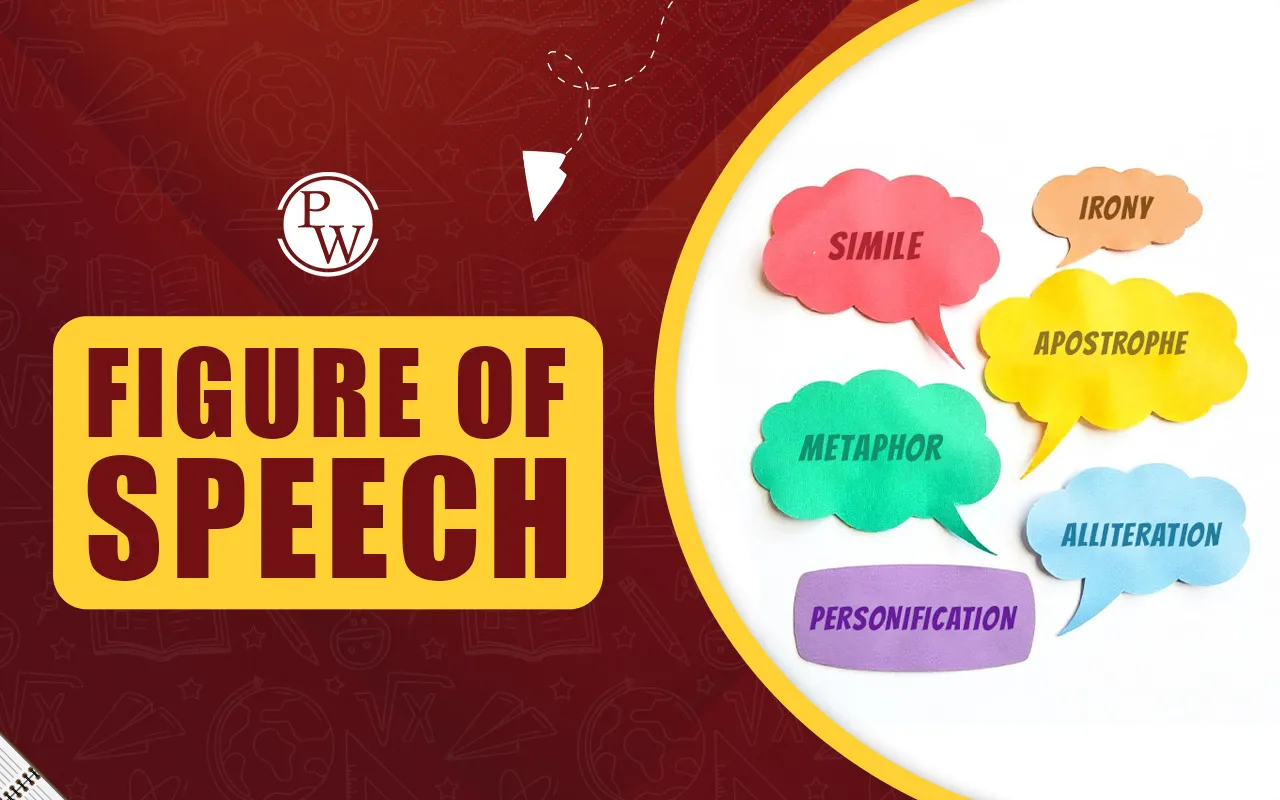
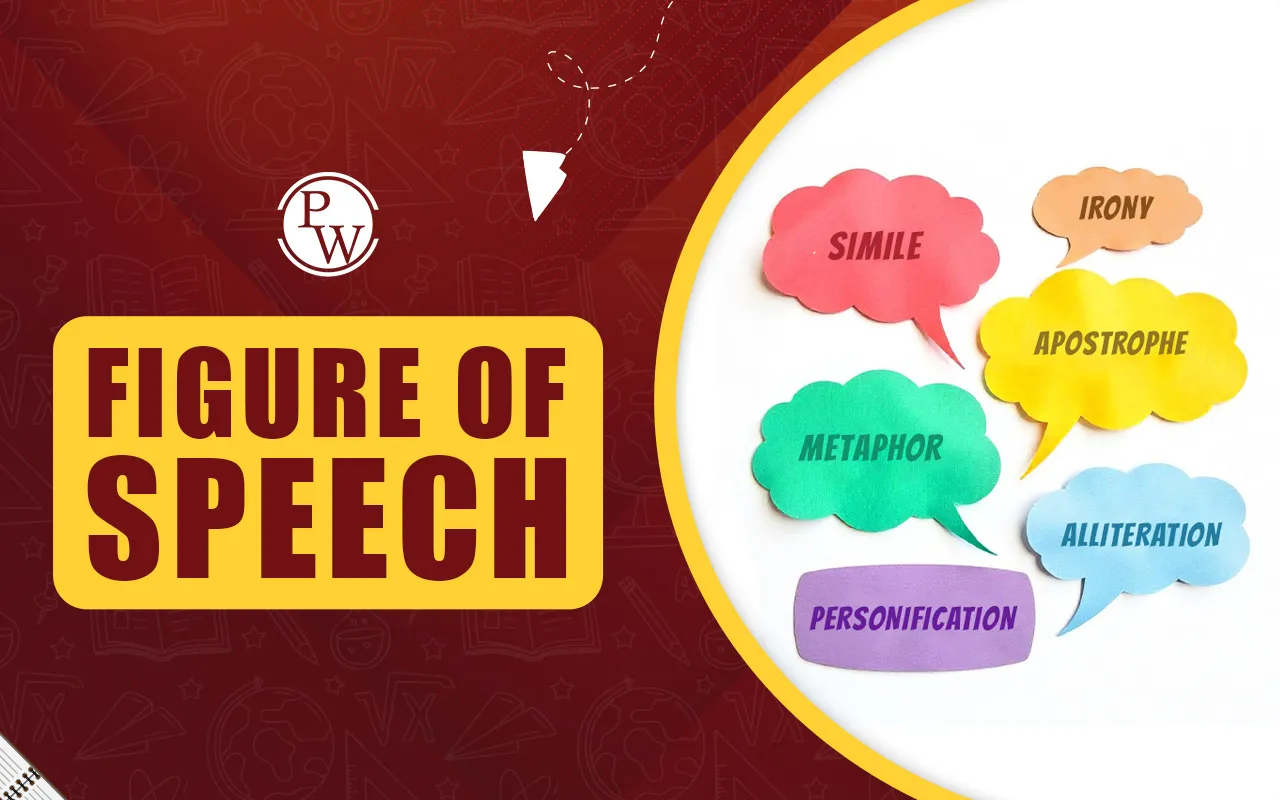
Figures of Speech: Language is a dynamic and evolving entity, often shaped by creativity and expression. One of the most fascinating ways language gains richness and depth is through figures of speech.
These literary devices enhance communication and make it more engaging and impactful. A figure of speech in English is commonly used in literature, daily conversations, advertisements, and even political speeches to add flair and vivid imagery to the text or speech.
The blog outlines the different types of figure of speech with examples to help you understand and use them effectively.
Also Read: What is Opposite Words?
What are Figures of Speech?
Figure of speech meaning: Figures of speech are special ways of using language to make it more creative, expressive, and engaging. Instead of using words in their usual literal sense, these rhetorical devices add colour, depth, and emphasis to writing and speech.
They help writers and speakers describe ideas vividly, compare things interestingly, and create emotional connections with the audience.
Common figures of speech include similes, metaphors, personification, and hyperbole. These tools make communication more powerful, whether in storytelling, poetry, speeches, or everyday conversations.
If you are a student or language learner, keeping a figure of speech chart handy can help you quickly recall definitions and examples while practicing.
Definition of Figures of Speech
A figure of speech is an intentional deviation from the normal use of words to achieve a particular effect.
According to the Oxford Learner's Dictionary, a figure of speech meaning is “a word or phrase used in a different way from its usual meaning in order to create a particular mental picture or effect.”
Similarly, the Cambridge Dictionary defines it as “an expression that uses words to mean something different from their ordinary meaning.”
Why are Figures of Speech Important?
-
They add imagery and depth to writing and speech.
-
They make language more engaging and memorable.
-
They help convey complex ideas in a concise and artistic way.
-
They create rhetorical impact and evoke emotions.
-
They enhance storytelling and literary expression.
Read: Informal Letter Format
20 Types of Figures of Speech: Examples
Here, we will discuss 20 types of figure of speech in English with examples:
1. Alliteration
Alliteration is the repetition of consonant sounds at the beginning of closely connected words. This technique is often used in poetry, advertising, and literature to create a rhythmic effect, making phrases more memorable and engaging. It adds musicality to writing and enhances the flow of words.
Example: “The blazing bonfire burned brightly beneath the starry sky.”
2. Antithesis
Antithesis places contrasting ideas or words in a sentence to highlight differences and create balance. It strengthens arguments, adds depth to speech, and often makes statements more thought-provoking. Writers use antithesis to emphasize opposition and make their message more impactful.
Example: “Give me liberty, or give me death.” – Patrick Henry
3. Apostrophe
An apostrophe is a figure of speech where a speaker addresses someone who is absent, dead, or an object, idea, or concept that cannot respond. It expresses deep emotions, emphasises thoughts, or personifies non-human elements. This technique creates a dramatic or reflective effect in poetry, drama, and literature.
Examples:
-
“O Time, why must you slip away so fast?”
-
“Moon, you shine so brightly—do you ever grow tired?”
4. Circumlocution
Circumlocution is a way of speaking or writing that avoids direct expression by using unnecessarily long and indirect phrasing. People use it for humour, evasion, or emphasis. Instead of being concise, it talks about a subject.
Example: “He has an interesting way of managing time” instead of “He’s always late.”
5. Epigram
An epigram is a short, witty, and often paradoxical statement that leaves a lasting impression. It’s commonly found in poetry, speeches, and literature, offering insight or humour in just a few words. A strong epigram condenses deep ideas into a clever remark.
Example: “I can resist everything except temptation.” – Oscar Wilde
6. Euphemism
Euphemism is the use of a milder, indirect phrase instead of a blunt or harsh term. It helps soften unpleasant topics like death, job loss, or bodily functions. Often used in polite conversation, euphemisms help maintain sensitivity and social tact.
Example: Saying “passed away” instead of “died.”
7. Hyperbole
Hyperbole is an intentional exaggeration used to create emphasis, humour, or drama. It’s not meant to be taken literally but highlights intensity. Writers use hyperbole to enhance storytelling and make descriptions more vivid.
Example: “I’ve told you a million times to clean your room!”
Read: Wild Animal Names
8. Irony
Irony occurs when there is a contrast between expectation and reality, often leading to humour or deep meaning. It can be situational (unexpected events), verbal (saying the opposite of what’s meant), or dramatic (the audience knows something the character doesn’t).
Example: A fire station burning down is an example of situational irony.
9. Litotes
Litotes use double negatives or understated phrases to emphasize a point. Instead of stating something directly, it’s expressed subtly, often with an ironic or sarcastic tone. This technique softens harsh truths while still conveying meaning.
Example: “She’s not the worst singer I’ve heard.” (Meaning she’s quite bad.)
10. Metaphor
A metaphor is a direct comparison between two unrelated things, suggesting they are alike in some way without using "like" or "as." This device helps create vivid imagery and deeper understanding.
Example: “Time is a thief.” (Time doesn’t literally steal, but it takes moments away.)
11. Metonymy
Metonymy replaces the name of one thing with something closely related to it. It makes descriptions more concise and engaging while adding a layer of meaning. Writers use it to create variety in language and avoid repetition.
Example: “The White House issued a statement.” (Referring to the U.S. government.)
12. Onomatopoeia
Onomatopoeia is when a word mimics the sound of what it describes, making writing more expressive. It’s often used in poetry, comics, and storytelling to enhance sensory experience and bring actions to life.
Example: “The bees buzzed as the bacon sizzled in the pan.”
13. Oxymoron
An oxymoron is a phrase that combines contradictory words to create a new, often thought-provoking meaning. This technique adds depth, irony, or humour to writing. It can also highlight complex emotions or situations.
Example: “Bitter sweet” or “deafening silence.”
14. Paradox
A paradox is a statement that appears contradictory but contains an underlying truth. It challenges logic and encourages deeper thinking. Writers use paradoxes to make readers reconsider their assumptions.
Example: “The more you learn, the more you realize how little you know.”
15. Personification
Personification gives human qualities to nonhuman objects, animals, or ideas, making descriptions more vivid and relatable. This technique helps readers emotionally connect with the subject.
Example: “The wind whispered secrets through the trees.”
16. Pleonasm
Pleonasm is the use of more words than necessary, either unintentionally or for emphasis. It can add dramatic effect, though it often results in redundancy. Writers may use pleonasm for stylistic reasons.
Example: “I saw it with my own eyes.” (Eyes are already personal, making "own" unnecessary.)
17. Pun
A pun is a play on words that exploits similar-sounding words with different meanings. Puns are common in-jokes, literature, and everyday conversation, often adding humour or cleverness.
Example: “I used to be a baker, but I couldn’t make enough dough.”
18. Simile
A simile compares two things using "like" or "as" to highlight similarities. Similes create vivid imagery and make descriptions more engaging and relatable.
Example: “Her laughter was like a melody that filled the room.”
19. Synecdoche
Synecdoche is when a part represents the whole or vice versa. This technique makes writing more concise and dynamic while adding layers of meaning.
Example: “All hands on deck.” (Hands represent sailors.)
20. Understatement
Understatement deliberately downplays a situation’s significance, often for ironic or humorous effect. It can make statements sound modest, sarcastic, or nonchalant.
Example: Saying “It’s just a scratch” when referring to a deep wound.
Each figure of speech with examples helps you see how it works in real sentences, making it easier to use them in your own writing or speaking.
Classification of Figures of Speech
Figures of speech enhance language by adding creativity, depth, and clarity to expressions. They are broadly classified into three different categories, as discussed below:
Also Read: Benefits of Online Tuition: How It Helps Students Excel
Expressing Relationships or Resemblances
These figures of speech compare one thing to another, often to make a concept clearer or more vivid.
Simile – A direct comparison using "like" or "as." Example: "Her smile was as bright as the sun."
Metaphor – A direct comparison without using "like" or "as." Example: "Time is a thief."
Personification – Giving human qualities to non-human things. Example: "The wind whispered through the trees."
Analogy – A more detailed comparison between two different things.
Example: "Finding a good friend is like searching for a needle in a haystack."
Also Read: How to Improve English Speaking Skills at Home
Depicting Phonetic Similarities and Sound Representation
These figures of speech focus on how words sound to create rhythm, musicality, or emphasis.
Alliteration – Repetition of the same consonant sound at the beginning of words. Example: "Peter Piper picked a peck of pickled peppers."
Assonance – Repetition of vowel sounds within words. Example: "The rain in Spain stays mainly in the plain."
Onomatopoeia – Words that imitate natural sounds. Example: "The bees buzzed around the flowers."
Also Read: 7 Daily Habits to Improve English Fluency
Highlighting Emphasis or Diminishing Importance
These figures of speech intensify a statement or downplay it for effect.
Hyperbole: An extreme exaggeration for emphasis. Example: "I've told you a million times!"
Litotes: An understatement using double negatives or a softened expression. Example: "He's not bad at playing soccer."
Irony: Saying something opposite to what is meant. Example: "Oh great, another rainy day!"
Oxymoron: A phrase that combines contradictory terms. Example: "Deafening silence."
Euphemism: A polite or indirect way to express something unpleasant. Example: "He passed away" (instead of "He died").
Also Read: How to Build Confidence While Speaking English
Importance of Figures of Speech
Figures of speech in English enhance writing by making it more engaging, expressive, and thought-provoking. They allow authors to convey emotions, create vivid imagery, and emphasize key points.
By learning the types of figure of speech with examples, students, writers, and speakers can better appreciate literature and improve their own communication.
If you want a quick reference, using a figure of speech chart with definitions and examples can make revision and practice easier.
These devices not only add charm to writing but also help readers connect more deeply with the text. By using figures of speech, writers breathe life into their words, making their message more impactful and memorable.
Join CuriousJr Online English Learning Classes Now!!




Figures of Speech FAQs
Can figures of speech change over time?
Are figures of speech only found in literature?
Can figures of speech be translated directly into other languages?
What are 7 figures of speech?
What are the 12 main figures of speech?

Get Free Counselling Today
and Clear up all your Doubts
 Live & recorded classes available at easeDashboard for progress trackingLakhs of practice questions