

Tenses Worksheet for Class 6 with Answers
 Nivedita Dar22 Oct, 2026
What Are Tenses?
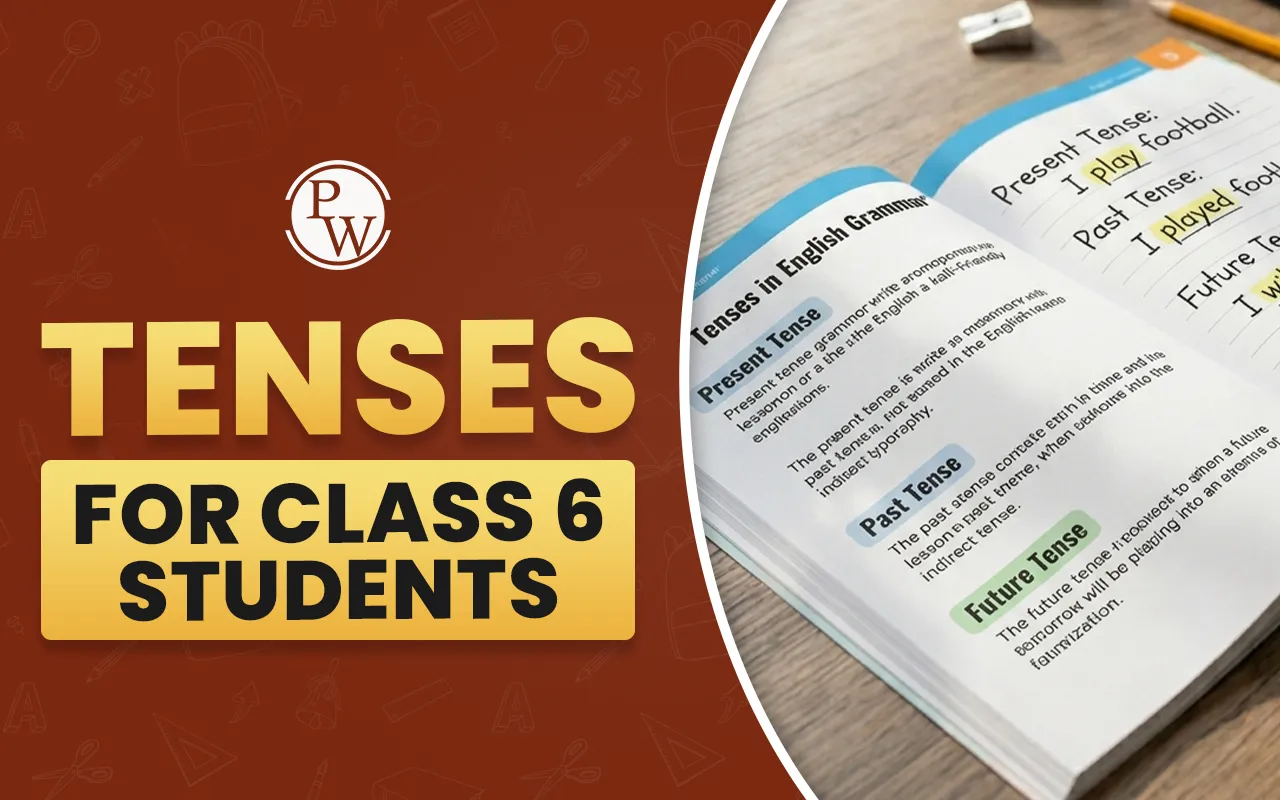
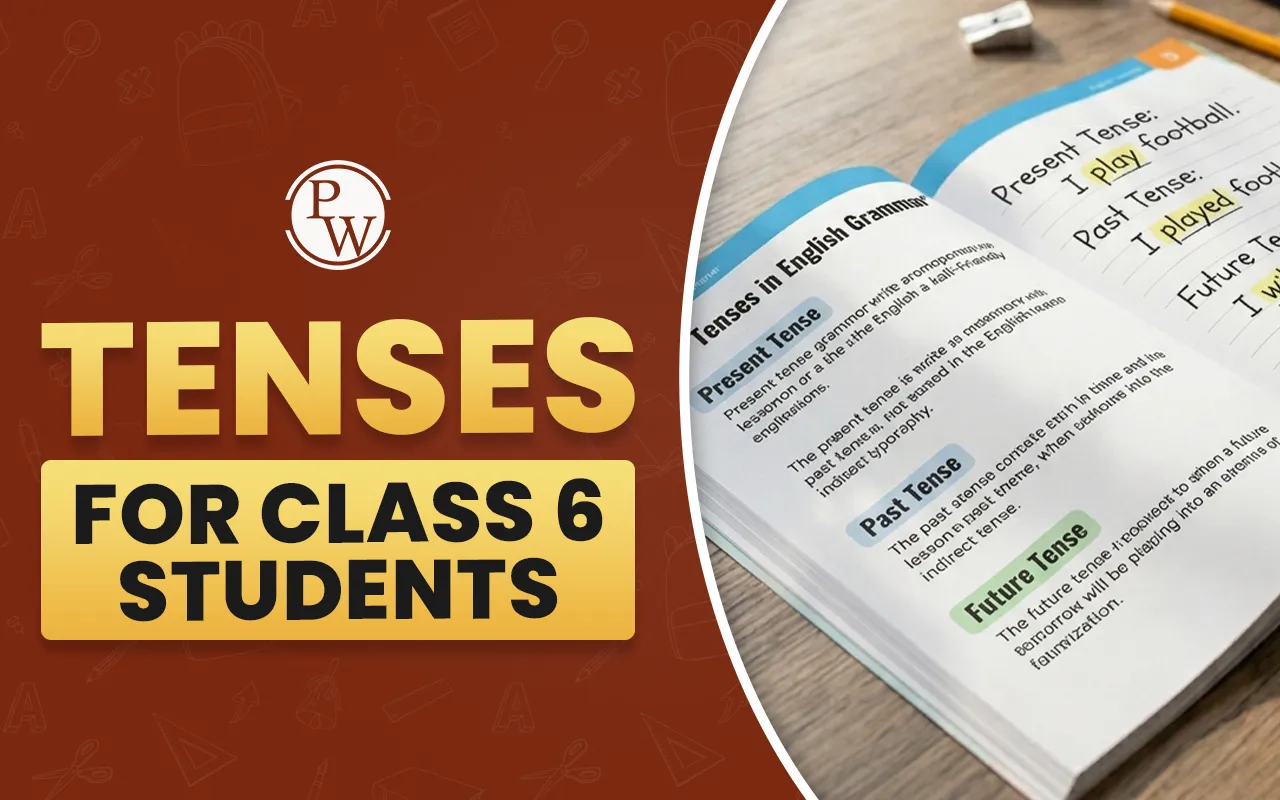
A tense is a form of a verb that shows when an action or event happens. It tells us whether an action takes place in the present, happened in the past, or will happen in the future.
Here are three simple examples:
-
Present tense: I play football every evening.
-
Past tense: I played football yesterday.
-
Future tense: I will play football tomorrow.
The verb changes according to the time and meaning of the sentence. Learning tenses helps Class 6 students write correct sentences, understand passages, and communicate clearly in English.
At CuriousJr, students can practise tenses with worksheets and answers designed for Class 6 to strengthen their grammar knowledge and sentence formation skills.
Tenses Worksheet for Class 6 with Answers
Practise the following questions to understand how different tense forms work. Try answering each question before checking the answer key.
Fill in the Blanks
Choose the correct verb form to complete each sentence.
-
The sun _____ in the east every day. (rise/rises)
-
I _____ to the market yesterday. (go/went)
-
She _____ her homework right now. (is doing/did)
-
We _____ a movie tomorrow. (will watch/watched)
-
The birds _____ in the sky when it started raining. (were flying/are flying)
-
They _____ the match before the rain started. (had won/win)
-
She _____ a letter every week. (writes/wrote)
-
I _____ my homework already. (have finished/finished)
-
He _____ football when I called him. (was playing/is playing)
-
We _____ to the museum next Sunday. (will go/went)
Answers
-
rises
-
went
-
is doing
-
will watch
-
were flying
-
had won
-
writes
-
have finished
-
was playing
-
will go
Choose the Correct Tense
Select the correct verb form in each sentence.
-
Riya _____ to school every day.
-
a) go
-
b) goes
-
c) went
-
They _____ cricket yesterday.
-
a) play
-
b) are playing
-
c) played
-
I _____ my project now.
-
a) am completing
-
b) completed
-
c) will complete
-
We _____ our grandparents tomorrow.
-
a) visited
-
b) visit
-
c) will visit
-
She _____ the book before the class started.
-
a) had read
-
b) reads
-
c) is reading
-
They _____ for two hours before the teacher arrived.
-
a) had been waiting
-
b) wait
-
c) will wait
Answers: 1. b) goes; 2. c) played; 3. a) am completing; 4. c) will visit; 5. a) had read; 6. a) had been waiting.
CuriousJr English learning classes help Class 6 students understand present, past, and future tenses through grammar exercises, worksheets, and practical examples that improve their English skills.
Types of Tenses for Class 6
There are three main groups of tenses: present, past, and future. Each group has four forms: simple, continuous, perfect, and perfect continuous. These forms help explain whether an action happens regularly, is in progress, has been completed, or has continued for a period of time.
1. Present Tense
Present tense describes habits, regular activities, facts, actions happening now, and actions connected to the present.
Simple Present Tense
The simple present tense describes habits, routines, and facts.
Structure: Subject + base verb (or verb with s/es for he, she, or it).
Examples:
-
I play cricket every Sunday.
-
She reads a book every night.
-
The sun rises in the east.
Present Continuous Tense
The present continuous tense describes an action happening now or around the present time.
Structure: Subject + is/am/are + verb-ing.
Examples:
-
I am reading a book.
-
She is writing a letter.
-
They are playing outside.
Present Perfect Tense
The present perfect tense describes a completed action that has a connection to the present.
Structure: Subject + has/have + past participle.
Examples:
-
I have finished my homework.
-
She has completed the project.
-
They have visited the museum.
Present Perfect Continuous Tense
The present perfect continuous tense describes an action that began in the past and has continued up to the present.
Structure: Subject + has/have been + verb-ing.
Examples:
-
She has been studying for two hours.
-
They have been playing since morning.
2. Past Tense
Past tense describes actions or events that happened earlier. Different past tense forms show whether an action was completed, was in progress, or happened before another past event.
Simple Past Tense
The simple past tense describes a completed action in the past.
Structure: Subject + past form of the verb.
Examples:
-
I visited my grandmother yesterday.
-
She played tennis last Sunday.
-
They went to the park.
Past Continuous Tense
The past continuous tense describes an action that was in progress at a particular time in the past.
Structure: Subject + was/were + verb-ing.
Examples:
-
I was reading a book.
-
She was cooking dinner.
-
They were playing football.
Past Perfect Tense
The past perfect tense describes an action that happened before another past action.
Structure: Subject + had + past participle.
Examples:
-
The train had left before we reached the station.
-
She had finished her homework before dinner.
Past Perfect Continuous Tense
The past perfect continuous tense describes an action that continued for some time before another event in the past.
Structure: Subject + had been + verb-ing.
Example:
-
He had been studying for two hours before his friend arrived.
3. Future Tense
Future tense describes actions or events expected to happen later. The verb structure helps show whether an action will happen, will be in progress, or will be completed before a future time.
Simple Future Tense
The simple future tense describes an action that will happen in the future.
Structure: Subject + will + base verb.
Examples:
-
I will visit my aunt tomorrow.
-
She will complete her homework.
-
We will watch a movie tonight.
Future Continuous Tense
The future continuous tense describes an action that will be in progress at a particular time in the future.
Structure: Subject + will be + verb-ing.
Example:
-
I will be studying at 8 p.m.
Future Perfect Tense
The future perfect tense describes an action that will be completed before a particular future time.
Structure: Subject + will have + past participle.
Example:
-
I will have finished my homework by evening.
Future Perfect Continuous Tense
The future perfect continuous tense describes an action that will have continued for a period of time up to a particular point in the future.
Structure: Subject + will have been + verb-ing.
Example:
-
By next month, she will have been studying here for a year.
Also Read, Present indefinite tense with its definition, rules, and examples. Understand how to describe daily routines, habits, and general truths while improving English grammar and sentence formation.
Simple Present Tense Worksheet for Class 6
The simple present tense is used for daily routines, habits, general facts, and repeated actions. Complete these sentences using the correct form of the verb in brackets.
-
He _____ to school every day. (walk)
-
The Earth _____ around the Sun. (move)
-
My mother _____ tea every morning. (make)
-
Birds _____ in the sky. (fly)
-
Rohan _____ football after school. (play)
-
We _____ our homework in the evening. (do)
-
She _____ English very well. (speak)
-
The shop _____ at 9 a.m. (open)
Answers
-
walks
-
moves
-
makes
-
fly
-
plays
-
do
-
speaks
-
opens
Present Tense Worksheet for Class 6
Identify the present tense used in each sentence.
-
I read books every day.
-
She is writing a letter.
-
They have completed their work.
-
He has been studying since morning.
-
The train arrives at 8 a.m.
Answers
-
Simple Present
-
Present Continuous
-
Present Perfect
-
Present Perfect Continuous
-
Simple Present
Past Tense Worksheet for Class 6
Fill in the blanks using the correct past-tense form of the verb in brackets.
-
She _____ a letter yesterday. (write)
-
We _____ to the park last Sunday. (go)
-
He _____ dinner before the guests arrived. (finish)
-
They _____ football when it started raining. (play)
-
I _____ the movie before you told me about it. (watch)
Answers
-
wrote
-
went
-
had finished
-
were playing
-
had watched
Also Read, Sequence of tenses in English grammar with its definition, rules, and examples. Learn how tenses work in main and subordinate clauses to write grammatically correct sentences.
Simple Past Tense Worksheet for Class 6
Choose the correct verb form to complete each sentence.
-
I _____ my friend yesterday.
-
a) meet
-
b) met
-
c) will meet
-
She _____ a cake last Sunday.
-
a) baked
-
b) bakes
-
c) will bake
-
They _____ to Delhi last month.
-
a) travel
-
b) travelled
-
c) will travel
-
He _____ his homework last night.
-
a) completed
-
b) completes
-
c) will complete
Answers
-
met
-
baked
-
travelled
-
completed
Mixed Tenses Worksheet for Class 6 with Answers
Choose the correct form of the verb in each sentence.
-
I _____ my homework every evening. (do/did/will do)
-
She _____ a story right now. (reads/is reading/read)
-
We _____ the zoo last week. (visit/visited/will visit)
-
They _____ to Mumbai next month. (travelled/travel/will travel)
-
He _____ dinner before his parents arrived. (had eaten/eats/will eat)
-
I _____ this book already. (have read/read/will read)
-
The children _____ outside when it began to rain. (were playing/play/will play)
-
She _____ for an hour before the teacher came. (had been studying/studies/will study)
Answers
-
do
-
is reading
-
visited
-
will travel
-
had eaten
-
have read
-
were playing
-
had been studying
Also Read, Simple present tense with its definition, rules, formula, and examples. Understand how to describe daily routines, habits, and general facts while improving English grammar and sentence formation.
Tense Exercise for Class 6
Rewrite each sentence using the tense given in brackets.
-
She plays tennis. (Simple Past)
-
They visit the museum. (Simple Future)
-
I read a book. (Present Continuous)
-
He completes his homework. (Present Perfect)
-
We watch a movie. (Past Continuous)
Answers
-
She played tennis.
-
They will visit the museum.
-
I am reading a book.
-
He has completed his homework.
-
We were watching a movie.
Tense Questions for Class 6
Choose the correct answer for each question.
-
Which sentence is in the simple present tense?
-
a) She went home.
-
b) She goes home every day.
-
c) She will go home.
-
Which sentence is in the simple past tense?
-
a) I play cricket.
-
b) I will play cricket.
-
c) I played cricket yesterday.
-
Which sentence is in the simple future tense?
-
a) We watched a movie.
-
b) We watch a movie.
-
c) We will watch a movie.
-
Which sentence uses the present continuous tense?
-
a) She is singing.
-
b) She sang.
-
c) She will sing.
-
Which sentence uses the past continuous tense?
-
a) They play football.
-
b) They were playing football.
-
c) They will play football.
Answers
-
b) She goes home every day.
-
c) I played cricket yesterday.
-
c) We will watch a movie.
-
a) She is singing.
-
b) They were playing football.
How to Choose the Correct Tense
Look at the time expression and the meaning of the sentence before choosing a verb form. Time clues can help you identify the likely tense, although the full sentence should always guide your choice.
|
Time or clue |
Likely tense |
Example |
|
Every day, usually, always |
Simple Present |
She walks to school every day. |
|
Now, at the moment |
Present Continuous |
She is reading now. |
|
Yesterday, last week |
Simple Past |
She visited us yesterday. |
|
An action in progress when another past event happened |
Past Continuous |
They were playing when I arrived. |
|
Tomorrow, next week |
Simple Future |
We will travel tomorrow. |
|
Already, just, yet |
Present Perfect |
I have finished my work. |
Tenses for Class 6: Verb Forms
Learning common verb forms helps students make sentences in different tenses. Regular verbs often form the past tense by adding -ed, while irregular verbs may change in different ways.
|
Base verb |
Past form |
Past participle |
Example |
|
play |
played |
played |
We played yesterday. |
|
go |
went |
gone |
I have gone to school. |
|
eat |
ate |
eaten |
She has eaten lunch. |
|
write |
wrote |
written |
He has written a letter. |
|
see |
saw |
seen |
I have seen the movie. |
|
take |
took |
taken |
She has taken the book. |
Tips for Practising Tenses for Class 6
Follow these tips to improve your understanding of tenses and perform better in grammar exercises.
-
Identify the time: Decide whether the action happens in the present, past, or future.
-
Look for time clues: Words such as yesterday, now, every day, and tomorrow can help you choose the correct tense.
-
Check the subject: Make sure the verb agrees with the subject, especially in the simple present tense.
-
Learn verb forms: Practise regular and irregular verbs, including their past forms and past participles.
-
Practise different exercises: Solve fill-in-the-blanks, multiple-choice questions, sentence-rewriting tasks, and mixed tense worksheets.
-
Review your answers: Read each completed sentence to check whether the verb form makes sense.
-
Learn from mistakes: Note the tense rules you find difficult and practise similar questions again.




Tenses Worksheet for Class 6 Students FAQs
What are tenses for Class 6?
How many types of tenses are there in Class 6?
What is a simple present tense example for Class 6?
How can I prepare for a Class 6 tense exercise?





Get Free Counselling Today
and Clear up all your Doubts
 Live & recorded classes available at easeDashboard for progress trackingLakhs of practice questions