How Online Learning is Changing the Future of Education?
 Jasdeep Singh3 May, 2025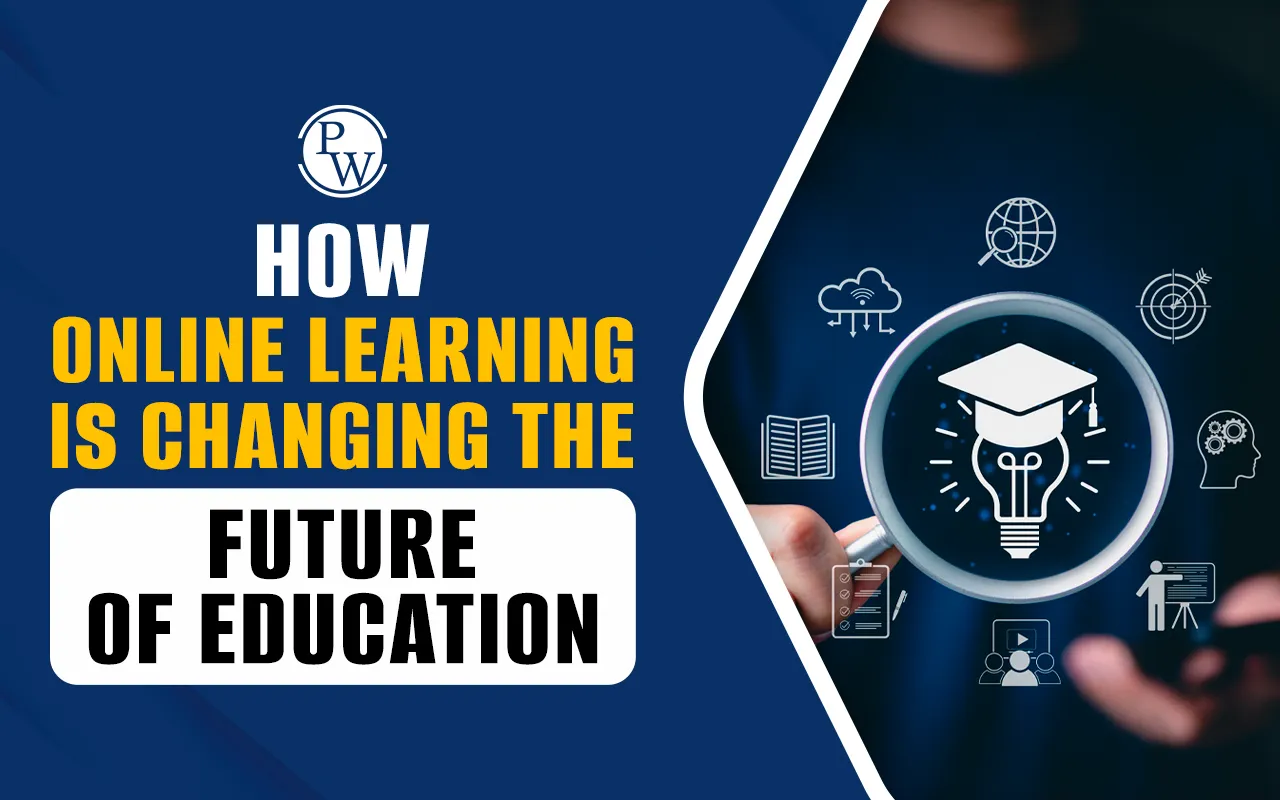
Education is evolving rapidly, and online learning is leading this change. No longer limited to physical classrooms, students can now access quality education from anywhere, at any time. Digital platforms have introduced new ways to learn that are flexible, interactive, and tailored to individual needs.
This shift is not just a temporary adjustment but a permanent step toward a more inclusive and adaptable education system. From schoolchildren to working professionals, online learning is opening new doors and redefining how knowledge is shared. This article explores how online learning is shaping the future of education across the world.
Tips to Keep Your Child Focused in Online Classes Without Supervision
The Rise of Online Learning: Why Now?
Online learning is not a completely new concept, but what is new is how quickly it has become a normal part of education.
Here are a few reasons why online learning has grown so rapidly:
-
The COVID-19 pandemic pushed schools and universities to adopt online teaching almost overnight.
-
Advancements in technology have made tools like Zoom, Google Classroom, and learning platforms widely available.
-
More institutions began offering fully online degrees and certification programs.
-
Students began seeking more flexibility in how they study and manage their schedules.
By 2028, over 950 million students are expected to take part in online education. This is not just a temporary shift. It represents a major transformation in how the world learns.
Tips to Overcome Shyness in Online Classes
How is Online Learning Reshaping Education?
Online learning is doing more than just replacing classrooms. It’s completely reshaping how education works. Here's how.
Flexibility and Full-Time Access
One of the biggest changes online learning brings is the flexibility to access lessons whenever and wherever you want You don’t have to follow a fixed schedule or be in a classroom to access your lessons.
Whether you prefer mornings or late nights, you can choose study hours that suit your focus. This flexibility helps you manage learning alongside work, personal interests, or family time. With thousands of online programs available, it is easier than ever to find courses that match your goals and interests.
Common Mistakes to Avoid in Online Learning
Faster Learning with On-Demand Access
Online learning makes education faster and more convenient by removing travel time and rigid schedules. Students can jump straight into lessons using a laptop or mobile device, accessing all course materials from home.
This freedom allows learners to move at their own pace, revisit topics when needed, and manage time more effectively. Whether it’s reviewing a difficult concept or preparing for a test, students can use their free time wisely, making learning more consistent and productive.
Choosing the Right Online Tutor: A Parent’s Guide
More Effective and Focused Learning
Online learning makes studying more effective by allowing students to control how they learn. Everyone follows the same pace in a classroom, but online platforms allow each student to focus on what they need most. If something is hard to understand, they can take extra time.
If it is easy, they can move ahead. Lessons are available anytime, so there is no need to wait. This helps students stay focused, avoid distractions, and remember more. Over time, this flexible approach leads to better understanding, stronger results, and a more confident learning experience.
Collaboration Beyond the Classroom
In an online environment, students aren't limited to working with classmates who sit next to them. Instead, they can connect with peers across the world, exchanging ideas and collaborating on projects in real time.
Through group chats, shared documents, video meetings, and discussion boards, learning becomes more interactive and social. This digital collaboration not only strengthens academic understanding but also builds communication and teamwork skills that are valuable in real-world situations.
Why Personalized Learning is the Future of Education
Learning Through Interactive and Creative Content
Online learning includes many different types of content that make studying more interesting and effective. Instead of just reading notes or watching slides, students can learn through videos, short tutorials, virtual reality activities, and even interactive games.
Some courses use real-life simulations where you can practice conversations or solve problems. Others include quick quizzes that give instant feedback. This wide range of learning formats helps students stay focused, understand lessons better, and choose the methods that work best for them.
The Role of Gamification in Online Education
Affordable Learning for Everyone
Studying online is often more affordable than traditional education. Without costs like commuting, housing, or physical materials, students can save money while still getting a quality education.
Many online courses are available for free or at a low price, and some let you learn at no cost unless you choose to earn a certificate. This makes education more accessible for people from different backgrounds and helps reduce financial pressure, giving more students a chance to reach their goals.
Screen Time and Online Learning: Finding the Right Balance
The Future of Online Learning
Digital learning continues to move forward, offering new experiences that were not possible even a few years ago. Innovations in education technology are opening up more interactive and personalized approaches to learning.
Virtual environments are beginning to simulate real-life situations, allowing students to apply knowledge in ways that feel practical and engaging. These advancements are especially valuable in subjects that benefit from hands-on experience.
Personalization is expected to become a major feature of online education. Smart learning platforms will be able to adjust content to match a student’s pace, preferences, and learning style. This shift makes learning more effective, especially for those who need extra time or a different method of instruction.
Another important development is the focus on short learning formats. Instead of long-term courses, many students are choosing brief, focused lessons that help them build specific skills quickly. This approach is ideal for working professionals or anyone looking to grow without committing to a full-time program.
As these changes continue, online education is set to become even more flexible, responsive, and widely available. Experience this new era of learning with CuriousJr. Interactive online classes for grades 1 to 9 are just a click away.