The Role of Gamification in Online Education: Making Learning Fun and Interactive
 Jasdeep Singh25 Apr, 2025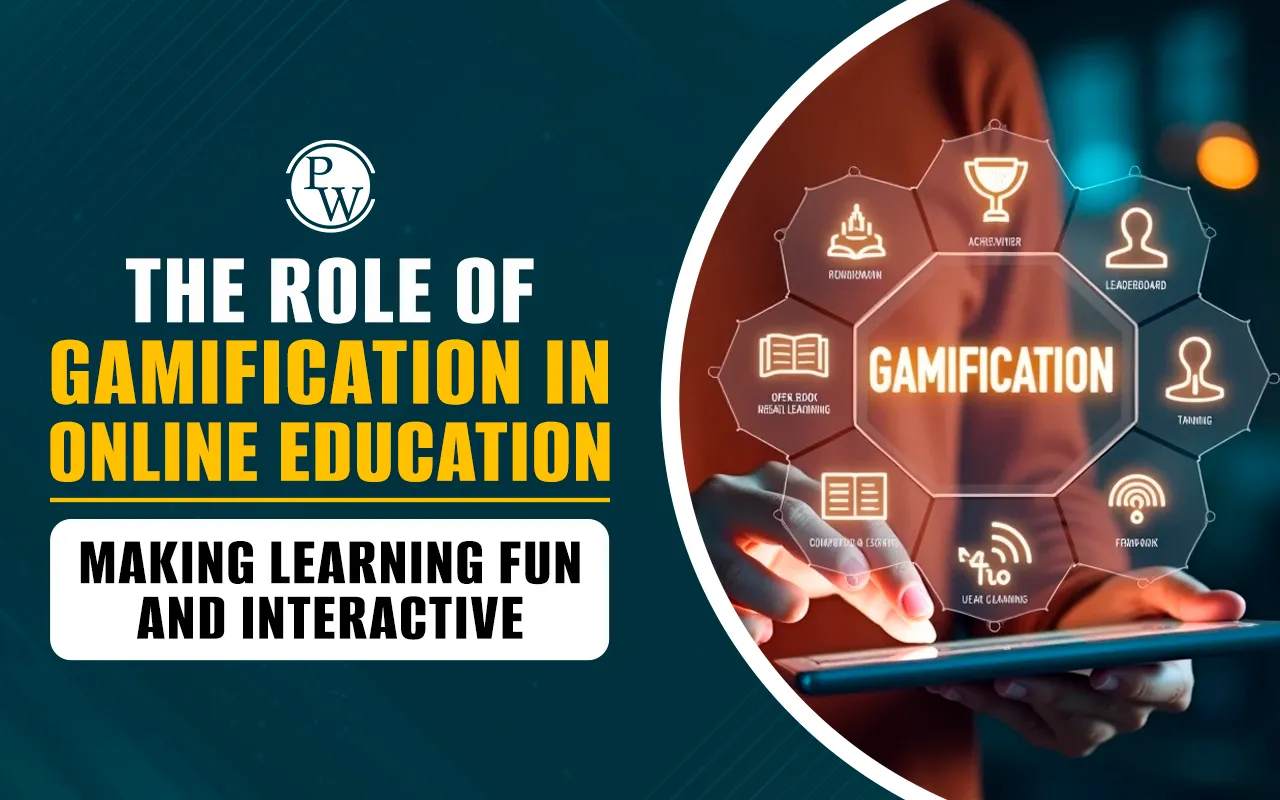
Students learn best when they are actively involved and excited about what they study. Traditional teaching methods that focus mainly on lectures and memorization often fail to create lasting interest.
Gamification introduces a fresh approach by adding challenges, rewards, and storytelling into the learning process.
It transforms lessons into active experiences that capture attention, encourage participation, and make education more meaningful.
In this blog, we will discuss the benefits of gamification, the challenges it presents, and strategies to implement it in online education.
How to Manage Time Effectively While Studying
Why Gamification Matters in Online Learning?
Let’s explore why gamification plays an important role in reshaping online learning.
1. Breaking the Routine
Traditional learning often becomes monotonous, especially online. Gamification introduces surprise, excitement, and interactive challenges that break the cycle of boredom. Students stay curious and eager to move forward, making each lesson exciting and refreshing.
2. Connecting with Digital Natives
Students today grow up using apps, games, and social platforms every day. Gamification matches their everyday experiences by creating engaging activities they recognise and enjoy, making learning more interesting and relatable rather than outdated or boring.
3. Encouraging Active Learning
Instead of passively absorbing information, gamification turns students into active participants. They make decisions, solve problems, and complete challenges, allowing them to engage more deeply with the subject and develop stronger understanding through hands-on experience.
How to Improve Memory for Studying Better
Benefits of Gamification in Online Education
Let's explore how gamification in online education benefits students.
1. Boosting Engagement and Motivation
Rewards like points, badges, and leaderboards make students feel recognised and appreciated for their efforts. These elements tap into the brain’s reward system, inspiring consistent participation and building excitement around everyday learning activities.
2. Building Problem-Solving and Critical Thinking
Gamified learning often involves real-world scenarios or creative challenges. Students must use logic, teamwork, and critical thinking to succeed. This method helps shape adaptable minds to tackle complex problems inside and outside the classroom.
3. Personalizing the Learning Journey
Gamified platforms allow students to monitor their progress, set individual goals, and move at their own pace. Personalized pathways ensure that learners face the right level of challenge at the right time, boosting both confidence and motivation.
The Importance of Revision Before Exams
4. Strengthening Teamwork and Collaboration
Group quests and shared achievements teach students how to collaborate, communicate, and support one another. Developing strong social skills alongside academic knowledge prepares students for success in future careers and community life.
5. Providing Real-Time Feedback
Gamification gives students immediate responses to their actions. Instant feedback helps learners quickly spot areas for improvement, make adjustments, and better understand concepts, helping them stay confident and in control.
6. Supporting Better Memory and Retention
Interactive challenges and games create memorable learning experiences. Students who enjoy the process are more likely to retain what they learn, making gamification a powerful tool for long-term knowledge building.
How to Write Better Answers in Exams
Key Strategies for Implementing Gamification in Online Classes
Let’s explore how to implement gamification strategies effectively in online classes to boost learning.
1. Reward Systems
Simple points for completing tasks or participating actively give students a clear sense of progress. Seeing their achievements builds self-esteem and motivates learners to aim higher with every step they take in their courses.
2. Achievement Badges
Badges act as visible markers of success. They celebrate milestones reached and skills mastered. Students feel a sense of pride when collecting badges, and these visual achievements encourage them to continue striving for more.
Tips for Overcoming Exam Stress and Anxiety
3. Friendly Leaderboards
Leaderboards introduce friendly competition, motivating students to improve without feeling overwhelmed. When designed positively, they showcase personal growth, teamwork, and effort, ensuring that every learner finds a reason to feel proud.
4. Quests and Challenges
Turning learning into missions or quests makes lessons feel like exciting journeys. Students work toward clear goals by solving problems, completing projects, or reaching certain skills, all while experiencing the satisfaction of completing an adventure.
5. Custom Avatars and Role-Playing
Allowing students to create avatars or take on roles encourages deeper emotional engagement. Role-playing activities tap into imagination, making learning more relatable, immersive, and memorable for students of all ages.
6. Surprise Elements
Unexpected rewards, secret bonuses, and surprise challenges keep the energy high. Students stay curious about what’s coming next, preventing the boredom that can sometimes settle into long learning programs.
7. Progress Tracking
Dashboards that show student progress help learners see how far they have come. By visualizing growth and celebrating every milestone, students are motivated to keep pushing forward and reaching new levels of achievement.
Best Study Techniques for Slow Learners
Common Challenges and How to Overcome Them
Let’s uncover common challenges in gamification and smart ways to keep learning positive and meaningful.
1. Focus on Learning, Not Just Rewards
If students chase badges without understanding the content, the purpose of education is lost. Teachers must design rewards around meaningful learning goals so every achievement builds real skills and knowledge.
2. Balancing Competition
Too much competition can discourage some students. By mixing competition with collaboration and celebrating improvement, educators can create an environment where every student feels valued, regardless of their rank.
3. Designing Meaningful Challenges
Challenges that are too easy or too repetitive lose their impact. Effective gamification includes a range of creative, age-appropriate, and thought-provoking challenges that require students to think, apply, and grow continuously.
The Future of Gamification in Online Education
Gamification is set to reshape online education with the rise of artificial intelligence, virtual reality, and immersive technologies. Learning will become more interactive, personalized, and experience-driven. Students will explore real-world applications of subjects through hands-on simulations, quests, and scenario-based learning.
Future classrooms will use AI to adjust difficulty levels based on individual progress, while VR will offer lifelike environments for problem-solving and exploration. EdTech platforms will increasingly merge gamification with Big Data, cloud learning, and mobile technology to boost engagement and practical understanding.
As gamified learning environments grow, education will focus more on building creativity, cognitive stamina, and emotional connections, making learning more exciting, relatable, and impactful.
Give Your Child the Joy of Learning with Curious Junior
Children learn best when they enjoy every moment of the journey. At Curious Junior, we bring learning to life through live- interactive online classes for students 1 to 8 with story-driven lessons and fun gamified activities.
We teach English, Math, Science, and Social Studies, helping children understand concepts easily while building creativity, problem-solving, and communication skills.
Enroll now and make learning a joyful adventure for your child with Curious Junior!