How to Overcome Shyness in Online Classes: Tips for Parents and Kids
 Praveen Singh25 Apr, 2025
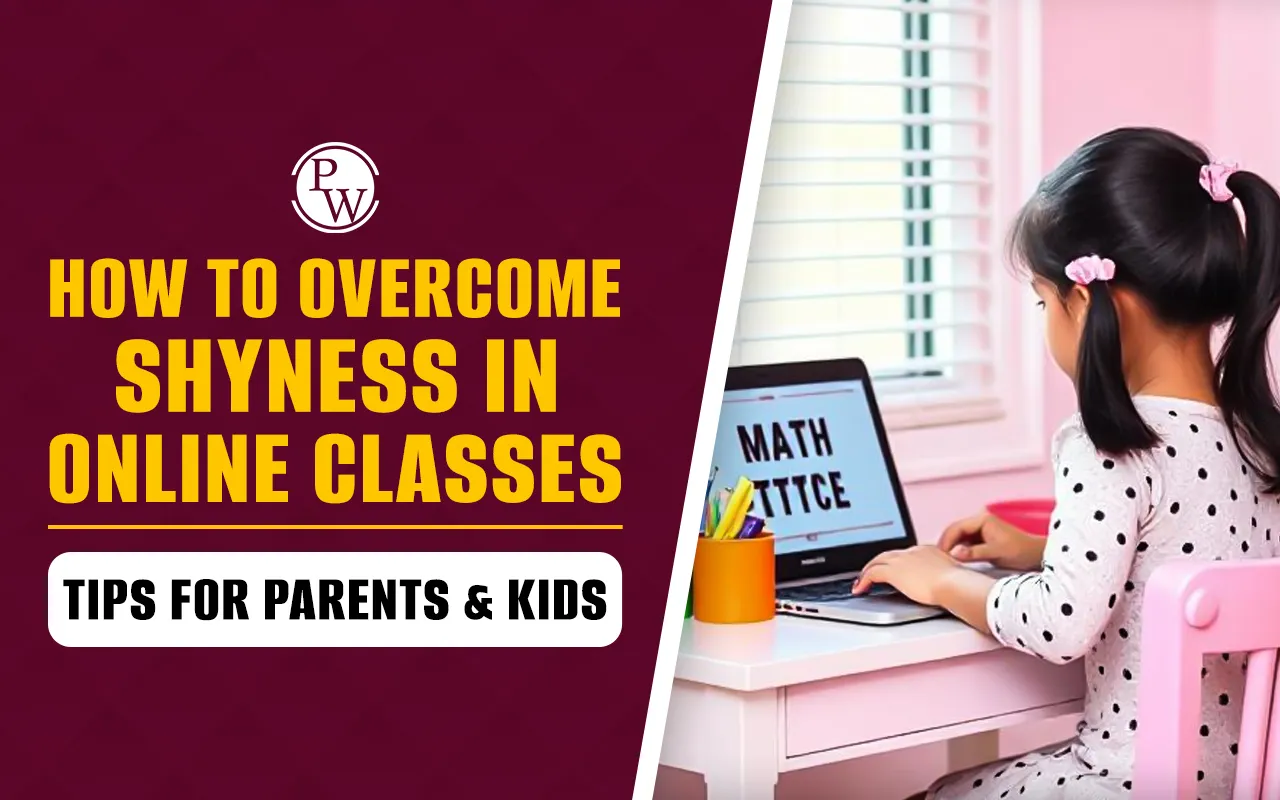
Online classes have become a regular part of life for children everywhere. They allow students to learn from home, stay safe, and use technology in new ways. But not all children feel comfortable learning through a screen.
In fact, many become even quieter or unsure of themselves. Shyness during online learning is something many families are noticing more and more. In a classroom, a child might slowly build up courage to raise their hand or talk to a friend.
However, in an online setting, that process can feel much harder. They might worry about speaking up, turning on their camera, or even just being seen by others. This can make learning less enjoyable and more stressful.
The good news is that shyness is not permanent. It can soften over time with support, understanding, and practice. Parents can play a gentle and important role in helping their children feel more confident during online classes.
Tips to Keep Kids Engaged in Online Learning Without Losing Focus
What Makes Children Shy During Online Classes?
Shyness in online classes can come from many sources. It is not just about being naturally quiet. Some children who are usually talkative in person can suddenly feel withdrawn when learning online. Here are some of the most common reasons why children feel shy in virtual classrooms.
Camera Worries and Feeling Exposed
One big reason children feel shy online is the presence of the camera. When they turn it on, they suddenly see their own face, hear their voice, and become more aware of how they appear to others.
They might think their classmates are staring at them or judging how they look or speak.
This can make even the simplest task, like answering a question, feel scary.
Parents may hear their child say things like:
-
What if I look weird?
-
I don’t like how I sound.
-
What if I mess up and everyone hears?”
These are real feelings, and they can stop children from participating.
Tips to Prepare Your Child for Exams Without Stressing Them Out
Less Personal Connection with Peers
In a regular classroom, children talk to each other during lunch, between lessons, or while doing group work. These moments help them build friendships and feel part of the group. In online classes, those little interactions often do not happen. Without that sense of friendship, children feel more alone and less likely to speak up.
Fewer Group Conversations
Online learning often focuses only on lessons and tasks. Teachers are under pressure to move through material, and there may not be time for side chats or casual group discussions.
Children who usually warm up by working in pairs or small groups may feel left out. If there is no space for friendly conversation, children might feel like they are just sitting alone, watching a screen.
Teachers Cannot Always Notice Nervousness
In person, a teacher might notice if a student looks unsure or is about to speak but hesitates. Online, it is harder to pick up on those small signs. Children who need a little nudge or smile of encouragement may not get it, simply because the teacher cannot see it happening.
Tips to Improve Your Child’s Exam Performance with Mock Tests
Tips for Parents: Helping Your Child Overcome Shyness in Online Classes
Parents have a gentle but meaningful role to play when their child is struggling with shyness in online learning. Here are some caring, thoughtful ways to support them from home.
Accept Their Feelings Without Pressure
Start by letting your child know that feeling shy is completely okay. It is a normal part of growing up, especially when something feels unfamiliar or new. You can help by staying calm and not rushing them to “just get over it.”
Say things like: “You do not have to speak right away. You can take your time.” “I understand this is new and it might feel a little strange. That is okay.”
Let your child feel seen and heard. The goal is to help them feel safe, not pushed.
Create a Calm and Cozy Study Area
Make sure your child has a spot where they can focus and feel relaxed. Choose a place with good lighting, where they will not be easily distracted. Help them make it feel special—a small desk lamp, a cozy chair, or a favorite soft toy nearby can bring comfort.
Let your child help design the space. When they feel in control of their environment, they feel more ready to learn.
If possible, sit nearby during their first few classes—not to watch over them, but just to be close in case they need reassurance. Sometimes, just knowing a parent is nearby helps children feel braver.
Time Management Strategies for Kids
Practice Speaking in a Fun, Low-Stress Way
Speaking in front of a group can feel awkward. Help your child get used to hearing their voice and seeing their face on screen in small ways. Try these fun ideas:
-
Have pretend lessons where your child is the teacher.
-
Use a phone or tablet to record silly “news reports” or storytelling sessions.
-
Call grandparents or cousins and let your child lead the chat.
These playful moments help your child speak with less fear and more ease. Over time, it becomes just another skill they use without thinking.
Set Small, Simple Goals and Celebrate Progress
Instead of focusing on big changes, help your child build confidence step by step. Set small weekly goals, such as:
-
Saying “good morning” in the chat
-
Asking the teacher one question
-
Turning on the camera for part of the lesson
After each goal, talk about how it went. Celebrate their effort with kind words or even a sticker or reward. Remind them that trying is more important than getting it perfect.
Say things like: “I saw you unmute today. That took courage. I am really proud of you.”
Encourage Social Time Outside of Class
When children have friends, even just one or two, class participation feels easier. Help your child connect with classmates outside the classroom if possible. Set up playdates, short video calls, or group projects with kids from their class.
You can also explore online clubs or group activities that match your child’s interests—art, games, books, or nature. These settings help children connect in relaxed, enjoyable ways.
The more they talk with others, the more comfortable they become.
Choosing the Right Online Tutor: A Parent’s Guide
Talk to Their Teacher and Share What You See
Teachers want students to feel comfortable. If your child is nervous, reach out to the teacher and explain a little about their personality. Ask if the teacher can:
-
Give your child extra time to answer questions
-
Use the private chat box as a way to respond
-
Pair your child with a friendly student for group work
When teachers and parents work together, children feel more supported on both ends.
Avoid Describing Them as “Shy” in Front of Others
Be mindful of how you talk about your child around friends, family, or teachers. Calling them “shy” too often can make them believe they cannot change. It becomes part of how they see themselves.
Instead of labels, describe what they are doing well or what they are working on.
Say: “She takes her time to warm up, but she is trying more each week.” “He likes to observe first, and then join in when he feels ready.”
This allows space for growth and lets your child see that change is possible.
Effective Study Techniques for Online Students
Praise the Effort, Not Just the Outcome
Children thrive when their small efforts are noticed. They may not always speak loudly or stay on camera the whole time. But if they tried something new, that is a win.
At the end of the school day, ask them how it went. Focus on what they tried and remind them that even small steps are important.
Say: “You joined the class activity today. That is amazing.” “I know that was hard for you, but you still did it.” Your praise builds their belief in themselves.
To support children who feel shy or unsure in online learning, Curious Junior offers live interactive audio and video classes where they can ask questions, take part in group learning, and grow steadily in subjects like English, Maths, and more.
Our sessions are structured to help children participate with ease and gain confidence in every class. Enrol today and help your child start learning with comfort.