
What Are Common Grammar Errors at the Key Level and How Do Online Classes Fix Them?
 Nikita Aggarwal18 Jun, 2026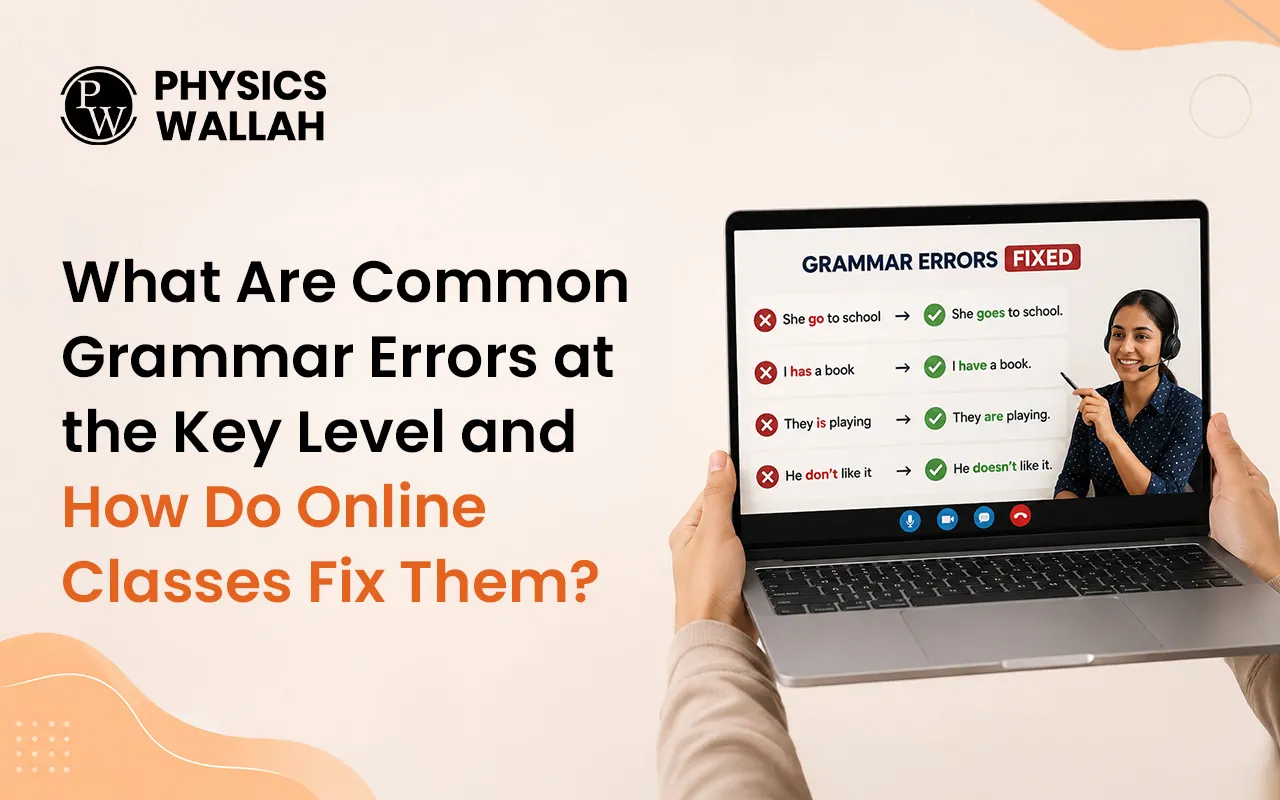
Why Do Students Make Common Grammar Errors Cambridge Key A2 Level?
Linguistic development at the elementary stage involves a natural process of trial and error. When identifying common grammar errors at the Cambridge Key A2 level, educators notice that most mistakes stem from a few predictable sources.
-
First-Language Interference: Students often apply the grammatical rules, syntax, and word order of their native tongue directly to English. This literal translation leads to awkward sentence structures and unnatural phrasing.
-
Overgeneralisation of Rules: Once young learners discover a grammatical pattern, they tend to apply it universally. For example, after learning that past-tense verbs end in "-ed", they regularly create incorrect forms like "runned" or "goed".
-
Systemic Confusion: Prepositions, articles, and auxiliary verbs do not always have direct equivalents in other languages. This lack of a direct parallel makes these small parts of speech particularly challenging for young minds to master.
Understanding the root cause of these common grammar errors at the Cambridge Key A2 level changes the teaching approach from simple frustration to targeted correction. When an educator understands why a student writes a specific phrase, they can design a focused exercise to fix the core misunderstanding.
Common Grammar Errors Cambridge Key A2 Level in Sentence Structure
At the elementary tier, sentence structure slips generally fall into a few clear categories. Analyzing these specific Cambridge Key grammar mistakes reveals where young learners require the most guidance.
Subject-Verb Agreement Inconsistencies
Maintaining harmony between the subject and the action word remains a frequent challenge. Learners often forget to append the final "-s" or "-es" when writing about a singular third-person entity in the present simple tense.
-
Incorrect: "The family house are very big and it have ten rooms."
-
Correct: "The family house is very big and it has ten rooms."
-
Incorrect: "Sarah want telling you about her experience."
-
Correct: "Sarah wants to tell you about her experience."
Misuse of Infinitives and Gerunds
Choosing whether to follow a primary verb with a gerund (an "-ing" form) or a infinitive ("to" + verb) causes widespread confusion. Students frequently mix these patterns or combine them incorrectly.
-
Incorrect: "She doesn't like go parties because she enjoys stayed at home."
-
Correct: "She doesn't like going to parties because she enjoys staying at home."
-
Incorrect: "I hope see you soon because I hope repeat this trip."
-
Correct: "I hope to see you soon because I hope to repeat this trip."
Literal Phrasing and Syntax Distortions
Young minds regularly assemble English sentences using the descriptive patterns of their native language. This habit results in misplaced adverbs or objects placed far away from their actions.
-
Incorrect: "I improved a lot my English during the holiday."
-
Correct: "I improved my English a lot during the holiday."
-
Incorrect: "I saw under the sofa a small decorated egg."
-
Correct: "I saw a small decorated egg under the sofa."
|
Error Type |
Incorrect Example |
Corrected Version |
Core Rule Broken |
|
Agreement |
They was talking with me. |
They were talking with me. |
Plural past tense agreement |
|
Verb Pattern |
Thanks for write to me. |
Thanks for writing to me. |
Prepositions require gerunds |
|
Syntax |
I speak very well English. |
I speak English very well. |
Adverb must follow the direct object |
Read More - Build Vocabulary without Memorizing (Level Key)
Common Grammar Errors Cambridge Key A2 Level With Prepositions and Nouns
Minor words often cause the biggest confusion. When analyzing A2 English errors, slips involving prepositions of place, destination markers, and noun countable rules top the list.
Confusion Between In, At, and On
Selecting the correct preposition remains a major hurdle. Young learners frequently swap these markers when discussing locations, physical objects, or time frames.
-
Incorrect: "The figures are not available in the moment."
-
Correct: "The figures are not available at the moment."
-
Incorrect: "She sat in the living room with the letter on her hands."
-
Correct: "She sat in the living room with the letter in her hands."
The "Arrived To" Destination Trap
Because verbs of movement often require the word "to", students automatically apply this rule to the verb "arrive". This results in a very common structural slip.
-
Incorrect: "When I arrived to London, I went straight to the airport."
-
Correct: "When I arrived in London, I went straight to the airport."
-
Incorrect: "When I arrived to home, my mother was waiting for me."
-
Correct: "When I arrived home, my mother was waiting for me."
Incorrect Pluralisation of Nouns
Certain nouns feature irregular plurals or remain completely uncountable. Learners tracking A2 English errors often apply regular plural endings to words that do not accept them.
-
Incorrect: "They are happy because they have two childrens."
-
Correct: "They are happy because they have two children."
-
Incorrect: "I had a major problem with my luggages at the terminal."
-
Correct: "I had a major problem with my luggage at the terminal."
ead More - Full Sentence Speaking Practice for Kids Learning English (Key Level)
How to Fix Common Grammar Errors Cambridge Key A2 Level
Improving grammar skills requires regular practice and engaging learning activities. To fix English grammar Class 5 6, students learn best when grammar rules are taught through practical examples and interactive exercises rather than repetitive memorization.
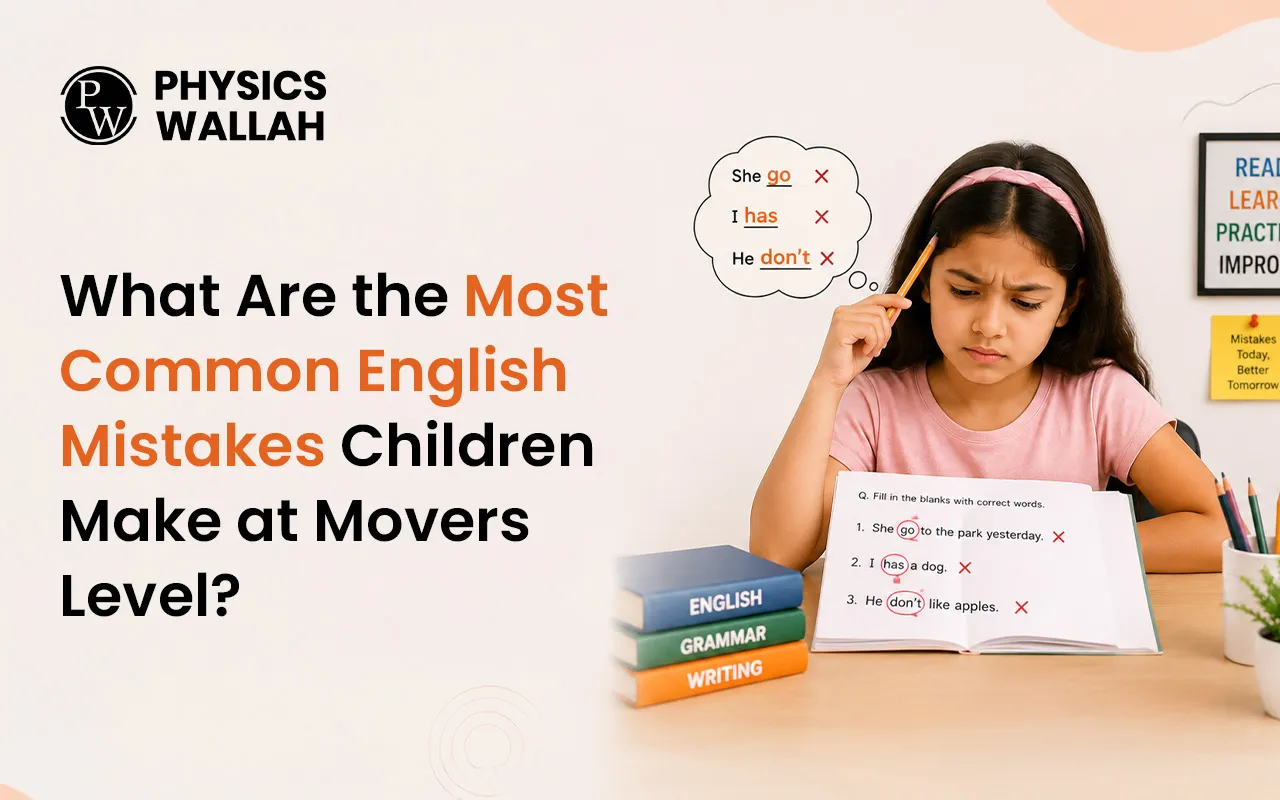
Use Visual Error Examples
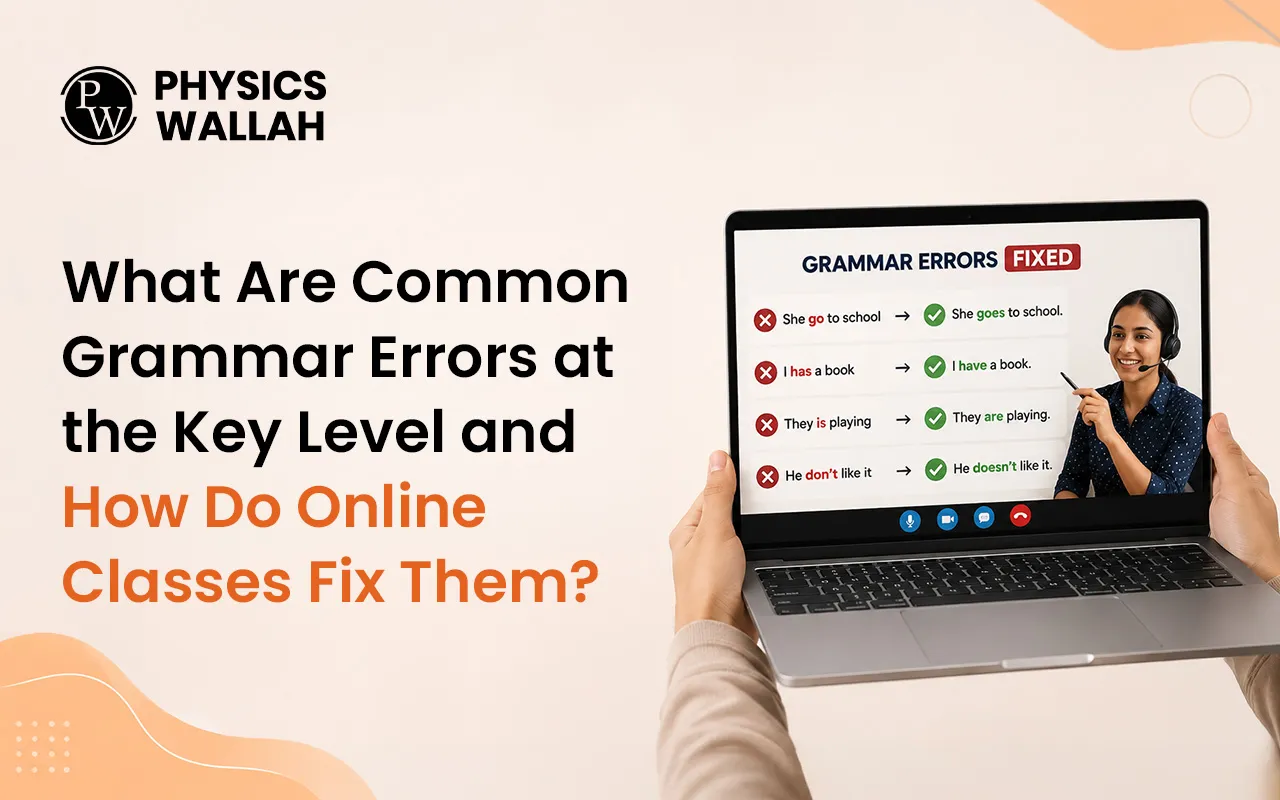
Showing students common grammar mistakes alongside the correct version helps them understand the difference more clearly. Visual comparisons make it easier to recognize and avoid similar errors in the future.
Practice Sentence Rebuilding Activities
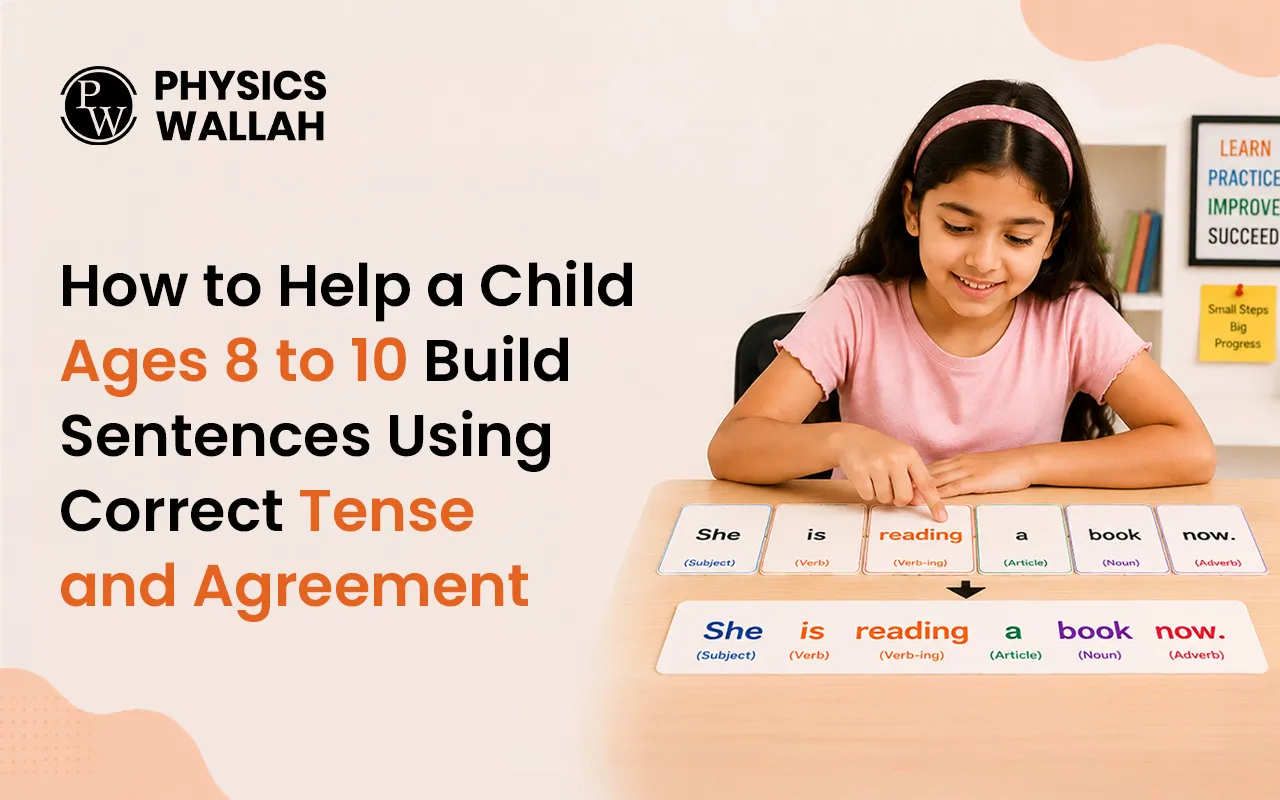
Sentence-building exercises encourage students to arrange words in the correct order. These activities help learners understand sentence structure, grammar rules, and proper word placement naturally.
Encourage Context-Based Writing
Students should regularly write short paragraphs, emails, diary entries, or simple stories about familiar topics. Writing in real-life contexts helps them apply grammar rules while improving communication skills.
Provide Regular Feedback
Timely feedback helps students identify mistakes and learn the correct grammar patterns. Understanding errors early prevents them from becoming long-term habits. By combining interactive activities, practical writing tasks, and regular feedback, students can strengthen their grammar skills and build a strong foundation for future academic success.
Online English Correction for Common Grammar Errors Cambridge Key A2 Level
-
Many students do not receive detailed feedback on every piece of writing they complete at school. This is where online English correction A2 programs can provide valuable support. These platforms help students identify and fix common grammar errors at the Cambridge Key A2 level through regular practice and instant feedback.
-
Instant Error Detection: Online correction tools quickly identify grammar mistakes such as incorrect verb forms, subject-verb agreement errors, and wrong prepositions. Students can see their mistakes immediately and learn the correct usage.
-
Personalized Learning Support: Many platforms track a student's progress and identify areas that need improvement. If a learner repeatedly struggles with a particular grammar topic, they receive additional exercises and practice opportunities.
-
Improved Writing Accuracy: Regular correction helps students develop better writing habits and reduces common grammar mistakes over time.
-
Targeted Grammar Practice: Students receive focused activities based on their individual learning needs, helping them strengthen weaker areas more effectively.
-
Confidence Building: Seeing mistakes corrected in real time helps learners understand grammar rules more clearly and apply them with greater confidence in future writing tasks.
By combining instant feedback with personalized practice, online English correction programs help students improve grammar accuracy and develop stronger communication skills for school and everyday use.
Cambridge Key Online Classes for Common Grammar Errors Cambridge Key A2 Level
Joining Cambridge Key online classes can help students improve their grammar skills in a structured and interactive learning environment. These classes make it easier for young learners to understand and correct common grammar errors at the Cambridge Key A2 level, while also building their confidence in English.
-
Expert Teacher Support: Classes are taught by experienced language teachers who understand the common mistakes students make and help them learn the correct grammar rules.
-
Interactive Learning: Students can participate in live discussions, ask questions, and practise grammar through engaging activities and exercises.
-
Peer Learning Opportunities: Learning with other students allows children to share ideas, practise speaking, and learn from common mistakes and corrections.
-
Digital Learning Tools: Online classes use visual presentations, digital whiteboards, quizzes, and educational games to make grammar lessons more interesting and easier to understand.
-
Better Communication Skills: Regular practice in reading, writing, listening, and speaking helps students use grammar correctly in both school assignments and everyday conversations.
These online classes help students move beyond learning grammar rules and focus on using English confidently in real-life situations.
How CuriousJr Helps with Common Grammar Errors Cambridge Key A2 Level
CuriousJr provides a structured learning program that helps students understand grammar in a simple and engaging way. The platform focuses on correcting common grammar errors Cambridge Key A2 students often make and helps them build strong language skills with confidence.
-
Interactive Learning Modules: Lessons are divided into small and easy-to-understand topics. This helps students learn grammar rules step by step without feeling confused or overwhelmed.
-
Live Expert Guidance: Students can join live sessions where experienced tutors explain grammar concepts and provide instant feedback. Teachers help students correct common mistakes related to prepositions, verb forms, sentence structure, and plural nouns.
-
Regular Grammar Practice: CuriousJr offers exercises, quizzes, and activities that give students plenty of opportunities to practise grammar rules and improve accuracy.
-
Writing and Speaking Activities: The platform includes both writing and speaking tasks so students can apply grammar rules in real situations. This helps improve communication skills and builds confidence in using English correctly.
-
Instant Feedback and Correction: Students receive immediate feedback on their answers, helping them identify mistakes and learn the correct grammar rules quickly.
With regular practice and expert support, CuriousJr helps students overcome common grammar errors at the Cambridge Key A2 level and develop stronger grammar skills for school exams and everyday communication.
Long Term Improvement Beyond Common Grammar Errors Cambridge Key A2 Level
The ages of 10 to 12 are very important for language development. During this stage, students move from using simple sentences to writing and speaking with more detailed and advanced language. Focusing on regular practice can lead to steady and lasting English grammar improvement 10 to 12.
Students can strengthen their grammar skills by reading different types of books, writing in a journal, and taking part in language activities and games. These habits help them learn new vocabulary, improve sentence structure, and use grammar rules more confidently.
Daily practice also helps students develop better reading, writing, speaking, and comprehension skills. Over time, they become more comfortable using English in both schoolwork and everyday conversations.
By improving grammar skills early, students build a strong foundation for future learning. Good grammar increases confidence, supports academic success, and prepares learners for more advanced English studies in the years ahead. Join CuriousJr online English Learning A2 level classes now.




What Are Common Grammar Errors at the Key Level and How Do Online Classes Fix Them? FAQs
What are the most common grammar mistakes made by Cambridge Key A2 level students?
How do Cambridge Key online classes help improve grammar skills?
Why do students find prepositions difficult to learn?
How can students improve their grammar skills over time?





Get Free Counselling Today
and Clear up all your Doubts
 Live & recorded classes available at easeDashboard for progress trackingLakhs of practice questions

