Will Quick Thinking and Strong English Skills Help My Child in Future Careers?
 Jasdeep Singh30 Apr, 2025

Quick thinking and strong English skills help children communicate clearly, solve problems faster, and adapt to different situations. These skills not only boost their confidence but also prepare them for better opportunities in the future.
Whether in school or the workplace, the ability to think on their feet and express ideas well can set them apart. As a parent, you can support your child in building these abilities early on.
This blog shares practical tips to help improve their thinking speed and language skills, giving them a strong foundation for future success.
Role of Reading in Improving English Vocabulary
The Role of English Skills in Career Success
English is widely used in business, education, and technology. Learning it well can help children find better opportunities in different fields. Here’s how:
1. Increased Job Opportunities
Many international companies prefer employees who can speak English fluently. Even in countries where English is not the main language, businesses often use it for meetings, emails, and presentations. A strong grasp of English will help children qualify for better jobs and stand out in the job market.
2. Higher Earning Potential
Research shows that people who are fluent in English tend to earn more than those who are not. Companies are willing to pay higher salaries to employees who can communicate with clients and colleagues worldwide. Being skilled in English can lead to career promotions and better financial stability.
3. Better Communication and Leadership Skills
Being able to express ideas clearly is an important skill in any profession. Children who practice English from an early age will develop confidence in speaking and writing.
This will help them in interviews, team discussions, and leadership roles in their future workplaces.
Why Learning English is Important for a Global Career
4. Access to Global Networking and Learning Opportunities
Fluency in English allows children to take part in international programs, attend online courses, and join discussions with experts worldwide.
They can gain knowledge from top universities, connect with professionals, and explore career opportunities in different countries.
Why Quick Thinking Matters in Career Growth?
Along with English skills, thinking fast and making good decisions are important for career success. People who can analyze situations quickly and find solutions are more likely to perform well in their jobs.
Here’s how quick thinking benefits career growth in different ways:
1. Faster Problem-Solving Skills
Workplaces often bring unexpected challenges that need immediate action. Employees who think quickly can assess situations, find solutions, and keep things running smoothly.
When problems are solved without delays, work productivity improves, and deadlines are met on time.
Employers value workers who can take control of a situation and act efficiently rather than waiting for instructions or overthinking decisions.
How to Improve English Speaking Skills at Home
2. Strong Leadership and Team Management
Employees who think fast are more likely to take initiative and handle responsibilities effectively. Leadership requires making quick decisions that impact team performance and company progress.
Good managers must keep projects moving forward, solve conflicts, and provide clear direction.
Those who develop quick-thinking skills early in their careers gain the confidence to manage teams and move into higher positions with greater responsibilities.
3. Confidence in Handling Unfamiliar Situations
New challenges and unexpected situations are common in any job. Employees who can think quickly remain calm, assess the situation, and respond appropriately.
Confidence in decision-making helps them take on new tasks without hesitation and adjust to sudden changes.
Employers appreciate workers who can handle pressure, make independent choices, and carry out their duties without needing constant guidance or reassurance.
4. Better Crisis Management
Every workplace experiences crises that require quick action, whether they involve technical failures, financial issues, or customer concerns. Employees who can analyze problems and make smart decisions help prevent further complications.
Quick-thinking individuals contribute to business stability by acting immediately to control the situation. Employers rely on such employees to handle difficulties smoothly, ensuring that disruptions do not affect long-term operations.
5. Higher Efficiency and Productivity
Employees who think fast complete tasks on time, avoid unnecessary delays, and make better use of available resources. Quick decision-making helps maintain workflow and ensures that business activities continue without interruption.
Workers who can analyze situations and take appropriate action improve overall efficiency in the workplace. Their ability to manage time well and prioritize tasks makes them valuable contributors to business success.
Easy Tips to Support Children in Improving English and Thinking Abilities
Parents and teachers play an important role in helping children build strong English skills and the ability to think quickly.
Developing both of these skills will prepare them for better opportunities in the future.
Here are some simple ways to help children improve in both areas:
1. Encourage Reading and Writing
Reading improves both language proficiency and critical thinking. Books, newspapers, and online articles help children expand their vocabulary, improve comprehension, and develop analytical skills.
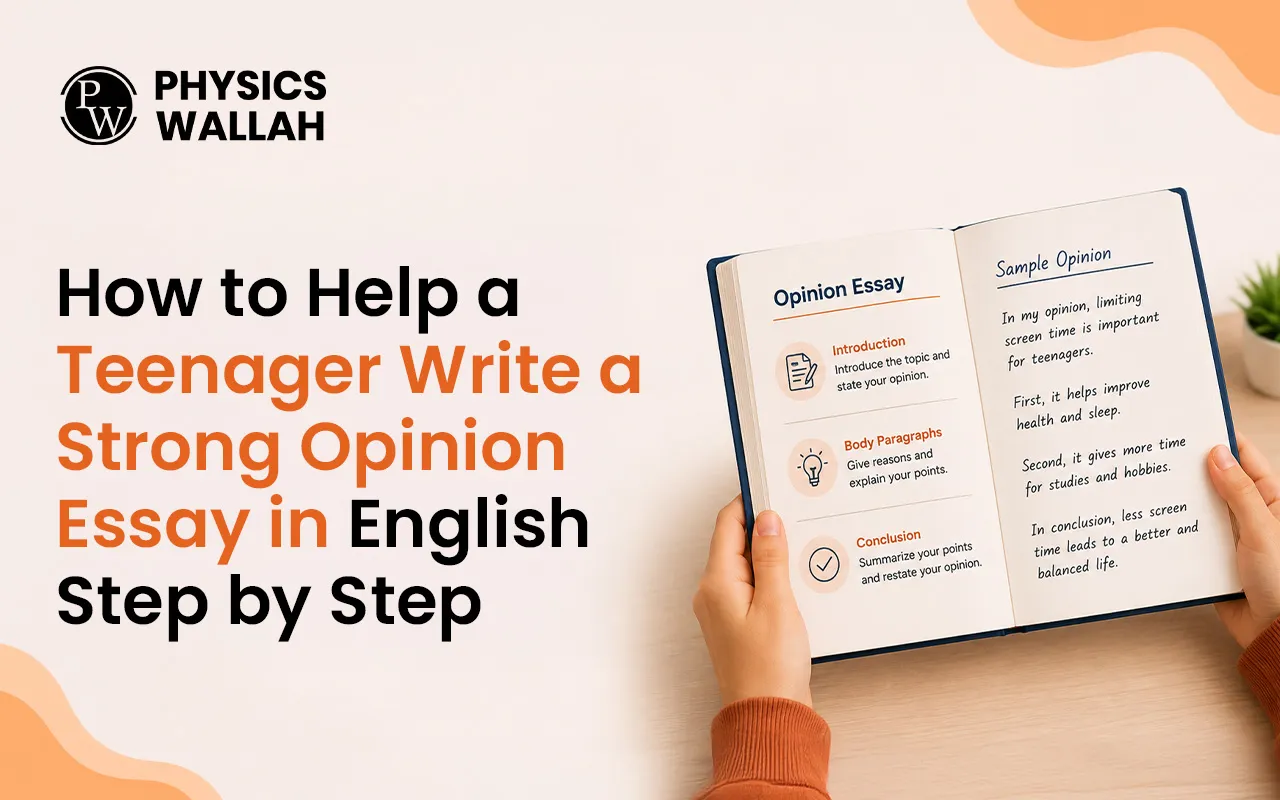
Writing activities, such as essays, journals, or storytelling, train them to organize their thoughts clearly and express their ideas with confidence.
A strong foundation in reading and writing helps them understand information quickly and respond effectively to different situations.
2. Engage in Conversations and Public Speaking
Speaking regularly helps children improve their fluency in English while also strengthening their ability to think on their feet.
Encouraging discussions at home, participating in group debates, and allowing children to express their opinions in front of others will boost their confidence.
Public speaking teaches them to process information quickly, structure their responses logically, and deliver their ideas clearly, which are valuable skills in any career.
3. Introduce Problem-Solving Games and Activities
Games that require strategic thinking and quick decision-making help children improve both their cognitive and language skills.
Puzzles, chess, word games, and memory challenges enhance logical reasoning, creativity, and the ability to respond swiftly.
Activities that require interpreting information and making fast choices encourage children to develop their problem-solving skills while improving their ability to explain their reasoning in English.
7 Daily Habits to Improve English Fluency
4. Expose Them to Global Media and Content
Watching documentaries, listening to educational podcasts, and reading international news in English helps children expand their knowledge while improving their language skills.
Exposure to diverse content trains them to think critically, analyze different perspectives, and stay informed about world issues.
Learning from different sources strengthens both comprehension and the ability to process information quickly, making them more adaptable in different situations.
The Power of Storytelling in Learning English
5. Encourage Quick Decision-Making in Daily Life
Giving children opportunities to make decisions in everyday situations helps improve their ability to think fast.
Simple activities like choosing between different solutions to a problem, planning schedules, or handling small responsibilities teach them how to assess situations quickly.
Discussing their choices and guiding them through the thought process helps them develop confidence in their ability to make sound decisions while communicating their reasoning effectively.
6. Promote Writing Under Time Constraints
Practising writing within a set time frame improves both language fluency and quick-thinking abilities.
Encouraging children to write short stories, summaries, or essays within a time limit trains them to organize their ideas efficiently.
This exercise enhances their ability to process thoughts quickly and communicate clearly under pressure, skills that are useful in both academic and professional settings.