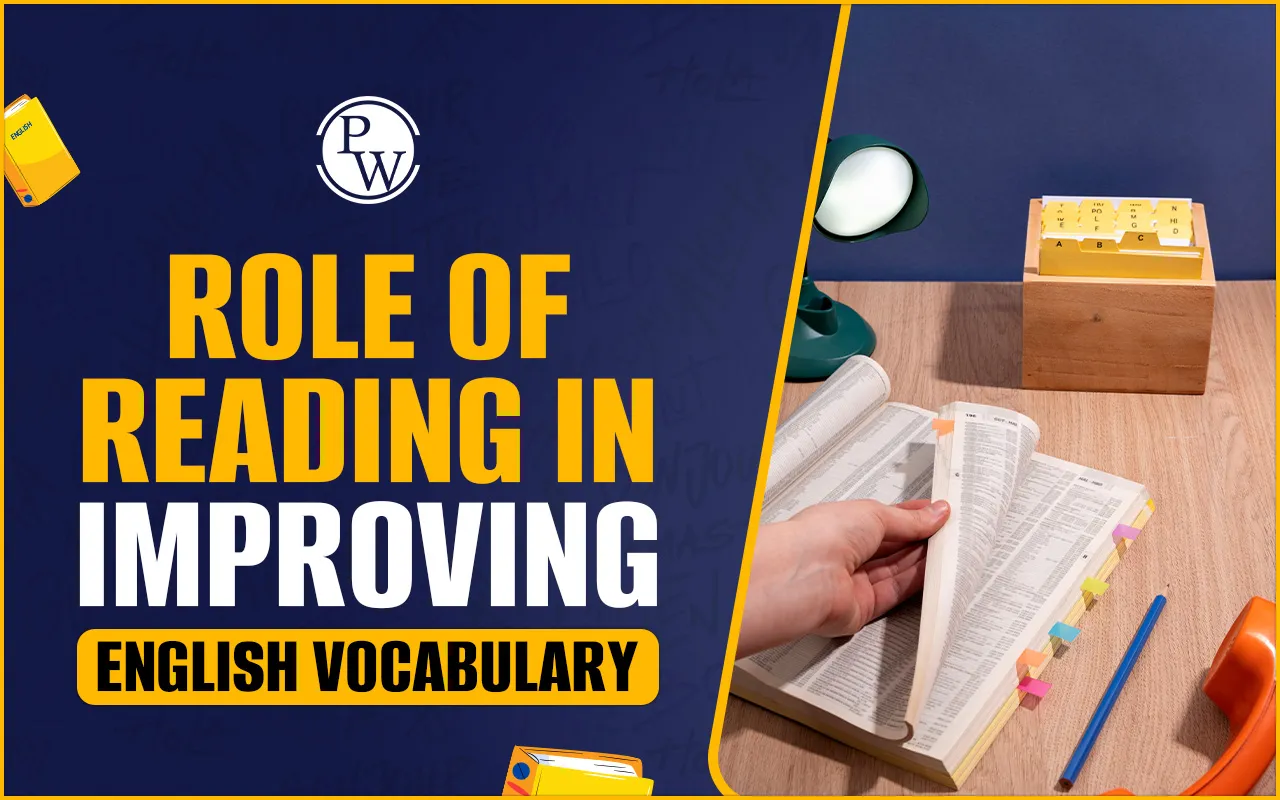
Role of Reading in Improving English Vocabulary
 Praveen Singh20 Jan, 2026
Reading is one of the best ways to expand your vocabulary effortlessly. It introduces new words in different contexts, making them easier to understand and remember.
Beyond vocabulary, reading also improves grammar, pronunciation, and sentence structure.
Whether it’s books, articles, or blogs, every reading experience enhances your language skills and boosts confidence in communication. Keep reading to discover how reading helps in vocabulary growth!
How does Reading help Strengthen Your Vocabulary Over Time?
Here are a few ways reading helps you discover new words and use them confidently in conversations.
1. Learning New Words Naturally
Reading helps you discover new words in a natural way. Instead of memorizing word lists, you learn words by seeing how they are used in different sentences. This makes it easier to understand their meaning and how to use them correctly.
When you come across the same word many times in different books, articles, or stories, it becomes a part of your vocabulary. You will start using these words without even realizing it.
For example, reading a storybook helps you learn how people talk in daily life, while reading a newspaper introduces you to formal and professional words. Each type of reading helps in a different way.
The Power of Storytelling in Learning English
2. Understanding Grammar and Sentence Structure
Learning grammar from books gives you rules, but reading helps you see how those rules work in real sentences. As you read, you notice how words are placed in a sentence, how prepositions are used, and how punctuation makes the meaning clear.
For example, when you read well-written articles, you see how to form proper sentences and how different words connect. Over time, you naturally get better at writing and speaking because your brain remembers the patterns.
Why Learning English is Important for a Global Career
3. Improving Pronunciation and Fluency
Reading aloud is a great way to practice pronunciation and fluency. When you read out loud, you hear the words, helping you understand how they sound and how to say them correctly. It also helps you practice the rhythm and tone of speaking English.
For example, if you read a book aloud, you will notice how sentences flow, which makes it easier to speak smoothly in conversations. This is especially useful for students preparing for speeches or exams where they need to speak confidently.
4. Becoming a Better Writer
Reading also improves your writing skills. When you read different books, articles, or blogs, you see how ideas are explained and how sentences are structured. This helps you write better essays, letters, and stories.
If you often struggle to write clearly or run out of ideas, reading can help. Reading well-written texts teaches you how to start an essay, explain your thoughts, and use the right words to make your writing more interesting.
How to Improve English Speaking Skills at Home
5. Expanding Knowledge of Synonyms and Antonyms
Reading exposes you to different ways of expressing the same idea. You come across synonyms (words with similar meanings) and antonyms (opposite meanings), which help you improve the variety of words you use.
For example, instead of always using the word “happy,” books introduce you to words like “joyful,” “cheerful,” or “content.” This makes your language more expressive and interesting in both speaking and writing.
6. Boosting Confidence in Communication
The more words you know, the more confident you become in conversations. When you read regularly, you build a strong vocabulary that helps you express yourself clearly and effectively in different situations.
For instance, if you read business articles, you will learn professional terms that help you communicate better in meetings. If you read novels, you will pick up conversational words that make your speech sound more natural.
7 Daily Habits to Improve English Fluency
7. Enhancing Reading Comprehension Skills
A rich vocabulary makes it easier to understand what you read. When you know more words, you don’t have to stop frequently to look up meanings, allowing you to enjoy and comprehend texts faster.
For example, if you are reading a complex book or article, knowing a variety of words helps you grasp the main idea without struggling. This skill is especially useful for students and professionals who need to process information quickly.