The Power of Storytelling in English
 Praveen Singh29 Apr, 2025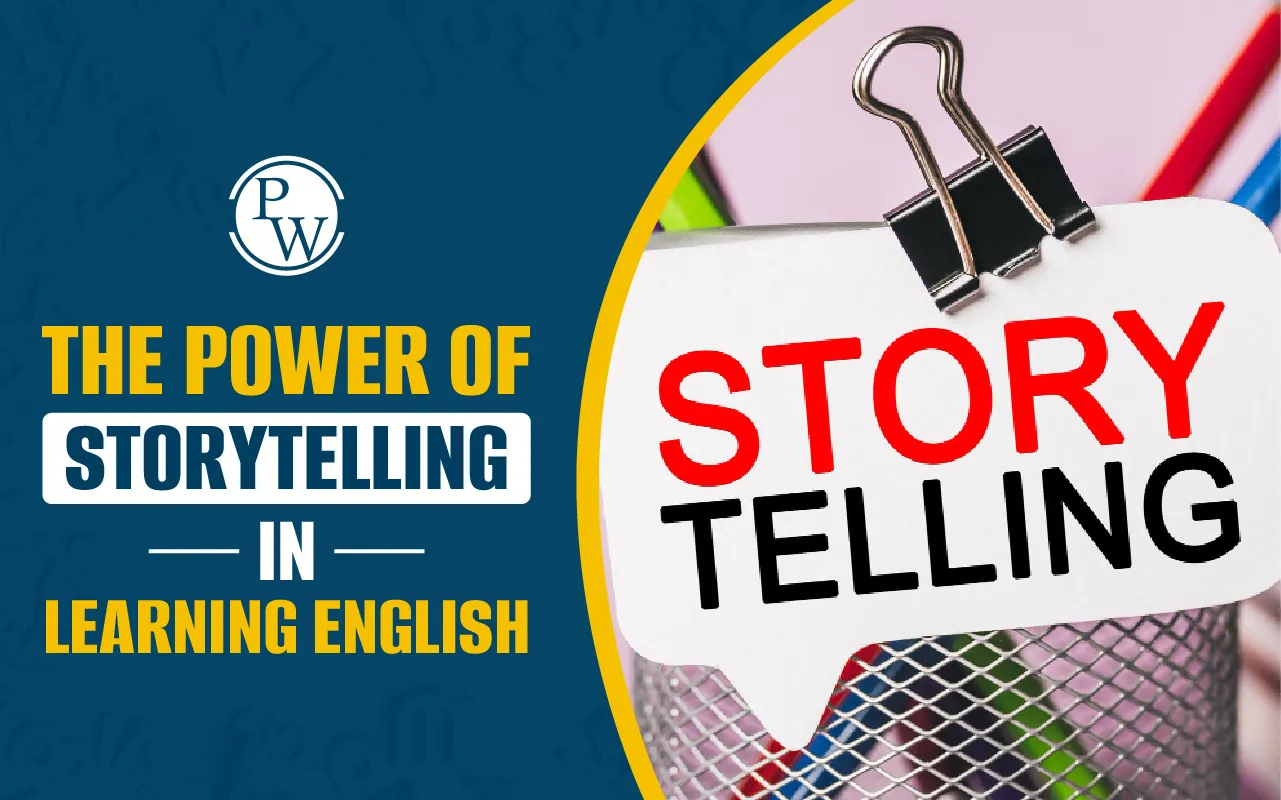
Stories have been shared for many years to entertain, teach, and bring people together. They make learning English easier and more enjoyable for both children and adults.
Instead of memorizing words and grammar rules, storytelling helps learners understand how language works in real situations.
Listening to or reading a story shows how words fit together in sentences and how people use them in conversations. This makes it easier to remember new words and speak more naturally.
This blog will explain how storytelling helps improve English and share simple ways parents and teachers can use stories to support learning.
Role of Reading in Improving English Vocabulary
How Storytelling Helps Improve English Skills?
Learning a language can feel like a big challenge, but storytelling makes it easier in many ways. Here’s how:
Learning New Words Naturally
Building a strong vocabulary is one of the most important parts of learning a language. Many learners struggle with remembering words because they are taught in isolation. Storytelling introduces words in a meaningful way, making them easier to remember and use.
For example, if a story says, "Tom was exhausted after running all day," the word exhausted becomes easier to understand because it appears within a clear situation.
Learners can guess that exhausted means very tired without needing a definition. This method of learning through context helps learners remember words more easily.
Repetition also plays a big role in learning vocabulary through stories. When words appear multiple times in different ways throughout a story, learners become familiar with them and feel more confident using them in conversations.
Why Learning English is Important for a Global Career
Understanding Grammar Without Memorization
Grammar can feel difficult when studied in a textbook, but storytelling makes it easier to grasp.
When learners hear or read well-structured sentences repeatedly, their brains start recognizing patterns without formal lessons.
For example, if a child often hears or reads sentences like “She went to the market” and “He played football,” they begin to understand past tense verbs naturally. Instead of memorizing rules, they absorb them by seeing and hearing how they work in context.
Stories also expose learners to different types of sentences, such as questions, exclamations, and conversations.
By encountering these in a natural setting, learners understand how different grammar structures function in real communication.
Improve Listening and Speaking Skills
Listening plays an important role in learning a language, and storytelling makes this process more enjoyable. When children or learners hear a story read aloud by a teacher, a parent, or through an audiobook, they become familiar with the rhythm, pronunciation, and tone of English.
Regular exposure to spoken English helps learners recognize sentence flow and commonly used expressions.
Over time, they begin to understand pronunciation and where to place emphasis in sentences, which strengthens listening skills.
Speaking also improves when learners retell stories. Knowing the sequence of events makes it easier to use new words and sentence patterns.
Acting out stories, using different character voices, or discussing favorite moments creates a fun and engaging way to practice speaking.
How to Improve English Speaking Skills at Home
Improve Reading Comprehension
Reading comprehension goes beyond recognizing words. It involves understanding how ideas connect and predicting what happens next.
Stories help develop this skill by providing structured narratives with a clear beginning, middle, and end.
When children read stories, they learn to recognize sentence patterns and understand how ideas relate to each other.
This ability to make connections helps them not only in reading stories but also in understanding school textbooks, articles, and other materials.
Stories also expose learners to different writing styles and sentence structures, making it easier for them to develop reading fluency.
By reading regularly, learners become more comfortable with how English sentences are formed, helping them understand a wider range of texts.
Build Confidence in English
Confidence plays a big role in language learning. Many learners hesitate to speak English because they are afraid of making mistakes. Storytelling provides a safe and enjoyable way to practice without pressure.
When children or learners retell a story in their own words, they focus on expressing ideas rather than worrying about perfect grammar.
Since they already know the structure and main events of the story, they feel more comfortable speaking.
Acting out stories, performing role-plays, or even narrating simple picture books aloud can help learners feel more at ease.
The more they engage with stories, the more comfortable they become in using English in everyday situations.
7 Daily Habits to Improve English Fluency
Tips for Parents and Teachers to Help Children Learn English Through Stories
Now that we know why storytelling is so helpful, let’s look at how parents and teachers can use it effectively.
Choose Stories That Match the Child’s Interest
Children are more likely to engage with a story if it captures their interest. If they love animals, they will enjoy books about jungle adventures.
If they prefer fantasy, stories with magical creatures will keep them excited about reading.
Teachers can encourage students to participate by letting them choose the stories they want to read. When children feel involved in the selection process, they become more motivated to listen and learn.
Read Aloud with Expression
Reading stories aloud in a lively manner makes them more enjoyable for children. Changing voices for different characters, adding sound effects, and adjusting the tone to match the mood of the story helps keep children engaged.
For example, instead of reading in a flat voice:
"The wolf said, 'I will huff and puff and blow your house down.'"
A more exciting way would be:
"The wolf growled, 'I will HUFF and PUFF and BLOW your house down!'"
Using dramatic expression makes the story more entertaining and helps children remember words and phrases more easily.
The Power of Storytelling in Learning English
Encourage Retelling and Acting Out
After reading a story, asking children to retell it in their own words helps them practice speaking and reinforces their understanding of the story. Retelling also strengthens memory, as learners recall important details and organize their thoughts.
Acting out stories adds another layer of engagement. Children can take on different roles, use simple props, or even create their own versions of the story. This makes learning interactive and fun, turning language practice into a playful experience.
Ask Questions to Spark Thinking
Engaging children in discussions about the story encourages deeper understanding. Instead of just reading, asking thought-provoking questions can help children think critically. Some examples include:
-
What do you think will happen next?
-
How do you think the character feels?
-
What would you do in this situation?
These types of questions promote conversation, encourage reasoning, and improve both speaking and comprehension skills.
Mix Traditional and Digital Storytelling
Classic books and bedtime stories are wonderful, but digital storytelling can also be a valuable tool. Audiobooks, animated story apps, and interactive e-books add variety and make storytelling more engaging.
Listening to audiobooks helps with pronunciation and intonation, while interactive story apps provide visual and audio support for learners who need extra help.
Using a mix of traditional books and digital resources keeps storytelling fresh and interesting.
Help your child master English with Curious Juniors! Our storytelling-based lessons make learning fun and interactive, helping kids build confidence and fluency. Enroll today and give your child the best start in English!