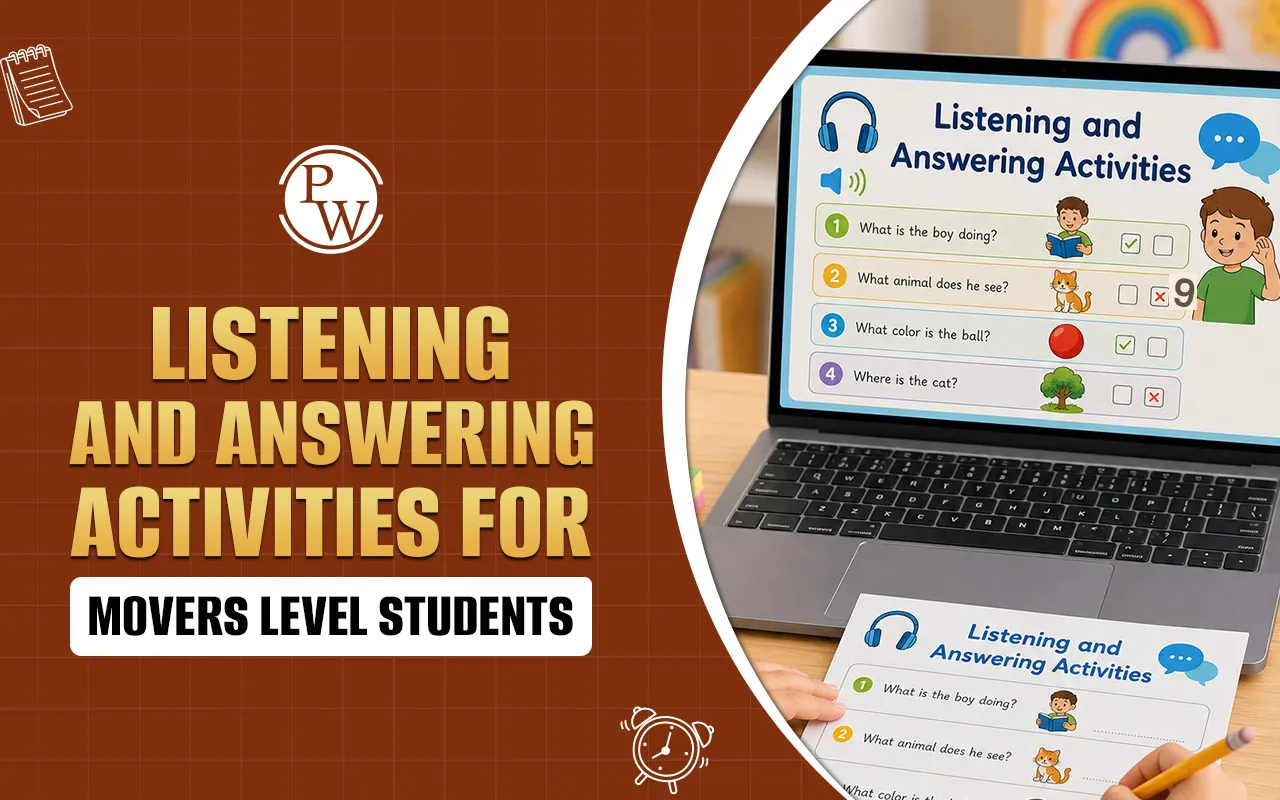
Listening and Answering Activities for Movers Level Students
 Nivedita Dar23 May, 2026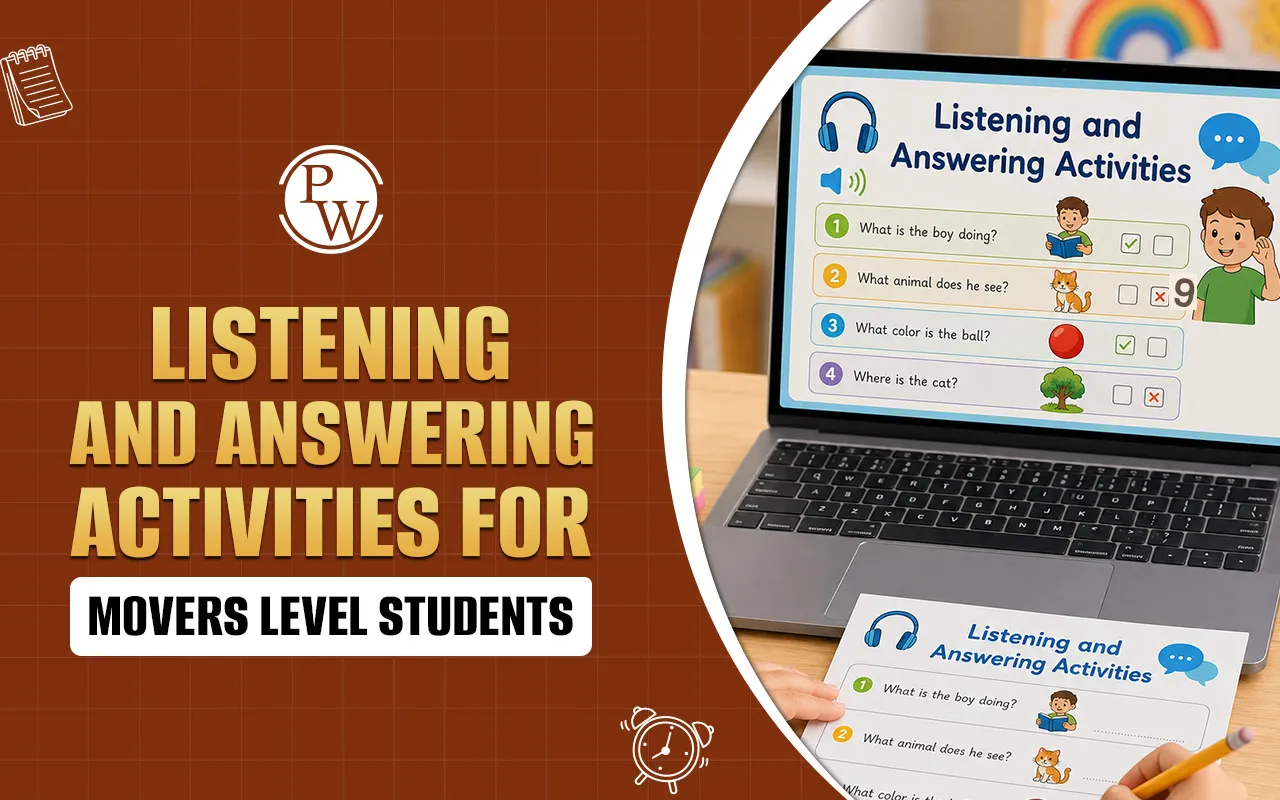
It is fascinating for young minds to learn a new language. But many children, aged 8-10, have a big problem in getting passed the fundamental vocabulary. They can understand words when they hear them, but have a hard time responding in full, clear sentences. This brain block is caused of the absence of regular play engagement for young learners. This gap has to be filled with structured listening and answering activities. These challenges encourage young learners to understand spoken language immediately and provide correct replies without stress.
Importance of Listening and Answering Activities for Young Learners
The communication for the pupils in the Movers stage has to move from single words to entire thoughts. Listening is not a passive activity. It is the basis of good speaking and writing.
When kids do focused interactive tasks, they make a direct connection between what they hear and how they respond. Young learners benefit especially from the daily speaking exercises:
-
Faster Response Times: Regular practice reduces the delay caused by translating thoughts from a native language into English.
-
Better Sentence Structure: Children learn how to arrange words naturally by mimicking the rhythms and tones they hear.
-
Increased Everyday Confidence: Mastering simple dialogues removes the fear of making mistakes in front of teachers or classmates.
By focusing heavily on practical communication, these interactive lessons prepare young minds to describe their surroundings, share daily routines, and connect with people comfortably.
Listening and Answering Activities to Try at Home
You don’t need a structured classroom setting to increase your child’s language proficiency. There are several easy, engaging activities you can slip into your daily evening routine to help make learning feel like a fun game.
The "Find the Difference" Picture Game
Give your child a picture while you hold a slightly different version of the same scene. Describe your image clearly and ask them questions about theirs. This exercise boosts movers level activities performance by teaching descriptive adjectives and prepositions.
Listen and Sequence the Story
Read your youngster a brief and simple story. After you are finished give them three or four jumbled-up picture cards that go with the events of the story. Have your youngster put the pictures in the right order and tell you what happened. This activity aids the flow of the narrative, and helps youngsters use important connecting words, like and, but, and then, correctly.
Read More - Confidence Test: Can Your Child Speak English? (Level Movers)
Everyday "Ask and Answer" Roleplay
Turn daily chores into quick response training sessions. While preparing dinner or packing a school bag, ask your child direct questions about their routines or feelings.
-
"What color is your school uniform?"
-
"Why do you like playing football after school?"
Encourage them to reply using full sentences instead of short, one-word answers. This simple habit helps children move from basic comprehension to expressive speech smoothly.
Read More - How to Stop Translating in English (Level Movers)
Weekly Plan for English Listening Skills
To get the best results, consistency is far more important than long hours of study. Spending 10 to 15 minutes every day on focused activities keeps young minds engaged without causing mental fatigue.
The table below provides a structured weekly schedule packed with English learning movers level exercises that you can practice easily at home:
|
Day |
Core Focus Activity |
Expected Student Response |
Learning Benefit |
|
Monday |
The Object Guessing Game: Describe a household object clearly using three distinct clues (e.g., "It is big, it lives in the kitchen, and it keeps food cold"). |
The child listens attentively and answers in a full sentence: "It is a white refrigerator." |
Builds vocabulary and teaches children how to process descriptive adjectives effortlessly. |
|
Tuesday |
Interactive Storytime: Read a short story about an animal and pause suddenly to ask a simple tracking question. |
The child recalls the detail: "The little brown monkey climbed up the tall green tree." |
Enhances focus, tracks comprehension, and teaches narrative verb tenses. |
|
Wednesday |
The Family Shopkeeper Roleplay: Set up a tiny toy shop and ask the child questions about prices, items, and preferences. |
The child acts as the shopkeeper: "This small red toy car costs two points, and it is very fast." |
Develops real-world communication habits and boosts public speaking confidence. |
|
Thursday |
Daily Routine Narration: Ask the child to listen to your morning routine description and then narrate their own schedule. |
The child replies smoothly: "I wake up at seven o'clock, brush my teeth, and put on my shoes." |
Strengthens understanding of time expressions, sequencing, and present tenses. |
|
Friday |
The Silly Voice Imitation Challenge: Say an everyday phrase using a funny voice (e.g., happy, tired, or surprised) and ask them to mimic the tone. |
The child repeats the exact sentence while matching the emotions: "I feel very excited about our new science project!" |
Improves pronunciation accuracy, conversational rhythm, and natural expression. |
How CuriousJr Helps in Listening and Answering Activities
A organised, gamified approach to early education is quite good at holding a young learner’s attention. Kids are more engaged when their learning environment is more like a playground of fun vs the rigid walls of a classroom.
Interactive stories, vibrant visual puzzles and instant reward loops help toddlers to develop a natural affinity for language learning.
CuriousJr English Learning online classes are designed exactly to mimic this joyful journey, guiding young minds step by step through the key communication benchmarks. Regular, bite-sized sessions allow students to comfortably learn intermediate conversational skills at their own pace.