How AI Is Changing the Way Students Learn
 Praveen Singh25 Apr, 2025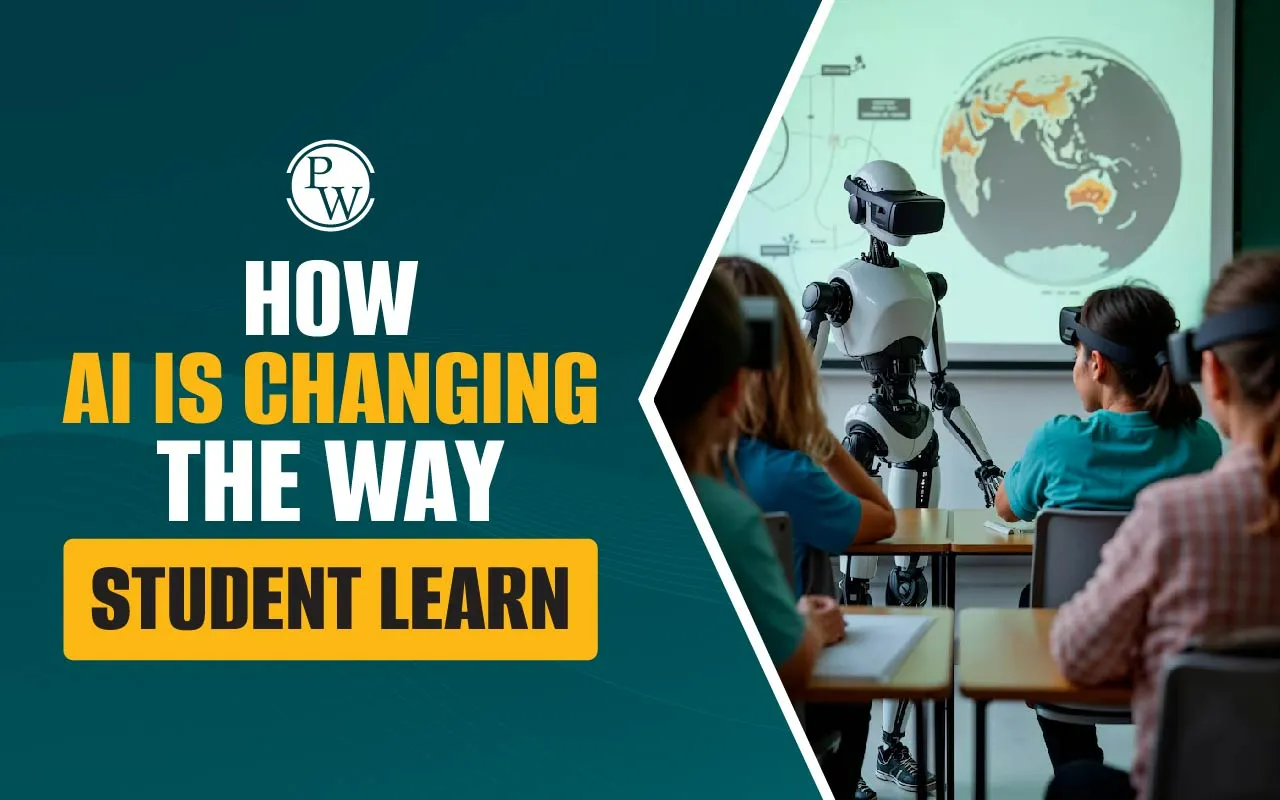
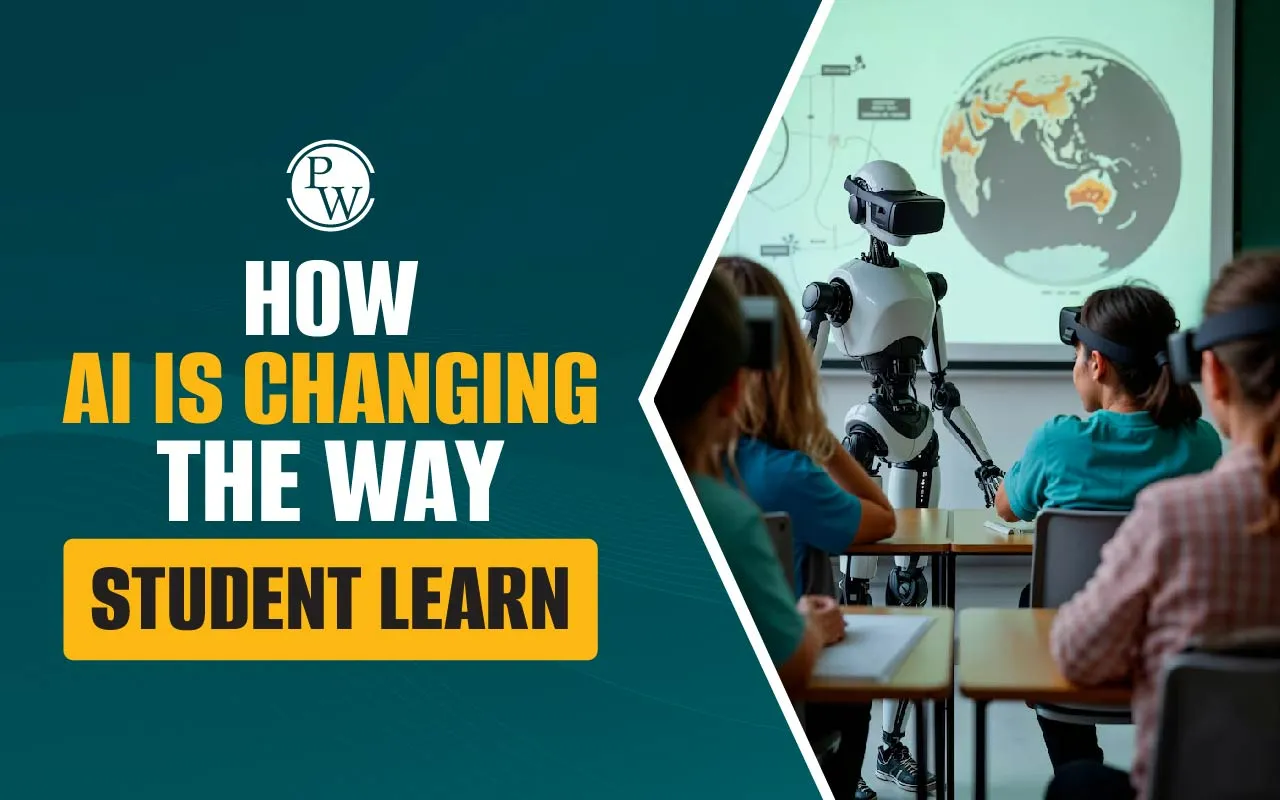
Artificial Intelligence (AI) is rapidly changing the face of education, creating new opportunities for innovative and engaging learning that were never experienced before.
AI is now stepping into the classrooms, acting as a guide to help students enjoy the learning journey with more motivation and confidence.
From adaptive practices to intelligent tutoring systems, AI is revolutionizing how students interact with content and how teachers deliver instruction. So, how exactly is AI reshaping the way students learn? Let's explore this in this blog.
How to Motivate Kids to Learn Without Pressure
What is AI Application in Education?
AI in education integrates Artificial Intelligence technology to enhance the teaching and learning experiences. It analyzes student data, personalized lessons, automates routine tasks, and offers instant, adaptive feedback.
The aim is to bring a more holistic approach to learning by empowering teachers and students to access valuable insights and resourceful guidance.
With AI, education becomes smarter, more targeted, and more responsive to every student's unique learning journey.
Screen Time and Online Learning: Finding the Right Balance
How is the Learning Landscape Changing with AI?
AI is revolutionizing the way education is being conceptualized and implemented. But what does this mean for students? Let's find out how AI reshapes education and creates a more dynamic and effective learning environment for today's students.
Personalized Learning: Tailoring Education to Individual Needs
Every student has a different learning aptitude, and AI promotes adaptive learning by allowing students to progress according to their individual needs, preferences, strengths, and weaknesses.
AI-powered platforms analyze students' performance in real-time and adjust the teaching and instruction mode. If a student struggles with a particular topic, the system can suggest different approaches to help them grasp the concepts easily.
Intelligent Tutoring Systems: 24/7 Support
AI-powered intelligent tutoring systems (ITS) enable you to have access to a virtual tutor round-the-clock to help with assignments, explain difficult concepts, or give feedback on your performance.
AI-based learning platforms use advanced algorithms to provide students with one-to-one assistance whenever needed. Students can structure their study plan based on instant feedback and guidance without waiting for their next class.
The Rise of Online Education: What Parents Need to Know
Automating Routine Tasks: Freeing Up Time
AI can automatically grade multiple-choice, short-answer, and even essay-based assessments. This ensures faster feedback for students, helping them understand their weak areas and take measures to improve quickly.
AI makes life easier for teachers by allowing more interaction time with students, developing suitable lesson plans, and offering personalized guidance.
In turn, students benefit from a more focused and engaging approach from teachers who can give them the attention they need.
AI-Powered Learning Tools:Enhancing Engagement
Keeping students engaged in the classroom environment becomes much easier with the power of AI, as it makes learning more interesting, interactive, and enjoyable.
With AI-powered tools like Virtual reality (VR) and augmented reality (AR), students can enjoy immersive learning experiences that capture students' imaginations and attention.
In a history lesson class, students can virtually walk through ancient Rome, or a science class where they can explore the human body in 3D.
These interactive AI-based tools keep students motivated and excited about learning, even in subjects they may have previously struggled with.
Why Personalized Learning is the Future of Education
Innovative Solutions: Bridging the Learning Gap with AI
One of the most significant advantages of AI is its ability to make education more accessible and inclusive, offering solutions that help students with various learning challenges.
For example, AI can assist visually impaired or deaf students by transcribing speech to text or converting text to speech. With AI's power, students can access the resources they need to succeed, regardless of their individual learning capabilities and constraints.
Predictive Analytics: Shaping the Future of Education
AI-powered platforms can analyze student behavior, test scores, and engagement levels to identify patterns and predict future performance. Schools can then use this data to provide targeted interventions and offer the necessary assistance to keep students on track.
In addition to improving student outcomes, predictive analytics performed by AI technology can also help schools make more informed decisions about curriculum development, resource allocation, and teacher training.
Common Mistakes to Avoid in Online Learning
AI in Education: Embrace the Change
While AI is already significantly impacting education, the future promises even more exciting developments.
As parents, teachers, and students, it's essential to embrace this change with an open mind and recognize AI's incredible potential.
At Curious Junior, we believe learning should be meaningful and enjoyable for every child.
We offer online tuition programs for students from Grades 3 to 8, focusing on English, Math, Science, and Social Studies.
Our classes are designed to keep students engaged through interactive methods and clear explanations.
With real-time feedback and personalised attention, each child gets the support they need to understand better and grow with confidence.
Curious Junior is here to make learning a positive and rewarding experience for your child.
Enroll today and be part of a learning journey that makes a difference.