Proofreading - Meaning, Importance with FAQs
 Nikita Aggarwal16 Mar, 2026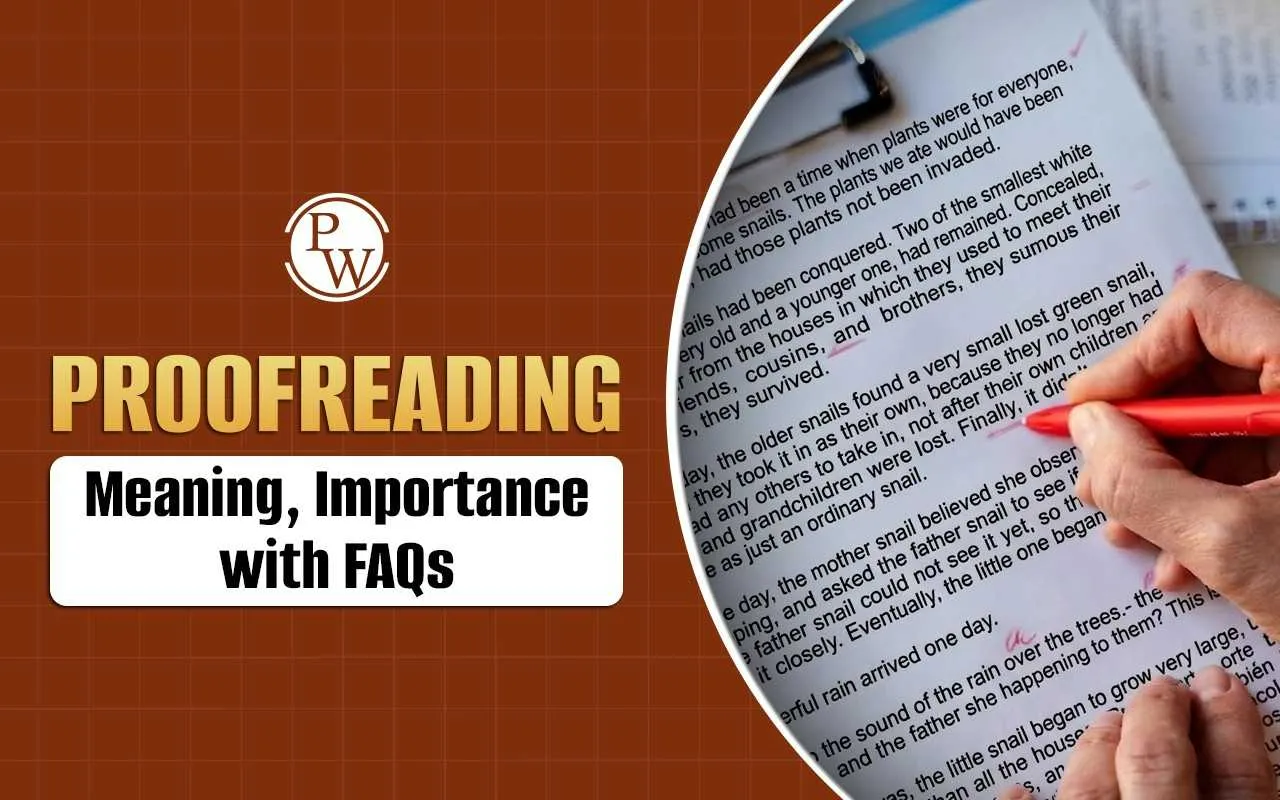
What is Proofreading?
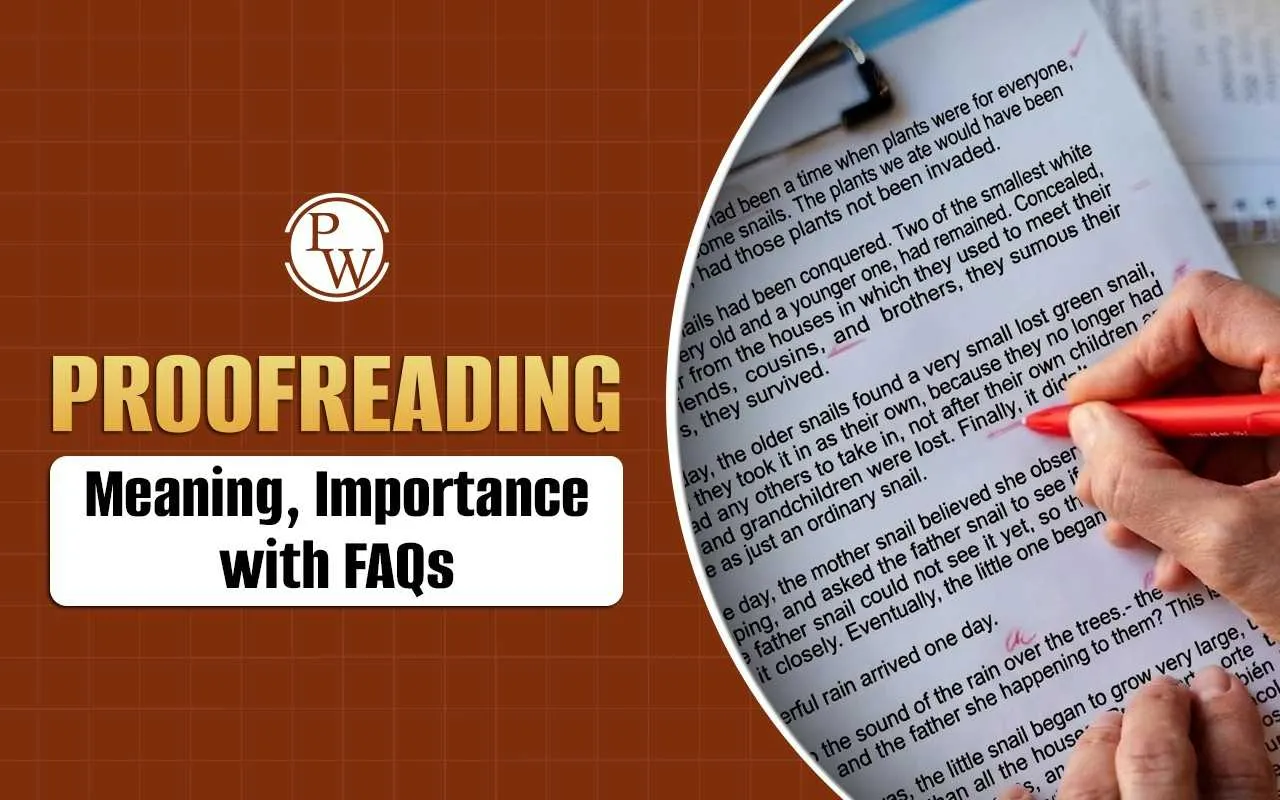
To define it simply, the proofreading meaning involves the careful examination of a final draft to detect and correct surface-level errors. This includes checking for typos, punctuation mistakes, and formatting inconsistencies. It is the very last step in the editing cycle, occurring after the core content and structure are finalised.
While editing focuses on style and flow, proofreading is about technical accuracy. It checks for the correctness of spelling and grammar in conformity with standard grammatical rules. This phase is crucial in the Cambridge syllabus because it tests how well a student pays attention to detail and how proficient he/she is in the technical use of language.
Why is Proofreading Importance for Academic Writing?
The proofreading importance cannot be overstated because a single error can damage your credibility. When a reader spots a typo, they may perceive the writer as careless or unprofessional. High-quality proofreading acts as a safety net, protecting your reputation and ensuring that your ideas are judged on their merit.
In academic settings, thorough checking ensures that your arguments are not obscured by grammatical distractions. The proofreading importance is clear when small mistakes reduce marks or confuse examiners. Regular practice helps students review their essays and reports calmly, leading to better grades and clearer communication between students and educators.
How to Proofread Your Writing Using Expert Techniques
Learning how to proofread is a skill that requires patience and specific tactics. Most writers find it difficult to catch their own errors because the brain tends to fill in missing words. To overcome this, you must slow down and look at the text with a fresh perspective.
-
Read Out Loud: This forces you to process every word, making it easier to hear missing commas or awkward phrasing.
-
Read Backwards: Starting from the last sentence helps you focus on individual words rather than the story's flow.
-
Take a Break: Leaving your work for a few hours allows you to return with "new eyes," making errors more visible.
-
Check One Error Type: Focusing on just spelling or just punctuation at a time improves your overall accuracy.
Developing a personal checklist for how to proofread can significantly improve your writing quality. Focus on your "usual suspects"—the specific errors you tend to make most often—to ensure they don't slip through to the final version of your school assignments or creative projects.
Read More - Unique Speech Topics for Students
Common Errors Found During Proofreading in English
Effective proofreading in english requires an awareness of the most frequent slips that occur during drafting. These mistakes can affect the clarity and readability of your work if left uncorrected. Identifying these errors is a foundational step in the Cambridge Phonics and Handwriting Framework.
|
Common Error |
How Proofreading Helps |
|
Spelling Mistakes |
Corrects typos and misspelled words |
|
Grammar Issues |
Fixes tense and subject-verb agreement |
|
Punctuation Slips |
Improves clarity and sentence flow |
|
Repetition |
Removes repeated words or ideas |
|
Missing Words |
Completes sentences for better meaning |
Beyond basic spelling, proofreading in english involves checking for common homophones. Words like "there," "their," and "they're" are often misused. A dedicated final check ensures that these small but significant distinctions are handled correctly, maintaining the sophisticated tone required for high-level communication.
Read More - Speech On Happiness - Format, Tips & Examples
How Proofreading for Students Builds Confidence in Writing
Academic proofreading for students is a vital part of the learning process. It encourages self-correction and helps students internalise complex grammar rules. By reviewing their work, students become more aware of their writing habits, which leads to long-term improvement in their expressive capabilities.
When performing proofreading for students, focus on citation consistency and formal tone. Error-free submissions build pride and achievement, strengthening belief in personal abilities. This level of precision is often what separates an average essay from a top-tier academic submission in the Cambridge English framework.
Manual vs Digital: Which Proofreading Method is Better?
The technology proves essential for student needs but its most effective results emerge when students combine automated proofreading with manual proofreading work. The system operates with fast processing speed and high operational efficiency, yet it fails to identify errors which depend on understanding the context and proper word selection. Proofreading assists students in understanding their work's fundamental meaning, while simultaneously helping them to acquire language proficiency.
Technology is a useful first step in proofreading, but it is not enough on its own. Balancing technology and human proofreading is important to allow students to reap the benefits of technology’s quickness and accuracy of human judgment. This is important to master proofreading in English and attain perfection in examinations and tests.
Build Your Child’s English Confidence with CuriousJr
Does your child hesitate to speak English or find it difficult to form correct sentences? This can impact their classroom participation and gradually affect their confidence. CuriousJr’s English Online Classes help children learn English in a simple, interactive, and engaging environment.
Our program focuses on strengthening grammar basics, improving pronunciation, expanding vocabulary, and developing essential writing skills. Through live interactive sessions, children get regular speaking practice with the support of experienced mentors.
Interactive activities such as storytelling, games, and creative writing make learning enjoyable and effective. These activities help young learners improve their communication skills and speak English with greater confidence.