
How to Use the Summer Vacation to Improve Your Kids English
 Nivedita Dar28 May, 2026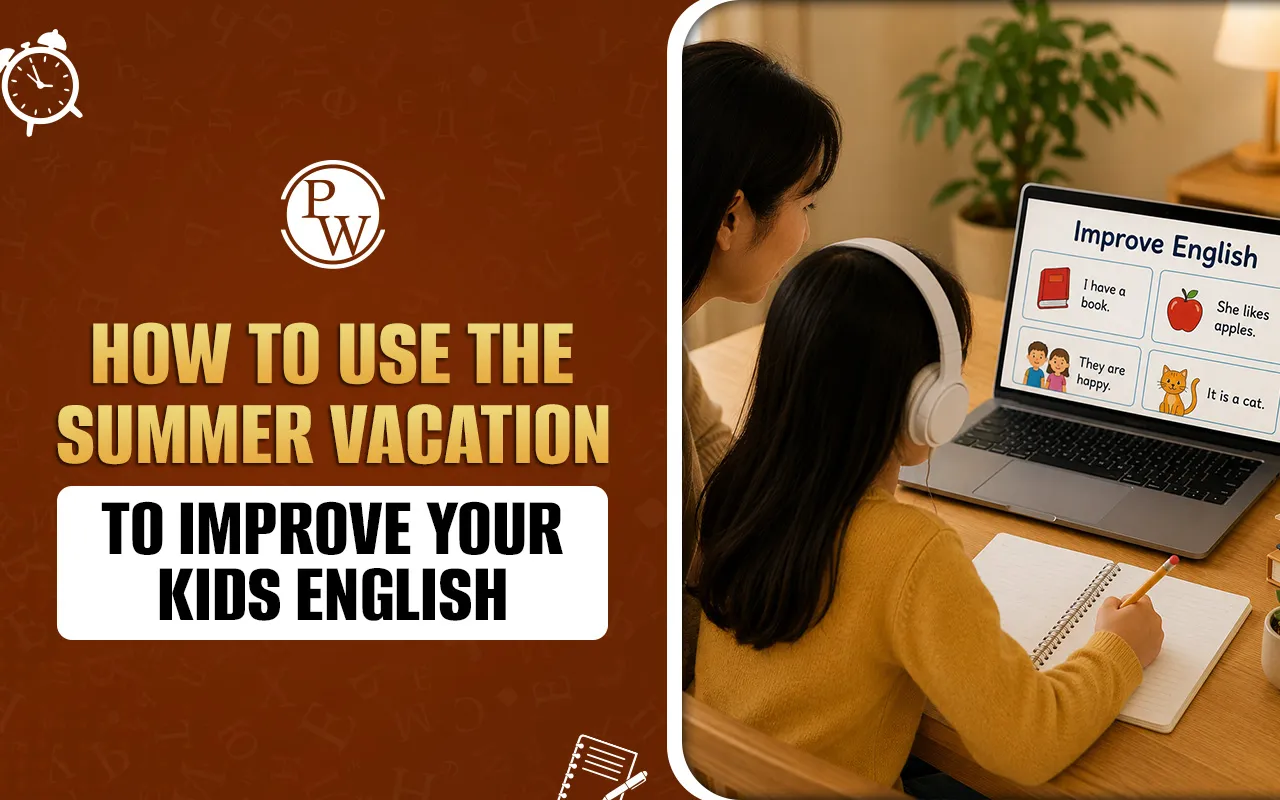
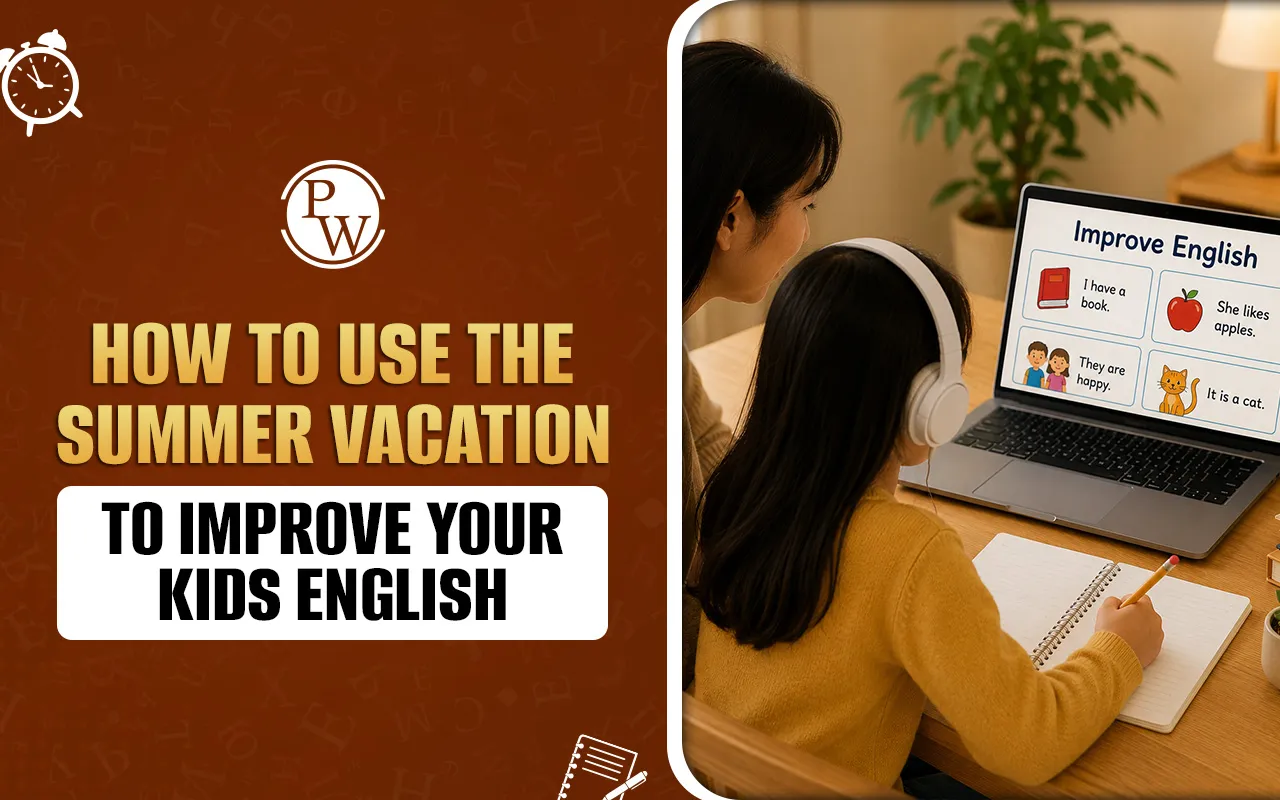
Many parents see their children lose momentum over the long break and wonder how to help them improve English in summer vacation without it feeling like extra homework. It can be tough to watch your child lose confidence in speaking or writing just because they are not practicing every day.
Why You Should Improve English in Summer Vacation
Summer break gives kids a chance to learn without the usual school routine. They can explore English through things they enjoy, like movies, hobbies, or telling stories.
When kids are not worried about grades, they are more willing to try new words. Practicing in summer English learning helps them keep up and even get ahead for the next school year. Strong English skills also make it easier to do well in other subjects like science, history, and math.
Schedule to Improve English in Summer Vacation
Structure is important to ensure consistency, but it should remain flexible. A holiday education plan works best when it balances active learning with relaxation. Below is a suggested daily flow that keeps the brain active without causing burnout.
|
Time of Day |
Activity Type |
Learning Focus |
|
Morning |
Reading Session |
Vocabulary and Comprehension |
|
Afternoon |
Interactive Apps |
Grammar and Spelling |
|
Evening |
Creative Writing |
Expression and Sentence Structure |
|
Night |
English Media |
Listening and Pronunciation |
This routine provides a balanced approach to the four pillars of language: reading, writing, listening, and speaking. By following a steady path, you can improve English in summer vacation through small, manageable steps.
Read More - Learn English Easily with Simple Words, Speaking and Daily Practice (Level Starters)
Techniques to Improve English in Summer Vacation at Home
You do not need an expensive classroom setup to see progress. The most effective home learning English strategies involve integrating the language into the child’s existing routine.
-
Label the House: Put notes on everyday items like the "refrigerator" or "wardrobe" to help your child learn new words.
-
Family Book Club: Set aside 20 minutes after dinner for everyone to read and then share something interesting from their book.
-
Cooking Together: Use recipes in English. This helps kids learn to follow instructions and understand words like "whisk," "simmer," or "fold."
-
Audiobooks and Podcasts: Listening to native speakers helps kids learn correct pronunciation and how to use the right tone.
Using these simple tools ensures that the process of trying to improve English in summer vacation remains a bonding experience for the family rather than a chore.
Fun Exercises to Improve English in Summer Vacation
Children learn best when they are playing. If the goal is to improve English in summer vacation, you should incorporate English improvement activities that feel like games.
1. Scavenger Hunts
Create a list of clues in English that lead to a hidden prize. The clues can involve riddles or descriptions of items around the garden or house. This forces the child to think critically in the target language to solve the problem.
2. Digital Storytelling
Encourage your child to take photos during a day trip and write a short "blog post" or caption for each one. This connects their real-world experiences with descriptive writing skills.
3. Word Bingo
Create bingo cards with common verbs or adjectives. As they watch an English cartoon or movie, they can cross off the words as they hear them spoken. This sharpens their listening skills significantly.
Read More - Pausing Too Much While Speaking English? Try These Fluency Exercises (Movers Level)
Creative Writing Tasks to improve English in Summer Vacation
Writing is often the hardest skill for kids to master because it requires logical thinking and correct grammar. However, creative prompts can make it much more appealing.
-
Letter to a Future Self: Ask them to write about what they hope to achieve by the end of the year.
-
Reviewing Toys: Let them act like a "reviewer" and write 5 sentences about why they like or dislike a specific toy.
-
Daily Journaling: A simple three-sentence entry every night about the best part of their day builds a habit of consistent output.
These tasks are excellent ways to improve English in summer vacation because they allow for personal expression. When a child writes about something they care about, they are less likely to worry about making mistakes and more focused on communicating their ideas clearly.
Interactive Games to Improve English in Summer Vacation
Board games and digital platforms offer a structured way to practice language. Classic games like Scrabble or Pictionary are timeless for a reason—they challenge the brain to recall words quickly.
Modern technology also plays a massive role. There are several English learning classes and apps designed specifically for younger learners that use gamification to teach complex concepts. These platforms often use rewards, levels, and badges to keep the child motivated. When looking for a way to improve English in summer vacation, choosing a tool that provides instant feedback is crucial for correcting errors before they become habits.
How CuriousJr Helps to Improve English in Summer Vacation
While home activities are fantastic, a professional curriculum can provide the extra edge a child needs to excel. If you want to improve English in summer vacation with a global standard, exploring structured courses is a smart move. CuriousJr online English learning class offers a comprehensive way to master the language through interactive modules.
By enrolling in these English learning classes, students get access to high-quality content that aligns with international benchmarks, ensuring they develop the confidence to speak and write fluently in any environment.