Is My Child Losing Interest in Maths? Here’s How to Make It Fun Again!
 Jasdeep Singh25 Apr, 2025
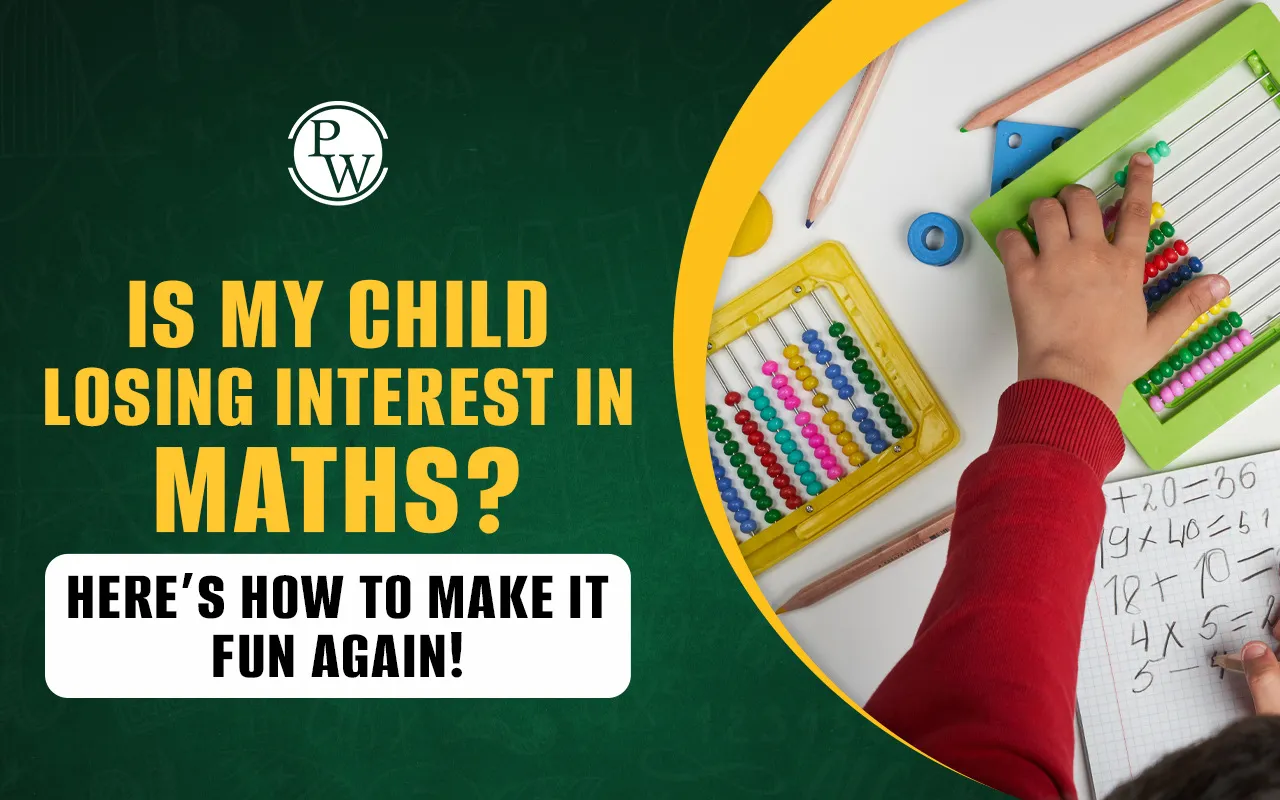
Many children start off enjoying numbers, fascinated by patterns and puzzles. As concepts become more complex, that excitement can fade, leading to frustration or disengagement.
When math begins to feel like a set of rigid rules rather than an opportunity to explore, children may start avoiding it instead of embracing the challenge.
This shift does not happen overnight. It often starts with small struggles, like hesitation before answering, reluctance to complete homework, or frustration over mistakes. Over time, these moments can turn into a belief that math is difficult or not meant for them.
The way math is introduced makes a significant difference. Engaging activities, real-world applications, and creative learning methods can transform math from something children dread into something they enjoy.
In this blog, we will explore the common signs that indicate a child is losing interest in math and discuss effective ways to spark curiosity again.
How to Make My Child a Faster Learner in School Using Mental Maths
Signs Your Child Is Losing Interest in Maths
Not all children will openly say they dislike maths, but their actions often reveal it. If your child is struggling, frustrated, or avoiding the subject, it’s important to catch these signs early.
Here are some key indicators that your child may be losing interest in maths:
Avoiding Maths Activities: Your child frequently avoids homework, procrastinates, or makes excuses to skip studying math. They may also hesitate to answer math-related questions in class or at home.
Expressing Negative Feelings: Phrases like "I hate maths," "Math is too hard," or "I'm not good at it" indicate frustration and lack of confidence.
Struggling with Basic Concepts: If your child forgets simple arithmetic or finds previously easy topics difficult, they may be falling behind.
Low Maths Grades: A sudden drop in math scores or consistently poor performance compared to other subjects is a clear warning sign.
Math Anxiety or Nervousness: Symptoms like stress, freezing up during tests, avoiding eye contact, or physical discomfort (sweating, stomach aches) suggest anxiety towards maths.
Over-Reliance on Counting Fingers or Tools: Still using fingers for basic addition or overly relying on calculators may indicate weak mental math skills.
Difficulty Applying Maths in Real Life: Struggling with time estimation, shopping calculations, or measuring ingredients shows a disconnect from real-world applications.
Giving Up Too Quickly: Losing patience after just a few minutes of problem-solving or refusing to try different approaches signals frustration.
Complaining About Homework Taking Too Long: Spending excessive time on assignments, frequently seeking help, or leaving problems blank can indicate difficulty or lack of interest.
Resistance to Learning New Maths Topics: A child avoiding new topics like fractions, algebra, or geometry may feel overwhelmed or uninterested.
Understanding these signs can help you take proactive steps to rekindle their interest.
Fun Math Activities for Kids to Develop Calculation Speed
Fun and Easy Ways to Boost Your Child’s Interest in Maths
If your child finds maths dull or difficult, the right approach can turn it into an enjoyable and rewarding experience. Here are some effective ways to spark their interest and build confidence in maths.
1. Connect Maths with Real-Life Scenarios
One of the biggest reasons children lose interest in math is because they don’t see how it applies to their everyday lives.
If they think maths is just about solving equations on a piece of paper, they won't be motivated to learn.
Parents can incorporate math into daily activities to change this, making it relevant and engaging.
-
In the kitchen: Cooking is a great way to teach fractions, measurements, and multiplication. If a recipe requires ½ cup of sugar, ask your child how much is needed if you double the recipe.
-
At the grocery store: Give your child a small budget and let them pick items while ensuring they stay within the limit. Ask them to calculate discounts on items to learn about percentages.
-
Time management: Teach them to estimate the time required for different activities, such as how long it takes to complete their homework or reach school.
-
Travel calculations: If you're going on a trip, ask your child to calculate the distance, estimated time of arrival, or even fuel costs.
By linking maths to real-world activities, children begin to see its importance and usefulness in daily life, making them more interested in learning it.
Quick Calculation Techniques for School Students
2. Turn Maths into a Game
Most kids love games, so why not use them to make maths more exciting? Studies have shown that gamification in learning improves engagement, motivation, and retention.
Instead of traditional rote learning, games introduce concepts in a way that feels more like play than work.
-
Board Games – Games like Monopoly reinforce counting, budgeting, and strategic thinking, while chess improves logical reasoning and problem-solving abilities.
-
Card Games – Playing games like Uno or quick addition and subtraction challenges using playing cards can strengthen mental maths skills.
-
Install Curious Junior Learning App – A dynamic learning platform for Class 3 to 8 students, offering live quizzes, interactive storytelling, and activity-based lessons that make maths fun and engaging.
-
Puzzles & Riddles – Sudoku, maths riddles, and logic puzzles help develop critical thinking skills in a fun and engaging way.
By making maths enjoyable through games, children build confidence, curiosity, and a strong foundation for lifelong learning without the pressure of traditional methods.
3. Use Visual Learning Techniques
Many children struggle with maths because it often involves abstract concepts that are hard to grasp. Using visual aids helps them understand these concepts better, making maths less intimidating.
-
Use objects for counting: For young learners, use everyday objects like toys, candies, or pasta to teach addition, subtraction, and multiplication. Let them physically count and group objects instead of just saying 2 + 3 = 5.
-
Diagrams and charts: For older children, using bar graphs, pie charts, and number lines can make data interpretation easier.
-
Fraction learning with food: Cut a pizza or apple into halves, quarters, and eighths to explain fractions in a tangible way. Let the child physically rearrange the pieces to understand the addition and subtraction of fractions.
-
Drawing and colours: Encourage kids to draw shapes, patterns, and diagrams while solving maths problems. Using coloured markers can also make learning more engaging.
-
Interactive maths apps: Apps like Curious Junior use animation and video lessons to break down complex topics in a way that is easy to understand and visually stimulating.
Visual learning techniques cater to different learning styles and help children understand maths concepts more deeply, reducing frustration and boosting confidence.
Abacus vs. Vedic Maths: Which One is Better?
4. Encourage Conceptual Understanding Instead of Memorization
One of the biggest mistakes in maths education is forcing children to memorize formulas and methods without understanding the logic behind them.
This approach makes maths feel robotic and meaningless, leading to disinterest. Instead, focus on why a method works, not just how to apply it.
-
Explain the "why" behind math rules: Instead of just teaching multiplication tables, show how multiplication is repeated addition.
-
Use storytelling: Frame maths problems through stories or real-life scenarios. For example, rather than saying, "Solve 24 ÷ 6", say, "You have 24 chocolates and want to share them equally among 6 friends. How many does each friend get?"
-
Encourage self-explanation: After learning a concept, ask your child to teach it back to you in their own words. This reinforces understanding.
-
Let them explore different methods: If they struggle with long division, show them alternate methods like chunking or using multiplication to check answers.
When children understand why maths works the way it does, they develop a genuine interest in problem-solving rather than seeing maths as a set of meaningless rules.
5. Create a Positive and Supportive Environment
Many children develop math anxiety due to fear of failure or pressure to perform well. If a child is constantly criticized for making mistakes, they begin to believe they are "bad at math" and lose confidence. A supportive learning environment can make all the difference.
-
Praise effort, not just correct answers: Instead of saying, “That’s wrong”, say, “Great attempt! Let’s see where we can improve.”
-
Celebrate small wins: Create a "Math Wall of Fame" where they can display problems they've successfully solved.
-
Avoid unnecessary pressure: If they struggle with a problem, encourage a break and return later with a fresh perspective.
-
Turn mistakes into learning opportunities: Help them analyze errors rather than feeling discouraged. Ask, “What do you think went wrong?” and guide them to the correct solution.
-
Use a growth mindset: Teach them that math ability improves with practice and that mistakes are part of learning.
A positive and stress-free approach builds self-confidence, making children more willing to engage with maths without fear of failure.
Top 10 Tricks to Master Mental Maths
Strengthen Your Child’s Math Skills with the CuriousJr Booster Course
Helping children succeed in math requires the right approach and support. Curious Junior’s One-Week Booster Program, powered by Physics Wallah, ensures a fun, interactive, and personalized learning experience while keeping parents actively involved in their child’s progress.
Why Does This Program Stand Out?
-
Live interactive audio-video classes to make learning engaging and enjoyable.
-
One-on-one mentor support to provide personalized attention and guidance.
-
Instant doubt-solving sessions to help children grasp concepts with ease.
-
Detailed report cards and PTMs to help parents track their child’s progress and achievements.
-
Curriculum aligned with CBSE, ICSE, State Boards, and IB to ensure academic relevance.
Give your child the confidence to excel in math. Enroll now!