Confidence Test: Can your Child Speak This? (Level Key)
 Nivedita Dar16 May, 2026
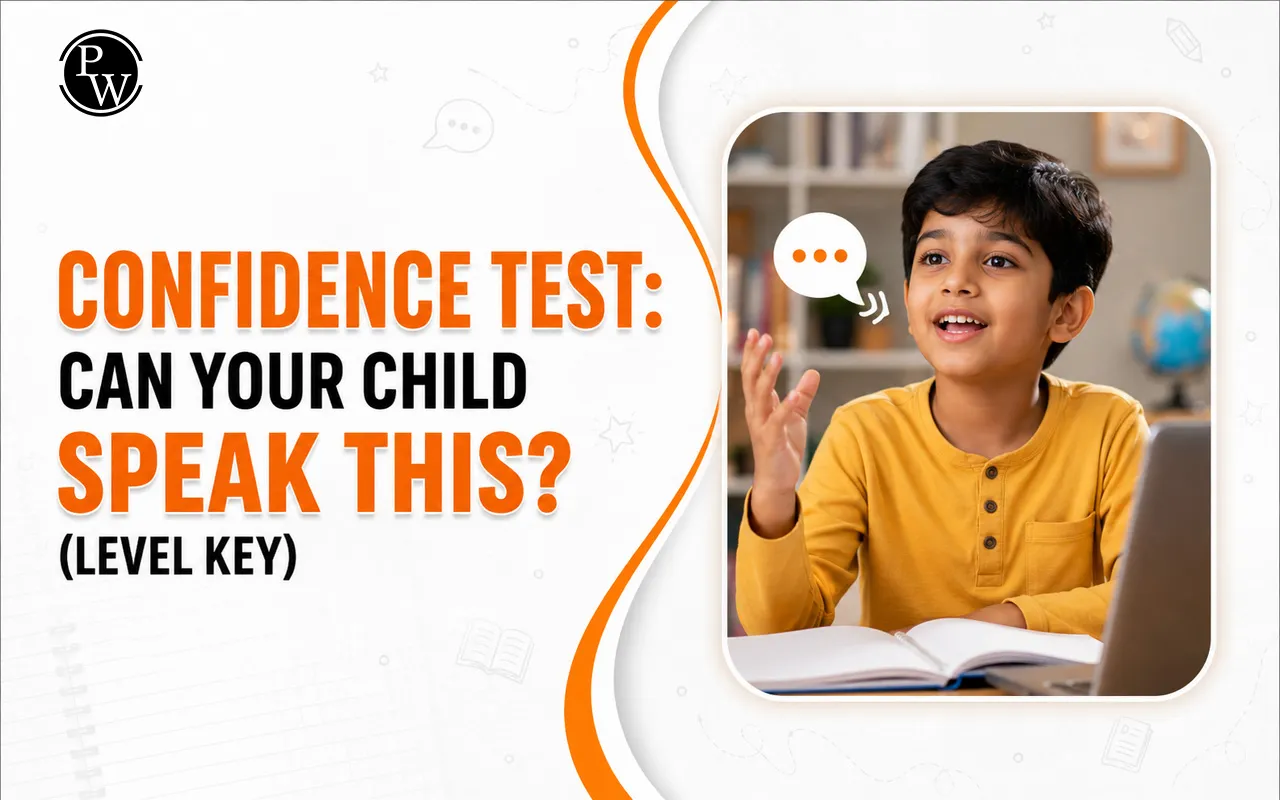
Many parents notice their children can read and write perfectly but struggle to say a single sentence when meeting someone new. This gap between theoretical knowledge and practical application is exactly what an English speaking test for kids aims to bridge. At the "Key" level, the focus isn't on complex literature; it is about whether a child can navigate daily life using simple, clear language. Developing verbal confidence early prevents the "silent period" from becoming a long-term habit. When a child undergoes a spoken English assessment, it isn't just about grading their grammar. It is about checking if they can express their needs, share their thoughts, and interact with peers. This foundational stage is where the seed of global communication is planted.
What is an English Speaking Test for Kids?
The Key level is designed for elementary learners who are starting to use the language for basic social interactions. Think of it as the first real benchmark in a learner's journey. It tests the ability to handle simple, everyday written and spoken English.
Focus Areas of the Test
-
Basic Interactions: Can the child introduce themselves and answer simple questions about their hobbies?
-
Visual Description: Is the child able to look at a picture and describe what is happening?
-
Information Exchange: Can they ask and answer questions about things like time, place, or price?
Why Children Need a Spoken English Evaluation
Relying solely on school report cards can be misleading. Schools often prioritise writing and reading because they are easier to test in a classroom setting. However, a dedicated fluency test children can take provides a much more accurate picture of their real-world readiness.
Benefits of Regular Assessment
-
Identifies "Passive" Vocabulary: Many kids know the words but don't know how to pull them out of their "mental filing cabinet" during a conversation.
-
Reduces Social Anxiety: The more a child is evaluated in a friendly, low-stakes environment, the more comfortable they become speaking in front of others.
-
Tracks Progress: A confidence test provides a baseline. You can see exactly how much they have improved over six months.
Read More - How to Stop Translating in English (Level Key)
Important Skills Checked in an English Speaking Test for Kids
To pass this level, a child needs to demonstrate specific milestones. It is less about being perfect and more about being functional. We look for the "Four Cs": Clarity, Confidence, Context, and Continuity.
Speaking in Full Sentences
At this stage, we don't expect complex compound sentences. However, the child should be able to move beyond one-word answers. If asked, "Do you like apples?" a successful learner should say, "Yes, I like apples because they are sweet," rather than just "Yes."
Clear Pronunciation
The goal isn't a specific accent, but rather clarity. Can an unfamiliar listener understand what the child is saying? An english speaking test for kids looks at whether the child can differentiate between similar sounds and use the right emphasis on words.
Listening and Responding
Fluency is a two-way street. An evaluation also checks if the child can process what is said to them and provide a relevant answer. If they are asked about their favourite colour and they talk about their cat, it shows a gap in listening comprehension.
Read More - Daily 5 Sentence Practice for English Fluency (Level Starters)
Common Challenges Children Face During Speaking Tests
It is normal for kids to feel nervous. In fact, "test jitters" are the biggest hurdle to showing their true potential. Here are the common roadblocks identified during a test:
-
Hesitation: Taking too long to find the right word.
-
Translation Lag: Thinking in their native language and trying to translate it word-for-word into English.
-
Limited Vocabulary: Repeating the same three or four adjectives (like "good" or "happy") for everything.
How to Prepare Children for an English Speaking Test
Preparation shouldn't feel like "studying." It should feel like playing. To improve their performance in an english speaking test for kids, try these daily habits:
-
The 5-Minute Recap: Every evening, ask your child to tell you three things that happened at school using only English.
-
Picture Storytelling: Open a random book, point to a picture, and ask them to tell you a story about what the characters are doing.
-
Roleplay: Pretend to be a shopkeeper or a new student at school. This builds the specific social vocabulary needed for a fluency test children might encounter.
Why Confidence Matters in Spoken English
Confidence is the "engine" of fluency. A child might have a massive vocabulary, but if they are too afraid to make a mistake, they will never become fluent. A test is specifically designed to measure how a child handles "getting stuck."
A confident child will use fillers like "Let me think" or use a different word to explain their point if they forget the exact term. This ability to "talk around" a problem is a high-level skill that shows true potential.
English Speaking Levels for Kids
When you receive the results of a spoken English assessment, look beyond the marks. Pay attention to the feedback on "Flow" and "Interaction."
|
Level |
Speaking Ability |
|
Beginner |
Uses single words or short phrases |
|
Developing |
Forms simple sentences with support |
|
Key Level |
Handles basic conversations independently |
Importance of Spoken English Skills
We live in a connected world. Whether it is for future university interviews, international travel, or simply making friends from different cultures, English is the primary tool. Starting with an english speaking test for kids ensures they aren't left behind. It gives them the "edge" they need to stand out in a competitive environment.
How CuriousJr Helps Kids Speak English Confidently
CuriousJr helps children build strong communication skills through interactive English learning designed specially for the Cambridge A2 Key level for ages 10–12. The program focuses on improving speaking, reading, writing, and listening skills through engaging live sessions and practical communication activities.
Instead of relying on rote memorisation, CuriousJr uses storytelling, role-plays, structured conversations, and group discussions to help children use English naturally in real-life situations. Students practice speaking in complete sentences, sharing opinions, describing experiences, and participating confidently in everyday conversations.
CuriousJr online English learning classes also strengthen grammar, vocabulary, pronunciation, and sentence-building step by step through guided activities, short writing tasks, and listening exercises. Children learn how to write emails, notes, and simple messages while improving fluency and communication confidence.
With small group sessions, interactive learning methods, and a supportive environment, CuriousJr helps children prepare for any English speaking test for kids while making spoken English practice enjoyable, practical, and confidence-building.