Daily 5 Sentence Practice for English Fluency (Level Starters)
 Nivedita Dar13 May, 2026

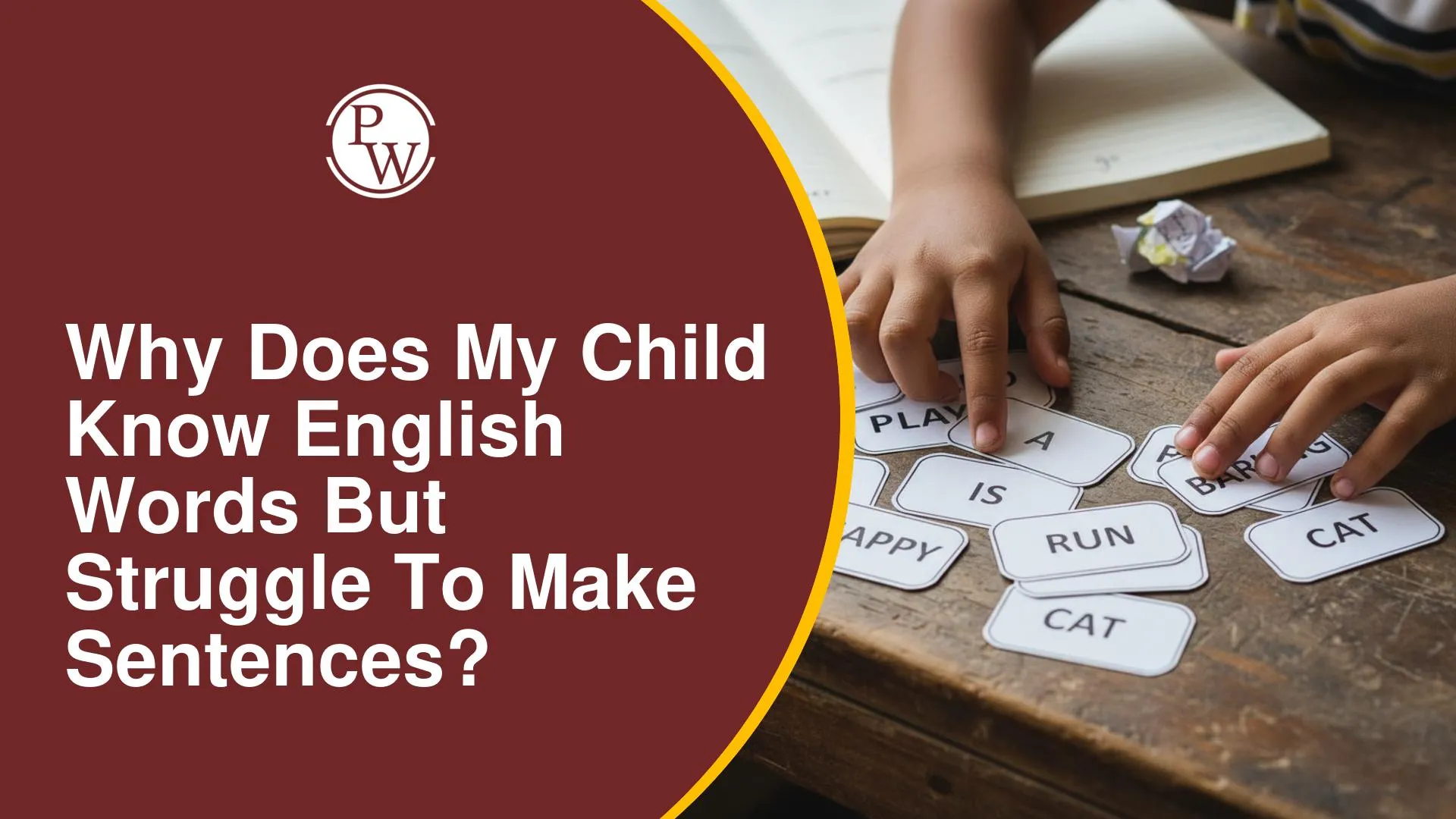
Learning a new language often feels like a giant mountain to climb for young learners. Many students struggle with the gap between knowing a few words and actually speaking full sentences. This wall of hesitation can make kids shy away from using English in public. If your child knows their "apple" from their "ball" but freezes when asked a question, they need a structured way to bridge that gap. By focusing on English speaking practice for kids, we can turn that hesitation into natural habit. This article provides a ready-to-use daily worksheet designed to make spoken English exercises kids enjoy both simple and effective for home learning.
Why Daily English Speaking Practice for Kids Helps Learn Faster
Most children fail to gain fluency because they focus too much on grammar rules rather than sentence patterns. Think of English like building blocks; once a child knows how to snap two pieces together, they can build anything. Daily practice isn't about memorising a dictionary; it is about muscle memory for the tongue and brain.
-
Pattern Recognition: Kids learn best through repetition of "frames" (e.g., "I like...", "Can I...").
-
Reduced Anxiety: Knowing exactly what to say in common situations removes the fear of making mistakes.
-
Consistency: Just five minutes a day is more effective than a two-hour weekly cram session for the fluency practice kids need.
Daily English Speaking Practice Worksheet for Beginners
To make this different from a standard blog post, use this section as a functional worksheet. You can print this out or keep it open on a tablet during breakfast or before bed.
Day 1: Practice "I Can" Sentences
Focus on ability and confidence. This helps children describe their skills and feel proud of what they achieve.
-
Sentence 1: I can jump high.
-
Sentence 2: I can draw a big sun.
-
Sentence 3: I can read my favourite book.
-
Sentence 4: I can help my mummy/daddy.
-
Sentence 5: I can speak English every day.
Practice Tip: Ask your child to perform the action while saying the sentence. Total physical response (TPR) helps the brain lock in the meaning of the words.
Day 2: Practice Need and Want Sentences
This is essential for functional spoken English exercises that kids use in real life. It teaches them how to express their requirements clearly.
-
Sentence 1: I want some water, please.
-
Sentence 2: I need my red pencil.
-
Sentence 3: I want to play outside.
-
Sentence 4: I need a snack now.
-
Sentence 5: I want to see the moon.
Day 3: Practice Describing Things in English
Help your child look around the room and describe what they see. This expands their vocabulary beyond just nouns.
|
Object |
Sentence Structure |
Descriptive Goal |
|
Sky |
The sky is blue. |
Colour recognition |
|
Ball |
My ball is very round. |
Shape awareness |
|
Ice cream |
This ice cream is cold. |
Sensory feeling |
|
Teddy |
My teddy is so soft. |
Texture description |
|
Sun |
The sun is very bright. |
Environment awareness |
Read More - Build Vocabulary without Memorizing (Level Key)
Day 4: English Greeting Practice
English speaking practice for kids must include social manners. These sentences help them interact with teachers and friends.
-
Sentence 1: Hello, how are you today?
-
Sentence 2: My name is [Name].
-
Sentence 3: Nice to meet you.
-
Sentence 4: See you again tomorrow.
-
Sentence 5: Have a lovely day!
Day 5: Question Practice in English
Fluency isn't just about answering; it is about leading the conversation. Teaching kids how to ask questions is a huge step in fluency practice children often miss.
-
Sentence 1: Where is my bag?
-
Sentence 2: What is for dinner?
-
Sentence 3: Can we go to the park?
-
Sentence 4: Who is at the door?
-
Sentence 5: Why is the cat sleeping?
Read More - Confidence Test: Can your Child Speak English? (Level Preliminary)
Routine for English Speaking Practice for Kids
If you are a busy parent, fitting in daily practice might seem hard. Try the 5-5-5 Method to keep things moving without any stress:
-
5 Minutes in the Morning: Recite the "Day’s Sentences" during breakfast.
-
5 Minutes in the Afternoon: Use the sentences in a real-life context (e.g., if it is "I want," use it when they ask for a snack).
-
5 Minutes in the Evening: Review the sentences before bed and give a small reward like a sticker for effort.
How to Correct English Speaking Mistakes Without Lowering Confidence
When your child is doing spoken English exercises, they often get frustrated if they get a word wrong. The goal here is "fluency over accuracy."
-
Don't interrupt: Let them finish the whole sentence before correcting them.
-
Model the correct way: Instead of saying "That's wrong," just say the sentence correctly yourself. For example, if they say "I goed to park," you say, "Yes! You went to the park!"
-
Celebrate the try: Praise the fact that they spoke up. Confidence is the fuel for future learning.
Build English Fluency for Kids with CuriousJr
Building a habit at home is a great start, but professional guidance can accelerate the journey. CuriousJr offers a structured environment where these basic sentences turn into confident conversations through interactive English speaking practice. Designed for children aged 6 to 8 years, the Cambridge-aligned Starters program focuses on building strong foundations in speaking, listening, reading, and writing skills in a fun and engaging way.
CuriousJr English speaking class uses live interactive classes, small batch learning, and activity-based teaching methods like games, songs, storytelling, and role-plays to make learning enjoyable. Along with vocabulary, grammar, and pronunciation practice, children also learn how to use English naturally in real-life situations and classroom conversations. This step-by-step learning approach helps improve the fluency practice children need while boosting confidence in everyday communication.
The interactive nature of the lessons means children aren't just listening to a screen; they are actively participating in conversations and speaking activities. With expert-designed modules, personalised attention, progress tracking, and flexible online learning from home, CuriousJr takes the guesswork out of your child's language development and makes English speaking practice for kids both effective and enjoyable.