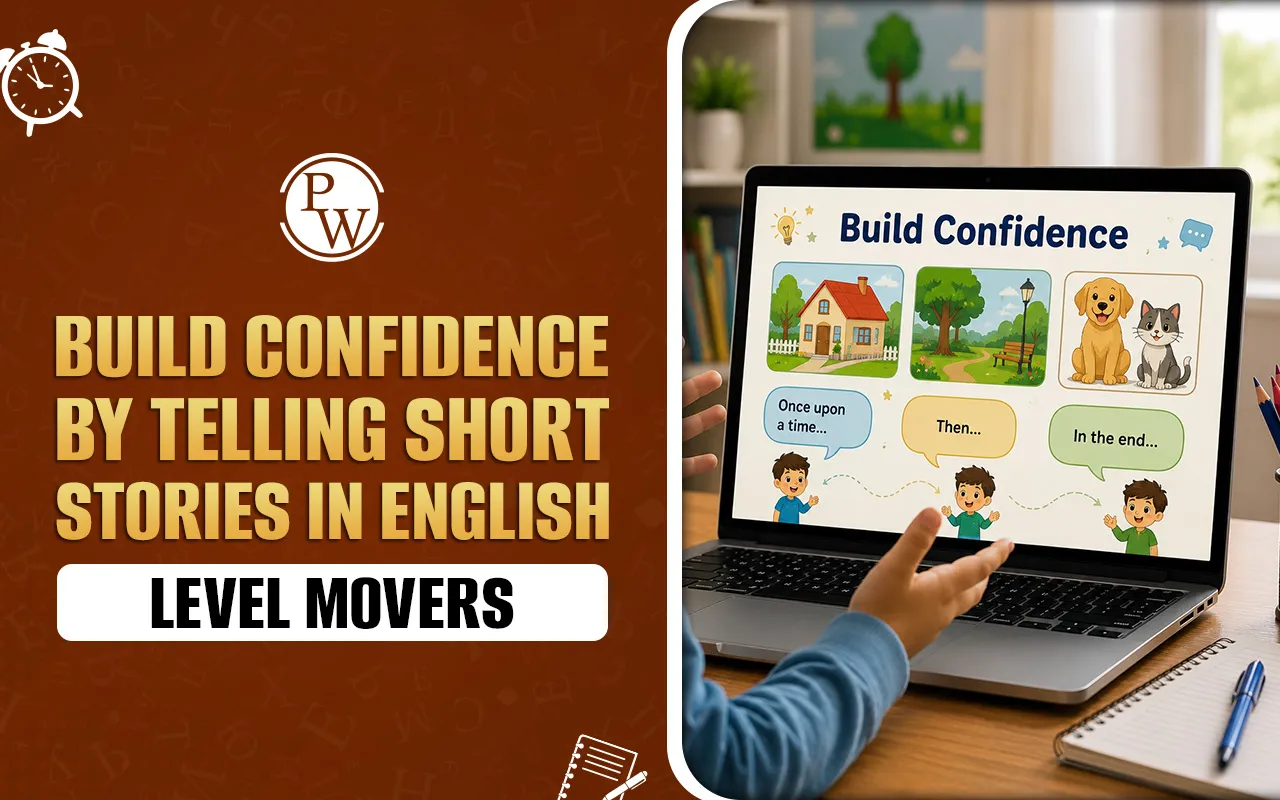
Build Confidence by Telling Short Stories in English (Level Movers)
 Nikita Aggarwal29 May, 2026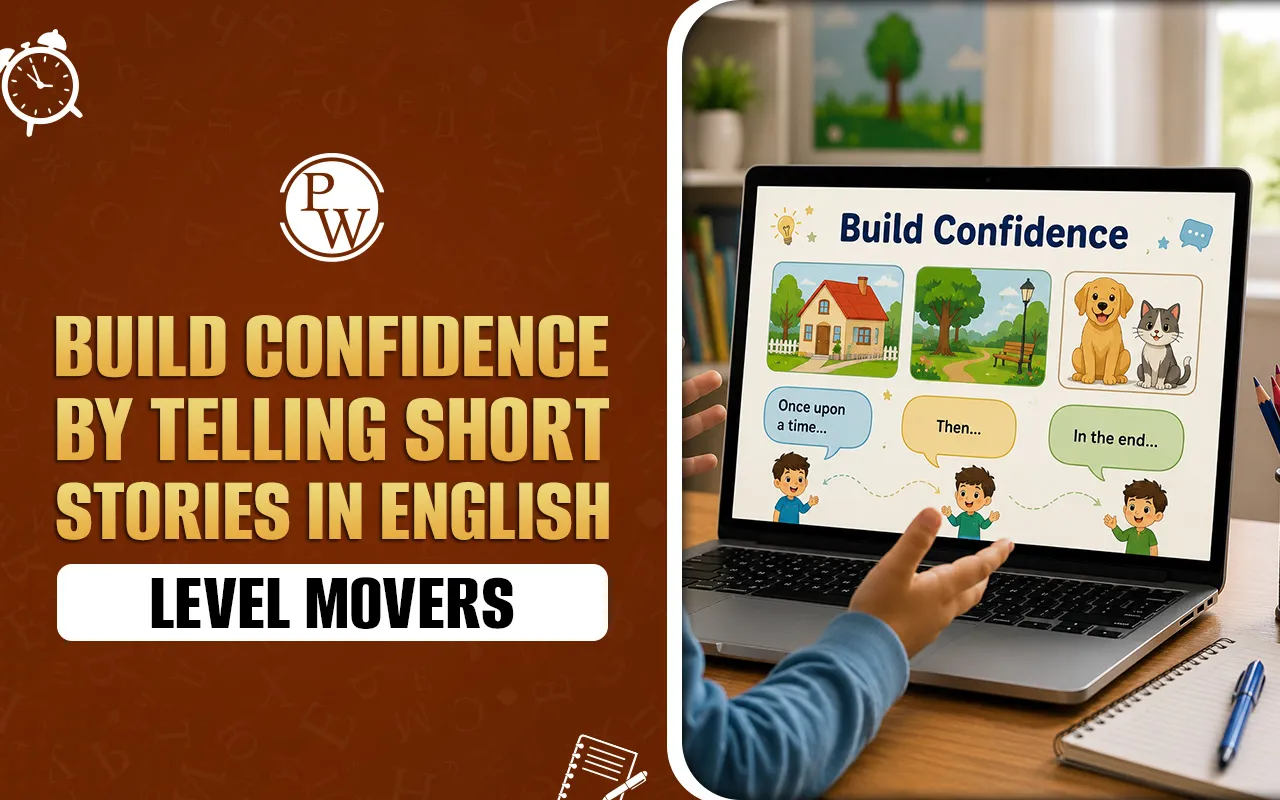
Why Short Stories in English Build Speaking Confidence
Speaking a new language requires more than just memorising vocabulary lists. It requires structural familiarity and emotional comfort, both of which narrative practice provides.
Importance of Structure
Stories have a beginning, middle and end – it’s natural. This regular sequence assists the young mind to arrange his thoughts in logical order. As youngsters try to repeat these stories, they learn to link ideas with words like “then,” “after that,” and “finally.” This structural framework removes the panic of not knowing what to say next when one is speaking.
Reducing Language Anxiety
When children read or listen to a tale, they enter a low-stress environment. They do not have to worry about making up facts or grammar rules on the spot. Because the plot is already decided, they can focus entirely on their vocal delivery and expression. This makes storytelling one of the most comforting speaking confidence activities for young minds.
How to Choose the Right Short Stories in English
Not every narrative fits the learning needs of an intermediate student. Choosing the correct level of difficulty is essential to keep them motivated.
The table below outlines the core features to look for when selecting narrative material for intermediate children:
|
Story Element |
Ideal Specification for Level Movers |
Educational Purpose |
|
Word Count |
Approximately 150 to 300 words |
Maintains focus without causing fatigue |
|
Sentence Structure |
Mix of simple sentences and basic compound sentences |
Encourages natural speech rhythms |
|
Vocabulary Load |
90% familiar words, 10% new words |
Builds context clues without frustration |
|
Visual Support |
Clear illustrations or dynamic animations |
Aids comprehension and memory retention |
Focusing on Action-Oriented Plots
Young learners need intermediate-level stories where the characters are doing obvious, tangible things. Stories with animals, school experiences or basic mysteries are best. As characters walk, run or solve difficulties, children can use their hands and facial expressions to assist tell the story, making the speech practice much more dynamic.
Read More - Reading Between the Lines Activities for Movers Level Students
Short Story Speaking Practice for Children
To get the maximum language benefit from a tale, you need a clear, structured system. Simply reading a text aloud once is not enough to build long-term fluency.
The following sequence details a highly reliable method for transforming a reading exercise into a speech exercise:
-
Active Listening: The child listens to the narrative read aloud by a fluent speaker twice while looking at corresponding pictures.
-
Key Word Identification: Highlight four or five action verbs and descriptive adjectives from the text to practice pronouncing them individually.
-
Echo Reading: The adult reads one sentence aloud, and the child repeats it immediately, mimicking the exact intonation and speed.
-
Independent Narration: The child attempts to retell the plot using only the pictures as visual guides, without reading the text.
-
Creative Alteration: Ask the child to change the very end of the tale to introduce basic creative decision-making into their speech.
This structured approach ensures that the child moves gradually from passive listening to independent, confident vocal production.
Fun Storytelling in English for Kids
Bringing narrative practice into the daily household routine makes language learning feel like play rather than extra schoolwork.
The Picture Card Technique
You can create simple drawing cards based on famous fables. Mix the cards up and ask your child to place them in the correct chronological order. Once the sequence is correct, have them narrate the action happening in each picture. This visual system makes English storytelling for kids highly interactive and removes the boredom of traditional textbook reading.
Mirror Monologues
Encourage your child to stand in front of a mirror while reciting a short character speech. Tell them to try out different emotions, such as acting surprised, happy, or scared. Watching their own facial expressions helps them understand how body language supports spoken words, which significantly increases their presentation confidence.
Read More - Picture Description Practice for Better English Speaking (Movers Level)
Improve Speaking Habits with Short Stories in English
Long-term fluency depends entirely on consistency and the emotional environment of the home. Parents can shape this environment through small, mindful changes.
Create a Positive Feedback Loop
When a child is speaking, do not interrupt them mid-sentence to correct minor grammatical slips. Let them finish their thought completely. Interrupting destroys their train of thought and lowers their willingness to speak. Instead, note down the errors quietly and practice those specific phrases together later.
Introduce Daily Language Windows
Set aside a specific 20-minute window every evening dedicated entirely to casual language practice.
The list below provides simple, low-pressure ideas to fill this daily time slot:
-
Ask the child to describe the best part of their afternoon using full sentences.
-
Review a single online animated tale together and discuss what the main character did.
-
Act out a brief two-minute dialogue between a shopkeeper and a buyer.
-
Play a game where you describe an object in the room and the child guesses what it is.
These casual English learners activities ensure that the target language becomes a natural, living tool of communication rather than just a dry school subject.
Improve English Speaking Skills with CuriousJr
Moving from basic speech to true conversational fluency requires a structured curriculum that grows alongside the learner. Regular practice with carefully graded material ensures that children do not feel overwhelmed as the grammar and sentence structures become more complex.
Guided educational paths help bridge the gap between simple home activities and formal language milestones. By engaging with interactive platforms like CuriousJr kids online english class, young learners can practice their communication skills through systemic, playful exercises that turn reading comprehension into active oral performance.