How to Build an English-Speaking Habit in Children Aged 6–8

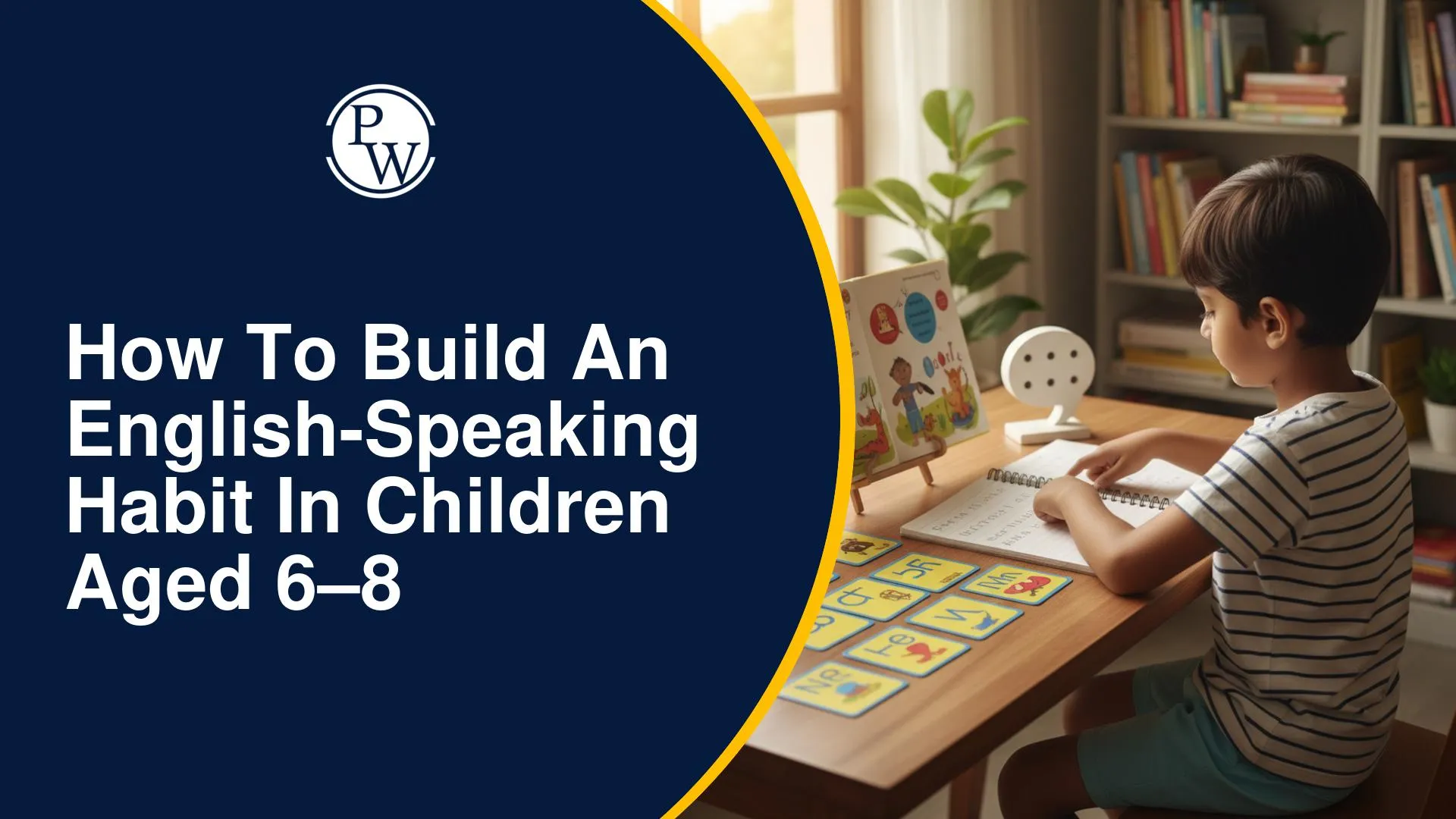
Children aged 6–8 are developing their vocabulary, pronunciation, and communication skills rapidly. Regular exposure to English through simple conversations and everyday activities can help them become more comfortable using the language. The key is to make speaking practice a regular part of their routine rather than treating it as another lesson.
Parents can encourage this habit through short conversations, picture descriptions, storytelling, and role-play at home. A supportive learning environment also gives children the confidence to speak, make mistakes, and keep improving. With consistent practice and guidance, children can gradually become more comfortable expressing their thoughts in English.
Why English Speaking Practice Matters at Age 6–8
Children at this age are developing their ability to understand and use new words, sounds, and sentence patterns. Regular listening and speaking activities can give them more opportunities to use English in everyday situations.
Consistent speaking practice can help children:
-
Develop a better understanding of common English expressions.
-
Practise pronunciation through regular listening and speaking.
-
Use new vocabulary while expressing their thoughts.
-
Become more comfortable responding to questions in English.
-
Build a regular habit of using the language.
When English becomes part of everyday communication, children get more opportunities to practise without feeling that every conversation is a formal learning activity.
Simple Daily Habits to Build English Conversation Skills at Home
Parents do not need specialised training to support their child's English practice. Simple activities incorporated into daily routines can provide regular opportunities to speak.
|
Activity |
How It Helps |
|
Everyday conversations |
Talking about meals, school, hobbies, or daily plans encourages children to use English in familiar situations. |
|
Picture description |
Asking children to describe a picture helps develop vocabulary and sentence formation. |
|
Storytelling |
Retelling a familiar story in their own words encourages children to speak in complete sentences. |
|
Question-and-answer games |
Simple questions such as “What did you do today?” encourage children to think and respond in English. |
|
Short role-play activities |
Pretending to be in a shop, classroom, or restaurant gives children a fun way to practise conversations. |
These activities can take only a few minutes each day. Keeping them playful and conversational can make children more willing to participate and practise regularly.
Let Children Speak Freely and Learn From Mistakes
Fear of making mistakes can make children hesitant to speak English. Parents and teachers can help by creating an environment where children feel comfortable trying new words and sentences.
Instead of correcting every mistake immediately, parents can:
-
Let the child complete their sentence before offering corrections.
-
Appreciate their effort to communicate.
-
Correct important errors gently and explain the right usage.
-
Encourage children to try again when they make a mistake.
-
Keep speaking activities positive and pressure-free.
When children feel comfortable making mistakes, they are more likely to participate and practise speaking regularly.
How CuriousJr's English by Cambridge Program Supports English Skills
Regular practice becomes more effective when children learn English through listening, speaking, writing, and reading together. CuriousJr's English by Cambridge programme uses the LSWR method along with live classes, Cambridge learning materials, teacher support, and regular practice to develop practical English skills.
The programme supports children's English learning through:
-
Listening: Helps children understand spoken English, pronunciation, words, and conversations.
-
Speaking: Gives children opportunities to communicate, express ideas, and participate in conversations.
-
Writing: Helps children practise sentence formation and organise their thoughts in written English.
-
Reading: Builds comprehension, vocabulary, and understanding of written English.
-
Live Interactive Classes: Provides opportunities for children to participate in activities and practise English with teachers.
-
Backup Classes: Helps children continue learning when they miss a live class.
-
Cambridge Learning Materials: Provides Cambridge-aligned resources to support learning and practice.
-
Physical Learning Materials: Gives children additional resources for practising concepts beyond live classes.
-
Small-Batch Learning: A 1:6 teacher-student ratio allows children to interact with teachers and receive individual attention.
-
Regular PTMs: Helps parents stay updated about their child's learning progress and areas that may need more practice.
-
WhatsApp Support: Keeps parents and students connected with the teaching team for questions, updates, and learning assistance.
-
Age-Appropriate Levels: Children learn through Cambridge-aligned levels based on their age and stage of English development.
-
Cambridge Certification: Children can receive a Cambridge certificate after completing the programme.
Building an English-speaking habit in children aged 6–8 starts with small, consistent steps. Daily conversations, storytelling, picture descriptions, and role-play can give children regular opportunities to use English naturally and build confidence over time.
CuriousJr’s English by Cambridge programme can complement this practice through the LSWR method, live interactive classes, Cambridge learning materials, and teacher guidance. With encouragement from both parents and teachers, children can gradually strengthen their listening, speaking, writing, and reading skills while becoming more comfortable expressing themselves in English.
FAQs
How can I improve English speaking skills in children at home?
What is a good age to start English speaking practice for children?
How does CuriousJr help children develop English skills?
Should parents correct every English-speaking mistake?





Get Free Counselling Today
and Clear up all your Doubts
 Live & recorded classes available at easeDashboard for progress trackingLakhs of practice questions