What Should a Good English Learning Course Include?

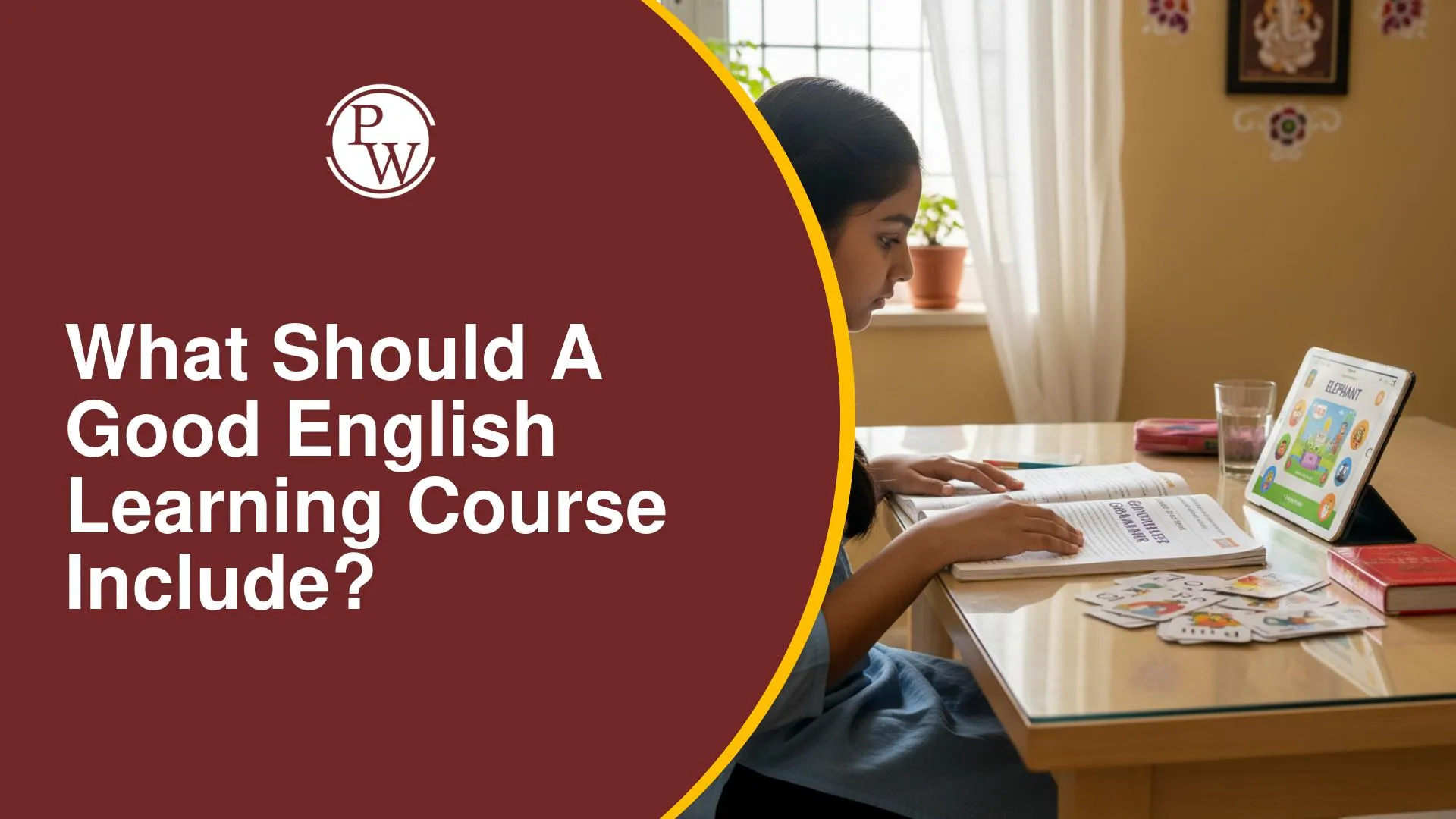
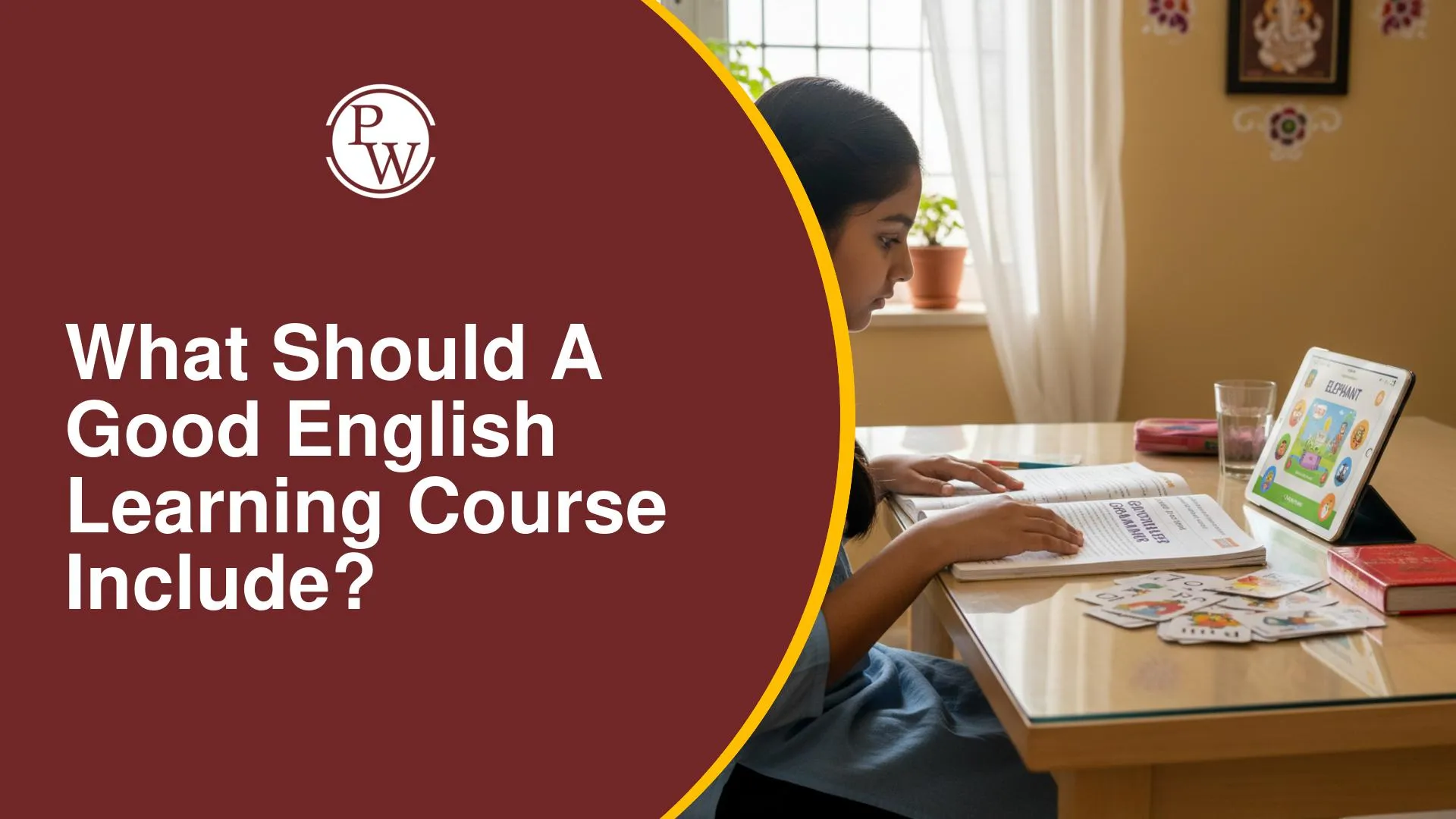
A good English learning course should do more than teach grammar and vocabulary. Children need regular practice in listening, speaking, reading and writing to use English confidently.
A course should also have suitable study material, teacher support and activities that match the child's learning level. PW English learning courses focus on these key areas to help children build their communication skills and become more confident in using English.
What Should a Good English Learning Course Include?
An effective English course should cover different parts of language learning. Children should get enough practice to understand English and use it in real conversations and writing.
LSWR Approach
LSWR stands for Listening, Speaking, Writing, and Reading. A good English course should give attention to all four skills instead of focusing only on grammar or vocabulary.
-
Listening: Children learn to understand spoken English, different pronunciations, and everyday conversations.
-
Speaking: Regular speaking activities help children express their thoughts and become more comfortable using English.
-
Writing: Writing practice teaches children how to form clear sentences, write paragraphs, and express their ideas.
-
Reading: Reading helps improve vocabulary and comprehension while introducing children to different types of texts.
When these four skills are practised together, children can develop better overall communication skills.
Structured Curriculum and Progression
A quality English course for children should follow a clear learning path. Lessons should become gradually more difficult as children improve their English.
For example:
|
Structured Curriculum and Progression |
||
|
Level |
Age Group |
Key Learning Areas |
|
Pre A1 Starters |
6–8 years |
Basic vocabulary, greetings, simple conversations, listening, reading and writing |
|
A1 Movers |
8–10 years |
Vocabulary building, sentence formation and familiar conversations |
|
A2 Key |
10–12 years |
Speaking, reading, writing, listening and expressing ideas |
|
B1 Preliminary |
12–14 years |
Grammar, comprehension, communication and structured writing |
The exact level should depend on the child's English ability, not just their age.
Teacher Interaction and Support
Teacher support is an important part of online English classes. Children should have opportunities to ask questions, speak during class and receive feedback on their work.
Smaller groups can also make it easier for teachers to give individual attention. For example, a class with around six students may allow more time for each child to participate.
Quality Learning Materials
Children need good study material to practise what they learn in class. A course may include workbooks, reading material, worksheets, activities and digital resources.
The material should match the child's level and give them enough practice without making lessons unnecessarily difficult.
Practical English Skills
Learning English is not only about remembering grammar rules. Children should also learn how to use English in everyday situations.
Activities such as conversations, role-plays, presentations and discussions can help children practise:
-
Everyday vocabulary
-
Sentence formation
-
Pronunciation
-
Conversation skills
-
Listening comprehension
-
Expressing ideas clearly
This type of practice can make children more comfortable using English outside the classroom.
Certification
Some English learning courses also prepare children for recognised English assessments. A certificate can give children a clear learning milestone and show their progress.
However, certification should not be the only goal. The main focus should be on helping children actually understand and use English.
Parent Engagement
Parents should also be able to understand how their child is progressing. Regular Parent-Teacher Meetings (PTMs), progress reports and communication with teachers can help parents know which areas need more practice.
A simple communication channel can also make it easier for parents to discuss doubts about their child's learning.
How Can an English Course Help Children Build Communication Skills?
English communication improves when children get opportunities to use the language instead of only studying its rules.
Listening activities can help children understand spoken English, while speaking practice can make them more comfortable expressing their thoughts. Reading introduces new vocabulary and sentence patterns, which children can later use in speaking and writing.
Therefore, English speaking classes for kids should ideally be supported by reading, listening and writing activities. Combining these skills can help children develop more complete communication abilities.
Choosing an English course for children is not just about covering grammar or completing lessons. Children need regular opportunities to listen, speak, read and write in a supportive learning environment.
A course with age-appropriate lessons, teacher guidance and practical activities can make English learning more useful and engaging for children.
What Should a Good English Learning Course Include FAQs
What is the LSWR approach in English learning?
How important is teacher interaction in online English classes?
What age group can join structured English learning programmes?
What should parents look for in an English learning course for kids?





Get Free Counselling Today
and Clear up all your Doubts
 Live & recorded classes available at easeDashboard for progress trackingLakhs of practice questions