
Reading vs Speaking: Which English Skill Should Children Learn First?
 Mishika Gupta13 Aug, 2026
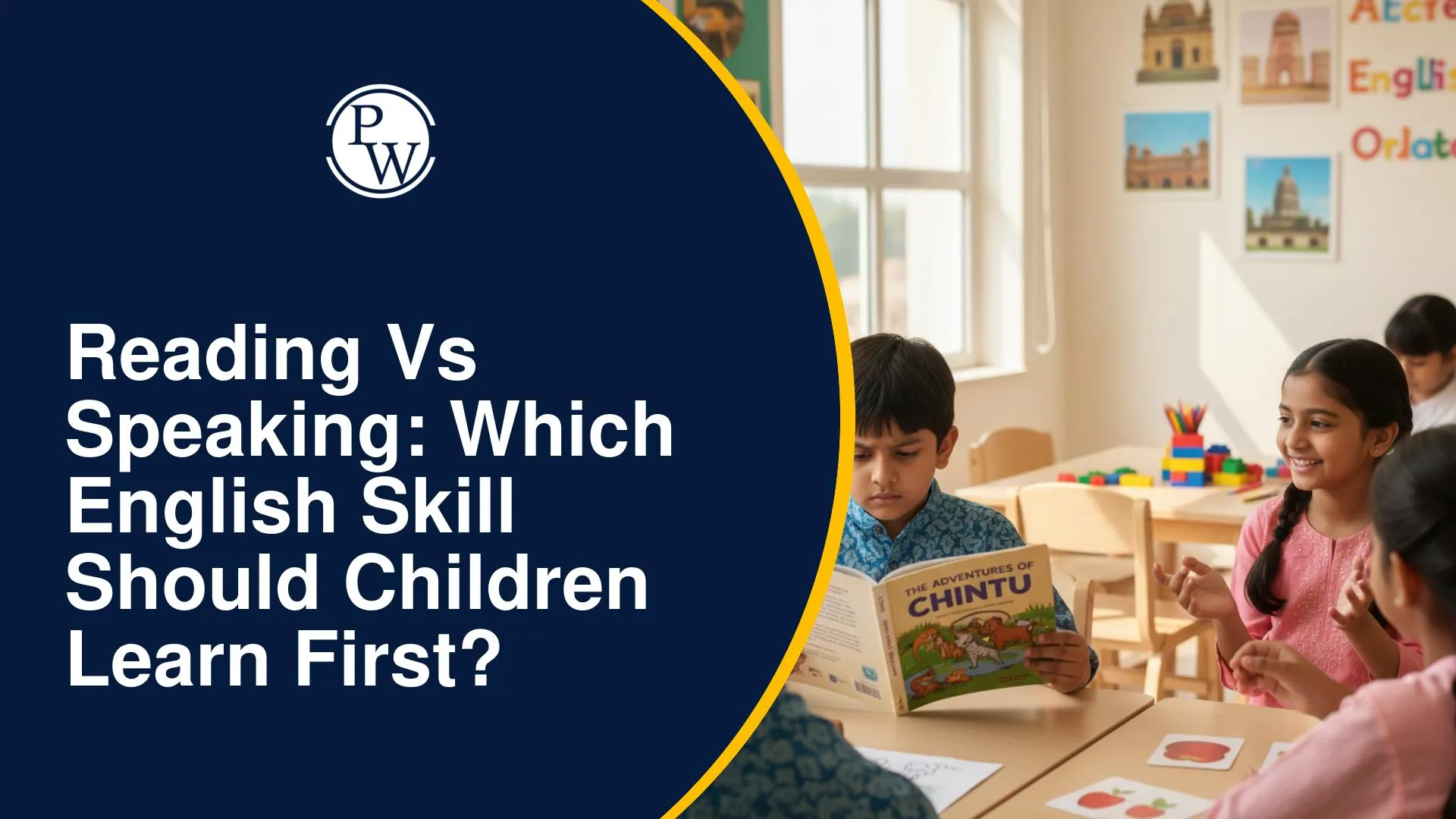
When children start learning English, parents often wonder whether they should focus more on reading or speaking first. While both skills are important, treating them as separate stages can limit a child’s progress. Reading, speaking, listening and writing work together to build strong English communication.
At the Pre A1 Starters level, children aged 6–8 begin with everyday vocabulary, simple conversations, familiar words and basic listening activities. CuriousJr English takes a balanced approach by developing Listening, Speaking, Writing and Reading (LSWR) together through interactive, age-appropriate learning. A balanced approach helps your child gradually become comfortable understanding and using English in different situations.
Reading and Speaking: Which Skill Matters More for Young Learners?
Reading and speaking develop different abilities, but both contribute to better communication. Reading introduces your child to new words, sentences and ideas, while speaking gives them opportunities to use what they have learnt.
For young learners, it is useful to develop both skills alongside listening and writing.
-
Reading helps children recognise words and understand simple written language.
-
Speaking helps children communicate ideas, answer questions and use English in everyday situations.
-
Listening helps them understand pronunciation, instructions and spoken conversations.
-
Writing reinforces vocabulary and sentence formation.
At the early learning stage, your child does not need to master reading before speaking. Regular exposure to all four skills can help each one support the others.
How Reading Helps Children Become Better English Users
Reading gives children regular exposure to vocabulary and sentence patterns. Even simple stories, words and picture-based activities can help them become more familiar with English.
Through age-appropriate reading activities, your child can:
-
Recognise letters, sounds and familiar words.
-
Build basic everyday vocabulary.
-
Understand simple sentences and instructions.
-
Connect words with pictures and meanings.
-
Become familiar with how English sentences are formed.
-
Improve early comprehension skills.
At the Pre A1 Starters level, activities such as matching words with images can make reading easier and more engaging for young children.
Also read: Practice English Without Adding Extra Study Time
Why Speaking Practice Builds Everyday English Confidence
Knowing English words is only one part of communication. Your child also needs opportunities to use those words while speaking.
Speaking activities can help your child:
-
Use simple greetings in everyday situations.
-
Share basic personal information.
-
Answer simple questions.
-
Speak in short phrases.
-
Improve pronunciation through regular listening and speaking.
-
Become more comfortable communicating with teachers and other children.
-
Develop confidence while using familiar English vocabulary.
At the Starters level, children can build confidence through simple conversations, songs, actions and play rather than being expected to speak in long sentences.
Read More - How to Improve English Speaking Skills at Home
Where Listening and Writing Fit Into Early English Learning
Reading and speaking become more effective when listening and writing are also included. Each skill supports a different part of your child's language development.
|
Skill |
Role in Early English Learning |
|
Listening |
Helps your child understand spoken English, recognise sounds and follow simple classroom instructions. |
|
Writing |
Reinforces vocabulary, spelling and basic sentence formation. |
For example, your child may listen to a new word, recognise it while reading, use it while speaking and later practise writing it. This repeated exposure helps make new language easier to remember and use.
How CuriousJr English Brings Reading, Speaking and More Together
CuriousJr English focuses on all four language skills through its LSWR approach: Listening, Speaking, Writing and Reading. The learning experience is aligned with Cambridge English standards and is designed to help children use English confidently in age-appropriate situations.
Your child can benefit from:
-
Live interactive classes with a 1:6 teacher-student ratio.
-
Activities focused on vocabulary, questions, conversations and comprehension.
-
Practice with listening and following classroom instructions.
-
Speaking activities involving greetings, personal information and short phrases.
-
Reading activities involving letters, sounds, words and pictures.
-
Songs, actions and play-based activities to encourage participation.
-
Cambridge learning resources and physical learning material for continued practice.
-
Parent-teacher meetings and WhatsApp support to keep parents informed and provide additional guidance.
-
Personalised teacher support to help children participate and improve.
-
Cambridge certification after successful course completion.
This approach allows your child to practise English through different activities instead of depending on only reading or speaking.
What Your Child Can Develop at the Curious Jr Pre A1 Starters Level
At the Pre A1 Starters level, children aged 6–8 can gradually develop the following skills:
|
Area |
Your Child Can Develop |
|
Vocabulary |
Basic everyday words |
|
Speaking |
Greetings, personal information and short phrases |
|
Listening |
Understanding questions and following classroom instructions |
|
Reading |
Recognising letters, sounds and words |
|
Understanding |
Matching words with images and responding to questions |
|
Confidence |
Participating through songs, actions and play |
The focus at this stage is on helping your child become comfortable with English while developing the basic skills needed for future learning.
Reading and speaking do not need to compete for your child's attention. Both skills develop more effectively when supported by listening and writing. With regular practice and interactive learning, your child can gradually build vocabulary, communication skills and confidence. CuriousJr English Learning Class brings these skills together to support early English learning and future communication.
Reading vs Speaking: Which English Skill Should Children Learn First? FAQs
Should children learn speaking before reading?
How can reading improve English speaking?
Why is listening important for young English learners?
What is the LSWR approach used by CuriousJr English?
Does CuriousJr English provide teacher support?








Get Free Counselling Today
and Clear up all your Doubts
 Live & recorded classes available at easeDashboard for progress trackingLakhs of practice questions

