Why Children Give One-Word Answers in English Conversations: How CuriousJr Can Help
 Mishika Gupta19 Aug, 2026
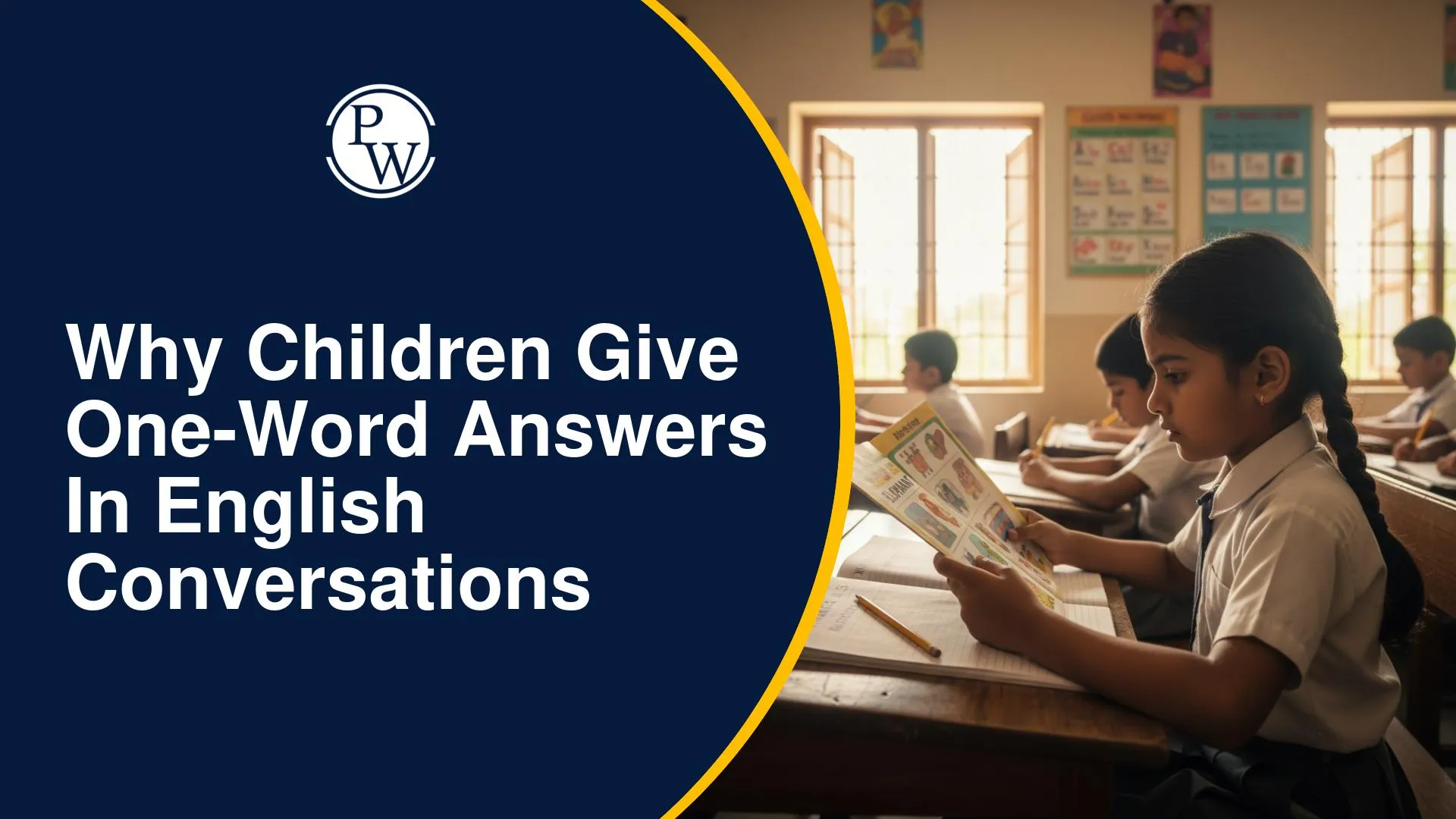
As a parent, you may notice that your child understands simple English questions but often responds with just one or two words. For children aged 6–8, this can happen when they have limited vocabulary, feel unsure about sentence formation, or are nervous about making mistakes while speaking.
CuriousJr English Pre A1 Starters helps address these early communication challenges through age-appropriate speaking, listening, reading and writing activities. Regular practice, guided conversations and teacher support can help your child build vocabulary, form simple sentences and become more comfortable expressing thoughts in English.
Why Does Your Child Give One-Word Answers in English?
Children may know the answer but still struggle to turn their thoughts into spoken English. Some common reasons include:
-
Limited everyday English vocabulary
-
Difficulty forming complete sentences
-
Uncertainty about pronunciation
-
Fear of making grammar mistakes
-
Less exposure to spoken English at home
-
Limited opportunities for regular conversation practice
-
Hesitation when speaking with unfamiliar people
If your child says “yes”, “no”, “school” or “fine” instead of answering in a complete sentence, they may simply need more opportunities to practise speaking in a comfortable environment.
Read More - How to Improve English Speaking Skills at Home
How Vocabulary Helps Children Speak in Complete Sentences
A child needs enough familiar words to express an idea before they can confidently build a sentence. Learning everyday vocabulary can therefore make English conversations easier.
At the Pre A1 Starters level for ages 6–8, children can work on:
-
Basic everyday vocabulary
-
Simple greetings
-
Personal information
-
Matching words with images
-
Responding to simple questions
-
Recognising letters, sounds and words
For example, instead of answering “school” to “Where are you going?”, your child can gradually learn to say, “I am going to school.”
Can Regular Speaking Practice Improve English Confidence?
Knowing English and speaking English are different skills. Your child may understand a sentence but hesitate when asked to respond.
Regular speaking activities can help your child become more comfortable with:
-
Short conversations
-
Greetings and introductions
-
Simple questions and answers
-
Pronunciation practice
-
Speaking in short phrases
-
Classroom interactions
With repeated practice, children can become less worried about making small mistakes and more willing to participate in conversations.
How Listening Supports Better English Conversations
Children often need to understand spoken English before they can respond comfortably. Listening activities expose them to common words, sentence patterns and classroom instructions.
You can encourage your child to listen to simple English through:
-
Short stories
-
Songs
-
Age-appropriate conversations
-
Simple instructions
-
Interactive English activities
At the Pre A1 Starters level, children practise listening and following classroom instructions, helping them become more comfortable with spoken English.
How CuriousJr Pre A1 Starters Helps Children Speak Better
CuriousJr English Pre A1 Starters is designed for beginner learners aged 6–8 who are developing basic English communication skills. The learning approach combines speaking, listening, reading and writing practice with interactive activities.
|
Learning Focus |
How It Supports Your Child |
|
Speaking Confidence |
Regular conversations and speaking activities encourage children to express themselves. |
|
Vocabulary |
Everyday words and simple sentence formation help children communicate more clearly. |
|
Listening |
Listening activities help children understand instructions and conversations. |
|
Reading & Writing |
Short sentences, stories and simple writing activities support overall language development. |
|
Interactive Learning |
Games, stories and activities make English practice more engaging. |
|
Real-Time Quizzes & Follow-Ups |
Regular quizzes and follow-up activities help children practise and reinforce what they learn. |
|
1:6 Teacher-Student Ratio |
A small class size gives children more opportunities to interact with the teacher and participate. |
Read More - English Speaking vs Grammar: What Should Children Learn First?
What Does Your Child Practise in CuriousJr Pre A1 Starters?
The course introduces children to age-appropriate English through guided lessons and interactive practice.
Your child can practise:
-
Basic greetings and conversations
-
Everyday vocabulary
-
Sentence formation
-
Reading short stories and sentences
-
Listening and speaking activities
-
Pronunciation
-
Games and English activities
These activities give children regular opportunities to use English instead of only learning words and grammar rules.
What Can Parents Do to Encourage Longer English Responses at Home?
You can create simple opportunities for your child to speak English without turning every conversation into a lesson.
Try these approaches:
-
Ask questions that require more than “yes” or “no”.
-
Give your child time to think before answering.
-
Encourage complete sentences instead of correcting every mistake.
-
Use familiar situations such as meals, school and playtime for conversation.
-
Ask your child to describe a picture or tell a short story.
-
Praise their effort when they try to speak in English.
For example, instead of asking, “Did you enjoy school?”, try, “What did you enjoy most about school today?” This gives your child more room to form a response.
One-word responses can be a natural part of early English learning, especially when children are still developing vocabulary and speaking confidence. Instead of focusing only on correcting mistakes, give your child regular opportunities to listen, speak and form simple sentences. CuriousJr English Pre A1 Starters Classes support this process through interactive activities, guided practice and age-appropriate English learning.
Why Children Give One-Word Answers in English Conversations FAQs
Is it normal for children to give one-word answers in English?
How can I encourage my child to speak English at home?
What is Pre A1 Starters?





Get Free Counselling Today
and Clear up all your Doubts
 Live & recorded classes available at easeDashboard for progress trackingLakhs of practice questions