Personalized Learning vs. Traditional Classrooms: Which Works Best?
 Jasdeep Singh25 Apr, 2025
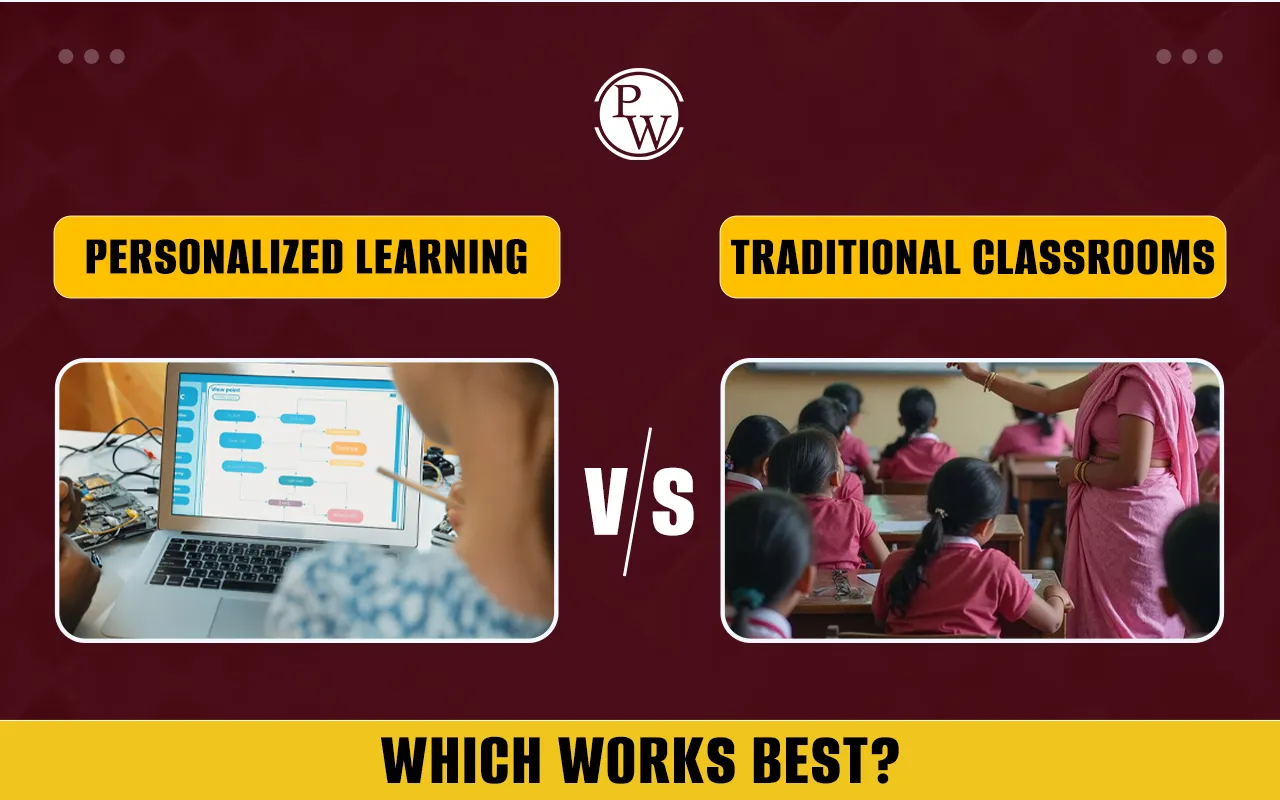
Students today have different learning needs, skills, and interests compared to the past. As classrooms grow more diverse, the traditional one-size-fits-all teaching model often struggles to support every learner. Schools are now exploring new ways to create flexible and engaging learning environments.
Personalized learning is one approach that adapts lessons to fit each student’s pace and strengths. But how does it compare to traditional classroom teaching? Which method helps students stay more engaged and achieve better results?
In this blog, we explore the differences between personalized learning and traditional instruction to see which best supports student success today.
Personalized Learning vs. Traditional Classrooms: Key Differences
Choosing between personalized learning and traditional classrooms is important, as each shapes learning differently. Here’s how traditional learning and personalized learning differ in approach.
1. Teaching Approach
Traditional Classrooms:
Traditional classrooms follow a teacher-centered model where the teacher delivers content to the entire class using a fixed plan designed to meet curriculum standards. Students are expected to learn the same material at the same pace, with little flexibility for individual needs.
Lessons are mostly based on lectures, textbooks, and written assignments, offering a similar learning experience for all students. Creativity in teaching is often limited by strict, standardized requirements.
Personalized Learning:
In personalized learning, teaching adapts to the needs and preferences of individual students. Lessons are tailored based on a student’s skills, interests, and learning styles.
The content is delivered using varied methods such as interactive tools, projects, and personalized activities. Students have a greater voice in shaping their education, which often results in deeper engagement and better outcomes.
Tips to Encourage a Reading Habit in Children
2. Role of the Teacher
Traditional Classrooms:
In traditional classrooms, the teacher is the primary authority figure responsible for maintaining order, delivering lessons, and ensuring curriculum coverage. Students are largely passive recipients of information, and classroom control is essential to maintaining discipline.
Evaluation is based on standardized assessments, with little flexibility for individual learning paths. Teachers focus on meeting group goals rather than adjusting for each student's needs.
Personalized Learning:
The teacher acts as a guide and coach. They provide support based on each student’s needs. Instead of delivering one lesson to everyone, they create personalized learning paths.
Progress is checked regularly, and lessons are adjusted when needed. Students are encouraged to take charge of their learning. They develop skills in self-direction and critical thinking. Regular one-on-one interactions help build stronger relationships.
How One-on-One Mentoring Can Transform Your Child’s Learning Journey
3. Learning Pace
Traditional Classrooms:
In traditional education, the pace of instruction is uniform for all students. Class schedules dictate when topics are introduced and how quickly they are covered.
Students who struggle with a concept may fall behind, while those who grasp the material quickly may become bored. There is little room for flexibility, as teachers must keep pace with the curriculum calendar to meet testing and academic standards.
Personalized Learning:
Students learn at their own pace and move forward after mastering a topic. This flexibility lets them spend more time on difficult subjects and move faster through easier ones. Teachers use regular assessments to guide each student’s progress. As a result, students feel less frustrated and build a stronger understanding of what they learn. This boosts their confidence and improves their academic success.
Why Personalized Learning is the Future of Education
4. Curriculum Structure
Traditional Classrooms:
Curricula in traditional learning are predetermined and standardized across all students. Everyone studies the same subjects in the same order, regardless of interests or learning differences.
The focus is on covering a broad range of topics aligned to national or regional education standards. Students have limited input into what they learn, which can make learning feel disconnected from their personal interests and future goals.
Personalized Learning:
Personalized learning gives students a flexible curriculum based on their needs and interests. Core subjects are still taught to build strong basics, but students can also explore topics they enjoy.
This approach makes learning more meaningful and keeps students motivated. The curriculum is adjusted often to match each student’s progress, strengths, and changing interests.
Tips to Write Better Answers in Exams
5. Assessment and Feedback
Traditional Classrooms:
In traditional classrooms, assessments are scheduled and standardized. Students take the same quizzes, tests, and exams at set intervals, and feedback is usually provided after grading is completed. This system often emphasizes scores over learning and can discourage students who do not perform well under timed test conditions. Feedback may not always be timely enough to correct misunderstandings before moving on.
Personalized Learning:
Assessment is a regular part of learning. Teachers use tests, observations, and digital tools to track progress in real time. Students get quick feedback, helping them improve as they learn. The focus is on mastering skills instead of just earning grades. Regular feedback also helps students understand better and grow their confidence.
6. Student Engagement
Traditional Classrooms:
Engagement levels in traditional classrooms vary depending on students' natural interest in the subject matter. Teaching methods often rely on lectures, textbooks, and worksheets, which can result in passive learning. Students who do not connect with the material may lose motivation, leading to lower participation and academic achievement.
Personalized Learning:
Personalized learning keeps students more engaged by connecting lessons to their interests and goals. Students can choose how they show what they have learned, like doing projects, presentations, or creative work. Using technology, real-world problems, and interesting topics makes learning more meaningful. This helps students stay motivated, understand better, and achieve stronger results.
Tips to Use Mind Maps for Studying Complex Subjects
7. Use of Technology
Traditional Classrooms:
Technology in traditional classrooms is often supplementary. Teachers may use smartboards, videos, and online research tools, but the core instruction remains teacher-driven and textbook-based. Digital tools may be limited to specific subjects or special projects rather than integrated into everyday learning activities.
Personalized Learning:
Technology is a key part of personalized learning. Teachers use digital tools, learning apps, and progress trackers to give students customized lessons and tests. Students use technology to find resources, work with others online, and join interactive activities. It also helps teachers collect data and adjust each student’s learning plan as they grow.
Open-Book vs. Closed-Book Exams: Which is Better?
8. Learning Environment
Traditional Classrooms:
Traditional learning environments are based on physical classrooms with desks arranged in rows, strict schedules, and face-to-face interaction. Students attend school at specific times and follow a set timetable. The environment promotes structure and discipline but may not accommodate all learning styles or preferences.
Personalized Learning:
Personalized learning environments are more flexible. Students can learn in different settings, both in classrooms and online. They follow a schedule that fits their needs and learning pace. The environment supports different learning styles and gives students more choices in how and where they learn.
Best Study Techniques for Slow Learners
9. Collaboration and Social Skills
Traditional Classrooms:
Traditional classrooms encourage collaboration through group projects, class discussions, and extracurricular activities. Students build social skills by interacting with peers every day. However, group work is usually tied to set assignments, which may limit how deep their connections become.
Personalized Learning:
Personalized learning builds collaboration through group activities and online projects based on students’ interests. Students work together on topics they enjoy, helping them grow academically and socially. Collaboration is planned to make peer interactions more meaningful. Well-designed programs also help students strengthen communication, leadership, and teamwork skills.
Tips to Write Better Answers in Exams
10. Adaptability for Different Learners
Traditional Classrooms:
Traditional methods often struggle to accommodate diverse learners. Instruction is geared toward the average student, making it difficult for students with disabilities, language differences, or unique learning styles to succeed without additional support services.
Personalized Learning:
Personalized learning naturally adapts to diverse learning needs. Teachers create individual learning paths using tools and strategies designed to support a wide range of abilities. Students receive accommodations such as adjusted pacing, alternative assignments, and tailored assessments. This approach ensures that every learner has an equitable opportunity to succeed.
Personalized Learning vs Traditional Learning: Which Works Best?
When choosing the best teaching method, it’s important to consider each student’s needs and the subject. Personalized learning allows students to learn at their own pace and focus on what interests them. For example, a student who enjoys science can spend more time exploring it and diving deeper into the subject.
Traditional teaching has students learning the same material at the same time. For example, in a math class, everyone follows the same steps to solve problems, ensuring that all students understand the basics.
The best approach may combine both methods. Teachers can adjust lessons to meet each student’s needs while using a set plan to teach key concepts. This way, students can learn at their own pace and still gain the necessary skills and knowledge.
Digital Learning Tools Every Student Should Know
The Rise of Blended Learning: Combining Personalized and Traditional Approaches
Blended learning, which merges personalized and traditional classroom methods, is becoming increasingly popular in schools around the world. This approach combines the structure and social engagement of traditional classrooms with the flexibility and personal focus of personalized learning.
Many schools now adopt blended models, such as flipped classrooms, where students explore new material at home and use class time for discussions and deeper practice. Research shows that blended learning increases engagement, improves understanding, and supports stronger academic growth by meeting different learning needs.
At Curious Junior, we bring blended learning into our tuition program for Classes 3 to 9. Here’s what makes our program special:
-
Every student gets a dedicated teacher for teching and a personal mentor for guidance.
-
Custom practice exercises help strengthen concepts and build better learning habits.
-
No more homework struggles as our mentors provide real-time support when needed.
-
Students learn through experiments and real-world activities that make education practical and exciting
-
Play-based learning sessions help children understand concepts better and stay engaged.
Enroll today and give your child a smarter way to learn!