How One-on-One Mentoring Can Transform Your Child’s Learning Journey?
 Jasdeep Singh25 Apr, 2025
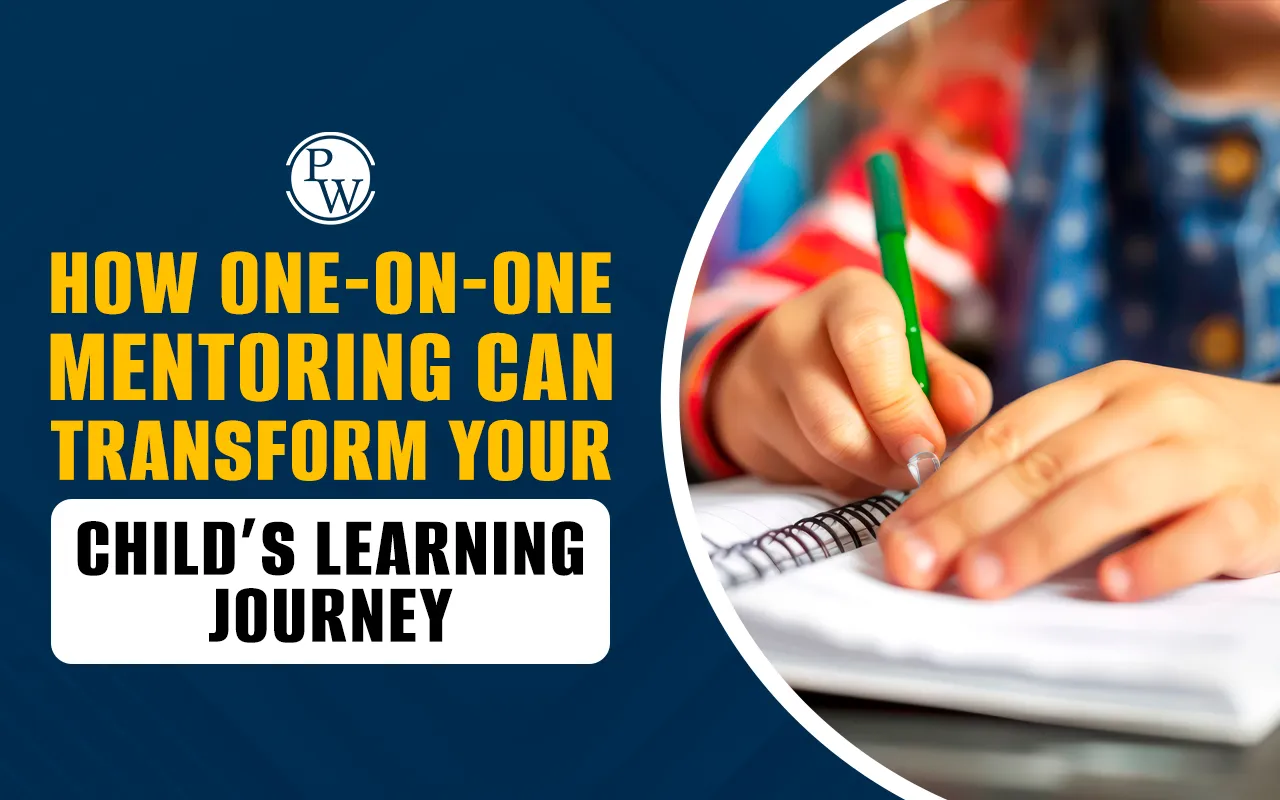
A child sitting quietly at the study table, struggling to understand a lesson, is a common sight in many homes. No matter how hard they try, sometimes schoolwork, friendships, and personal worries can make learning feel heavy. Parents watch and want to help but often wonder what more they can do.
Today’s children face many challenges. They must balance academic demands, social expectations, personal dreams, and emotional ups and downs. Without the right support, even the most hardworking child may lose confidence or feel overwhelmed.
This is where one-on-one mentoring plays a significant role. In this blog, we will explain what one-on-one mentoring means and how it can support children in their learning and overall growth.
Why Personalized Learning is the Future of Education
What is One-On-One Mentoring?
One-on-one mentoring is a personalised relationship where an experienced mentor provides guidance and support. It is different from tutoring, therapy, or formal teaching.
Instead, it is a caring and thoughtful approach where the mentor listens, encourages, and walks alongside the child through both challenges and successes.
Unlike crowded classroom environments, one-on-one mentoring provides full attention to the child. The child receives emotional support, guidance in learning, and valuable life lessons from someone who truly believes in their potential.
How does One-on-One Mentoring Benefit Your Child?
One-on-one mentoring touches many parts of a child's life. Let’s explore how it helps:
Builds Confidence in Learning
Children often keep their doubts to themselves because they fear looking silly. In a mentoring session, they feel safe asking anything without being judged. Every time a child asks a question and gets a clear answer, their confidence grows a little stronger.
Over time, they start seeing learning as exciting rather than scary. They participate more in class, complete work without fear, and even challenge themselves to try harder topics. Confidence in learning builds a strong foundation for future success.
Improves Communication Skills
Talking regularly with a mentor teaches children how to share their thoughts and feelings clearly. They learn to take turns in conversation, listen carefully, and respond in a way that shows respect and understanding.
These skills are important in school, friendships, teamwork, and even family life. When children feel comfortable talking and listening, they form stronger bonds with others. Good communication skills open many doors and help children feel connected wherever they go.
Tips to Improve Pronunciation for Better Communication
Teaches the Power of Consistency
Children learn more from actions than from words. A mentor who shows up every week without fail teaches a powerful life lesson about loyalty and commitment. Children notice that someone is taking time out just for them.
Slowly, they begin to understand the value of being reliable themselves. Whether it is homework, friendships, or future jobs, consistency is a skill that brings trust and success. Having someone model this through mentorship leaves a deep and lasting impact.
Strengthens Problem-Solving Skills
Instead of giving quick answers, mentors guide children to think for themselves. They ask questions that make the child pause, reflect, and find a way forward. Through this habit, children learn how to break big problems into smaller steps.
They begin to trust their thinking and feel proud when they find solutions on their own. Problem-solving becomes a way of life, helping them face both academic tasks and personal challenges without fear or confusion.
Essential Life Skills Every Student Should Learn
Builds Emotional Strength
Life is full of ups and downs, and children need to learn how to deal with them. Mentors often share their own stories of struggles and how they overcame them. This shows children that failure is not the end but part of the learning journey.
When children know that mistakes are normal, they feel less discouraged when things go wrong. They learn to get back up, try again, and stay hopeful even in tough times. This emotional strength stays with them forever.
Encourages Goal-Setting
Mentors help children dream big but also teach them how to make dreams happen by setting small, achievable goals. A mentor sits with the child, talks about what they want to achieve, and helps them break it into simple steps.
Every small goal reached gives the child a sense of victory and builds a habit of planning. Over time, children learn how to stay focused, organize their work, and feel proud of what they accomplish. This habit prepares them for future success.
Helps Clear Doubts Quickly
Children often hesitate to speak up when they do not understand something in class. Over time, small doubts pile up and become big problems. A mentor encourages children to ask questions freely, clearing doubts as soon as they appear.
This keeps their learning smooth and steady. Children feel relieved and happy when they fully understand a topic. Regular doubt-solving not only makes schoolwork easier but also teaches children that seeking help is a smart and strong thing to do.
Why Kids Lose Interest in Studies (And How to Bring It Back!)
Promotes Independent Thinking
A mentor does not simply tell the child what to do. Instead, they guide them to think about choices, weigh options, and decide for themselves. This builds the child’s ability to trust their own ideas.
As they practice making decisions in small ways, they get better at handling bigger challenges too. Independent thinking gives children the freedom to solve problems, lead projects, and stand up for their beliefs. It prepares them to face the world with confidence.
How to Manage Time Effectively While Studying
Shapes a Strong Self-Image
Children believe what trusted adults tell them. When a mentor points out a child’s strengths and talents, it changes how they see themselves. They begin to think, "I can do this," even in hard situations.
A mentor also gives gentle advice on how to improve without making the child feel bad. Over time, this shapes a healthy, strong self-image. Children who believe in their abilities are more likely to try new things, stick with challenges, and achieve great things.
Why is Curious Junior the Right Learning Partner for Your Child?
If you want your child to enjoylearning while building strong academic skills, Curious Junior is here to support you every step of the way. We offer online learning programs for Classes 8 to 10, covering English, Math, Science, and Social Studies in a way that is both engaging and meaningful.
Our Interactive Live Classes make lessons exciting through animations, activities, and learning badges. Children stay focused and enjoy the process of learning.
With our unique Two-Teacher Model, every child receives full attention. One expert teaches the subject while a personal mentor provides extra guidance and support, helping your child grow with confidence.
Daily Performance Tracking keeps parents closely connected to their child's learning journey. Regular progress reports make it easy to see improvements and areas for extra help.
At Curious Junior, we believe learning should be joyful, personal, and filled with growth. Start your child's learning journey with Curious Junior today.