
Wild Animal Names: List of 100 + Wild Animals and Their Interesting Facts
 Jasdeep Singh29 May, 2026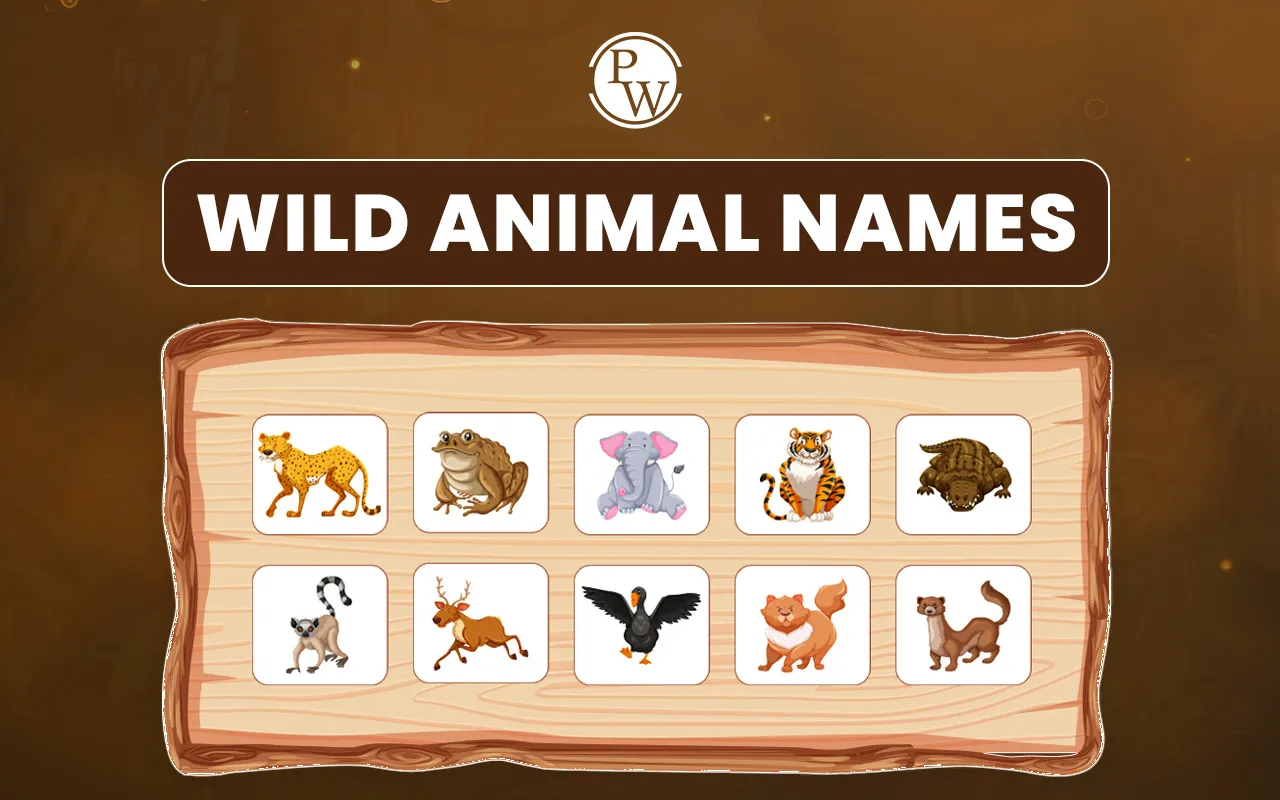
What Are Wild Animals?
Wild animals are creatures that live and survive in their natural environments without human care or domestication. Unlike pets and farm animals, they rely on instincts to find food, water, and shelter. They inhabit forests, grasslands, mountains, oceans, and deserts.
Wildlife includes a vast range of species, from tiny insects to large mammals like elephants and whales. Some animals, such as deer and rabbits, eat plants, while others, like lions and sharks, hunt for food. Every wild animal plays a role in maintaining the balance of nature by supporting food chains and contributing to biodiversity.
Even if kept in captivity, such as in zoos or wildlife reserves, these animals remain wild, as they have not been domesticated over generations like dogs or cattle. Their behaviours, instincts, and survival needs remain closely tied to their natural habitats.
List of Wild Animal Names
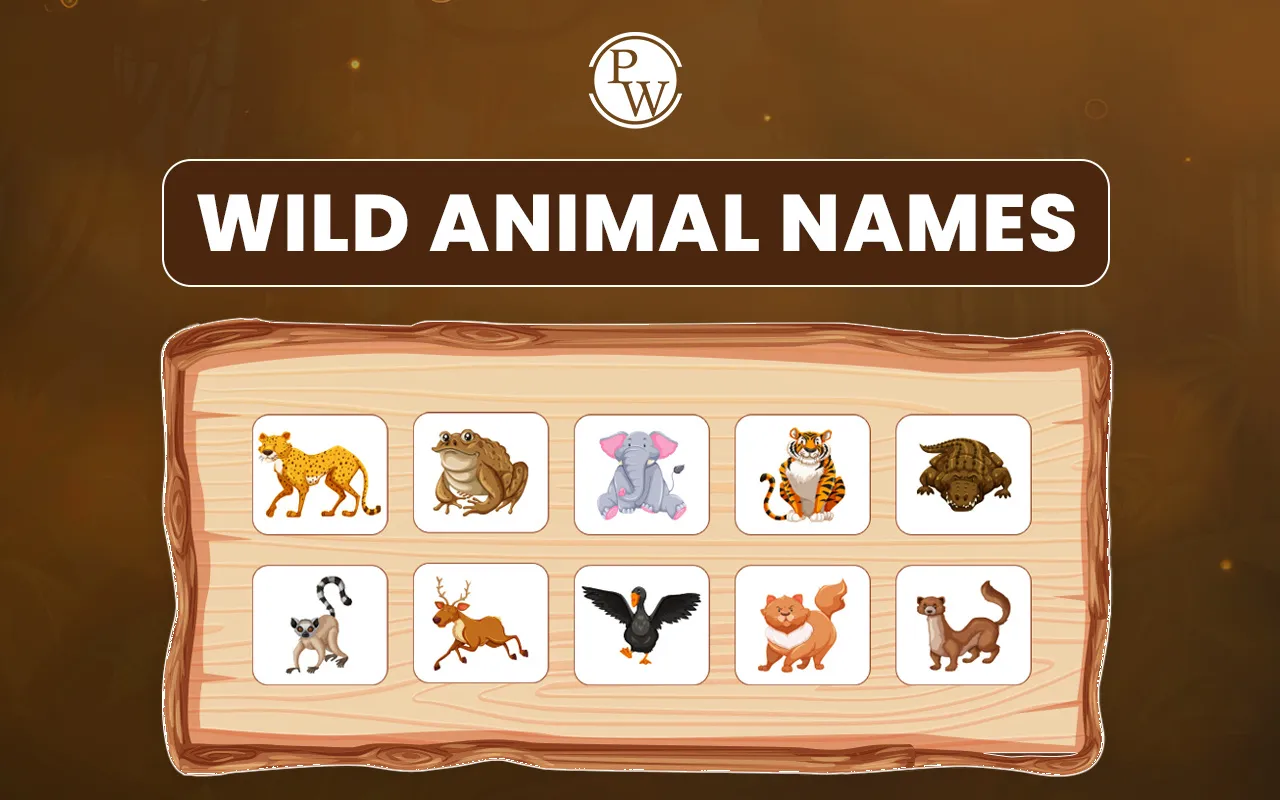
Wild animals exist in diverse habitats across the globe. Here is a comprehensive list of wild animals name in English, including 20 wild animals name for easy learning:
Mammals:
Mammals are warm-blooded animals with hair or fur, and most give live birth. They are found in forests, savannas, mountains, and even aquatic environments. These animals are known for their intelligence, social behaviours, and adaptability.
-
Tiger
-
Lion
-
Elephant
-
Leopard
-
Cheetah
-
Jaguar
-
Giraffe
-
Zebra
-
Deer
-
Gorilla
-
Chimpanzee
-
Bear
-
Kangaroo
-
Hippopotamus
-
Rhinoceros
-
Bison
-
Wolf
-
Fox
-
Moose
-
Sloth
-
Hyena
-
Antelope
-
Otter
-
Lynx
-
Wild Boar
Read More - List of Herbivorous Animal Names
Reptiles:
Reptiles are cold-blooded animals with scales and typically lay eggs. They are mostly found in warm habitats like deserts, wetlands, and forests.
-
Crocodile
-
Alligator
-
Komodo Dragon
-
Chameleon
-
Monitor Lizard
-
King Cobra
-
Python
-
Rattlesnake
-
Green Anaconda
-
Iguana
-
Gila Monster
-
Black Mamba
-
Tortoise
-
Gecko
-
Frilled Lizard
Read More - Top 10 Longest Words in English
Birds:
Birds are warm-blooded, feathered animals that lay eggs. They can fly, swim, or walk depending on the species and play important roles in pollination, seed dispersal, and maintaining ecological balance.
-
Eagle
-
Emu
-
Owl
-
Penguin
-
Falcon
-
Ibis
-
Vulture
-
Albatross
-
Peacock
-
Macaw
-
Toucan
-
Woodpecker
-
Stork
-
Hornbill
-
Secretary Bird
-
Snowy Owl
-
Condor
-
Pelican
-
Parrot
-
Swan
Marine Animals:
Marine animals live in oceans, rivers, and lakes. They include mammals, fish, mollusks, and other unique species that adapt to underwater life.
-
Shark
-
Jellyfish
-
Walrus
-
Dolphin
-
Seal
-
Whale
-
Stingray
-
Octopus
-
Sea Turtle
-
Moray Eel
-
Seahorse
-
Barracuda
-
Manta Ray
-
Swordfish
-
Lobster
-
Crab
-
Starfish
-
Pufferfish
-
Narwhal
-
Beluga Whale
Other Unique Species:
These animals have special adaptations that help them survive in unique habitats and climates around the world.
-
Panda
-
Armadillo
-
Meerkat
-
Squirrel Monkey
-
Flying Squirrel
-
Capybara
-
Platypus
-
Aardvark
-
Tapir
-
Hedgehog
-
Koala
-
Porcupine
-
Wombat
-
Skunk
-
Badger
-
Pangolin
-
Beaver
-
Lemur
-
Caracal
-
Fossa
Interesting Facts About Wild Animals
Wild animals captivate us with their remarkable behaviours and unique adaptations. Here are 15 interesting facts that highlight the wonders of wildlife:
-
The Blue Whale is Massive: The blue whale is the largest animal on Earth, weighing as much as three elephants and as long as three Greyhound buses. Its heart is the size of a small car!
-
Jellyfish That Never Dies: The Turritopsis dohrnii jellyfish can return to its early stage instead of dying, making it biologically immortal.
-
Bats Are the Only Flying Mammals: Unlike other mammals, bats can truly fly. They also digest food so quickly that they excrete waste just 30 to 60 minutes after eating.
-
The Mantis Shrimp Has a Super Punch: The Mantis Shrimp has the fastest punch in the animal kingdom—so strong it can break glass or stun prey instantly.
-
The Only Venomous Primate: Slow lorises produce venom by licking a gland on their arm, making their bite toxic to humans and animals.
-
Killer Whales Aren’t Whales: Orcas, or killer whales, are actually the largest members of the dolphin family.
-
Frogs Can Freeze and Survive: Some frogs produce a special sugar that prevents their cells from freezing completely, allowing them to survive winter and thaw out in spring.
-
Blue-Eyed Lemurs Are Rare: These lemurs, found only in Madagascar, are one of the few primates besides humans that have true blue eyes.
-
Elephants Have Giant Teeth: A single elephant tooth can weigh up to 9 pounds—about the same as a small bowling ball!
-
Kangaroos Had Tree-Dwelling Ancestors: Ancient kangaroos lived in trees. Today, some species, known as tree kangaroos, still exist in Australia and Papua New Guinea.
-
Fleas Are Super Jumpers: Fleas can jump 200 times their height. If humans could do the same, we’d be able to leap over skyscrapers!
-
The Stonefish Is Deadly: The stonefish is the most venomous fish in the world. Its sting can cause extreme pain, paralysis, or even death if not treated.
-
No Two Tigers Look the Same: Every tiger has a unique stripe pattern, just like human fingerprints. This helps researchers identify individual tigers.
-
Why Do Zebras Have Stripes? Scientists believe zebra stripes might help with camouflage, keep bugs away, or even help zebras recognize each other.
-
A Toxic Butterfly: The African giant swallowtail butterfly has a toxin strong enough to harm small animals like cats.
Importance of Learning Wild Animal Names
Learning the names of wild animals helps students and nature enthusiasts understand wildlife diversity, build vocabulary, and appreciate the role each species plays in ecosystems. It also fosters curiosity, conservation awareness, and a stronger connection with nature. Here are important reasons why students should learn wild animal names:
-
Expands Vocabulary: Learning new animal names strengthens language skills and improves communication.
-
Enhances Awareness: Helps students understand wildlife's diversity and role in nature.
-
Encourages Conservation: Creates awareness about endangered species and the need to protect natural habitats.
-
Fosters a Connection with Nature: Builds appreciation for animals and their ecosystems, promoting environmental responsibility.
-
Inspires Scientific Curiosity: Sparks interest in biology, zoology, and ecological studies, encouraging future exploration and learning.
Threats to Wild Animals
Wild animals face numerous challenges in their natural habitats due to human activities and environmental changes. Understanding these threats is crucial to protecting wildlife, preserving biodiversity, and ensuring that these incredible creatures continue to thrive for future generations.
-
Habitat Destruction: Deforestation, urbanization, and agriculture destroy natural habitats.
-
Poaching and Hunting: Illegal hunting for fur, ivory, and other animal parts endangers species.
-
Climate Change: Rising temperatures and changing weather patterns impact migration and food availability.
-
Pollution: Plastic waste, water pollution, and air pollution harm animals and their habitats.
-
Human-Wildlife Conflict: Expanding human settlements leads to conflicts between humans and wild animals.
How Can We Protect Wild Animals?
Protecting wild animals is important for maintaining ecological balance and biodiversity. By taking simple yet meaningful actions, students and individuals can contribute to conservation efforts, safeguard habitats, and ensure that wildlife continues to thrive in their natural environments. Students can contribute to wildlife protection through simple yet impactful actions:
-
Reduce Plastic Use: Minimize plastic consumption to prevent harm to marine and land animals.
-
Support Conservation Efforts: Learn about and promote organizations working to protect endangered species.
-
Plant Trees: Help restore natural habitats by participating in tree-planting initiatives.
-
Spread Awareness: Educate others about the importance of wildlife and the need for conservation.
Fun Activities for Students
Learning about wild animals can be interactive and fun. Here are some activities:
-
Wildlife Drawing: Draw your favourite wild animal and write a few lines about it.
-
Animal Name Game: List as many wild animals as possible, starting with each letter of the alphabet.
-
Guess the Animal: Describe an animal’s features and let friends guess its name.
-
Zoo Visit or Virtual Safari: Observe wild animals and learn about their habitats.
Wild animals are a valuable part of our planet. Learning their names and understanding their roles helps students appreciate wildlife and recognize the need for conservation.
Whether through books, documentaries, or real-life encounters, discovering the world of wild animals offers endless opportunities for curiosity and learning.
Join CuriousJr Online Tuition Class for Kids Now!!




FAQs
Which wild animals are the largest in size?
Are all wild animals dangerous?
What is the fastest wild animal?
What are wild animals?
Can you provide a list of wild animals name in English?
What are 20 wild animals name for beginners?
Where can I see wild animals safely?











Get Free Counselling Today
and Clear up all your Doubts
 Live & recorded classes available at easeDashboard for progress trackingLakhs of practice questions

