Quick and Easy Learning Hacks for Parents to Boost Kids' Vocabulary
 Jasdeep Singh25 Apr, 2025

A strong vocabulary is the gateway to better communication, improved reading comprehension, and academic success. For children, learning new words should feel like an exciting adventure rather than a dull exercise.
Parents play a key role in expanding their child’s word bank by making vocabulary building a part of everyday activities. Instead of traditional memorization techniques, children thrive when learning is woven into play, conversations, and daily experiences.
Whether through books, games, or creative storytelling, there are countless ways to introduce new words in a natural and engaging manner.
The key is to keep learning interactive and fun, ensuring children remain curious and eager to explore language. In this blog post, we will discuss 14 playful and practical strategies that will help parents effortlessly boost their child’s vocabulary.
These techniques not only introduce new words but also encourage kids to use them confidently in conversations and writing.
Role of Reading in Improving English Vocabulary
Tips for Parents: How to Build a Strong Vocabulary Foundation
Before jumping into the specific hacks, keep these golden rules in mind:
-
Consistency is key: Encourage daily learning in small doses.
-
Engagement matters: Make learning playful and interactive.
-
Encourage conversations: The more kids talk, the more words they learn.
-
Use real-life connections: Link new words to experiences or objects.
-
Patience is essential: Kids learn at different paces; support their progress.
Why Learning English is Important for a Global Career
Top 14 Everyday Strategies to Improve Your Child’s Vocabulary Effortlessly
Expanding your child's vocabulary doesn't have to feel like a chore; these fun and engaging activities will make learning new words exciting and effortless!
1. Word of the Day Challenge
Introducing one new word daily can help your child build their vocabulary gradually. Pick a word suited to their age and explain its meaning through examples. Ask your child to use it in different sentences throughout the day to make it more interactive.
You can write it on a board, stick a note on the fridge, or keep a journal where they record the words they learn. Review the words together in a playful quiz or conversation at the end of the week.
2. Read Aloud with Expression
Reading aloud is not just about words; it's about making them come alive. Use animated expressions, different voices for characters, and varied tones to keep your child engaged.
Pause when you encounter an unfamiliar word, encourage them to guess its meaning, and then explain it. Discuss how the word is used in different contexts.
Let your child take turns reading aloud, too. This method strengthens comprehension, pronunciation, and confidence in using new words naturally.
How to Improve English Speaking Skills at Home
3. Word Scavenger Hunt
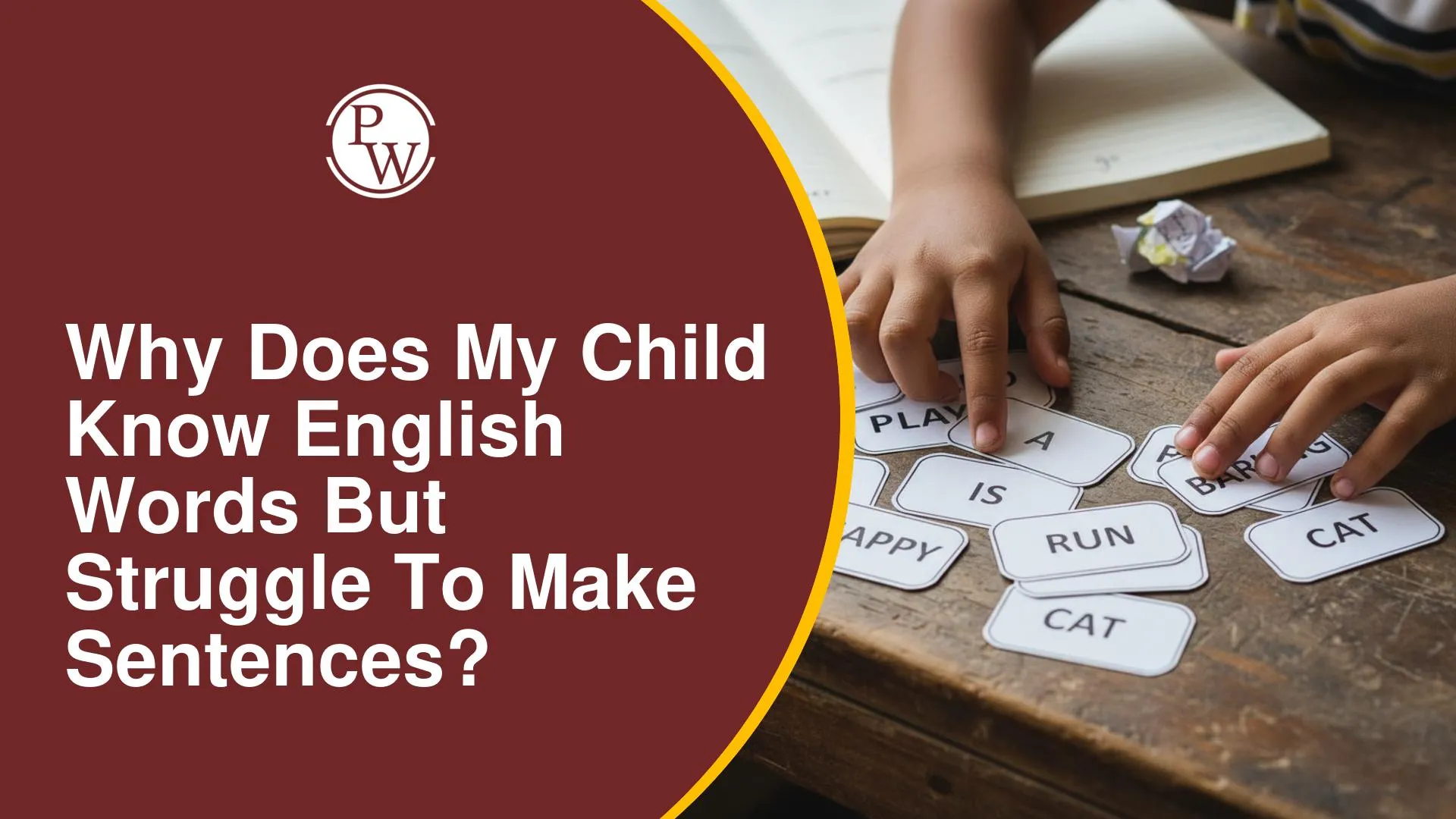
Turn learning into an adventure by creating a word scavenger hunt at home. Write down words on small cards and hide them around the house. Give your child clues or riddles related to the words' meanings.
Once they find a card, they must use the word in a sentence before moving on to the next clue. This hands-on approach keeps them active and engaged while reinforcing their memory of new vocabulary. The more interactive, the better the retention!
4. Subtitles While Watching TV
Instead of passive screen time, make it a vocabulary-boosting session. Turn on subtitles while watching cartoons, movies, or educational programs so kids see the words as they hear them. This visual connection helps them understand spelling, pronunciation, and sentence structure.
Encourage them to read along with the subtitles and ask about words they don’t recognize. This works particularly well for language learners as it exposes them to diverse words in real-world usage.
5. Storytelling with a Twist
Encourage storytelling by adding a creative challenge. Give your child three to five words and ask them to build a story using them. For instance, if the words are "enchanted," "mystery," and "lantern," they must weave these into a fun narrative.
This technique stimulates imagination and teaches them to integrate new words into conversations. If they struggle, guide them by asking leading questions to develop their story further. You can also do this as a bedtime activity.
7 Daily Habits to Improve English Fluency
6. The Power of Descriptive Language
Enhancing a child’s vocabulary involves more than just learning new words, it’s also about enriching the words they already know. Instead of saying, “Look at the bird,” try, “Look at the tiny, bright yellow bird hopping on the branch.”
Adding descriptive words like colors, textures, and emotions helps children expand their vocabulary naturally. Encourage them to do the same when they speak by asking questions like, “Can you describe how your sandwich tastes?”
7. The Vocabulary Jar Game
Create a vocabulary jar where each family member contributes a new word daily. Write the words on small slips of paper and put them in the jar.
At the end of the week, take turns picking words and making sentences or even acting them out like a game of charades.
This activity turns learning into a group effort, making it more exciting and encouraging everyone in the family to participate in vocabulary building together.
8. Labeling Common Objects
A simple yet effective way to teach words is to label household items. Use sticky notes to name objects like doors, windows, lamps, shelves, and appliances. Once your child gets familiar with the labels, challenge them to describe these objects in more detail.
Ask them, “What does the refrigerator feel like?” or “How would you describe this chair to someone who has never seen it?” This strengthens their descriptive skills while reinforcing word associations.
The Power of Storytelling in Learning English
9. Sing and Rhyme Your Way to Learning
Songs and rhymes make vocabulary building effortless because they are repetitive, rhythmic, and engaging. Singing nursery rhymes, learning silly word songs, or even creating your own rhymes with new words helps children remember vocabulary with ease.
Try turning everyday routines into musical moments. Sing a song while setting the table or rhyme about brushing your teeth. The playful nature of music makes words easier to recall and use naturally in conversation.
10. A Junior Dictionary as a Daily Companion
Give your child a kid-friendly dictionary with pictures and simple definitions. Encourage them to look up words when they don’t understand something instead of always asking for the meaning.
Make it fun by setting a goal. Ask them to find and learn one new word per day. If they enjoy drawing, let them illustrate the meaning of the word. This builds self-reliance in learning and fosters curiosity about language.
11. Interactive Word Puzzles and Games
Word games like Scrabble, Boggle, Pictionary, and crossword puzzles turn vocabulary learning into an enjoyable challenge. These games improve spelling, word recall, and creative thinking.
You can also play simple games like “I Spy” with a vocabulary twist—“I spy something that starts with ‘S’ and is slippery.” The guessing element makes it exciting, and kids learn new words while playing.
12. Daily Writing Prompts
Encourage your child to keep a word journal or write short entries about their day. Give them writing prompts like, “Describe your dream adventure” or “Write about an animal you’d love to have as a pet.”
Challenge them to include at least one new word they’ve learned. This method strengthens word retention and helps them apply new vocabulary in a personal and meaningful way.
13. Encourage Wordplay with Synonyms and Antonyms
Introduce your child to synonyms and antonyms in an engaging way. Instead of just learning the word "happy," explore "joyful," "cheerful," and "delighted."
Likewise, for opposites, teach them that "big" can also mean "huge" or "gigantic," while its opposite could be "tiny" or "minuscule." Turning this into a fun guessing game boosts word variety and depth in their vocabulary.
14. Be Supportive and Celebrate Progress 🎉
Every child learns at their own pace, and vocabulary growth takes time. Encourage their efforts by praising their progress, even if it’s just using one new word correctly in a sentence.
When they ask about unfamiliar words, show enthusiasm and make it a learning moment. If they struggle with a word, remind them that making mistakes is part of the process. A supportive environment builds confidence and keeps learning enjoyable.
Enhance Your Child’s Vocabulary with the Curious Junior by PhysicsWallah
Building a strong vocabulary is a crucial part of a child’s language development, and integrating engaging learning techniques can make the process enjoyable and effective.
While the strategies mentioned above help parents boost their child’s word bank through interactive activities, structured learning plays an equally vital role.
At Curious Junior, we take vocabulary learning to the next level with our Cambridge English Course, designed to help kids speak fluently and confidently.
Why Choose the Curious Junior?
-
Start from where your child is – Whether your child is a beginner or already familiar with English, our course helps assess their strengths and build upon them.
-
Fast progress with engaging lessons – Our structured curriculum ensures that students advance quickly and improve with every class
-
Master public speaking – We focus not just on vocabulary but also on clear pronunciation, accurate sentence structure, and personality development to help children speak with confidence.
-
Practical exposure to new words – Each lecture covers 2000+ new words, making vocabulary expansion a natural and seamless process.
Learning new words shouldn’t feel like memorization, it should be an exciting journey of discovery. With Curious Junior's interactive lessons, children can practice more, speak fluently, and develop a love for the English language.
So, waiting for what? Book your free demo class today.