Best Ways to Teach English & Maths When You’re a Working Parent
 Jasdeep Singh25 Apr, 2025

Being a working parent is a constant juggling act. Between managing work responsibilities, household chores, and personal commitments, finding time to support your child's learning can feel overwhelming.
The challenge becomes even greater with subjects like English and Maths, where regular practice and guidance play a key role in a child’s academic development.
How to Manage Time Effectively While Studying
While online classes and home tuitions provide excellent support, your involvement adds a personal touch that makes learning more effective and engaging.
The good news is that even with a busy schedule, there are simple and practical ways to integrate learning into daily routines without adding extra stress.
In this blog, we will explore creative strategies to help working parents make English and Maths fun, interactive, and easy to manage, ensuring their child’s success while maintaining a balanced routine.
How to Motivate Kids to Learn Without Pressure
Practical Tips for Working Parents to Teach English & Maths
Below are some effective and time-saving strategies to help working parents support their child’s learning in English and Maths while managing their daily responsibilities.
1. Set Up a Dedicated Study Space
A dedicated and well-organized study space is essential for creating an effective learning environment. Choose a quiet and clutter-free area with necessary supplies like books, stationery, and a computer or tablet for online resources.
A well-lit and comfortable seating arrangement enhances focus and minimizes distractions. Personalizing the space with educational posters or motivational quotes can also inspire learning
2. Establish a Consistent Routine
Children thrive on consistency, so setting a fixed schedule for learning helps develop discipline and responsibility. Create a structured daily or weekly study plan that includes specific time slots for English and Maths.
Breaking learning into short, focused sessions ensures better retention and engagement. Regular breaks are equally important to prevent fatigue. A predictable routine reinforces learning habits and makes it easier for parents to manage their time effectively.
3. Play Learning Games
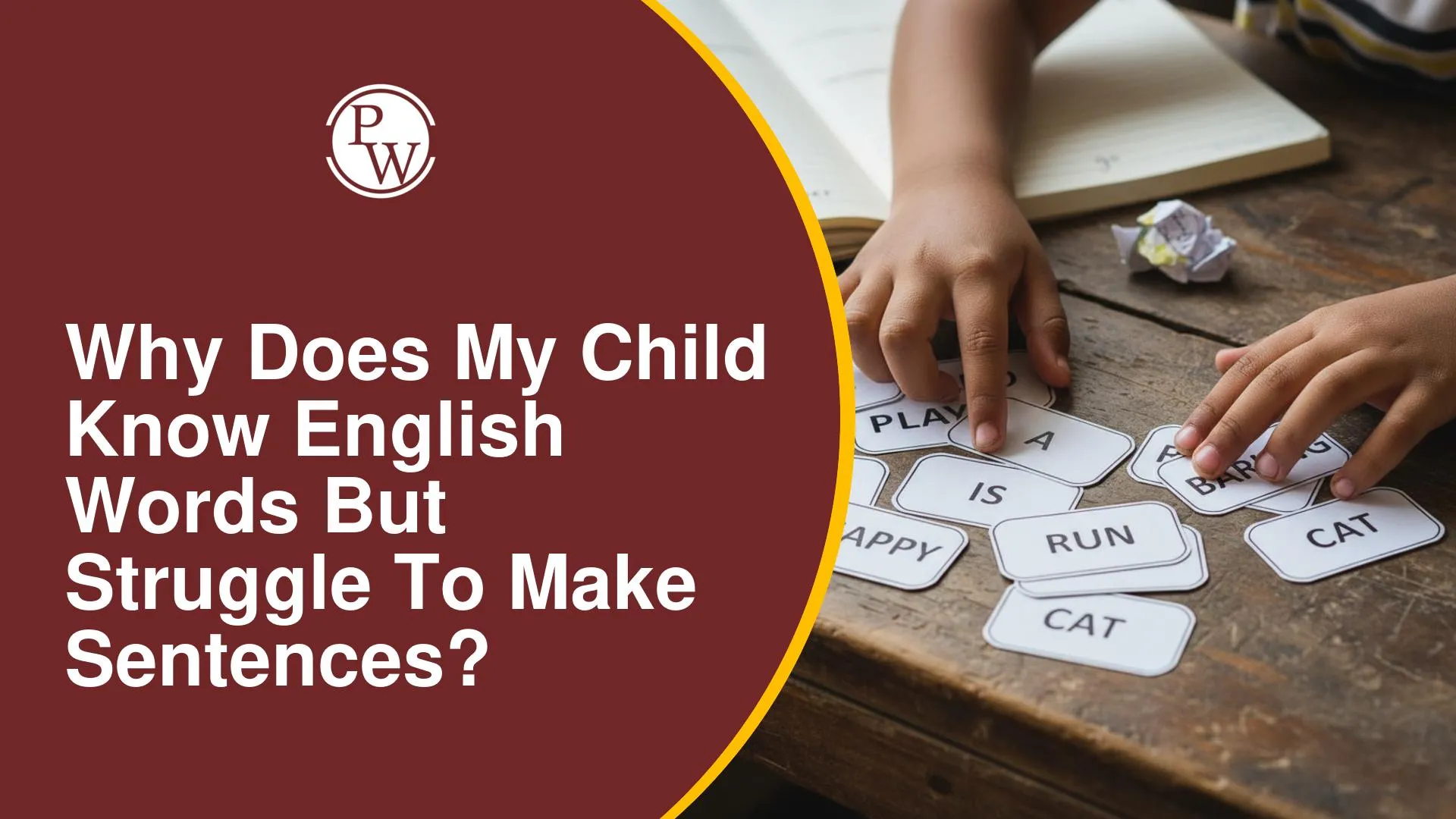
Learning through play is an effective way to reinforce English and Maths skills. Engage your child in board games, flashcards, and puzzles that promote critical thinking and problem-solving.
Games like Scrabble enhance vocabulary, while Sudoku and math card games strengthen numerical abilities. Playing educational games together encourages family bonding while making learning feel like an enjoyable activity rather than a chore.
How to Build Confidence While Speaking English
4. Encourage Reading and Storytelling
Reading is crucial for language development, so encourage your child to read daily. Provide books suited to their reading level and interests to keep them engaged. Discuss stories together to improve comprehension and analytical thinking.
Storytelling activities, where children create and narrate their own tales, boost creativity and verbal communication. Audiobooks and podcasts are also great alternatives for busy parents, as they expose children to rich vocabulary and storytelling techniques even during commutes or downtime.
6. Use Everyday Math
Incorporate Maths into daily life by turning routine activities into learning experiences. While shopping, ask your child to calculate totals or compare prices. Cooking offers opportunities to discuss measurements, fractions, and proportions.
Budgeting their pocket money can introduce concepts of saving and spending wisely. Applying math in real-world contexts helps children understand its practical value and strengthens their problem-solving abilities.
Quick and Easy Learning Hacks for Parents to Boost Kids' Vocabulary
7. Have Conversations in English and Discuss Mathematical Concepts
Language and numeracy skills improve through regular practice, so engage your child in daily conversations in English and incorporate mathematical discussions. Ask open-ended questions about their day, favorite books, or hobbies to encourage expressive language use.
Similarly, discuss numbers in everyday contexts, such as comparing prices, estimating travel time, or counting objects. Watching English movies with subtitles, singing songs, and discussing numerical patterns or equations also enhance vocabulary, comprehension, and problem-solving skills effortlessly..
8. Use Real-World Examples to Reinforce English and Maths
Make learning relatable by connecting English and Maths to real-world situations. Reading street signs, menus, and advertisements improves literacy skills, while budgeting for grocery shopping enhances numerical understanding.
Encourage children to write short descriptions of their daily activities in English while also asking them to solve simple financial calculations related to their daily routines.
These everyday encounters create practical learning moments that help children retain knowledge more effectively. The more they see the relevance of these subjects, the more engaged they will be.
Fun Math Activities for Kids to Develop Calculation Speed
9. Leverage Weekends for English and Maths Learning
If weekday schedules are too packed, use weekends for deeper learning activities in both subjects. Plan visits to museums, libraries, or educational events that enrich vocabulary and numerical understanding.
Engage in storytelling sessions, practice creative writing, or work on hands-on math projects such as measuring objects or solving puzzles.
Using weekends for structured yet relaxed learning helps reinforce concepts learned during the week without added stress, making the learning process more enjoyable and practical.
10. Break Learning into Short Sessions
Children have limited attention spans, so breaking lessons into short, manageable chunks enhances retention. Instead of a long study session, opt for multiple 15-30 minute learning segments throughout the day.
This approach prevents fatigue and keeps learning engaging. Incorporating movement breaks and interactive exercises in between sessions can also improve focus and participation.
11. Involve Family Members
Learning doesn't have to be a solo activity. Older siblings, grandparents, or extended family members can contribute to a child’s education by assisting with reading, storytelling, or math exercises.
Group study sessions with friends create a collaborative learning environment and encourage peer-based problem-solving. When learning is shared, children feel more motivated and supported.s.
13. Hire a Tutor
If your child struggles with a particular subject, hiring a tutor can provide personalized guidance to help them grasp concepts more effectively.
Many tutors like Curious Junior offer virtual sessions, making it convenient for working parents to schedule lessons without disrupting their routines.
At Curious Junior, we make learning fun and effective with live, interactive audio-video classes in Math, Science, English, Social Studies, and Olympiads. Our Dual Teacher Mentorship model offers:
-
Primary Mentor for structured lessons during live sessions
-
Secondary Mentor for instant doubt resolution after class
With 1-on-1 mentorship, children receive individualized attention which helps them excel in their studies while gaining confidence. So, waiting for what? Book a free session today.