Why Pronunciation and Fluency Training Should Start Before Age 10
 Nikita Aggarwal20 Jun, 2026
Why Pronunciation and Fluency Training for Kids Under 10 is Important?
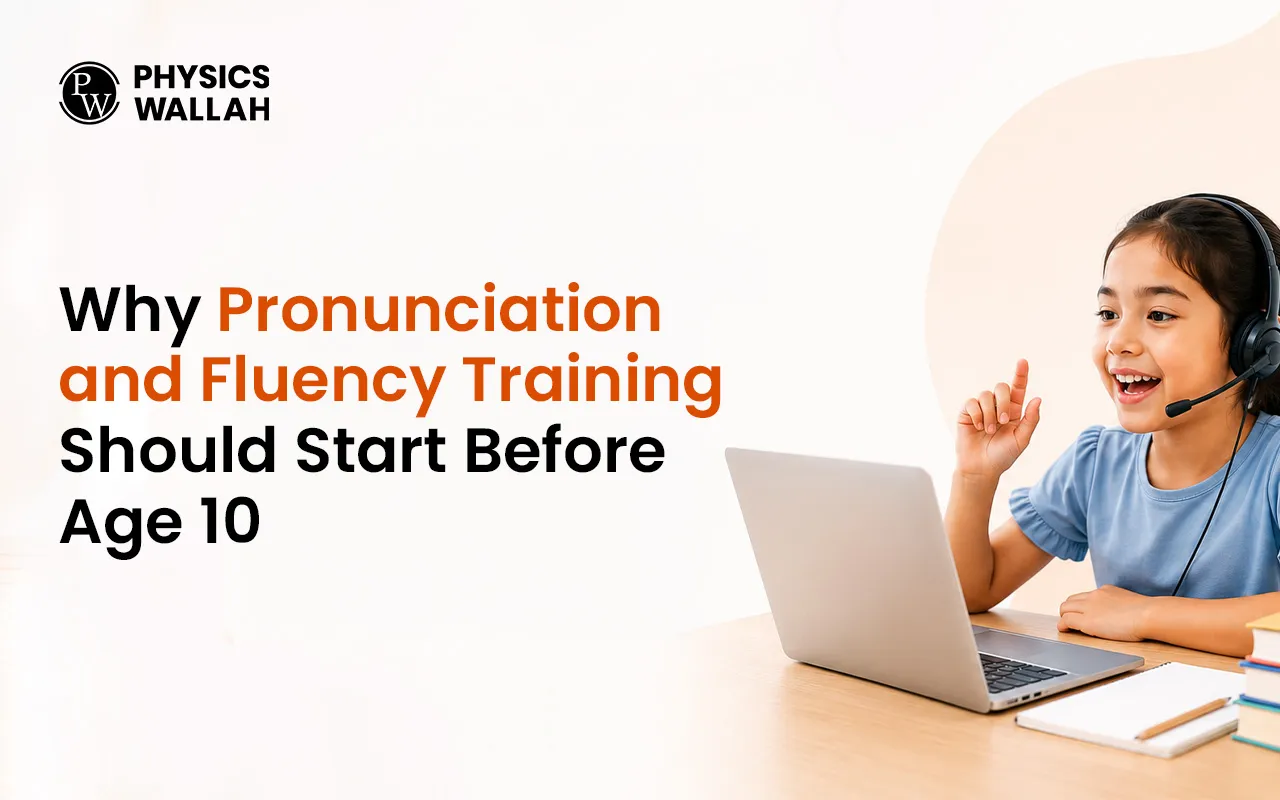
Young children learn languages differently from adults. Their brains are naturally ready to absorb new sounds, words, and speech patterns. Studies show that children who start learning spoken English before the age of 10 are much more likely to develop natural pronunciation. They learn by listening and copying, often without even realizing it. Because of this natural ability, pronunciation and kids' fluency training under 10 can have a lasting impact on communication skills.
How Young Brains Learn Language
During childhood, the brain is highly flexible. It can easily understand and store new language patterns.
Some key advantages include:
-
Better ability to copy speech sounds
-
Faster learning of pronunciation patterns
-
Easier understanding of different accents
-
Stronger memory for vocabulary and sentence structures
As children grow older, learning new speech patterns becomes harder. Early training makes the process much easier.
Better Speech Control
Children under 10 can adjust their tongue, lips, and mouth movements more easily when learning new sounds. This helps them pronounce words correctly and speak more clearly.
Strong Listening Skills
Young learners can hear small differences between sounds that older learners may miss. This helps them develop accurate pronunciation from the beginning.
Natural Language Growth
When children hear and use correct sounds regularly, they also learn grammar and vocabulary more naturally.
What Are the Benefits of Pronunciation and Fluency Training for Kids Under 10?
Good English pronunciation for children offers many benefits beyond speaking clearly. It supports learning, confidence, and communication in everyday life.
Better Reading Skills
Children who understand speech sounds often become stronger readers.
For example, when a child knows that the word "cat" contains three separate sounds, it becomes easier to read and spell similar words.
This skill helps children:
-
Read faster
-
Improve spelling
-
Understand new words
-
Build vocabulary more quickly
Better School Performance
Children with strong speaking skills are usually more active in the classroom.
They feel comfortable:
-
Answering questions
-
Reading aloud
-
Giving presentations
-
Joining group discussions
Clear speech helps teachers and classmates understand them better.
Improved Memory
Research shows that children who learn spoken English early often remember new words more effectively. This helps them perform better in language-based subjects.
Read More - How to Improve English Speaking Skills at Home
How Pronunciation and Fluency Training for Kids Under 10 Builds Confidence?
Speech plays a major role in how children feel about themselves.
When people struggle to understand a child, the child may feel embarrassed or shy. Over time, this can reduce their willingness to speak.
The Confidence Problem
Children with unclear pronunciation may:
-
Avoid speaking in class
-
Feel nervous during presentations
-
Repeat words often
-
Hesitate during conversations
This can affect both academic and social growth.
The Confidence Benefit
Strong English pronunciation for children helps them:
-
Express ideas clearly
-
Make friends more easily
-
Join conversations confidently
-
Speak comfortably in public
When children feel understood, they become more willing to participate and communicate.
Read More - 100+ Daily English Sentences for Kids and Beginners
What Does Pronunciation and Fluency Training for Kids Under 10 Include?
Effective kids' fluency training focuses on real communication instead of memorizing grammar rules.
Children learn by speaking, listening, and practicing everyday conversations.
1. Learning Speech Sounds
Before children can say sounds correctly, they must learn to hear them correctly.
Training often helps fix common speaking mistakes, such as:
-
Leaving off the last sound in a word
-
Mixing similar sounds
-
Saying words differently each time
Regular practice helps children develop consistent speech habits.
2. Learning Sentence Flow
Fluency is not only about pronunciation. It is also about speaking smoothly.
Children learn:
-
Natural sentence rhythm
-
Correct word stress
-
Proper speaking speed
-
Smooth transitions between words
These skills help conversations sound more natural.
3. Listening and Responding
Good communication requires both speaking and listening.
Kids' fluency training teaches children how to:
-
Listen carefully
-
Understand conversations
-
Respond quickly
-
Participate naturally in discussions
These skills are important for daily communication.
How Early to Start Pronunciation and Fluency Training for Kids Under 10?
Developing early English speaking skills gives children advantages both now and in the future.
English is used in education, business, and communication around the world. Learning it early helps children become more comfortable using the language in different situations.
Benefits of Early English Speaking Skills
|
Area |
Early Training |
Late Training |
|
Pronunciation |
More natural speech |
Stronger accent retention |
|
Confidence |
More willingness to speak |
More hesitation |
|
Vocabulary |
Faster learning |
Slower growth |
|
Communication |
Natural speaking habits |
More effort required |
Children who develop early English-speaking skills often find it easier to adapt to new learning opportunities later in life.
How Pronunciation and Fluency Training for Kids Under 10 Supports School Learning?
Learning spoken English below age 10 supports every major school curriculum, including CBSE, ICSE, IB, and Cambridge.
Many international language programs also focus heavily on speaking skills.
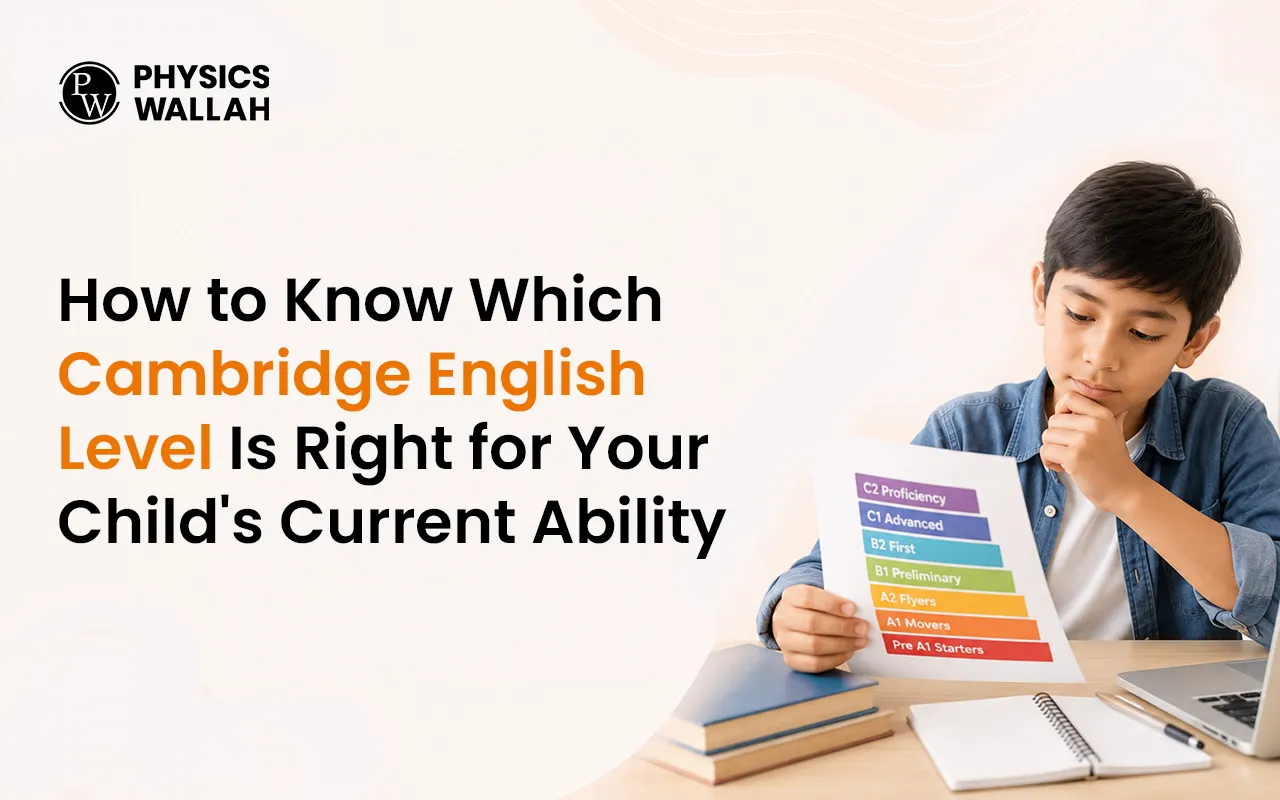
For example, Cambridge English Starters Movers assessments include speaking activities that measure a child's ability to communicate clearly and confidently.
Strong speaking skills help children succeed in these assessments and prepare them for future language learning.
Common Challenges in Pronunciation and Fluency Training for Kids Under 10
Teaching spoken English below age 10 can sometimes be challenging if children are not given enough speaking practice.
Too Much Memorization
Many learning programs focus mainly on grammar rules and written exercises.
While these skills are important, they do not automatically improve speaking ability.
Language is a skill that develops through practice.
Limited Speaking Opportunities
Some classrooms spend more time preparing students for written exams than for spoken communication.
As a result, children may know English but feel uncomfortable speaking it.
Constant Corrections
Correcting every mistake immediately can make children afraid of speaking.
Instead, parents should encourage communication first and gently guide pronunciation improvements over time.
How to Improve Pronunciation and Fluency Training for Kids Under 10 at Home?
Parents can support spoken English below age 10 through simple daily activities.
Play Rhyming Games
Rhyming games help children recognize sound patterns and improve pronunciation naturally.
Use Audiobooks
Listening to audiobooks allows children to hear correct pronunciation and sentence rhythm.
Encourage Daily Conversation
Regular English conversations help children practice new words and improve fluency.
Praise Progress
Celebrate effort and improvement instead of focusing only on mistakes.
This keeps children motivated and confident.
How to Choose an Online Pronunciation and Fluency Training for Kids Under 10?
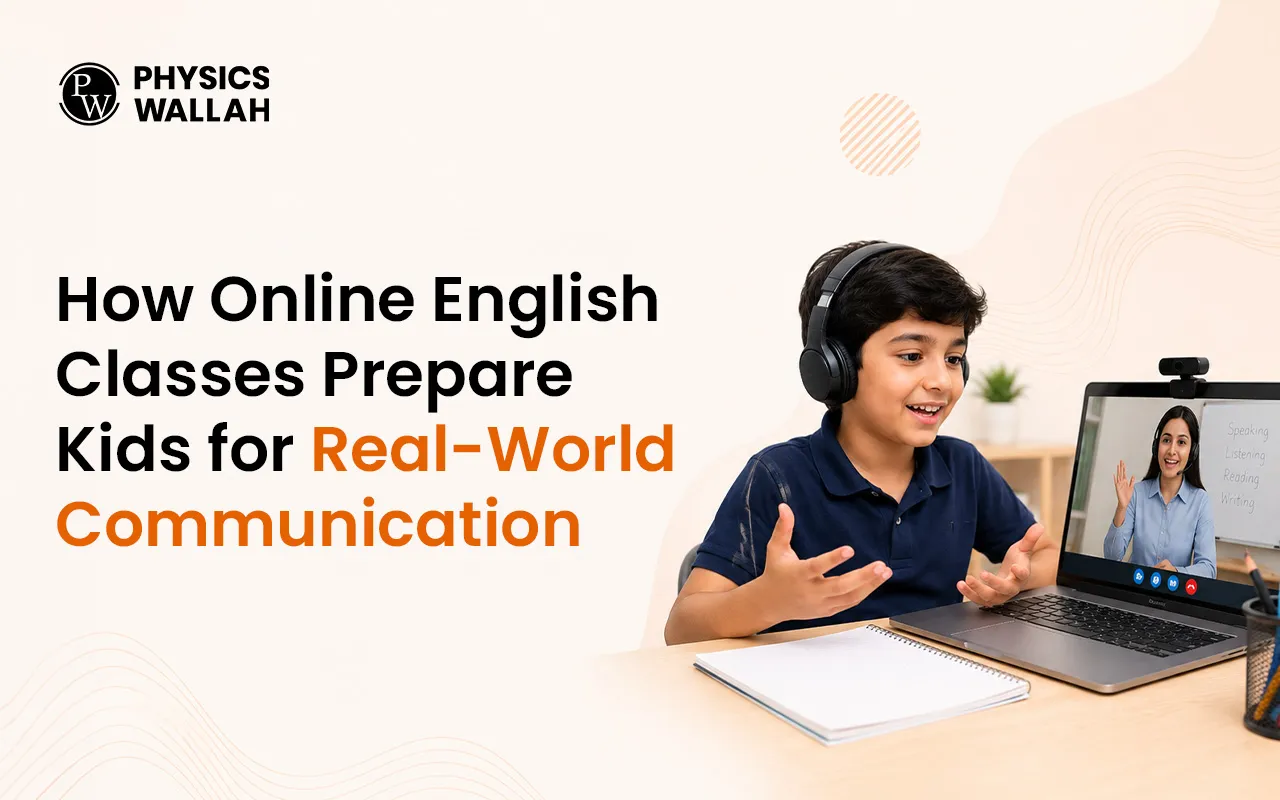
A good online English pronunciation class can provide structured support and regular speaking practice. However, parents should choose programs carefully.
Small Group Classes
Classes with fewer students give children more opportunities to speak and receive personal feedback.
Live Teaching
Live classes are usually better than recorded lessons because teachers can correct pronunciation immediately.
Fun Learning Activities
The best programs include:
-
Storytelling
-
Games
-
Role-playing
-
Interactive speaking tasks
These activities keep children interested and engaged.
How CuriousJr Supports Pronunciation and Fluency Training for Kids Under 10
CuriousJr kids English learning preliminary class offers a learning system designed specifically for pronunciation and kids' fluency training under 10. The platform focuses on helping children develop practical speaking skills through interactive lessons and real conversations.
Personalized Learning
Children are placed in suitable groups based on their age and current skill level. This ensures lessons match their learning needs.
Interactive Speaking Practice
Every session includes activities such as:
-
Pronunciation exercises
-
Storytelling challenges
-
Speaking games
-
Conversation practice
Cambridge English Starters Movers Preparation
The program also helps children build the confidence and speaking ability needed for milestones like Cambridge English Starters Movers assessments.
Progress Tracking
Parents receive regular updates showing improvements in pronunciation, fluency, and communication skills. This makes it easier to monitor learning progress over time.




Why Pronunciation and Fluency Training Should Start Before Age 10 FAQs
Why is pronunciation and fluency training for kids under 10 important?
Can an online English pronunciation class help shy children?
How does English pronunciation for young children improve reading?
How quickly can children improve spoken English below age 10?

Get Free Counselling Today
and Clear up all your Doubts
 Live & recorded classes available at easeDashboard for progress trackingLakhs of practice questions