
What to Expect in a Demo English Class for Kids Ages 6 to 14
 Nikita Aggarwal20 Jun, 2026
Why Choose a Demo English Class for Kids 6 to 14?
Taking advantage of an introductory session gives parents a transparent look inside the educational structure before making any financial commitment. It removes the guesswork from selecting an after-school program by showing exactly how live instructors interact with different age levels.
-
Risk-free assessment: Parents get to observe their child's natural response to online teaching methods without any financial obligations.
-
Skill alignment: The session serves as an informal benchmark to see if a student belongs in a foundational beginner tier or an advanced conversation level.
-
Technology test: Families can check if their home internet setup, computer, or tablet handles the interactive software smoothly.
-
Curriculum transparency: Instead of relying on bulleted marketing brochures, parents watch the lesson plans, stories, and grammar exercises come to life in real time.
What Happens During a Demo English Class for Kids 6 to 14?
A trial English class for children follows a highly structured, time-efficient schedule designed to keep young minds fully engaged. Most initial lessons run between 30 and 45 minutes, balancing assessment with active learning.
The Initial Welcome and Icebreaker
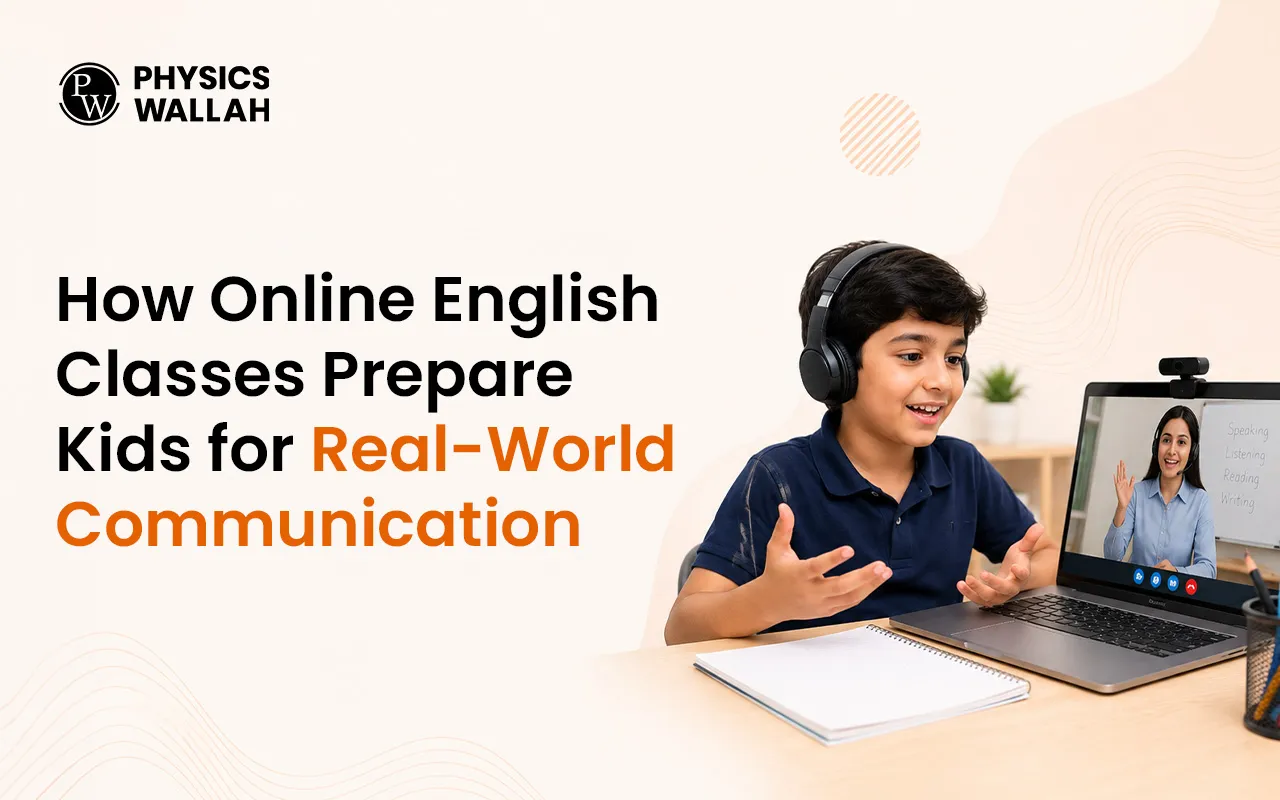
The session begins with a warm greeting from a friendly, qualified native-level or expert instructor. Teachers use simple visual cues, digital props, and clear gestures to lower the students’ anxiety.
For children aged 6 to 8, this might involve singing a brief melody or using colorful puppets. For older students up to age 14, the teacher might share a digital whiteboard map or ask a lighthearted introductory question about their hobbies to establish rapport immediately.
Core Interactive Lesson Delivery
Once the student feels comfortable, the teacher transitions into the main academic content. This segment uses multimedia slides instead of dry text. Learners interact directly with the screen by matching words to bright images, circling correct answers, or filling in sentence gaps. The focus is entirely on natural communication rather than boring memorisation.
|
Age Bracket |
Focus Area |
Sample Activity Type |
|
Ages 6 to 8 |
Vocabulary & Phonics |
Matching animal pictures to starting sounds, singing active vocabulary songs |
|
Ages 8 to 10 |
Sentence Structure |
Describing everyday routines, participating in paired role-play games |
|
Ages 10 to 12 |
Functional Fluency |
Writing short digital messages, expressing opinions on familiar subjects |
|
Ages 12 to 14 |
Advanced Discussion |
Debating simple topics, analyzing short reading passages for context clues |
Read More - How to Improve English Speaking Skills at Home
Benefits of Demo English Class for Kids 6 to 14
Attending a live English class demo delivers immediate insights that cannot be gained from recorded videos or mobile applications. It highlights how a structured learning environment shapes a child's communication style.
-
Immediate speaking practice: Unlike passive video channels, a live lesson forces children to speak full sentences, correcting pronunciation mistakes softly on the spot.
-
Boosted conversational confidence: When a child successfully answers a live teacher's question and receives a digital badge or praise, their anxiety drops instantly.
-
Exposure to real-world context: Lessons are rooted in practical situations like ordering food, greeting friends, or describing family members rather than abstract grammar drills.
-
Clear academic benchmarks: Parents walk away with an expert opinion on their child's reading comprehension, listening skills, and structural accuracy.
What Makes a Demo English Class for Kids 6 to 14 Effective?
An exceptional online English tuition demo stands out through its dual-teacher support structures and focus on student participation. A high-quality digital session must include specific pedagogical elements to be worth your time.
-
High student talk time: The teacher should speak roughly 30% of the time, leaving 70% of the session open for the child to practice reading, answering, and speaking.
-
Two-teacher model advantages: Top-tier platforms employ a primary educator to deliver the core lesson fluidly, alongside a secondary personal mentor who monitors student engagement and assists with instant queries.
-
Gamified rewards: Effective sessions integrate interactive point systems, virtual applause, and downloadable achievements to keep children excited about participating.
-
Practical home tasks: The lesson usually concludes with a brief, stress-free micro-assignment to show parents how home study and concept reinforcement work.
Read More - 100+ Daily English Sentences for Kids and Beginners
Why is the Cambridge Demo English Class for Kids 6 to 14 the best?
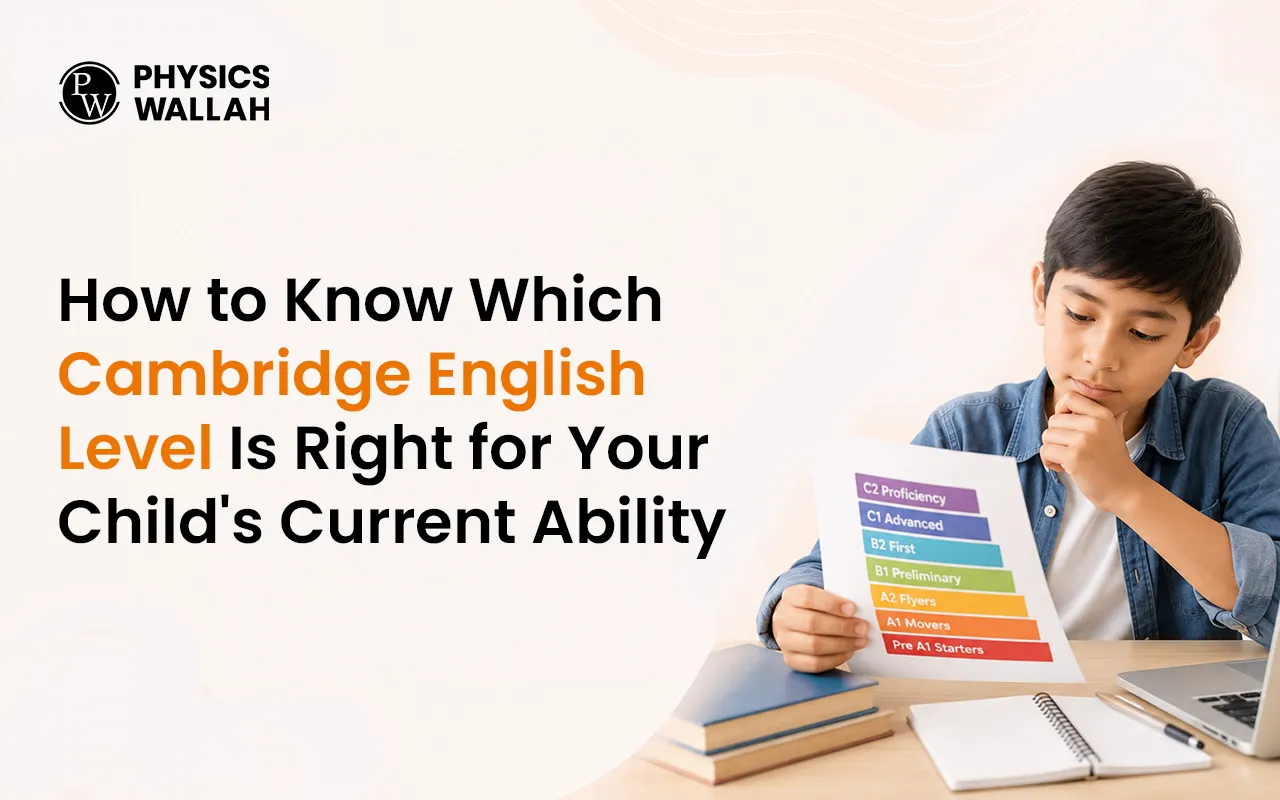
When parents experience a premium Cambridge English class demo, they observe a curriculum meticulously mapped out against global benchmarks. These sessions align precisely with the Common European Framework of Reference for Languages (CEFR).
Pre A1 Starters Focus (Ages 6 to 8)
This introductory level builds the absolute basics of language acquisition. The trial session demonstrates how young children can recognize letters, listen to simple classroom instructions, and repeat high-frequency vocabulary words. The teacher utilizes bright visual aids to connect sounds with real-world objects seamlessly.
A1 Movers and A2 Key Objectives (Ages 8 to 12)
For middle-grade students, the focus transitions from isolated words to complete sentences. A trial at this level shows how children learn to describe familiar people, tell simple oral stories, and write brief paragraphs. Students practice managing real-life communication scenarios like writing structured emails or using past, present, and future tenses accurately.
B1 Preliminary Mastery (Ages 12 to 14)
The highest tier targeted in these programs develops absolute fluency and analytical thinking. A demo session for teenagers highlights structured debates, advanced vocabulary enrichment, active-passive voice transitions, and comprehension of detailed reading texts to prepare them for global academic success.
How to Book a Demo English Class for Kids 6 to 14?
Securing a slot for a trial lesson is a straightforward digital process designed to fit busy parental schedules. Following a clear sequence ensures your child gets the most out of their initial session.
1. Visit the official platform: Takes 2 minutes.
Navigate to the registration portal and select the specialized language track appropriate for your child's general age bracket.
2. Fill in learner details: Requires basic info.
Input your child's age, current schooling grade, and any specific areas of struggle, such as public speaking anxiety or weak reading comprehension.
3. Select an ideal time slot: Flexible calendar options.
Choose a date and time when your child is fully rested and alert. Avoid scheduling immediately after an exhausting school day.
4. Set up your workspace: Perform 10 minutes before class.
Find a quiet, well-lit room. Test your web camera, ensure your microphone functions clearly, and close background computer applications to maintain an optimal internet speed.
How CuriousJr Helps with a Demo English Class for Kids 6 to 14?
CuriousJr online kids English learning classes completely transform how young learners experience a demo English class for kids 6 to 14 by blending gamified learning with rigorous Cambridge standards. Their specialized platform ensures that a child's first step into online education is stress-free, deeply engaging, and highly productive.
-
Four-level progressive learning: CuriousJr sections lessons into Pre A1 Starters, A1 Movers, A2 Key, and B1 Preliminary paths, making sure your child enters a class perfectly suited to their intellectual maturity.
-
The revolutionary two-teacher model: During the live session, one dedicated expert teacher focuses entirely on delivering the high-quality lesson, while a second mentor handles real-time engagement and ensures no child is left behind.
-
Play-based interactive tools: Their classes utilize vibrant animations, live digital projects, and interactive quizzes that turn abstract grammar rules into exciting challenges.
-
Comprehensive skills mapping: The platform covers reading, writing, listening, and public speaking simultaneously, ensuring all-around language development rather than just memorising vocabulary definitions.
-
Detailed diagnostic tracking: Immediately following the trial class, parents receive an in-depth progress report detailing their child's specific strengths, vocal confidence levels, and recommended steps for long-term growth.




What to Expect in a Demo English Class for Kids Ages 6 to 14 FAQs
What equipment do we need to attend a demo English class for kids 6 to 14?
Is a trial English class for children suitable for absolute beginners?
How long does a standard live English demo class last?
Can parents sit with their child during an online English tuition demo?


Get Free Counselling Today
and Clear up all your Doubts
 Live & recorded classes available at easeDashboard for progress trackingLakhs of practice questions

