
Why Do Children Translate Hindi to English Before Speaking?

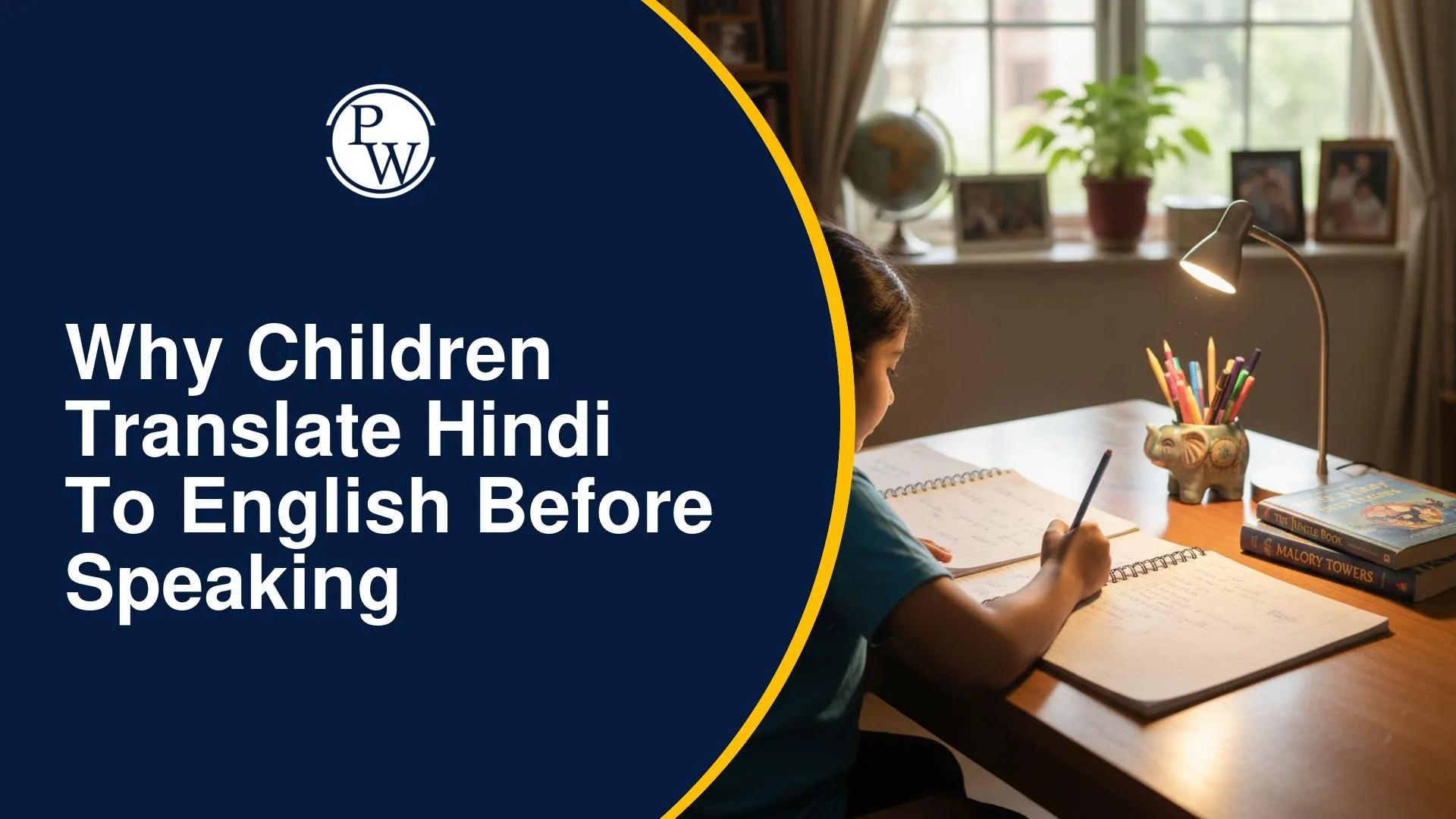
Many parents notice their child pausing to think in Hindi before they speak in English. This is a common step in a child's English learning journey, not a problem, and it is one of the most common questions parents ask about English speaking for kids.
When a child learns to translate Hindi to English in their mind first, it usually means they understand the meaning of words but have not yet built the habit of thinking directly in English. This happens because most children are more comfortable using Hindi at home and get fewer chances to practise spoken English regularly. Over time, with the right practice, children move from translating Hindi to English to speaking English naturally, and this is exactly the kind of shift CuriousJr's English by Cambridge programme is designed to support through regular, proper practice.
What Makes Children Translate Hindi to English?
Children translate Hindi to English before speaking for a few simple and common reasons. Understanding these reasons can help parents support their child better.
-
More exposure to Hindi at home: Children usually speak Hindi with family, so English-speaking practice is limited outside the classroom.
-
Limited speaking opportunities: Many children learn English mainly through reading and writing in school, with fewer chances to actually speak.
-
Vocabulary gaps: When a child does not know an English word instantly, they translate Hindi to English in their head to find it.
-
Fear of making mistakes: Some children hesitate to speak English directly because they worry about grammar or pronunciation errors.
-
Lack of regular practice: English communication skills grow with consistent use, and irregular practice can slow this process down.
This pattern of Hindi-to-English translation is a normal part of building spoken English and can improve with proper practice.
How Can Children Build Confidence in Spoken English?
Confidence in spoken English does not come from grammar rules alone. Children need real opportunities to use English the way they would use their first language, through listening, speaking, reading and writing together.
This is where a well-rounded approach to English communication skills becomes important. Children benefit most when they:
-
Listen to English regularly through conversations, stories and classroom instructions.
-
Get chances to speak English out loud without fear of mistakes.
-
Read age-appropriate English content to build vocabulary.
-
Practise writing simple sentences to reinforce what they learn.
When these four areas work together, children slowly stop translating Hindi to English in their mind and start responding in English directly.
Read More - Daily 5 Sentence Practice for English Fluency (Level Key)
The LSWR Method: Listening, Speaking, Writing and Reading
Programmes based on the LSWR method focus on developing English through all four skills together, instead of treating English as a subject based only on written learning.
|
Skill |
What It Helps With |
|
Listening |
Understanding spoken English and following conversations |
|
Speaking |
Expressing ideas confidently and reducing the habit of translating |
|
Writing |
Building sentence structure and clear written expression |
|
Reading |
Strengthening vocabulary and comprehension |
Working on all four skills together gives children a complete English communication skills foundation, rather than focusing on just one area.
Read More - Everyday Basic English Conversation Topics for Kids (Level Key)
How CuriousJr's English by Cambridge Programme Helps Children Speak English
CuriousJr's English by Cambridge programme is built around the same LSWR approach, helping children aged 6 to 14 move from translating Hindi to English to speaking English confidently and directly.
-
Live interactive classes: Children get regular English speaking practice through live sessions rather than one-way lectures.
-
Small batch size with a 1:6 teacher-student ratio: Every child gets enough opportunities to speak and participate during class.
-
Cambridge-aligned learning materials: Proper, age-appropriate content supports listening, speaking, writing and reading together.
-
Interactive learning and quizzes: Games, quizzes and activities give children a fun way to practise English communication skills instead of only memorising rules.
-
Teacher support and backup classes: Children who miss a live class can catch up, and teachers remain available for doubts and guidance.
-
Hinglish and Pure English options: Families can choose the language format that suits their child's comfort level, making the transition to spoken English smoother.
-
Age-appropriate levels: From Pre A1 Starters (age 6–8) to B1 Preliminary (age 12–14), children learn at a level suited to their current English proficiency.
-
Cambridge certification: Children receive recognition after completing the programme, marking a clear milestone in their English-speaking journey.
By combining regular English speaking practice with proper listening, reading and writing activities, CuriousJr helps children build the habit of thinking and responding in English rather than translating Hindi to English every time they speak.
Simple Tips for Parents to Support English Speaking at Home
Parents play an important role in helping children move past Hindi-to-English translation. A few small habits at home can make a real difference.
-
Speak in simple English during everyday conversations at home.
-
Encourage your child to read short English stories regularly.
-
Let your child watch or listen to age-appropriate English content.
-
Praise attempts at spoken English, even with small mistakes.
-
Maintain a simple vocabulary list of new English words.
-
Give your child chances to describe their day in English.
Translating Hindi to English is a natural part of learning spoken English. With regular listening, speaking, reading and writing practice, children can gradually develop the confidence to think and communicate directly in English. With the right guidance and consistent practice, programmes like CuriousJr’s English by Cambridge can help make this transition easier and more enjoyable. Join CuriousJr English Learning Classes Now.
Why Do Children Translate Hindi to English Before Speaking? FAQs
Why do children translate Hindi to English before speaking?
Is it normal for kids to think in Hindi before speaking English?
How can spoken English for kids improve at home?
What is the LSWR method used in English by Cambridge?








Get Free Counselling Today
and Clear up all your Doubts
 Live & recorded classes available at easeDashboard for progress trackingLakhs of practice questions

