A1 Movers Speaking Practice: Questions Children Should Practise Answering
 Mishika Gupta16 Sept, 2026
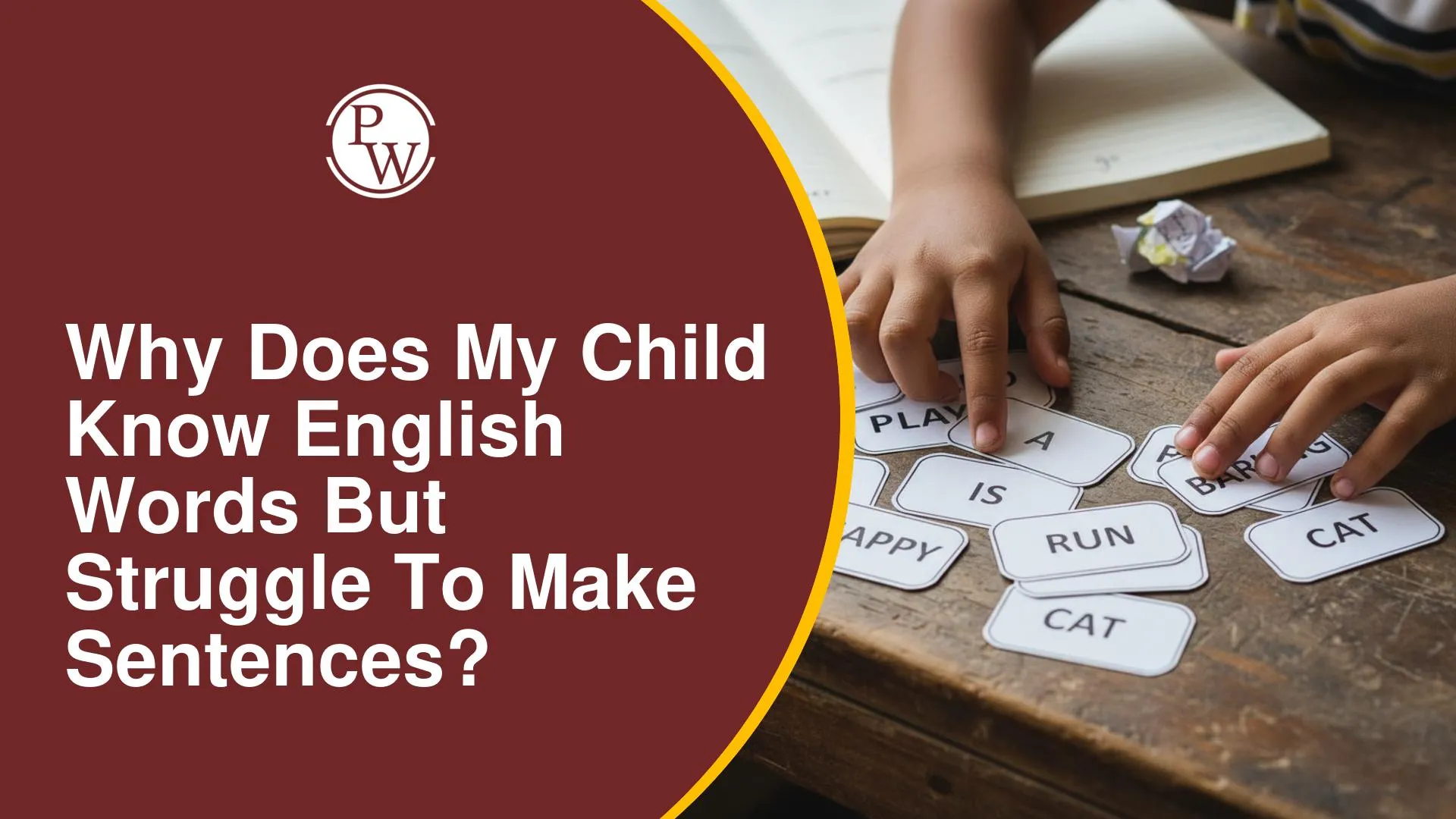
Many children know basic English words but may feel shy or unsure when they have to answer questions in English. At the A1 Movers level, children are expected to understand simple questions and respond clearly about familiar topics such as family, school, hobbies and daily activities. Short answers, hesitation and difficulty forming complete sentences can make speaking practice challenging.
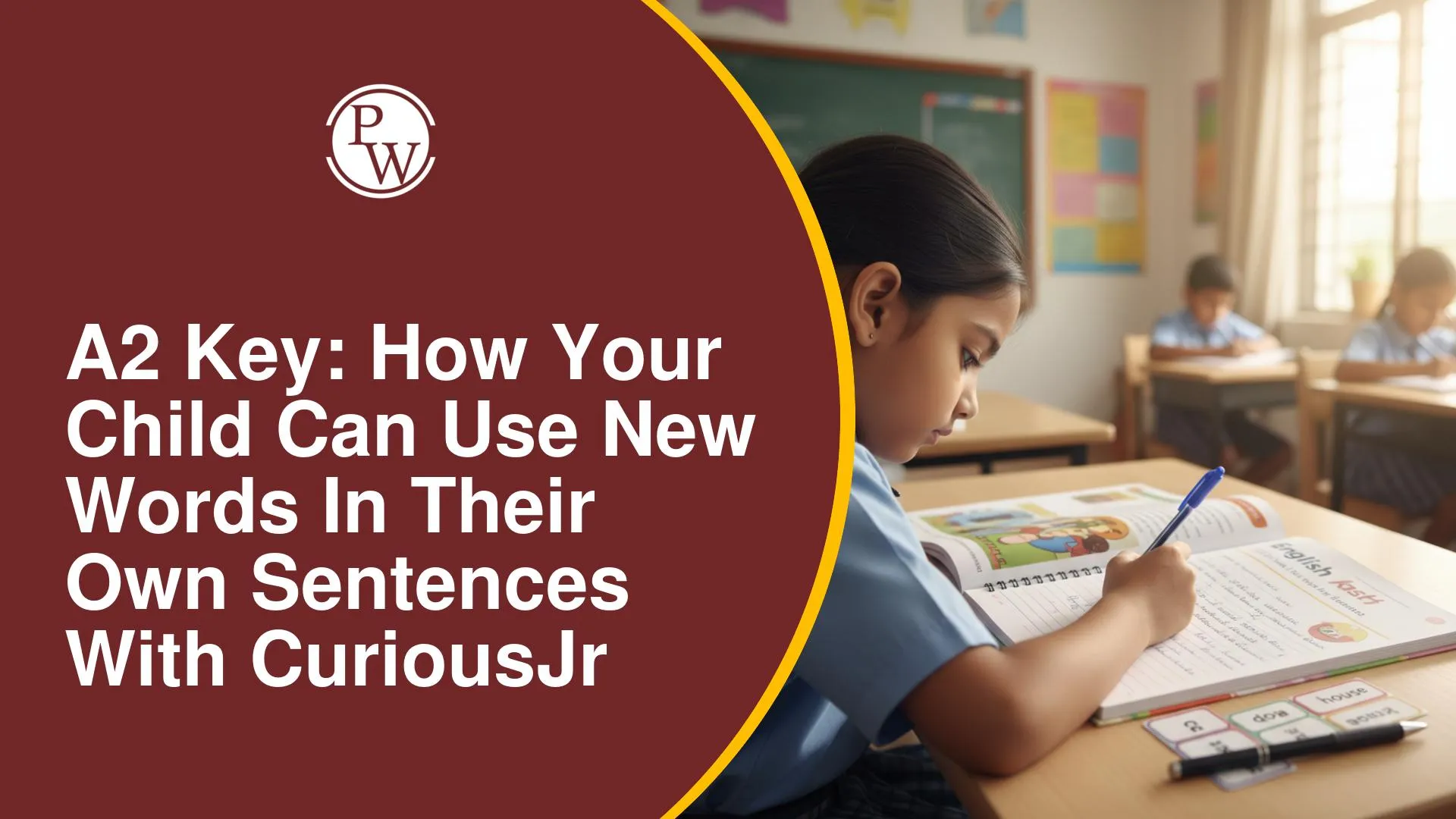
Regular A1 Movers English practice can help children become more comfortable with everyday conversations. Practising common questions, building complete answers and learning to add simple details can improve vocabulary, sentence formation and speaking confidence without making children memorise fixed responses.
Why Is Speaking Practice Important for A1 Movers?
The A1 Movers level helps children use English in familiar situations rather than only learning individual words or grammar rules. Regular speaking practice gives them opportunities to understand questions and respond naturally.
Here’s how Cambridge A1 Movers speaking practice can help:
1. Builds Speaking Confidence
Answering familiar questions repeatedly can help children feel more comfortable speaking English aloud.
2. Improves Sentence Formation
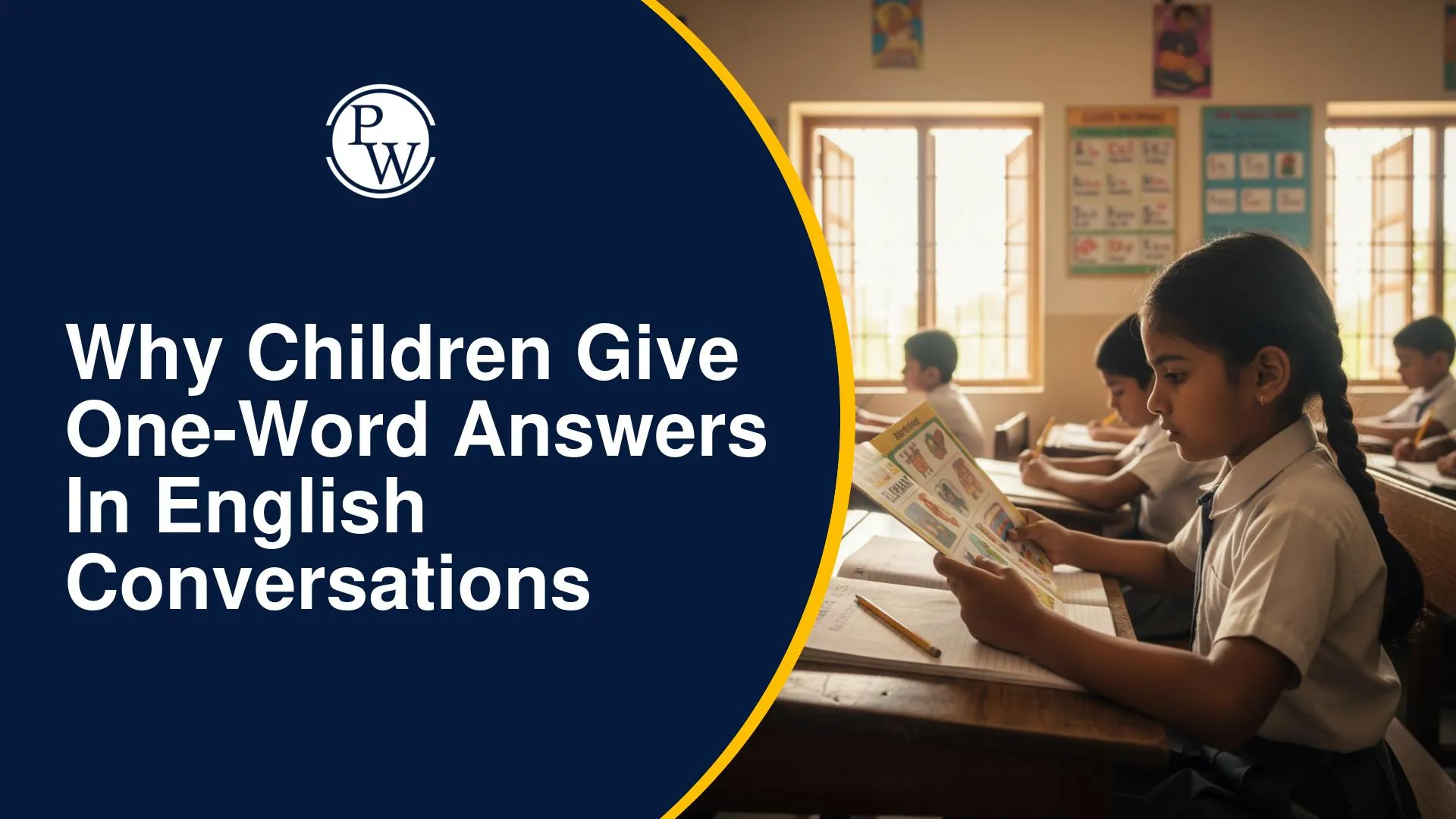
Children learn to move beyond one-word answers and form simple, meaningful sentences.
3. Expands Everyday Vocabulary
Questions about family, school, hobbies and routines introduce words children can use in real conversations.
4. Improves Listening and Understanding
Children need to understand what a question is asking before deciding how to answer it.
5. Prepares Children for the Next Level
Regular speaking practice can create a stronger foundation for more detailed conversations as their English develops.
What Questions Should Children Practise for A1 Movers Speaking?
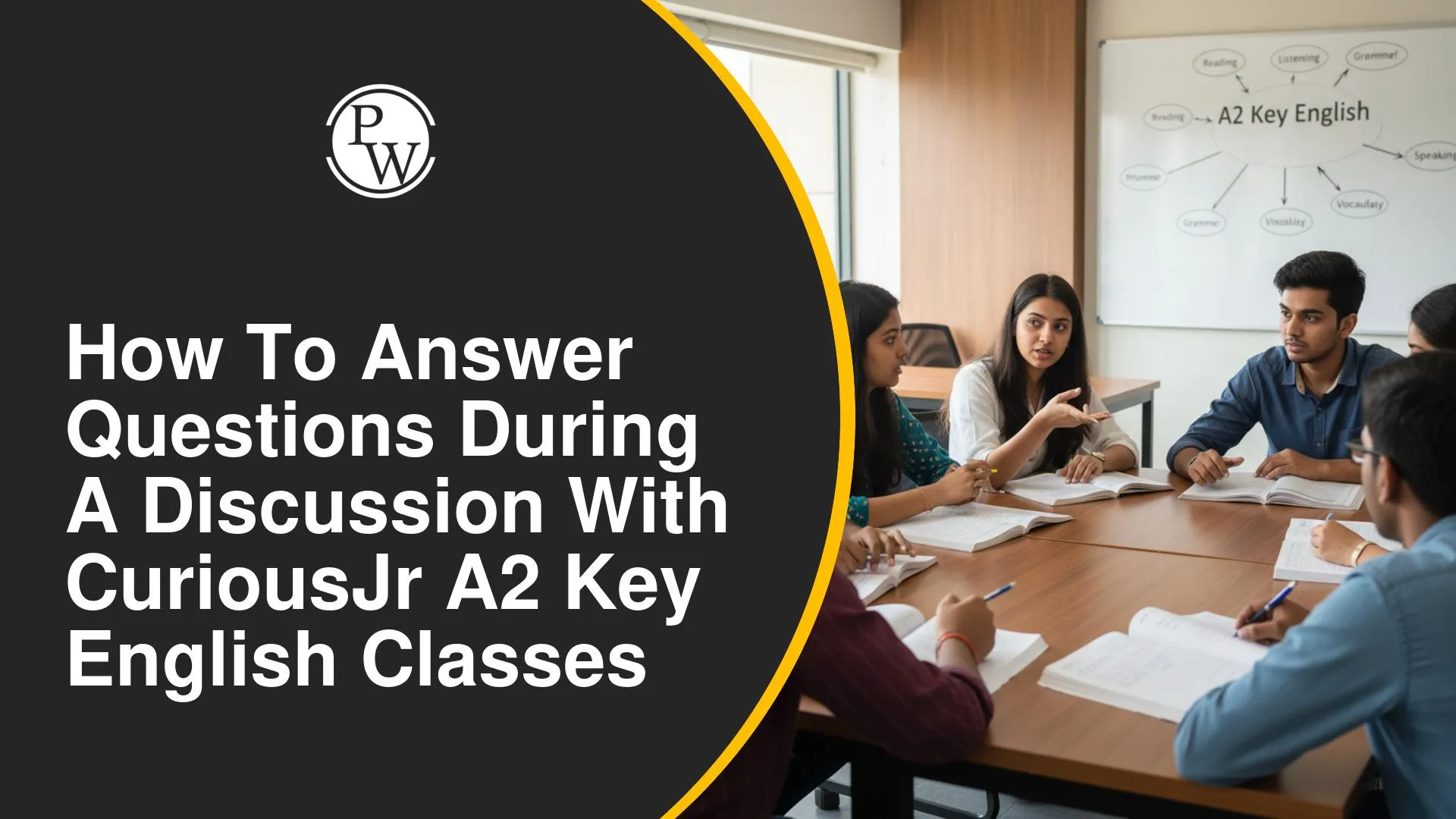
Children can practise questions based on topics they already know from everyday life. The aim is to understand the question and answer naturally rather than memorise a fixed response.
1. Family
-
Who do you live with?
-
How many people are in your family?
-
What does your mother or father like doing?
-
Who do you like playing with at home?
-
What do you do with your family at the weekend?
Practice tip: Encourage children to add one detail instead of giving only a name or short answer.
2. School
-
What is your favourite subject?
-
Who is your favourite teacher?
-
What do you do at school?
-
What do you like doing during break time?
-
How do you come to school?
Example: Instead of saying “Maths”, children can say “Maths is my favourite subject because I like solving problems.”
3. Hobbies and Free Time
-
What do you like doing after school?
-
What games do you play?
-
Do you like drawing?
-
What do you do at the weekend?
-
What is your favourite hobby?
Practice tip: Ask children to explain what they enjoy and why.
4. Friends
-
Who is your best friend?
-
What do you like doing together?
-
Where do you play?
-
What games do you enjoy playing with your friends?
-
What makes a good friend?
Children can practise describing a friend using simple words about personality, interests or activities.
5. Daily Routines
-
What time do you get up?
-
What do you do before school?
-
What do you do after school?
-
When do you have dinner?
-
What do you do before going to bed?
Practice tip: Encourage children to describe activities in the correct order using simple sentences.
Read More - How A1 Movers English Class Helps You Speak in Complete Sentences
6. Likes and Dislikes
-
What is your favourite food?
-
Do you like animals?
-
What games do you enjoy?
-
Which colour do you like?
-
Is there anything you don't like?
Children can make answers more meaningful by adding a reason.
Example:
“I like apples because they are sweet.”
7. Simple Experiences
-
Where did you go last weekend?
-
What did you do on your birthday?
-
Did you visit your grandparents?
-
What was your favourite holiday?
-
What did you do yesterday?
These questions help children practise talking about familiar past experiences using simple sentences.
How Can Children Give Better Answers?
Knowing the question is only the first step. Children should also learn how to turn a short response into a complete answer.
1. Start With a Complete Sentence
Instead of:
“Football.”
Try:
“I like playing football.”
2. Add a Reason
Children can use because to make an answer longer.
“I like drawing because it is fun.”
3. Add a Description
Simple describing words can make answers more interesting.
“My favourite animal is a small brown dog.”
4. Give an Example
Children can support an answer with a familiar example.
“I like reading. I read storybooks before I go to bed.”
5. Avoid Memorised Answers
Parents can ask the same question in different ways, so children learn to understand the meaning instead of remembering one prepared response.
Read More - Signs Your Child Is Ready for A1 Movers English Learning Class
How Can Parents Practise A1 Movers Speaking at Home?
Speaking practice does not need to feel like a formal test. Parents can include short English conversations in everyday activities.
-
Ask questions while preparing breakfast or getting ready for school.
-
Talk about what happened during the child's day.
-
Ask children to describe a favourite toy, book or activity.
-
Encourage them to explain why they like or dislike something.
-
Use picture books to create simple questions.
-
Ask follow-up questions such as “Why?”, “What happened next?” or “Who was with you?”
-
Give children time to think before correcting their answers.
-
Focus on communication rather than making every sentence perfect.
The goal is to help children become comfortable expressing their own ideas in simple English.
Why Is CuriousJr Helpful for A1 Movers English Practice?
CuriousJr's English by Cambridge programme uses an LSWR-based approach, covering Listening, Speaking, Reading and Writing to support children's overall English development.
1. Speaking-Focused Activities
Children get opportunities to practise answering questions and expressing their ideas in English.
2. Live Classes
Live sessions allow children to interact with teachers and use English during classroom activities.
3. Teacher Interaction
Teachers guide children while they practise vocabulary, sentences and spoken responses.
4. Regular Speaking Practice
Frequent opportunities to speak can help children become more comfortable using English aloud.
5. Feedback on Learning
Teacher feedback can help children identify areas where they need more practice and improve their language use.
6. Cambridge-Aligned Learning
Learning activities are designed around the Cambridge English learning approach to support children's progress at the A1 Movers level.
With CuriousJr English Learning classes, children can practise Listening, Speaking, Reading and Writing while developing greater confidence in everyday English communication.
A1 Movers Speaking practice can help children become more comfortable answering questions about familiar topics. Parents can support this progress by encouraging complete sentences, reasons, descriptions and examples instead of memorised responses. Regular conversation practice can strengthen vocabulary, listening, sentence formation and confidence for future English learning.
A1 Movers Speaking Practice: Questions Children Should Practise FAQs
What questions should children practise for Cambridge A1 Movers Speaking?
Should children memorise answers for A1 Movers Speaking?
How can parents improve English speaking practice at home?
How does CuriousJr support A1 Movers English learning?
Why should children add reasons to their A1 Movers answers?





Get Free Counselling Today
and Clear up all your Doubts
 Live & recorded classes available at easeDashboard for progress trackingLakhs of practice questions