Should Parents Monitor Their Child’s Online Classes? Pros and Cons
 Jasdeep Singh29 Apr, 2025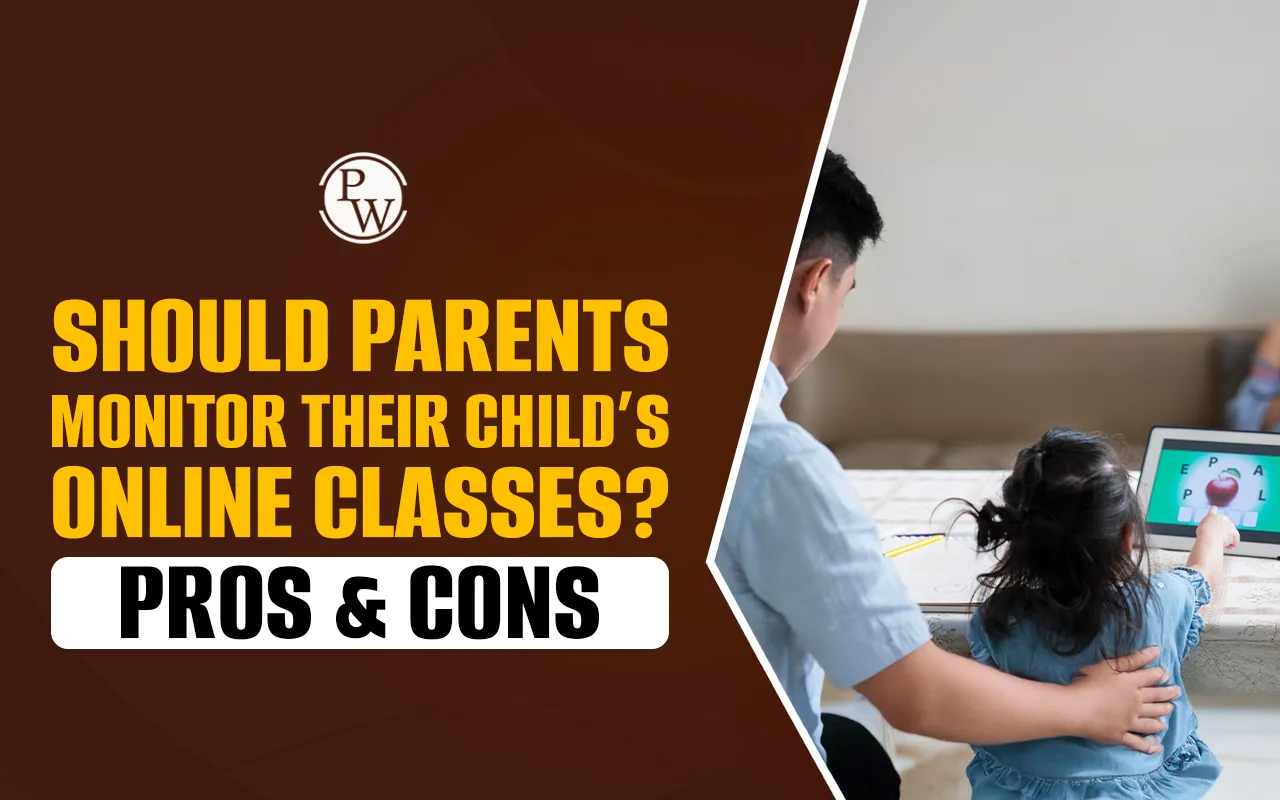
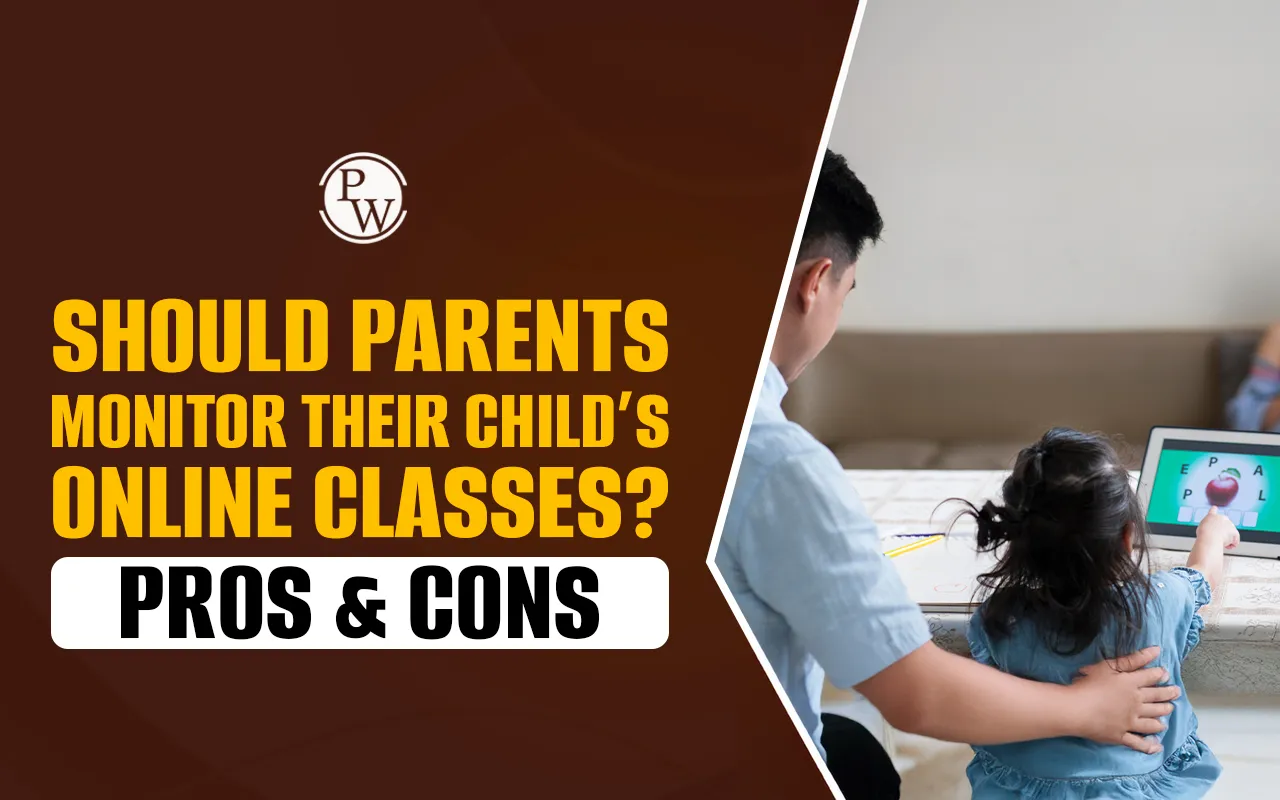
As online classes continue to play a major role in modern education, many parents are left wondering how involved they should be in their child’s virtual learning. The home has become both a classroom and a workplace, blurring the lines between guidance and overstepping.
Should parents keep a close eye on what's happening behind the screen, or give their children the space to learn independently?
The answer isn’t always simple. It depends on the child’s age, maturity, and the specific challenges of learning from home. This article explores the pros and cons of monitoring online learning and shares tips for parents on staying involved in a way that encourages both safety and growth.
Live vs. Recorded Classes: Which One Is Better for Your Child?
Why Parents Should Monitor Online Classes?
There are several reasons why a bit of supervision can make a big difference in a child’s learning experience. Here, we have discussed a few of them:
Online Risks Can Still Be Present
Online classrooms are designed to be safe learning spaces, but they are still part of the wider internet. Unexpected issues can happen. Sometimes, a student might click on a suspicious link, someone outside the class could manage to join a session, or students might exchange comments that are hurtful or inappropriate.
These situations can affect how a child feels about school and can even lead to stress or anxiety. When parents are aware of what their child is experiencing online, they are more likely to notice early signs of trouble. This allows them to step in calmly, offer support, and help resolve problems before they grow into something bigger.
Children aren’t always the best judges.
Children are often quick to learn how to use technology, but that doesn’t mean they always know how to respond to everything they might face in an online class. A child may not realise when a conversation becomes uncomfortable or when someone is being manipulative or unkind.
They may not know how to speak up or ask for help. When parents stay involved, even in small ways, it creates more chances for open conversations. These moments are important for teaching children how to recognise problems, respond thoughtfully, and make smart choices online.
Tips to Keep Your Child Focused in Online Classes Without Supervision
Distractions Are Part of the Online Experience
Staying focused during an online class can be difficult, even for adults. For children, the challenge is even greater. With games just a click away, videos waiting on another tab, and endless ways to scroll through content, it’s easy to lose track of what’s happening in class.
These distractions can quietly pull a child away from learning without them even realizing it. When parents stay engaged, even by simply checking in now and then, it sends a message that learning time matters.
This kind of quiet support can help children build stronger focus habits and stay more connected to their schoolwork, especially if they are younger or have difficulty paying attention for long periods.
Online Distractions: How to Keep Your Child Away from Social Media During Studies
Recognising Learning or Emotional Challenges
Monitoring can give parents valuable insight into how their child is coping with school, both academically and emotionally. When a child seems disconnected during class, it might not be because they are uninterested.
In many cases, it could be a sign that they are feeling overwhelmed, confused by the material, or quietly dealing with stress or anxiety. These struggles are often difficult for children to explain, especially when they are learning from home and may feel isolated.
By being present and paying attention to subtle changes in focus, mood, or behaviour, parents can better understand when their child may need extra support. This might mean helping them with their schedule, offering reassurance, or speaking with a teacher to explore ways to make learning more manageable.
Reasons to Be Cautious About Monitoring Too Closely
While there are good reasons for parents to stay engaged with their child's online education, it is equally important to recognize the potential downsides of too much involvement.
Trust Builds Stronger Connections
One of the most valuable foundations in any parent-child relationship is trust. When children know that their parents believe in their ability to make good decisions, they are more likely to be honest and open about what they experience.
On the other hand, if they feel like they are being watched too closely or constantly judged, they may start to push back. This can lead to secretive behaviour or a communication breakdown. Trust encourages children to share concerns and ask for help when needed, which ultimately keeps them safer than constant surveillance ever could.
Tips to Overcome Shyness in Online Classes
Constant Oversight Can Feel Like an Invasion of Privacy
As children grow, especially into their pre-teen and teen years, they begin to place greater importance on having their own space and developing a sense of independence. This shift is a natural part of growing up, and it often includes a desire for more privacy, particularly when it comes to schoolwork and online activities.
If parents try to monitor every part of their child’s virtual learning experience, it can begin to feel less like guidance and more like constant supervision. Even when a child is not doing anything wrong, the feeling of being watched all the time can create discomfort or anxiety.
Over time, this may lead to a breakdown in communication, as the child becomes more withdrawn or guarded. Supporting a child’s need for privacy helps build trust and encourages the development of autonomy, which are both essential as they move toward adulthood.
Effective Study Techniques for Online Students
Too Much Control Can Hinder Independence and Resilience
One of the core goals of education is to help children become independent thinkers who can manage their responsibilities, solve problems, and make thoughtful decisions. When parents are constantly present, correcting or directing every action, children lose the chance to make choices on their own.
They may begin to rely on someone else to manage their time, organize their learning, or fix their mistakes. Without opportunities to stumble and learn from those experiences, they may not build the resilience they need to succeed independently later in life. A supportive environment is valuable, but so is the freedom to grow through real-world learning.
Monitoring Can Increase Pressure and Stress
Some children may start to feel like they are performing under constant scrutiny if a parent is watching their every move during class. This heightened awareness can lead to stress, hesitation, and a fear of making mistakes.
Instead of focusing on learning, the child might concentrate more on avoiding judgment, which limits their willingness to participate or take creative risks.
In situations where a parent comments during live lessons or corrects the child mid-task, it may feel like being evaluated twice, once by the teacher and again by the parent. This pressure can damage the child’s confidence and create a negative association with learning itself.
Common Mistakes to Avoid in Online Learning
How to Stay Involved Without Overstepping?
The answer isn’t black and white. You don’t have to pick between total freedom and 24/7 surveillance. Here are some strategies that give you oversight without overstepping.
Set clear expectations
Setting clear expectations together can make a big difference in how your child responds to your involvement. Take time to sit down and discuss what online learning should look like and when your support is most helpful.
Talk about when it’s appropriate for you to step in, when they might need space to work independently, and what kind of help they would find useful.
When these boundaries are shaped through open conversation, children are more likely to feel respected and supported. Approaching it as a partnership, rather than a set of rules, helps build trust and makes your presence feel encouraging rather than controlling.
Choosing the Right Online Tutor: A Parent’s Guide
Use technology as a partner
Parental control tools are often misunderstood, but when used wisely, they can be supportive rather than intrusive. These tools are not about spying on children’s every move. Instead, many of them are designed to run quietly in the background, stepping in only when something needs attention.
Some apps can detect potentially harmful content, highlight concerning keywords, or help manage daily screen time in a balanced way. This approach allows parents to stay informed without constantly monitoring their child.
Be present without hovering.
If possible, work in the same room while your child attends class. You don’t have to watch their screen or hover nearby. Simply being present creates a quiet sense of accountability and lets them know you are available if they need help. For older children, a check-in at the end of the school day is often enough to stay connected without feeling intrusive.
Adjust based on age and maturity
Younger children usually need more direct involvement, and that’s perfectly normal. As your child gets older and becomes more responsible, begin to step back.
Share your reasons for the boundaries you have set and invite them to take more responsibility for their own learning. This gradual shift helps them develop confidence, independence, and good digital habits.
Screen Time and Online Learning: Finding the Right Balance
Final Thoughts
Should parents monitor their child’s online classes? Yes, when it’s done with care, respect, and a focus on building trust. The goal is to support your child’s learning journey without taking away their sense of independence.
If you are looking for an online option that keeps children actively involved, Curious Junior offers Interactive Live Classes for students from grades 1 to 10. These classes include animations, interactive activities, and learning badges to make lessons fun and effective.
With the two-teacher model, each child benefits from a dedicated teacher for classroom learning and a personal mentor who provides guidance and encouragement every step of the way. Book a free demo today.