Are Free Online Courses as Good as Paid Ones? What Parents Should Know?
 Jasdeep Singh2 Aug, 2025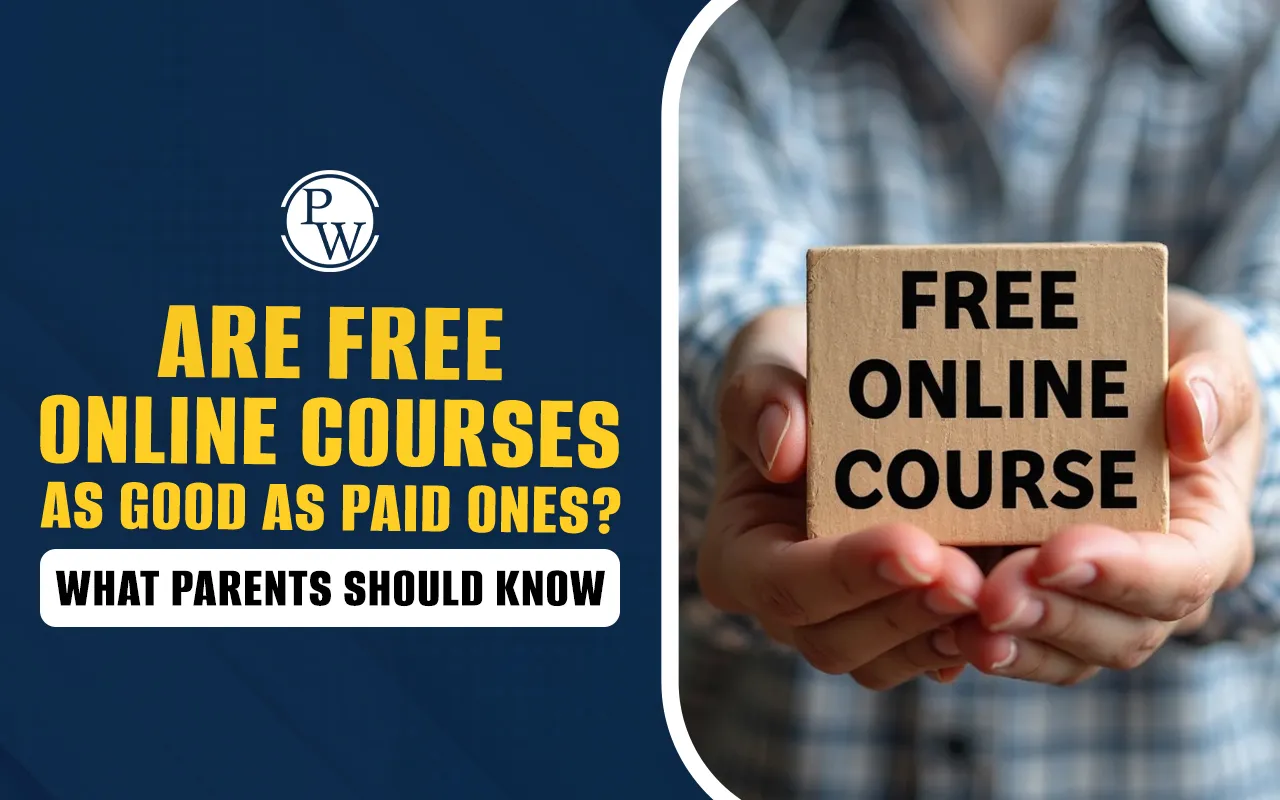
With the rise of online education, many parents are exploring learning options beyond the traditional classroom. From free courses offered by reputable institutions to structured paid programs with guided instruction, the variety of choices can feel overwhelming.
You might find yourself asking: Are free online courses as good as paid ones?
This blog takes a closer look at the key differences between the two, examining the benefits and limitations of each. It also offers practical guidance to help you decide which learning path is best suited to your child’s needs, goals, and learning style.
Read More: Live vs. Recorded Classes: Which One Is Better for Your Child?
What Are Free Online Courses?
Free online courses are open-access programs that allow anyone to study a wide range of topics without paying tuition fees. These courses are often:
-
Self-paced and adaptable to individual schedules
-
Available to learners anywhere, regardless of background
-
Focused on subjects like science, technology, business, art, and more
Students usually engage with course materials through video lectures, readings, quizzes, and online discussions. These programs are ideal for learners who are self-motivated and want to explore new subjects or build knowledge without the pressure of formal exams or financial commitment.
Although the core learning content is free, some platforms offer optional upgrades. These might include a certificate of completion, graded assignments, or extended access to course materials beyond the original time frame.
Read More: Tips to Choose the Right Online Course for Your Child’s Age and Interests
What Are Paid Online Courses?
Paid online courses are structured programs that require a fee and offer a more guided learning experience. These courses are often:
Designed with clear goals and set timelines
-
Led by instructors or supported by tutors
-
Focused on assessments and graded activities
-
Completed with a recognised certificate or qualification
-
Suited for students who benefit from structure and support
Learners typically follow a scheduled path with access to interactive materials, feedback, and sometimes live sessions. These courses are ideal for students seeking formal recognition or career-ready skills.
While they require a financial investment, many parents choose paid courses when their child needs extra support, accountability, or an official credential.
Read More: Trial Classes vs. Full Enrollment – How to Decide What’s Best for Your Child
Free vs Paid Online Courses: Which Is Better for Your Child?
Choosing between free and paid online courses depends on your child’s goals, learning style, and your family's priorities. Here are four key factors to help you decide what type of course will best support your child’s growth.
1. Exploring a New Interest
If your child is curious or still figuring out their interests, a no-cost course offers a low-risk way to explore. It encourages learning for its own sake and lets them try different subjects without financial pressure.
2. Earning a Certificate or Qualification
When your child is preparing for university, internships, or a job application, having an official certificate can make a difference. Structured programs that offer recognised credentials help build credibility and show commitment.
3. Matching Their Learning Style
Some students enjoy working independently, while others need structure to stay motivated. If your child learns best with support, feedback, or clear deadlines, they may benefit more from a course that offers scheduled guidance and interaction.
4. Considering Your Budget
Cost is an important consideration. Free courses can be excellent for general knowledge or skill-building. But when qualifications, personal support, or in-depth content are needed, a paid course may be a valuable long-term investment.
Read More: Is It Too Late to Enroll? Understanding the Best Time to Start Learning
What Parents Should Know Before Choosing Online Courses?
Once you and your child have decided to explore an online course, taking a thoughtful and structured approach can make the experience more rewarding and effective.
Below is a step-by-step guide designed specifically for parents to support their child in getting started confidently and staying committed.
Step 1: Define the Goal Clearly
Before choosing an online course, it’s important to understand what your child hopes to gain from it.
Are they looking to try something new just for fun? Do they need support in a school subject? Or are they hoping to gain a skill that could help them in the future?
Clarifying the purpose early helps filter out unnecessary choices and ensures the course aligns with your child’s needs. A course meant for hobby learning can be casual and flexible, while a course for academic improvement or career preparation should be more structured and focused.
You might ask:
-
Is this something you have always wanted to learn more about?
-
Do you want a certificate or just to understand the basics?
-
Will this help you with school or your future plans?”
Read More: The Role of Gamification in Online Education
Step 2: Research the Options Together
Once you have identified the goal, explore course options from well-known, reputable platforms. These may include educational institutions, online learning hubs, or skill-specific websites. Avoid rushing into the first course that appears promising.
Things to look for during your search:
-
A clearly written syllabus or course outline
-
Information about the instructor’s experience and background
-
Time commitment required (daily, weekly, total duration)
-
Course format (video, reading, projects, assessments)
-
Feedback or interaction opportunities
-
User reviews or ratings from past learners
Take time to compare a few courses side by side. Make sure your child feels involved in the selection, it increases their sense of ownership and motivation to follow through.
Step 3: Start with a Free Version if Available
If the platform offers a free tier or trial version of the course, take advantage of it. This gives your child the opportunity to experience the teaching style, content depth, and platform interface without committing financially right away.
Starting with a free version is especially useful when your child is still getting comfortable with online learning or exploring a new subject area.
It also helps you both assess whether the course is worth investing in, should it offers a paid upgrade for full access or certification.
During this stage, focus on:
-
Whether the material is engaging and age-appropriate
-
How well your child navigates the platform
-
The clarity and pace of the lessons
Step 4: Evaluate Fit After the First Week
After about a week of study, check in with your child to reflect on how things are going. Ask open-ended questions to understand their engagement, challenges, and what they’ve learned so far. This is the best time to assess whether the course meets expectations and whether to continue, upgrade, or switch paths.
Ask your child:
-
Do you find the lessons interesting or too difficult?
-
Are you learning something new each day?
-
Would you like more support or feedback from an instructor?”
If your child is excited and progressing well, consider investing in the paid version (if applicable) to access full features. If not, it’s perfectly okay to try a different course. This process helps them build self-awareness and learn how to choose learning opportunities that fit.
Step 5: Monitor Progress and Offer Encouragement
Once your child is engaged in the course, stay involved without micromanaging. Help them create a weekly study schedule or checklist to stay on track. Celebrate small wins, such as finishing a module, completing a quiz, or understanding a difficult concept.
You can support them by:
-
Setting regular times to review progress or completed work
-
Offering a quiet, distraction-free space for study
-
Reminding them of their goals if their motivation dips
-
Encouraging them to take notes and reflect on what they’ve learned
Completion is important not just for the certificate (if included) but also for building self-discipline and confidence. When your child successfully finishes an online course, it’s not just academic progress, it’s personal growth as well.
Read More: Coding for Kids: Should Your Child Start Learning at an Early Age?
Are Free Online Courses as Good as Paid Ones?
That depends entirely on the learner. Free online courses offer flexibility and open access to knowledge, making them ideal for exploration, self-paced study, or early interest in a subject.
Paid courses often provide greater depth, structured guidance, and recognised certification, which can be especially valuable when preparing for academic milestones or skill-based achievements.
For many families, the right path is not about choosing one over the other but about selecting what good fits a child’s needs, goals, and learning style. A course that supports progress, encourages curiosity, and builds confidence will always offer meaningful value, whether it is free or paid.
At CuriousJr, we help students and parents make informed choices by offering a one-week free trial of our live online classes. This allows learners to experience our teaching firsthand, interact with experienced instructors, and become familiar with our curriculum before enrolling.
Our programs are designed for students in grades 3 to 9, with a focus on mathematics, science, and Olympiad preparation.
What sets our learning environment apart is our two-teacher model, where each student benefits from both a dedicated subject expert and a personal mentor. This approach ensures strong academic instruction along with individual guidance to keep students focused, motivated, and supported at every step.
Combined with daily performance tracking that keeps parents informed, we offer a complete learning experience designed to help every child thrive. Book a demo online tuition class.