EMI or One-Time Payment: Which Is the Best Way to Pay for Online Classes?
 Jasdeep Singh6 May, 2025
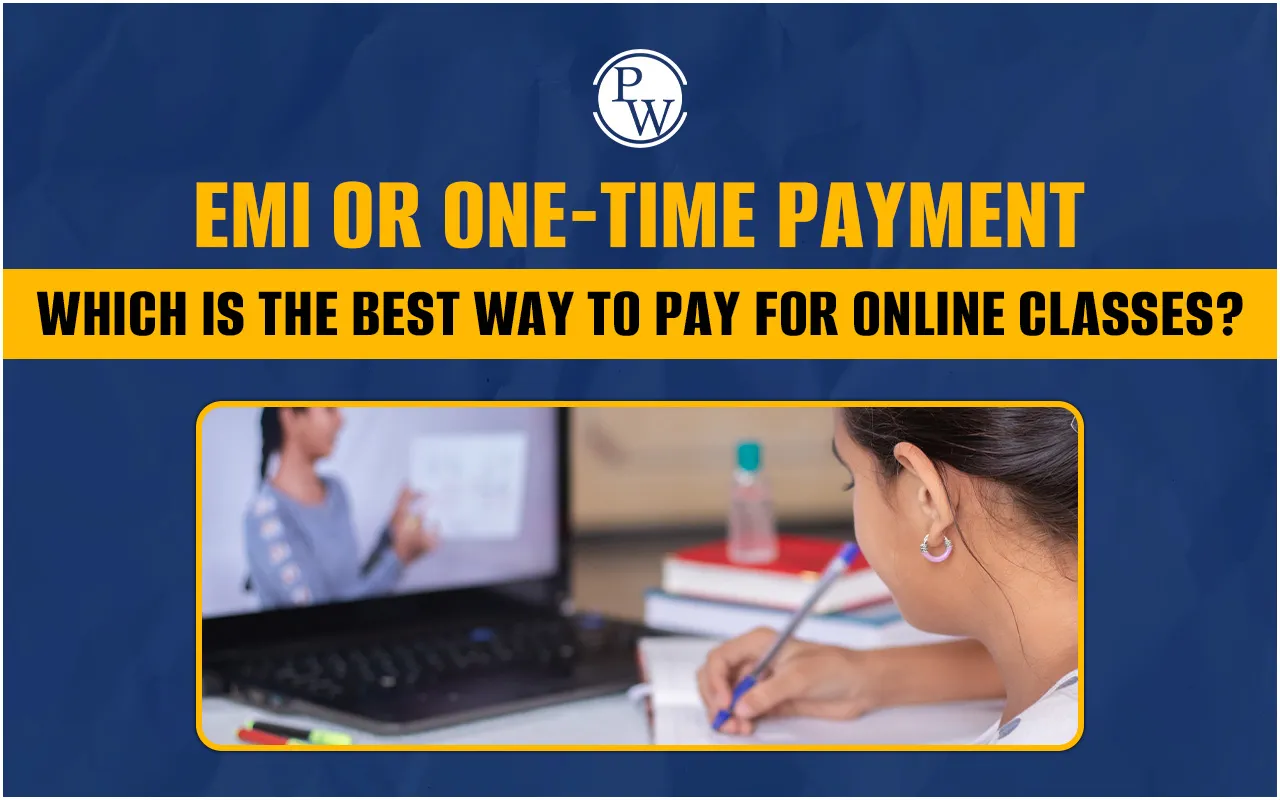
Paying for your child’s online classes is more than just a transaction. It is a step toward shaping their future and giving them the tools to succeed. As online learning becomes more popular, many parents are deciding between two payment options: one-time payment or monthly EMIS. Each comes with its own advantages.
A full payment may bring peace of mind and potential savings, while EMIS offer flexibility and makes quality education more manageable over time. In this blog, we explore both options so you can choose the one that fits your financial situation and supports your child’s learning journey.
Live vs. Recorded Classes: Which One Is Better for Your Child?
What is EMI Payment in Online Learning?
EMI (Equated Monthly Instalment) is a payment method that allows you to split the total course fee into smaller monthly payments. Many online platforms offer EMI options, often with zero interest or low interest rates.
For example, if a course costs ₹60,000, instead of paying it all at once, you could pay ₹5,000 per month for 12 months. This helps manage your budget more easily.
Tips to Choose the Right Online Course for Your Child’s Age and Interests
Pros of EMI Payment
If you are considering EMI as a payment option for your child’s online course, here are some strong reasons why it might be the right fit for your family:
-
Easy on Monthly Budget: For many parents, breaking up a large course fee into smaller monthly payments is a practical way to manage educational expenses without straining their finances.
-
Access to Premium Courses: EMI options open the door to high-quality or internationally recognized courses that may otherwise feel out of reach due to upfront cost.
-
Zero-Interest EMI Options: When available, zero-interest EMI plans allow you to spread out payments without paying anything extra beyond the course fee.
-
Keeps Emergency Savings Intact: Using EMI ensures that you don’t have to dip into your emergency savings or other important funds, preserving financial safety for the family.
-
Builds Credit History (if taken via loan/card): If the EMI is facilitated through a loan or credit card, timely payments can contribute positively to your credit score and financial credibility.
Cons of EMI Payment
While EMI provides flexibility, it also comes with some risks and responsibilities that every parent should think through before committing:
-
May Involve Interest or Processing Fees: While EMI makes payments manageable, some plans include interest or fees, increasing the total amount you end up paying.
-
Fixed Monthly Commitment: Once you choose EMI, it becomes a fixed monthly expense that must be paid on time, regardless of any changes in your financial situation.
-
Penalties for Missed Payments: Missing an EMI deadline can lead to additional charges or impact your credit report, adding pressure to stay consistently on track.
-
Liability Even If the Course is Dropped: Even if your child decides to quit the course early, you're still required to pay the full EMI amount as agreed—there’s usually no turning back.
Trial Classes vs. Full Enrollment – How to Decide What’s Best for Your Child
What is a One-Time Payment in Online Learning?
One-time payment means paying the full course fee upfront, in a single transaction, at the time of enrollment. This is the most traditional and straightforward method of paying for online classes and is often preferred by parents who want to get the financial commitment out of the way immediately.
For instance, if an online course costs ₹50,000, you simply pay the entire ₹50,000 before the course begins, with no future monthly instalments, interest, or follow-up payments. Once paid, the financial part is settled, letting you and your child focus entirely on learning.
Pros of One-Time Payment
If you are financially prepared and want a hassle-free payment experience, here are several advantages of choosing to pay the full amount upfront for your child’s online course:
-
No Future Obligations: Once the payment is made, you're done. There are no monthly bills, no reminders to set, and no need to worry about delayed payments or penalties.
-
Possible Discounts or Perks: Many educational platforms encourage upfront payments by offering incentives such as discounts, free bonus modules, access to exclusive content, or early enrollment benefits.
-
No Extra Charges: With a one-time payment, you pay only what’s listed—there are no interest rates, processing fees, or hidden costs involved, which can save money in the long run.
-
Easier Refund Processing (in some cases): Some platforms are more flexible or responsive with refunds if you've paid in full, especially if the request is made early in the course. It may also be simpler to get a partial refund compared to cancelling an EMI-linked payment plan.
Is It Too Late to Enroll? Understanding the Best Time to Start Learning
Cons of One-Time Payment
Despite its simplicity, a one-time payment may not be the best choice for every parent. Here are a few drawbacks to consider before going this route:
High Initial Expense: Paying the full course fee at once, especially if it's ₹30,000, ₹50,000 or more, can be a significant burden on your monthly budget. It may force you to dip into savings or delay other planned expenses.
Risk if Child Drops Out: If your child starts the course but later loses interest or finds it too challenging, you’ve already paid the full amount. Refunds may not be available or may be limited, depending on the provider’s policy.
Less Financial Flexibility: Committing a large sum all at once can restrict your cash flow for other needs like medical emergencies, household expenses, or even other educational investments for your child.
The Role of Gamification in Online Education
Factors to Consider When Choosing Between EMI and One-Time Payment
Before deciding how to pay for your child's online course, here are the most important factors every parent should evaluate:
1. Available Savings
If your current savings are limited or you prefer to keep some funds aside for emergencies, EMI is a better choice, as it helps preserve your cash flow. However, if you have sufficient savings and the course fee won’t disrupt your financial stability, a one-time payment can be a clean and efficient option.
2. Course Cost
For high-cost or long-term programs, EMI can make the investment more manageable by spreading payments over several months. On the other hand, for short-term or moderately priced courses, paying the full amount upfront might be easier and more economical.
3. Interest Rate
Some EMI plans come with interest or processing fees, which can make the course more expensive in the long run. Always check if zero-interest EMI is available. In contrast, a one-time payment is straightforward, no interest, no hidden costs, just a single flat fee.
4. Discounts Available
Educational platforms often offer special discounts, early-bird pricing, or freebies to those who pay in full. These perks are less common with EMI, where the focus is more on affordability than additional benefits.
5. Child’s Commitment Level
If you are unsure whether your child will fully engage with or complete the course, an EMI plan carries more risk, as you will be locked into payments regardless of course completion. If your child is highly motivated and committed, paying in full may be more cost-effective and less risky.
Coding for Kids: Should Your Child Start Learning at an Early Age?
6. Refund Flexibility
Refund policies can vary by platform, but in general, EMI-linked payments (especially via loans or credit cards) may be harder to cancel or refund. With a one-time payment, refunds may be easier to process, especially if you make the request early in the course.
7. Monthly Budget
Families with a tight monthly budget may find EMI helpful, as it spreads out the financial burden and avoids draining savings. Conversely, if your income allows for flexible spending and you prefer to avoid recurring financial commitments, a one-time payment might be the better fit.
Open-Book vs. Closed-Book Exams: Which is Better?
As a parent, your goal is to support your child’s learning while also protecting your family's financial well-being. By weighing these options carefully, you can make a smart and confident decision.
Looking for online classes that help your child learn better and stay ahead in school? Cushion Junior offers engaging, interactive classes for English, Maths, Science, and Olympiad preparation. Designed for students in Classes 3 to 9, these classes make concepts easy to understand, improve study habits, and help students score better with consistent guidance and practice.
To make learning more accessible, these sessions make concepts easier to understand, strengthen study habits, and help students improve their performance through regular guidance and consistent practice. Book a demo today.