What is Oral Communication ? Definition, Types, Importance, Examples
 Nikita Aggarwal11 Mar, 2026
What is Oral Communication?
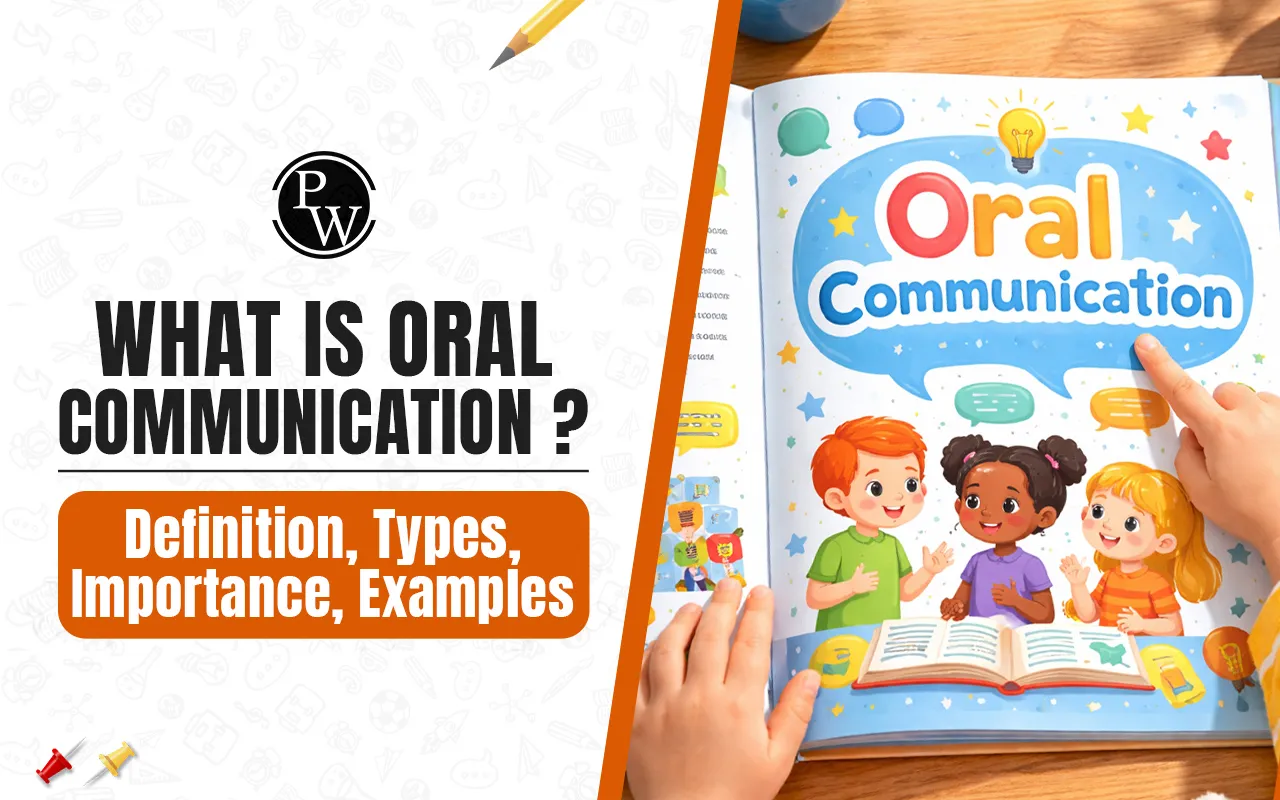
At its heart, communication is about sharing. When we use our voice to do this, we are engaging in oral interaction.
Oral Communication Meaning
It refers to any transfer of information through the use of sounds and spoken language. Unlike reading a book or sending a text, this form of communication relies on the human voice. It is a dynamic process where a sender speaks a message and a receiver listens to it. Because it happens in real-time, it allows people to adjust their tone or words based on the listener's reaction.
It is the act of communicating using the spoken word. It involves the verbal exchange of ideas, emotions, or information. Whether it is a quick "hello" or a long lecture, if you are using your mouth to speak and others are using their ears to hear, it is spoken communication.
Basic Elements of Speaking Communication
For this process to work effectively, a few key elements must be present:
-
The Speaker: The person who starts the conversation.
-
The Message: The actual information or feeling being shared.
-
The Channel: The medium used, such as air (face-to-face) or a digital line (phone call).
-
The Listener: The person who receives and interprets the words.
-
Feedback: The response given by the listener, which confirms they understood.
Types of Oral Communication
Not every conversation is the same. Depending on who we are talking to, we change our style.
Formal Type
This type follows specific rules and structures. It usually happens in professional or educational settings. Examples include:
-
Classroom presentations or lectures.
-
Job interviews.
-
Speeches at an assembly.
-
Business meetings.
In these situations, the language is precise, and the tone is usually serious.
Informal Type
This is the most common form. It is relaxed, spontaneous, and does not follow strict rules. Examples include:
-
Chatting with friends during lunch.
-
Talking to your parents about your day.
-
Casual phone calls.
-
Small talk with a neighbour.
Oral Communication Examples
We use our voices from the moment we wake up until we go to sleep. It is the thread that ties our day together.
To truly understand what is oral communication, let's look at where it happens most often for students.
Examples of Spoken Communication
Beyond just talking, this includes:
-
Radio broadcasts: Where the host talks to an audience they cannot see.
-
Video chats: Like Zoom or FaceTime, combining voice with visuals.
-
Podcasts: Digital audio stories or discussions.
-
Voice notes: Sending a recorded message on an app.
Spoken Communication in Daily Life
Think about your typical morning. You might say "Good morning" to your family, ask "What's for breakfast?", or talk to a bus driver. These are all everyday instances of speaking communication. Even ordering a meal at a restaurant or asking a shopkeeper for the price of an item falls into this category.
How Spoken Communication is Used in Everyday Conversations
In everyday life, we use speech to express needs, share stories, and solve problems. It is often paired with non-verbal cues. For example, a smile while saying "thank you" makes the message warmer. It allows us to settle arguments quickly or share a joke that might not be as funny if it were just written down.
Spoken Communication in Schools and Workplaces
In school, you use these skills during group projects, where you must negotiate and share tasks. Teachers use it to explain complex maths problems. In the workplace, doctors use it to explain treatments to patients, and engineers use it to discuss blueprints. In every career, the ability to explain "what" and "why" through speech is a superpower.
Importance of Spoken Communication in Social Interaction
Socially, speaking is how we bond. It helps in:
-
Building Trust: Hearing someone's voice helps us feel more connected to them.
-
Expressing Emotion: It is easier to show excitement or sympathy through vocal tone.
-
Resolving Conflict: Talking things out face-to-face often prevents small issues from becoming big problems.
Read More - 7 Cs of Communication : Meaning, Importance, Examples
What is Oral Communication Skills and Why They Matter
Being able to talk is one thing; being able to communicate well is another. These skills are the tools that make your speech effective.
Key Speaking Skills Everyone Should Learn
To be a great communicator, you need more than just a large vocabulary. You need:
-
Active Listening: Paying full attention to the person speaking.
-
Clarity and Brevity: Speaking clearly and not wandering off the topic.
-
Tone of Voice: Matching your pitch and volume to the situation.
-
Confidence: Standing tall and speaking with steady breath.
Tips to Improve Speaking Skills
Improving how you speak takes practice. You can:
-
Read aloud: This helps with pronunciation and flow.
-
Record yourself: Listening to your own voice helps you spot "um" and "uh" habits.
-
Maintain eye contact: This shows you are engaged with your audience.
-
Think before you speak: A two-second pause can help you organize your thoughts.
Common Mistakes in Speaking Communication
Many people make mistakes that hinder understanding. These include:
-
Speaking too fast: This makes it hard for listeners to keep up.
-
Interrupting: This shows a lack of respect and breaks the flow of the message.
-
Mumbling: If your words aren't clear, the message is lost.
-
Ignoring Body Language: If your words say "I'm happy" but your face looks angry, people will be confused.
Difference Between Oral and Written Communication
While both involve language, they serve different purposes. Knowing the oral vs written communication differences helps you choose the right method for your message.
|
Feature |
Oral Communication |
Written Communication |
|
Speed |
Instant and fast. |
Takes time to write and read. |
|
Feedback |
Immediate response. |
Delayed response. |
|
Record |
Usually temporary (unless recorded). |
Permanent record available. |
|
Personal Touch |
High (includes tone and body language). |
Lower (relies on words and punctuation). |
|
Correction |
Hard to "erase" once spoken. |
Can be edited and revised before sending. |
Advantages of Verbal Communication
The biggest advantage of speaking is speed. If there is an emergency, you don't write a letter; you shout for help. It also allows for clarity through immediate questions. If someone doesn't understand a word you said, they can ask you to explain it right then and there.
Read More - How to Improve Pronunciation for Better Communication
When to Use Oral or Written Communication
Use it when:
-
The matter is urgent.
-
The topic is personal or emotional.
-
You need to brainstorm ideas with a group.
Use written communication when:
-
You need a permanent record (like a contract).
-
The information is very detailed or technical.
-
The receiver is in a different time zone.
Importance of Oral Communication
The importance of this skill cannot be overstated. It is the foundation of human cooperation.
Role of Spoken Communication in Education
For students, it is the primary way knowledge is transferred. Participating in class discussions helps you process information better than just reading silently. It builds the confidence needed for public speaking, which is a skill that helps in university and beyond.
Role of Verbal Communication in Professional Life
In the professional world, employers value people who can communicate well. It leads to better teamwork, fewer mistakes, and more efficient leadership. Whether it’s giving a presentation to a client or coordinating with a teammate, your voice is your most important tool for success.
Improve Your Child’s English Confidence with CuriousJr
Does your child feel nervous while speaking English or find it hard to form correct sentences? This can affect their participation in class and gradually lower their confidence. CuriousJr’s English Online Classes are designed to help children learn English in a simple, interactive, and engaging way.
Our program focuses on strengthening grammar fundamentals, improving pronunciation, expanding vocabulary, and developing basic writing skills. With live interactive sessions, children get regular speaking practice under the guidance of trained mentors. Fun activities such as storytelling, games, and creative writing make learning enjoyable and effective for young learners.