How to Keep Kids Engaged in Online Learning Without Losing Focus
 Jasdeep Singh25 Apr, 2025
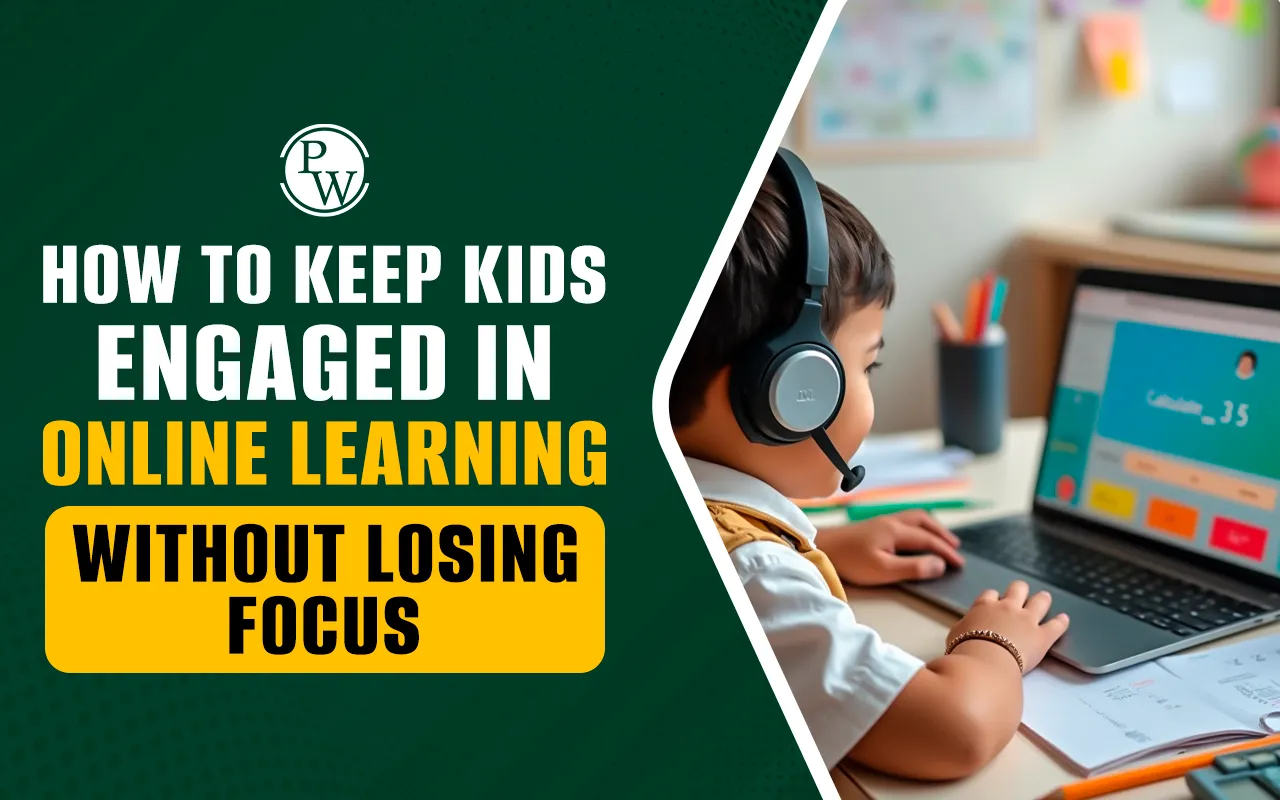
Online learning is a form of education where students attend classes and complete schoolwork using digital devices such as computers, tablets, or smartphones. Schools and coaching centres now use this method widely, offering students access to both live virtual lessons and recorded materials.
This approach gives children the flexibility to learn from home and manage their own pace. At the same time, it introduces new challenges that can affect focus and motivation. Without the structure of a physical classroom, many students find it difficult to stay engaged with their lessons.
The absence of direct teacher supervision and interaction with peers can reduce attention and interest. Distractions in the home environment and irregular study routines can make learning even more difficult.
In this blog, we share practical strategies to help children concentrate better, stay involved in their learning, and build habits that support long-term success.
Benefits of Online Tuition: How It Helps Students Excel
Tips to Keep Children Focused and Engaged During Online Learning
Here are a few tips to help your child maintain attention and interest during online classes without adding more stress:
Understand How Your Child Learns Best
Each child has a different learning rhythm. Some children do best when they start schoolwork early in the morning, while others take time to settle into the day. Some enjoy interactive, discussion-based classes, while others prefer working quietly with minimal input.
The first step to improving your child’s engagement is understanding these preferences. Watch how they respond to different subjects and teaching styles.
Do they seem more involved in science projects than math lessons? Do they show more interest when they speak in class or when working alone with worksheets?
Tailoring your approach to your child’s natural tendencies can help learning to feel less forced and more accessible. The goal isn’t to change how your child learns but to support their learning style.
Create a Space That Signals “Time to Learn”
The space where your child learns has a strong influence on their ability to stay focused. Moving between different locations, such as the dining table one day and the couch the next, can make it difficult for them to settle into a learning mindset.
Having a dedicated study area creates a clear sense of routine and signals that it is time to concentrate. This space should be quiet, free from distractions, and used consistently for schoolwork.
It is important to keep the area well-stocked with essentials like books, notebooks, pens, and a charger. When everything is within easy reach, your child is less likely to be interrupted or lose focus.
Maintaining a tidy and organised space also supports concentration. Beds and sofas are best avoided, as they may feel too relaxed for learning. A basic setup with a desk, a chair, and a few personal touches can make the environment both practical and inviting.
Common Mistakes to Avoid in Online Learning
Create a Flexible Routine for Online Learning
A structured routine helps children stay focused during online learning. Set times for waking up, studying, breaks, meals, and relaxation, but keep it flexible.
If they are actively solving problems, reading attentively, or completing assignments with focus, let them continue instead of stopping for a break. If they lose interest or struggle to concentrate, switch subjects or include short movement breaks.
Letting children help plan their schedules gives them a sense of control. Using visual planners or checklists helps track progress. A balanced routine supports steady learning while reducing stress, making online education more effective.
Keep Kids Active for Better Focus
Young learners aren’t meant to sit still for hours. In a physical classroom, they move between subjects, walk during transitions, and participate in physical activities. At home, that movement disappears unless you create it.
Build movement breaks into your child’s school day to help release energy and reset attention. This can be as simple as stretching, bouncing a ball, or walking around the house. Encourage five to ten minutes of physical activity before a demanding subject like math or science.
It helps clear the mind and increases readiness to focus. Try alternating between sitting and standing for lessons, using a yoga mat or cushion for different postures, or doing a brief dance routine between sessions. The point is to keep the body engaged, which in turn helps the brain stay alert.
Choosing the Right Online Tutor: A Parent’s Guide
Use Rewards That Actually Matter to Your Child
Motivation doesn’t always come naturally to children, especially when the learning feels hard or boring. Some children need extra encouragement, and a small reward can go a long way.
Find something that genuinely motivates your child. It could be time on a favorite app, choosing dinner, staying up 15 minutes later, or collecting points toward a weekend treat.
Tie these rewards to specific goals like attending a full class without distractions, finishing assignments independently, or participating actively in discussions. Keep the system simple and consistent.
When kids start to see that effort brings positive results, even if it’s something small, they become more willing to engage. Over time, the habit of showing up and completing work becomes more natural, and the need for rewards often fades.
Talk to Your Child, Not Just About School
When your child refuses to attend a class or complains about schoolwork, it’s easy to focus only on the behavior. But behavior is often a message. Instead of correcting, ask questions.
Wait for a quiet time and then explore what might be bothering them. Are they bored? Overwhelmed? Missing their friends?
Share your own experiences with working from home or feeling distracted. Let them know they are not alone, and that learning from home is hard for many people. The more they feel heard, the more likely they are to open up.
Sometimes, just knowing that you understand makes it easier for them to return to learning. These conversations don’t always have immediate solutions, but they build trust, which supports long-term engagement.
The Role of Parents in Online Learning Success
Don’t Try to Do Everything at Once
When the school day is packed with multiple subjects and back-to-back tasks, it can quickly become tiring for both you and your child. If you notice that their focus or interest is fading, try shifting the approach.
Choose just two or three subjects to concentrate on for a period of time. If your child enjoys reading and is progressing well in English, use that as a starting point. If math is more difficult, allow extra time and support to work through it at a comfortable pace.
It is completely fine if a few lessons are shorter or occasionally missed, especially when the goal is to strengthen understanding in key areas. The priority is not to finish everything, but to build confidence and keep learning steady.
Even small improvements in one subject can lead to better results in others. Focusing on what matters most helps create a sense of progress, and that progress often means more than just checking every box.
Effective Study Techniques for Online Students
Connect with Teachers and Ask for Adjustments
You don’t have to handle online learning challenges on your own. Teachers are often more flexible than you might expect, especially when you share specific concerns.
If your child struggles to complete full assignments, ask if they can do a shorter version. If they are shy on camera, request permission to keep it off during class discussions.
Teachers can offer modifications, alternate assignments, or tips to support your child in a way that feels doable. Communicating openly also helps you feel less isolated and builds a support network for your child.
Remember, teachers want to see students succeed,and they know that every home learning situation is different. A small adjustment may be all it takes to change the tone of your child’s day.
Make Room for Breaks and Be Kind on Off Days
Not every day of learning will go as planned. There will be times when your child feels tired, easily distracted, or simply unmotivated. On those days, it’s important to allow time for a break rather than pushing through with frustration.
Stepping away for a short while can help them return with a clearer mind and renewed energy. It’s not necessary for every lesson to be completed at the exact time it appears on the schedule.
Some flexibility can make the entire experience more manageable. This does not mean lowering your expectations. It means adapting when needed so that learning continues in a way that feels steady and supportive rather than stressful or overwhelming.
How to Stay Focused During Online Classes
Give Your Child the Fun Learning Experience with Curious Junior
Curious Junior offers an engaging online school tuition program for students in grades 1 to 8. Subjects such as English, Math, Social Studies, and Science are taught in ways that keep children involved and interested. Lessons are live, activity based, and guided by teachers who understand how young learners absorb information.
Students are encouraged to think, ask questions, and take part in the learning process. Whether your child finds it hard to focus or simply enjoys a more interactive approach, Curious Junior creates a space where learning feels enjoyable and meaningful.
Enroll now to give your child a learning experience that builds focus, confidence, and curiosity every step of the way.
FAQs
How long should my child be on screen for online learning each day?
Should I sit with my child during all online classes?
How can I keep my child socially connected while learning from home?