What Parents Should Do When Kids Feel Shy Speaking English (Movers Level)
 Nivedita Dar28 May, 2026
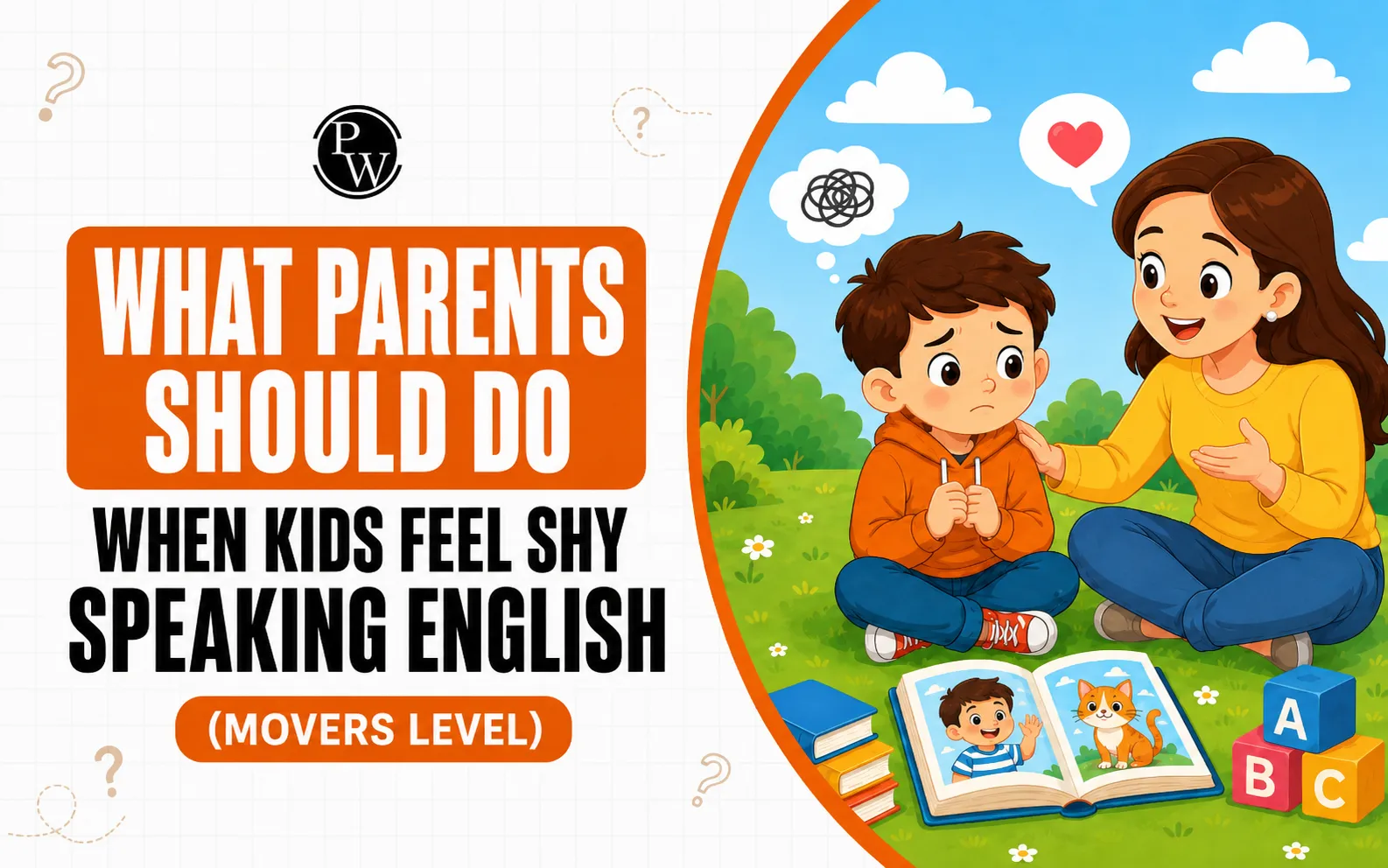
Many parents notice that while their children understand lessons, they struggle to verbalise thoughts due to a fear of making mistakes. This barrier often appears during the Movers level, where the transition from basic words to full sentences begins. Overcoming this "silent phase" requires a shift in how we approach kids english learning online. Instead of focusing on perfection, the goal is to create a safe space where your child feels brave enough to try. By using the right strategies, you can turn their hesitation into natural fluency.
Reasons for Low Confidence in Kids English Learning Online
Understanding why a child feels hesitant is the first step toward finding solutions for English fear. At the Movers level, children are expected to handle more complex language structures, which can feel overwhelming.
-
Fear of Judgement: Children often worry that peers or adults will laugh if they mispronounce a word.
-
Pressure to Perform: High expectations from parents can make speaking feel like a test rather than a form of communication.
-
Lack of Practice: Without regular interaction, the tongue literally feels "heavy" when trying to form foreign sounds.
-
Comparison Trap: Seeing other children speak fluently can make a shy child retreat further into their shell.
When using platforms for english learning, these fears can be magnified if the environment feels too formal. It is essential to choose programmes that prioritise engagement over rigid testing.
How to Build Confidence for Kids English Learning Online
You do not need to be a fluent English speaker yourself to provide excellent parent guidance support. Your role is to be a cheerleader rather than a teacher.
1. Create a "Mistake-Friendly" Zone
Tell your child about times you made mistakes. When they see that errors are just stepping stones, their speaking confidence levels will naturally rise. If they say "He go to school," do not stop them to correct the grammar. Instead, respond with, "Yes, he goes to school! What did he do there?" This models the correct version without discouraging the effort.
2. Use Daily Routines for Practice
Incorporate English into non-academic moments. Ask them to name items in the grocery basket or describe what the dog is doing. This removes the "study" label from the language and makes it a part of real life.
3. Visual Aids and Props
At the Movers level, children still benefit from tactile learning. Use flashcards or physical objects to prompt conversation. Asking a child to "Tell me about this toy" is much easier than asking them to "Speak in English for five minutes."
Practical Communication Support Tips for Kids English Learning Online
The Movers level focuses on practical language use. Providing specific communication support tips helps bridge the gap between knowing a word and using it in a sentence.
-
Sentence Starters: Give them the first two words of a sentence. If you ask "What did you eat?", start them off with "I ate..."
-
Role-Playing: Use puppets or action figures to act out scenarios. Children often feel braver speaking through a character than speaking as themselves.
-
Recording and Playback: Let them record a short message on your phone. Listening back helps them get used to the sound of their own English voice.
These methods align with english learning goals by making the language feel functional and accessible.
Read More - Simple English Question and Answer Practice for Kids (Level Movers)
How to Choose the Right Kids English Learning Platform Online
Not all digital courses are created equal. For a shy child, the platform must feel like a playground, not a classroom.
Interactive Gamification
Reference materials (Movers level) suggest that gamified learning keeps kids engaged. When a child is busy winning points or completing a digital quest, they forget they are speaking a second language. This distraction is a powerful tool against shyness.
Native Speaker Interaction
Platforms provide 1-on-1 sessions with native tutors. This is vital for fluency encouragement. A tutor who focuses on conversation rather than just reading from a book helps the child realise that English is a tool for making friends across the world.
Curriculum Alignment
Ensure the online content matches the Cambridge Movers framework. This ensures the vocabulary is age-appropriate—neither too easy (which causes boredom) nor too hard (which causes anxiety).
Read More - Reading Between the Lines Activities for Movers Level Students
Strategies for Parents to Help Kids English Learning Online
To see real progress in kids english learning, parents must look at the long-term journey.
-
Celebrate Small Wins: Did they order their own food in English? Did they ask a question in their online class? Celebrate these moments.
-
Limit Screen Time to Quality Content: Instead of passive watching, choose interactive apps that require the child to speak back to the device.
-
Set Realistic Goals: Don't aim for a speech. Aim for one new sentence a day.
By providing steady parent guidance, you remove the "fear factor." When the pressure drops, the words usually start to flow.
Tips to Overcome Fear of Kids English Learning Through Play
Play is the universal language of childhood. If you want to improve speaking confidence kids exhibit, you must make English a game.
|
Activity Type |
Benefit for Movers Level |
|
I Spy |
Encourages use of adjectives and nouns in a fun, fast-paced way. |
|
Simon Says |
Builds listening skills and response speed without verbal pressure. |
|
Picture Storytelling |
Allows the child to use their imagination while practicing verb tenses. |
When a child is laughing, they are not worrying about their accent. This is the secret to successful kids english learning.
Importance of Kids English Learning Online
Traditional classrooms can be intimidating for a quiet child. The "sea of faces" makes them want to hide. However, kids english learning offers a different dynamic.
-
Privacy: Learning from the comfort of their bedroom makes them feel secure.
-
Pacing: Many online tools allow children to repeat sections until they feel comfortable.
-
Visual Stimulation: Bright colours and animations keep the "affective filter" low, meaning the brain is more open to learning.
By integrating these digital tools with active parent guidance English, you create a comprehensive support system that tackles shyness from all angles.
Parent Guidance for Kids English Learning Online
Success at the English learning movers level requires a transition from simple identification to description. Use these prompts during your daily kids english learning review:
-
Comparison: "Which one is bigger, the red ball or the blue ball?"
-
Description: "Tell me three things about this picture."
-
Opinion: "Do you like the monkey or the elephant better? Why?"
These prompts require more than a "yes" or "no" answer, pushing the child to use their growing vocabulary while you provide the necessar tips.
How to Create Milestones for Kids English Learning Online
It is helpful to have a roadmap. For the Movers level, your milestones might look like this:
-
Month 1: Child participates in a 1-on-1 online session without hiding from the camera.
-
Month 2: Child uses full sentences (Subject + Verb + Object) spontaneously.
-
Month 3: Child can describe a past event using simple past tense.
Having these markers helps parents stay patient. Remember, English fear solutions take time to work. Rushing the process will only increase the child's anxiety.
How CuriousJr Helps Kids Feel Confident Speaking English Online
CuriousJr online English learning classes help children overcome hesitation by making English learning fun, engaging, and pressure-free. Instead of focusing only on grammar rules, children learn through conversations, games, storytelling, and practical speaking activities that naturally improve confidence.
1. Interactive Speaking Activities
Children participate in fun speaking exercises, picture discussions, and storytelling tasks that encourage them to use English naturally without fear of making mistakes.
2. Gamified Learning Experience
Reward-based activities and quizzes keep students engaged and reduce the stress often associated with traditional English classes.
3. Simple Communication Practice
At the Movers level, students practice everyday conversations, helping them become comfortable using English in real-life situations.
4. Confidence Through Regular Practice
Frequent speaking opportunities help children slowly overcome shyness and improve fluency step by step.
5. Visual and Creative Learning Methods
Young learners will find online English learning more fun and easier to understand with colourful pictures, engaging tasks and imaginative exercises.
6. Supportive Learning Environment
A friendly and encouraging environment can allow youngsters to participate more actively, which in the long run can improve their speaking confidence and communication abilities.
English learning should be a fun and worry free experience for kids. Platforms like CuriousJr make learning enjoyable and provide controlled practice to help kids develop great English communication skills.