
Listening Strategies for English Fluency (Level Key)
 Nivedita Dar28 May, 2026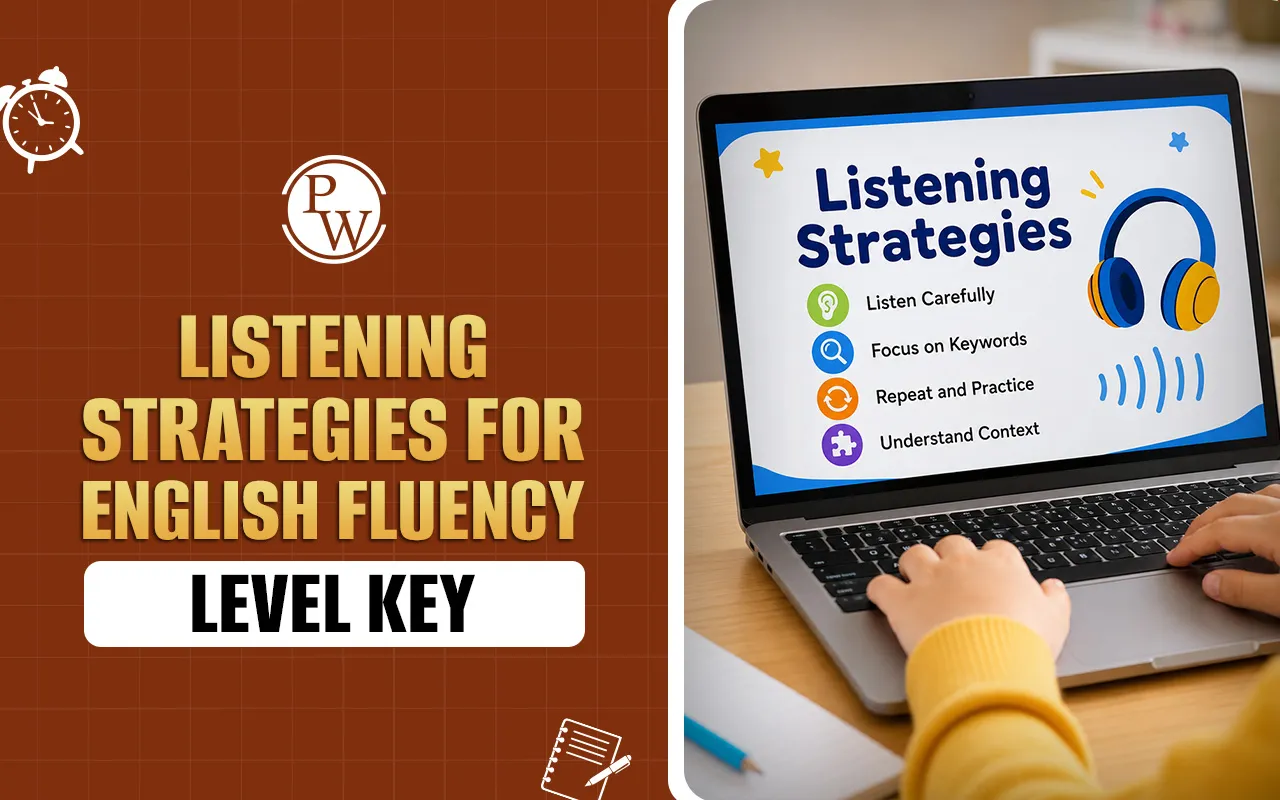
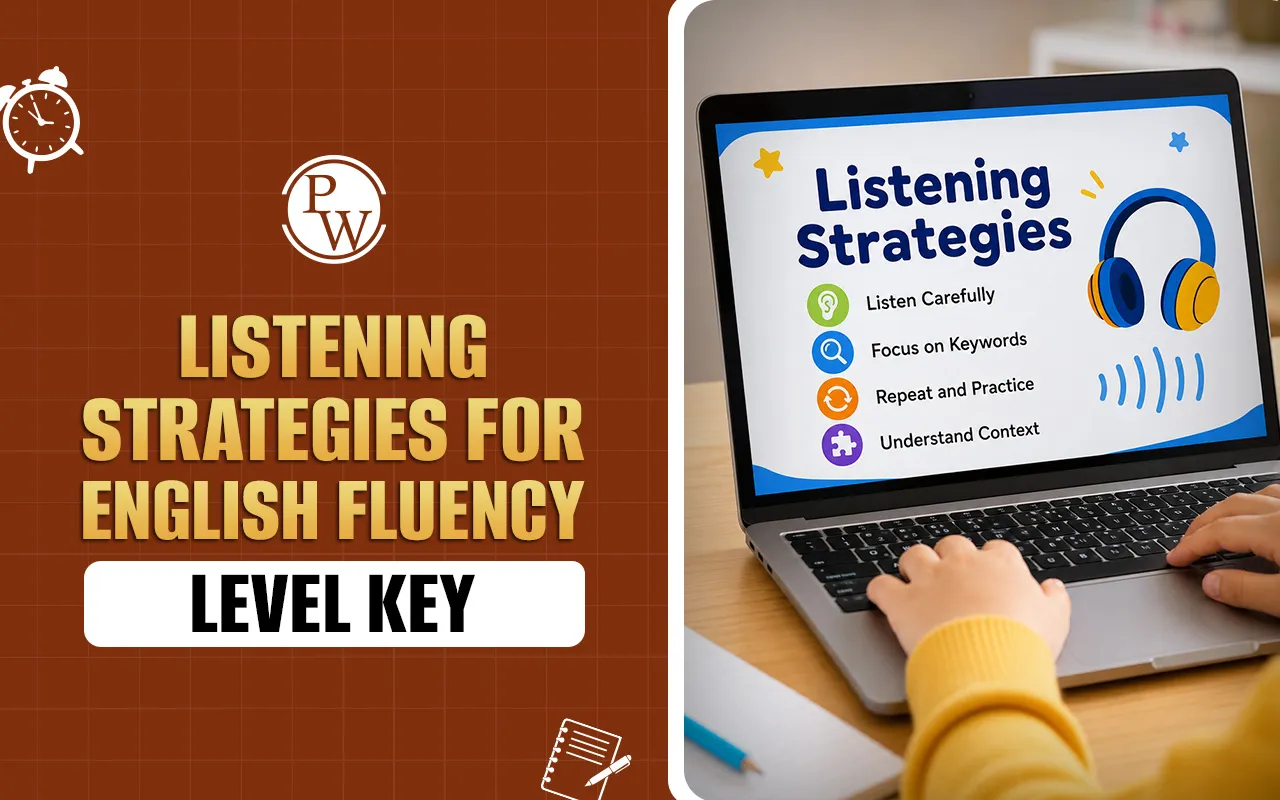
But understanding live human speech still presents a huge challenge. This "comprehension gap" commonly happens when learners just listen but do not apply certain English listening strategies for students. Speaking English gives you confidence, but when you cannot understand a conversation, it decreases this self-confidence and makes you avoid participating in class or not lean into social contexts. This concept explores the idea that, when you listen with strategic structures in place, your brain literally realigns itself to assimilate sounds seamlessly through listening — transforming communication from a complicated puzzle into something more instinctive.
English Listening Strategies Overview
Listening is traditionally considered a receptive skill, but it also requires active mental engagement. Listening is the main input for learning a language, whether English or another, and for anyone looking to improve fluency. That is how you learn the music of a language—the rhythm, stress patterns and natural shortcuts. But many students find themselves overtaken by natural speech without a plan.
Understanding How to Listen: You focus on what really matters, filtering out the noise while developing active listening skills for students. These strategies are not specifically for English exams; instead, they help develop life skills that enhance spoken communication. No matter who you are listening to—a teacher, podcast or friend—the techniques below will ensure it is that much easier for you to reach your level.
English Listening Strategies for Kids
You need to use your brain with that audio input to progress from just "hearing" it to actually comprehending it. These are eight exceptional English listening strategies to help tune your ears and brain.
1. The Active Listening Strategy
Active listening is done with a purpose. Instead of letting those words wash over you, ask yourself: What is the primary point here?
-
Avoid Passive Habits: Do not put on English in the background while doing other stuff.
-
Stay Focused: Focus all your attention on the speaker's message.
-
Identify the Goal: Decide whether or not the speaker is trying to inform, persuade or entertain you.
2. The Repeat Listening Strategy
In such a case, just hearing it once is often insufficient when you are in the process of improving your fluency.
-
First Listen: Focus on the overall idea.
-
Second Listen: Pay attention to smaller details and specific phrases you missed.
-
Third Listen: Pay attention to how the words are pronounced and stick together.
-
This allows you to ensure that every session adds value to your level.
3. The Keyword Catching Strategy
You don't need to know every single 'the' and 'or' word to understand what it means.
-
Focus on Content: Direct your energy toward nouns, verbs, and numbers.
-
Note Key Names: Pay attention to people or places mentioned.
-
Efficiency: You catch the keywords to keep your speed and understanding at full potential, without complex grammar restricting you.
Read More - Full Sentence Speaking Practice for Kids Learning English (Key Level)
4. The Shadowing Strategy
It reinvents the idea of confidence in a spoken context. This is known as 'shadowing', which means you listen to a short piece of audio and immediately repeat what you heard, like an echo.
-
Copy the Tone: Try to match the speaker's emotion and emphasis.
-
Match the Speed: Try and match the speed that you hear on the recording while speaking.
-
Results: It synchronises the listening and speaking areas of your brain, improving fluency so quickly.
5. The Short Audio Strategy
The pitfall that many students fall into is that they prematurely try to listen to a movie or lecture that is an hour long.
-
Micro-Learning: Start with clips that are only 30 to 60 seconds long.
-
Prevention of Burnout: Short breaks help your brain not get fatigued and, furthermore, "check out".
-
High Intensity: You can play with (i.e., analyse) a one-minute clip much more than a longer video.
Read More - Easy Practice for Reading Notices and Announcements (Level Key)
6. The Visual Support Strategy
The context is a potent tool for cultivating students' active listening abilities.
-
Use Videos: Watching a speaker's mouth and gestures helps you decode difficult sounds.
-
Images and Charts: When you see a diagram and hear it spelt out, the vocabulary sticks.
-
Easier Comprehension: Visuals provide context for understanding audio.
7. The Note-Taking Strategy
When your hands are busy, it helps keep your mind out of focus.
-
Bullet Points: Write down only the most important words.
-
Avoid Full Sentences: If you attempt to write full sentences, your notes will lag behind the person speaking.
-
Memory Link: The physical act of writing creates a better memory.
8. The Prediction Strategy
Before you even start your audio, let it engage your brain.
-
Guess the Content: Based on the title or a thumbnail image, guess what the speaker might say.
-
Check Your Work: After listening, see how many of your guesses were correct.
-
Active Engagement: This activity is a game that makes listening into a sport, which is particularly effective for keeping students' active listening skills alive.
Practice Questions for English Listening Strategies
To reach your English learning key level, use this checklist during your next study session:
-
Select a short clip (under 1 minute).
-
Predict three things the speaker will mention.
-
Listen for keywords and jot them down as bullet points.
-
Repeat the audio and try "shadowing" the speaker’s speed.
-
Reflect on one new word or phrase you learned.
English Listening Strategies Benefits
The steps you adopt are not only leading to achieving better grades; they transform your relations with the English language.
-
Boosted Academic Performance: Students with strong active listening skills can listen and follow complex instructions and participate thoroughly in classroom discussions.
-
Natural Fluency: You start to know the secret parts of English, such as how music blends (this is important for fluency development.)
-
Social Ease: With greater spoken English confidence, you will no longer hesitate to participate in conversations and ask questions in a real-life situation.
-
Exam Readiness: Nearly all your language certifications, even at the key levels, depend entirely on your ability to pick out details under pressure.
How Does CuriousJr Help with English Listening?
Those interested in obtaining your optimal stage will find that CuriousJr is well-suited for the task. CuriousJr online English learning class uses interactive methods to make English listening practice more engaging for students. It makes sure that learners do not suffer from discouragement by serving lessons in a bite-sized format and using the short audio strategy.
-
The platform is designed to relate content to the English, which in turn ensures that everything matches within your specific key level.
-
It emphasises high-frequency vocabulary, real-life situations and rapid development of spoken confidence.
-
The short-audio strategy is supported by bite-sized audio lessons which also prevents cognitive fatigue, making it difficult for students to have active listening skills.
-
Students can track their progress over time and observe improvements in fluency.