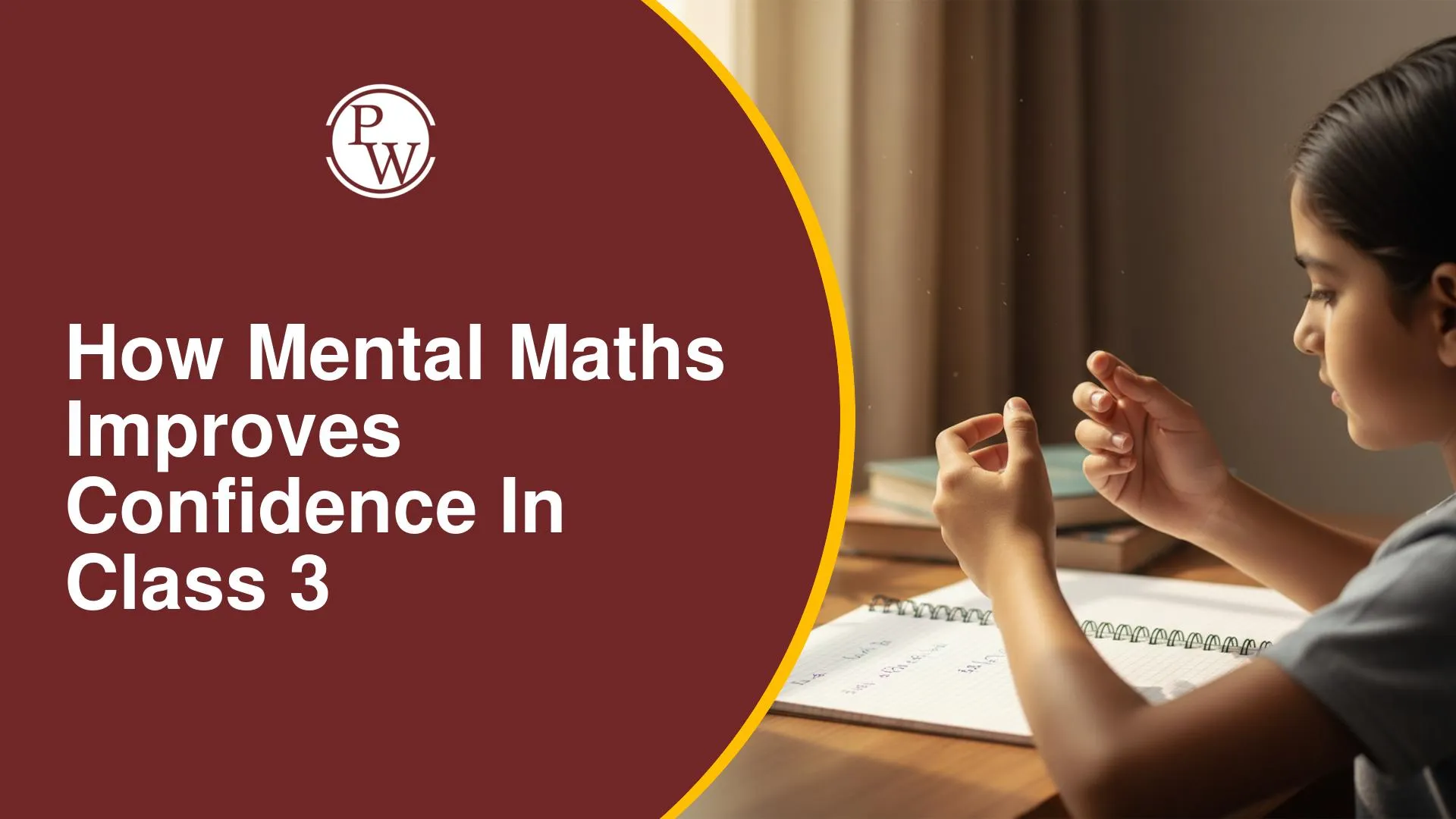
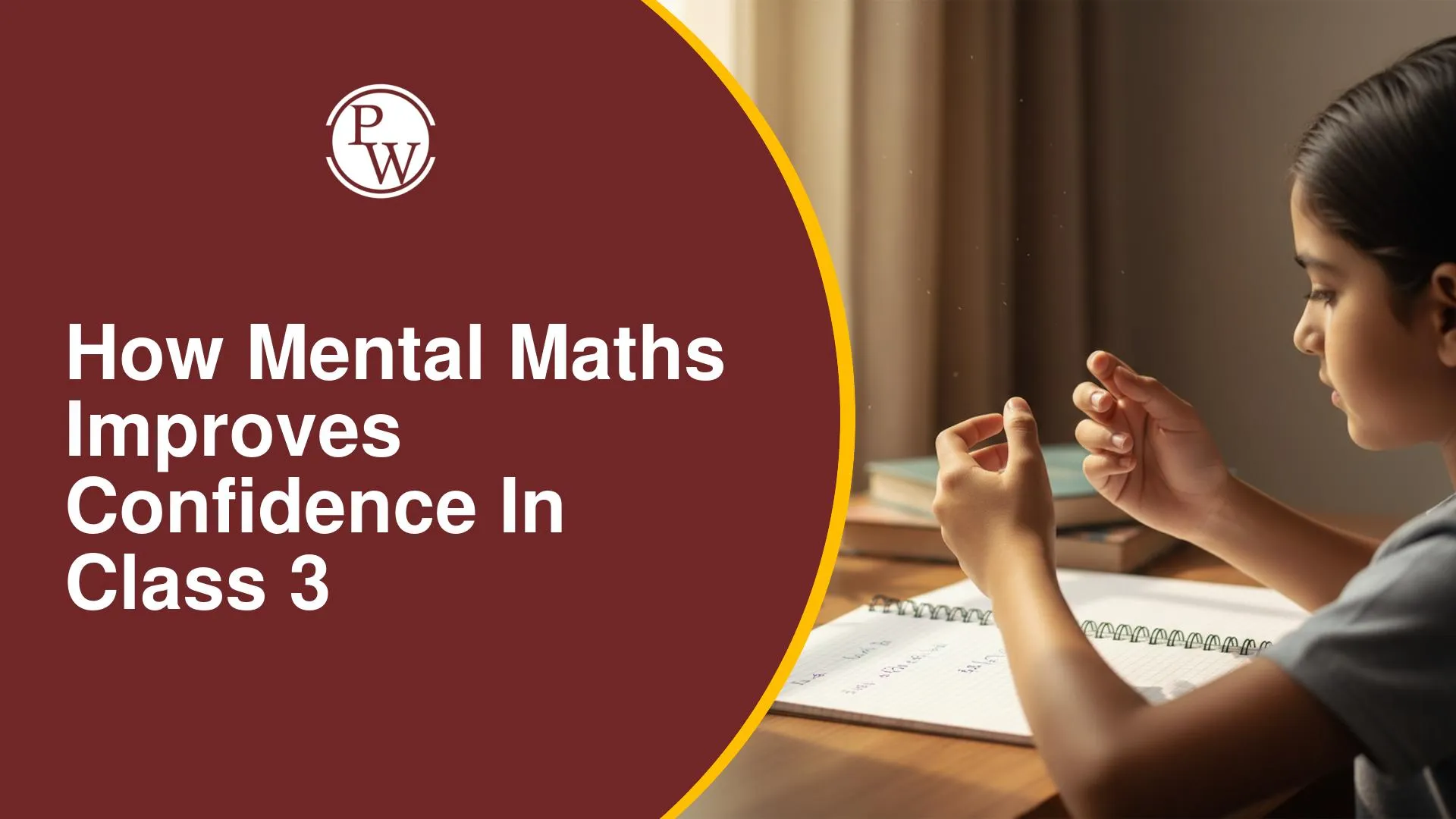
How Mental Maths Improves Confidence in Class 3

Confidence in mathematics begins with strong number skills. In Class 3, children start learning multiplication, division, fractions, measurement, and word problems, making quick and accurate calculations more important than ever.
Regular mental maths practice strengthens number sense, improves calculation speed, and helps children solve questions with greater confidence. With engaging activities and guided learning, students become more comfortable handling maths independently both in school and at home.
Why Class 3 Is the Right Time to Build Maths Confidence
Class 3 lays the foundation for many advanced maths concepts. Children are expected to solve questions independently and apply concepts in different situations. If they feel comfortable with numbers at this stage, they are more likely to enjoy learning mathematics in higher classes.
Many students lose confidence because they take extra time to solve questions or make simple calculation errors. Regular practice helps them overcome these challenges and approach maths with a positive mindset.
Parents who enrol their children in a mental maths class 3 programme often notice improvements in both learning habits and classroom participation.
How Mental Maths Improves Confidence in Class 3 Through Faster Calculations
Many children know the correct method but hesitate because simple calculations take too long. Regular mental maths practice helps improve speed and builds confidence over time.
Regular mental maths practice helps children calculate faster, make fewer mistakes, and solve questions with greater confidence.
-
Solve addition and subtraction faster
-
Recall multiplication tables more easily
-
Perform simple division with confidence
-
Reduce unnecessary calculation mistakes
-
Complete maths work within the given time
As children experience success during practice, they begin trusting their own abilities.
Read More - Mental Division Tricks for Class 3
Strong Number Sense Helps Children Solve Questions Confidently
Mental maths is not only about speed. It also develops a better understanding of numbers. Children learn to recognise patterns, estimate answers, and choose the easiest way to solve a problem.
A strong understanding of numbers helps children recognise patterns, estimate answers, and choose the simplest method to solve a question. Instead of relying only on memorisation, they begin applying logical thinking while solving problems.
-
Understand relationships between numbers
-
Apply concepts instead of memorising steps
-
Solve word problems with greater confidence
-
Make better decisions while calculating
-
Check their own answers independently
These improvements strengthen maths confidence class 3 by making everyday calculations feel easier and more natural.
How CuriousJr Makes Mental Maths Fun and Engaging
Learning becomes more effective when children enjoy the process. CuriousJr uses interactive live classes that encourage active participation instead of passive learning.
During live classes, children learn through a variety of engaging activities, including:
-
Interactive maths activities
-
Classroom discussions
-
Practice quizzes
-
Logical reasoning exercises
-
Puzzle-solving sessions
-
Real-life examples
These enjoyable learning experiences keep children motivated and interested throughout the class. Well-designed mental maths activities class 3 also improve focus and encourage regular practice.
Read More - Can Mental Maths Reduce Homework Time for Class 3 Students?
Simple Vedic Maths Techniques for Class 3 Students
Children often become more confident when they learn easier ways to solve questions. CuriousJr introduces age-appropriate techniques that simplify everyday calculations.
Some of the methods include:
-
Complements to 10 and 100
-
Easy addition and subtraction tricks
-
Doubling and halving methods
-
Finger multiplication techniques
-
Skip counting strategies
-
Number splitting methods
These beginner-friendly Vedic maths class 3 techniques help children solve questions with less effort while improving their understanding of numbers.
Teacher Guidance Helps Children Learn with Confidence
Children learn better when they receive regular support. During live classes, experienced teachers explain concepts step by step and encourage students to ask questions freely.
Teachers provide:
-
Clear explanations
-
Instant doubt resolution
-
Individual attention whenever needed
-
Regular encouragement during practice
-
Guidance based on each child's learning pace
A supportive classroom encourages children to ask questions without hesitation. As they receive regular feedback and guidance, they become more confident in solving maths problems independently.
Regular Assessments Build Confidence Step by Step
Regular assessments allow children to track their improvement and understand which concepts need more practice. Seeing steady progress motivates them to continue learning with confidence.
Performance tracking allows children to:
-
Identify stronger topics
-
Improve weaker areas
-
Build consistency through practice
-
Reduce repeated mistakes
-
Celebrate small learning milestones
When children notice their own improvement, they become more willing to attempt new and challenging questions without fear.
Better Calculation Skills Support Everyday Learning
Mental maths develops practical abilities that children use both inside and outside the classroom. Faster calculations reduce pressure during homework, classwork, and tests.
Improved class 3 calculation skills help children:
-
Complete homework independently
-
Solve word problems with confidence
-
Perform better during classroom activities
-
Participate actively in discussions
-
Stay focused while solving longer questions
These improvements gradually create a more positive attitude towards mathematics.
Benefits of Online Mental Maths Classes for Class 3
Regular practice is essential for developing confidence. Live online classes make it easier for children to maintain a consistent learning routine from home.
An online mental maths class 3 provides structured lessons, guided practice, interactive exercises, and continuous teacher support. Children receive opportunities to practise regularly without feeling overwhelmed. This consistency helps them improve steadily and build long-term confidence.
Mental maths plays an important role in building confidence during Class 3 by improving calculation speed, strengthening number sense, and encouraging independent problem-solving. As children practise regularly, they become more comfortable solving maths questions, participating in class, and completing homework with greater accuracy.
CuriousJr's live online classes combine interactive activities, beginner-friendly Vedic Maths techniques, experienced teacher guidance, regular assessments, and personalised support to make learning enjoyable and effective. With consistent practice, children develop strong calculation skills and gain the confidence needed to succeed in mathematics both now and in the years ahead.
How Mental Maths Improves Confidence in Class 3 FAQs
What is mental maths for Class 3 students?
How does mental maths improve confidence in Class 3?
What techniques are taught in a Class 3 mental maths programme?
Are online mental maths classes suitable for Class 3 students?
How often should Class 3 students practise mental maths?





Get Free Counselling Today
and Clear up all your Doubts
 Live & recorded classes available at easeDashboard for progress trackingLakhs of practice questions